



Georgia Man Pleads Guilty to Odometer Fraud
A Georgia man charged with operating an odometer fraud scheme that revolved around buying later-model cars at auction, tampering with the odometer reading, and then selling the cars at inflated prices has plead guilty, according to the Department of Justice (DOJ).
A Georgia man charged with operating an odometer fraud scheme that revolved around buying later-model cars at auction, tampering with the odometer reading, and then selling the cars at inflated prices has plead guilty, according to the Department of Justice (DOJ).
“Paul Robinson, 37, of Lawrenceville, Georgia, pleaded guilty in U.S. District Court in Norfolk Virginia, to one count of conspiracy to commit securities fraud and odometer tampering,” the Department stated in its announcement.
Robinson owned and operated Affordable Auto Body Repair, a repair shop that was licensed to repair and sell salvage title vehicles. Robinson would purchase older vehicles — many of which had been involved in accidents — from an auction that specialized in vehicles from insurance companies, according to the DOJ. He would then alter or replace the odometer to reflect a false, lower mileage.
With the lower mileages in tow, Robinson would sell the cars at inflated prices. Robinson bought the vehicles for an average of $1,131 and sell them for an average of $3,818, according to The Virginian-Pilot. Robinson tampered with more than 100 vehicles.
Robinson’s scheme was first discovered nearly nine months ago on May 26, 2016 when a co-conspirator, Steven Bazemore, pleaded guilty for his role in the scheme. Bazemore was a former employee of the Norfolk Commissioner of Revenue — an office that acts as a contractor of the Department of Motor Vehicles conducting select DMV Services such as titling. He admitted that while employed as a clerk at a DMV Select Facility in Norfolk, he knowingly created at least 76 Virginia motor vehicle titles with falsified mileage readings.
In exchange for the falsified titles, Bazemore would receive cash payments from Robinson. To make it difficult for the DMV to detect the fraud, Robinson asked Bazemore to return the documents used to procure the fraudulent titles instead of retaining the documents in the DMV files system.
On Sept. 22, 2016, a few months after pleading guilty for his role, Bazemore was sentenced to one year of home confinement and was ordered to pay restitution to the ultimate purchasers of the vehicles. During this time, the Robinson's identity was unknown.
However, in January of this year, a federal court charged Robinson with operating an odometer fraud scheme. His sentencing is scheduled for June 8.
This case was investigated by National Highway Traffic Safety Administration (NHTSA) Office of Odometer Fraud Investigation and the Virginia DMV. NHTSA estimates that odometer fraud in the U.S. results in consumer losses of more than $1 billion per year.
More Operations

CAS Automotive Launches Remarketing Service for Damaged, Surplus Equipment
Damaged Equipment expands CAS Automotive’s vehicle remarketing model to commercial equipment, targeting fleet operators, insurers, equipment dealers, and rental companies.
Read More →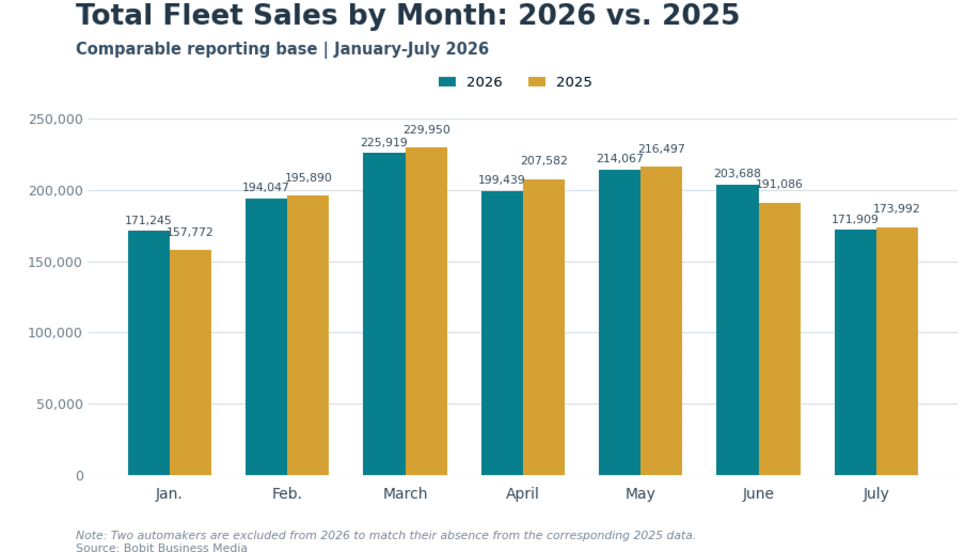
Fleet Sales Hold Steady as Commercial Gains Offset Rental Decline
Commercial and government fleet sales increased through July 2026, offsetting most of the decline in rental volume and leaving combined comparable fleet sales 0.5% above the same period last year.
Read More →
Personnel Update: BrickHouse GPS, PRO-VISION, Auto Driveaway, and Proaction
Check out the latest must-know fleet personnel updates from the last couple of months.
Read More →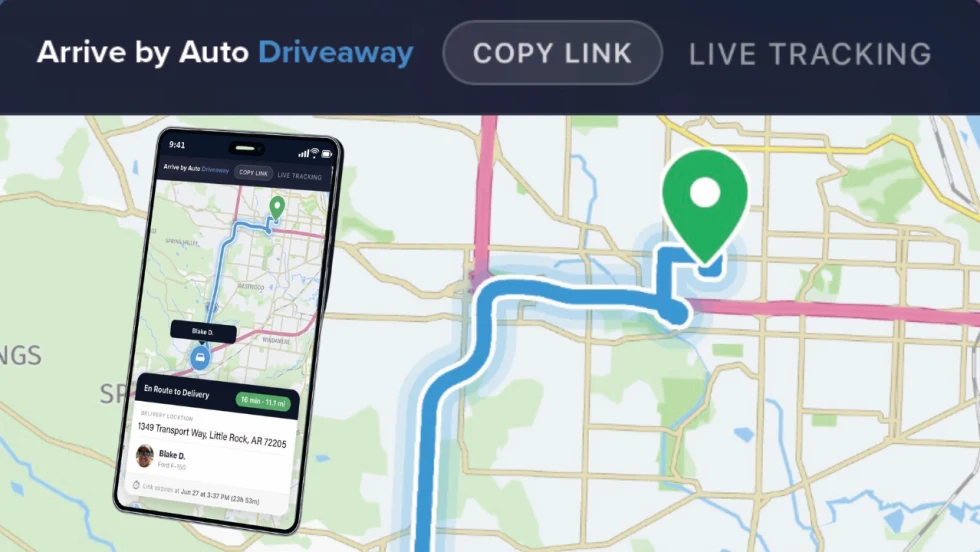
What Comes Next for Auto Driveaway?
A new Auto Driveaway feature called Arrive provides recipients with live location updates and ETAs during the final hour of a vehicle move, while fleet customers continue to have end-to-end shipment visibility through the company's customer portal.
Read More →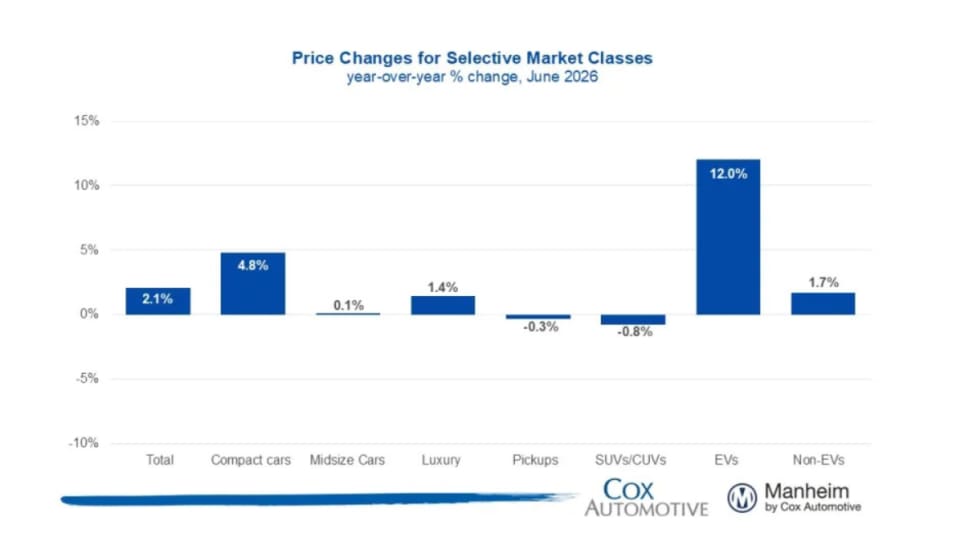
Manheim Index Shows Used-Vehicle Wholesale Prices Up 2.1% in June
The market is seeing stronger appreciation in older used vehicles this year, and the most affordable segments have been among the year’s best performers.
Read More →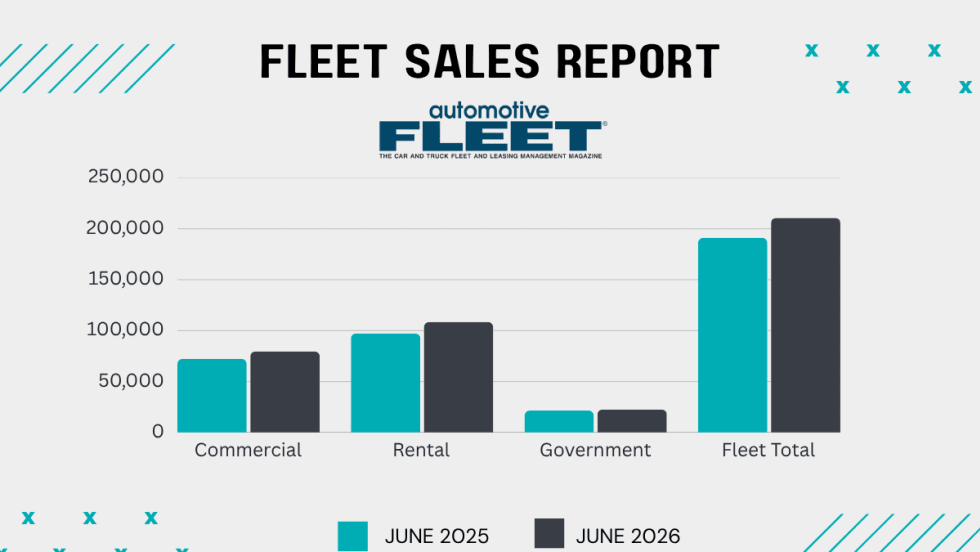
Commercial Fleet Sales Contribute To June, YTD Gains
The fleet sector has boosted its vehicle purchases at a reliable pace in the first half of this year compared with 1H 2025.
Read More →
Stop Remarketing Electric Vehicles Like Gas Cars
The advantages and attributes of electric vehicles are upending the traditional remarketing cycle, requiring fleet sellers to rely on new factors and approaches detailed below.
Read More →
AP Fleet Management Expands Remarketing Program for Commercial Work Trucks
AP Fleet Management expanded its commercial vehicle remarketing program with dedicated resale services and an online marketplace for used work trucks.
Read More →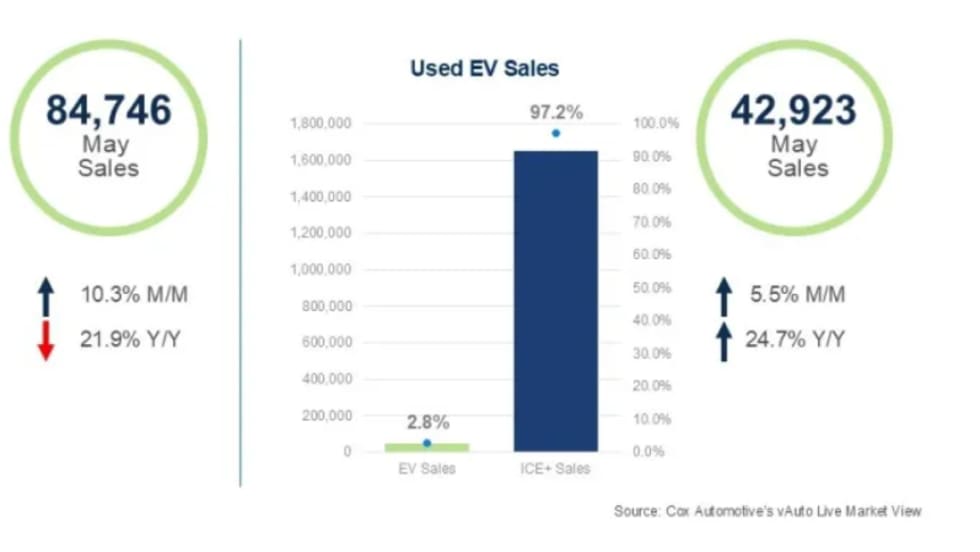
Used EVs Strengthen Overall Electric Vehicle Market
The latest sales data point to several reasons for the divergent trends in new and used EVs that can factor into fleet cycling decisions.
Read More →
The Data-Driven Haul: 5 Ways AI is Leveling the Playing Field in Auto Transport
Large and small transport fleets are becoming more competitive as predictive analytics and real-time data inform the logistics decision chain.
Read More →