




Related News: Ford EV Sales and Orders Soar
Ford Supply Squeeze Raises Vehicle Prices in 2Q
High consumer demand and low inventories have allowed Ford to push average transaction prices to new highs.
July 27, 2021
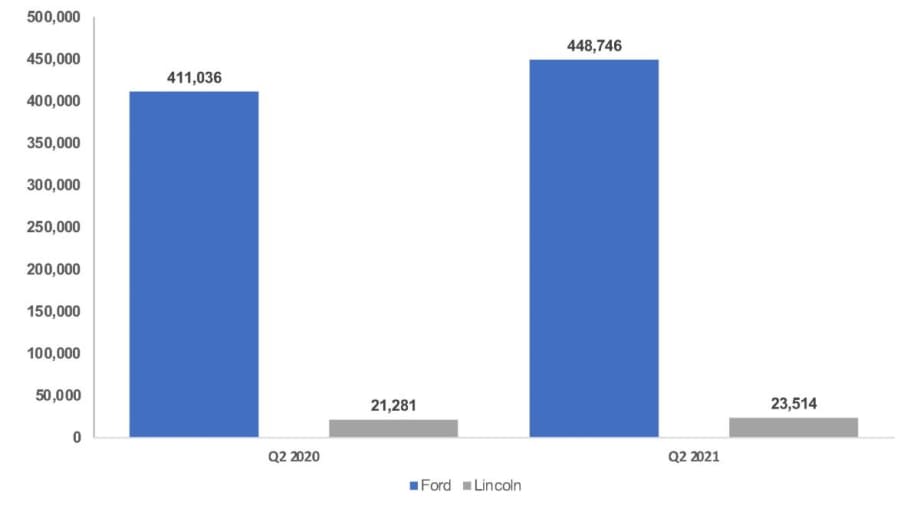
Ford-Lincoln sales volume Q2 2021 vs. Q2 2020.
Graphic: Cox Automotive
5 min to read
The global computer chip shortage has severely hampered Ford’s vehicle supply, while the automaker has cut production and built vehicles and parked them until chips are available, according to a Cox Automotive analysis released July 27. Ford Motor Co. reports second-quarter 2021 earnings July 28, after the stock market closes.
On the plus side, high consumer demand and low inventories have allowed Ford to drastically decrease incentive spending and also push average transaction prices to new highs.
Here are key data points from Cox Automotive on Ford’s second-quarter 2021 performance in the U.S. where the company generates most of its profits and revenues.
Sales and Market Share
Ford’s overall sales rose 9% from Q2 2020 to 472,260 vehicles. Ford brand sales rose 9% to 448,746 vehicles. Lincoln sales climbed 11% to 23,514 vehicles. The quarter marked the second-lowest sales volume for the company and both brands individually in at least six years, second only to the pandemic-ridden Q2 2020.
Ford and its brands far underperformed the overall market in the quarter, which was up 50% year over year. That put the market share for Ford and its brands at their lowest in at least six years. Ford’s overall market share plummeted to 10.7% from a year ago when it was 14.7%. Ford’s highest market share in the past six years was 15.5% in Q2 2016.
Ford brand accounted for almost all of the decline. Its share fell to 10.2% from 13.9% a year ago. Its highest second-quarter share was 14.9% in 2016. Lincoln’s brand share was .5% in the quarter. Lincoln’s highest share in the past six years was .7% last year and in 2017.
On the plus side, Ford brand eked out 801 sales of the long-awaited Bronco SUV. The Bronco Sport pitched in 37,158 sales. The electric Mustang Mach-E added 6,361 sales.
The full-size Expedition SUV doubled its sales from a year ago and hit at least a six-year high for sales by a huge margin. Ranger sales rose by 37% to their highest level since the midsize pickup was introduced three years ago. Explorer gained 18% from a year ago and put it above 2019 levels when Ford struggled to launch the revised Explorer. However, its sales remain well below pre-2019 levels.
Transit and Transit Connect vans were up more than 30% but still not back to 2019 levels despite the high demand for delivery vehicles. Sales of F-Series, which has been hurt the most by the chip shortage, fell by 13% and remain far below 2019 and earlier levels.
Sales of the Escape rose 21% from a year ago but not to earlier levels as the Escape-based Bronco Sport is cannibalizing sales. Escape sales were nearly 80,000 units a quarter in the recent past. They were just over half of that in the most recent quarter. Other models posting declines from a year ago and still below 2019 levels were the Ecosport, Edge and E-series vans.
At Lincoln, the Corsair was the volume leader with sales up 17% to 6,393 units. Nautilus was next with a 20% increase to 6,055 units sold. Aviator sales were up 44% to 5,770 units. Navigator had the biggest increase – up 60% to 4,396 units.
Lincoln, which has been converting to an all-luxury SUV brand, sold out of the MKT utility vehicle and was still selling down the Continental and MKZ sedans in the quarter.
Incentives
Ford slashed incentives significantly compared with a year ago when it was offering 0% 84-month financing. In total, Ford cut incentives by 39% to an average of $2,621 per vehicle. Ford brand incentives declined by 41% to an average of $2,463 per vehicle. Both were the lowest in years as the average incentive for the automaker and the brand typically exceeded $4,000 per vehicle in recent years.
Lincoln reduced incentives by 21% to an average of $5,634 per vehicle, its lowest in years as well. Lincoln typically averaged more than $6,000 per vehicle on average.
Average Transaction Prices
Ford’s overall average transaction price (ATP) set a record of $47,446 for the quarter. That was up 4% from a year ago, was up from 2019 and was more than $12,000 higher than in 2015.
Ford brand’s ATP was a record for the quarter at $46,682. The increase reflects Ford’s shift to trucks and SUVs from cars as well as the high-demand, low-inventory situation due to the computer chip shortage. Ford brand’s ATP is up 4% from a year ago but more than $10,000 higher than six years ago.
One of Ford’s most profitable vehicles, the Expedition had an ATP of $66,583, roughly the same as the past four years and down less than 1% from a year ago. The F-Series had a hefty 7% rise in ATP to $57,184.
The Explorer was the only other Ford model besides the Expedition that had an ATP decline. Its ATP fell 5% from a year ago but still was higher than pre-pandemic levels.
As for new Ford models, the ATP on the electric Mustang Mach-E was $53,407, the Bronco was $50,737 and the Bronco Sport was $32,893, a couple of thousand dollars more than the Escape’s ATP.
Lincoln’s ATP set a record at $62,029, up 10% from a year ago and up from $45,044 in 2015. The Navigator hit a new high at $92,362, up 3% from a year ago. The Aviator had the next highest ATP at $69,405, up 1%. Nautilus and Corsair each had 3% increases putting their ATPs at $53,211 and $44,925, respectively.
More Operations
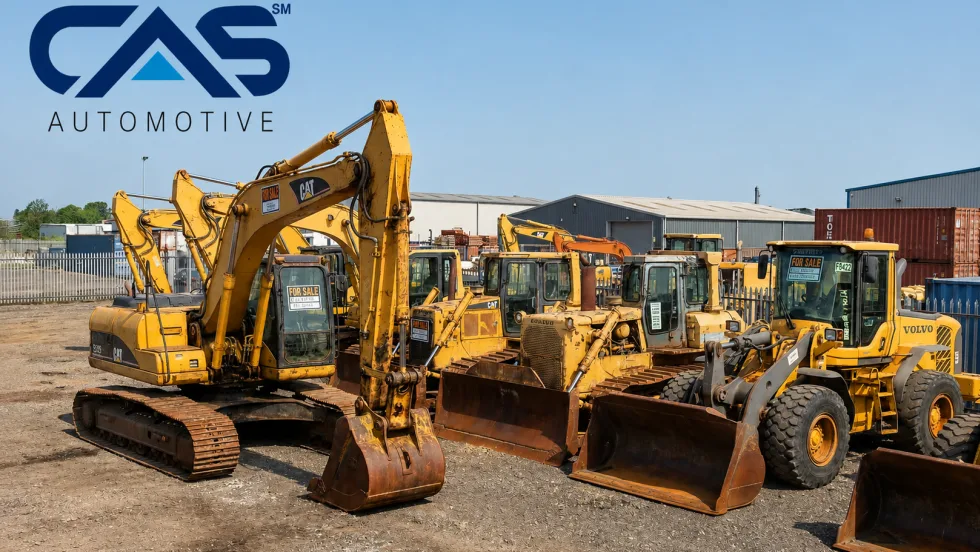
CAS Automotive Launches Remarketing Service for Damaged, Surplus Equipment
Damaged Equipment expands CAS Automotive’s vehicle remarketing model to commercial equipment, targeting fleet operators, insurers, equipment dealers, and rental companies.
Read More →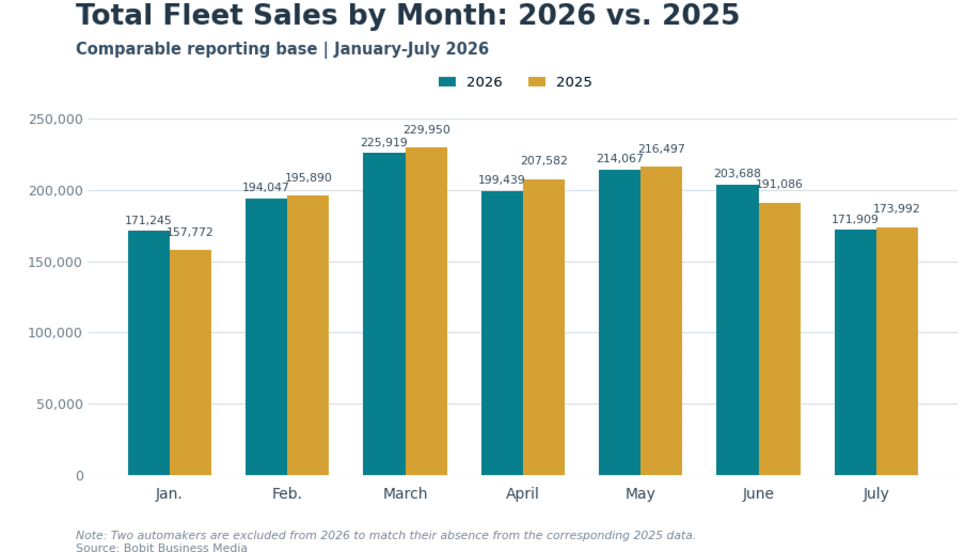
Fleet Sales Hold Steady as Commercial Gains Offset Rental Decline
Commercial and government fleet sales increased through July 2026, offsetting most of the decline in rental volume and leaving combined comparable fleet sales 0.5% above the same period last year.
Read More →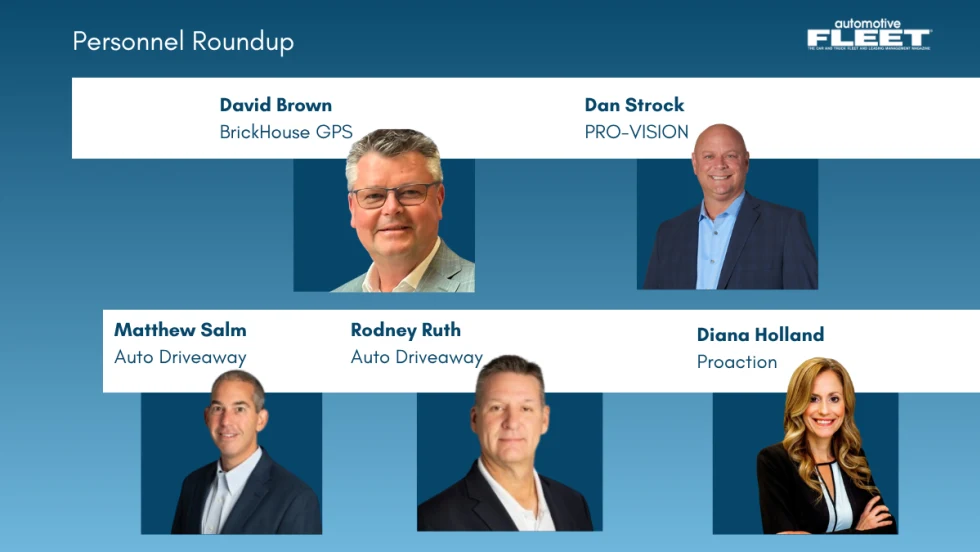
Personnel Update: BrickHouse GPS, PRO-VISION, Auto Driveaway, and Proaction
Check out the latest must-know fleet personnel updates from the last couple of months.
Read More →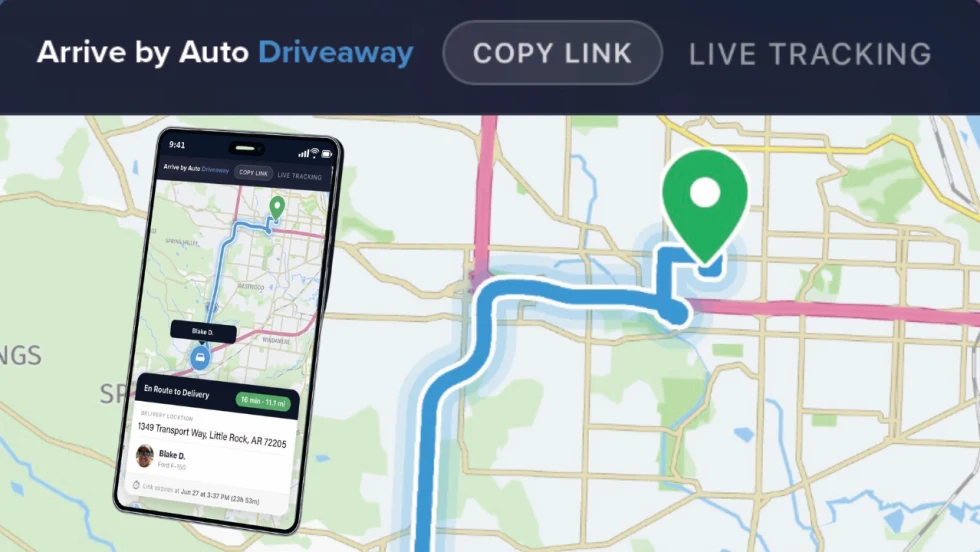
What Comes Next for Auto Driveaway?
A new Auto Driveaway feature called Arrive provides recipients with live location updates and ETAs during the final hour of a vehicle move, while fleet customers continue to have end-to-end shipment visibility through the company's customer portal.
Read More →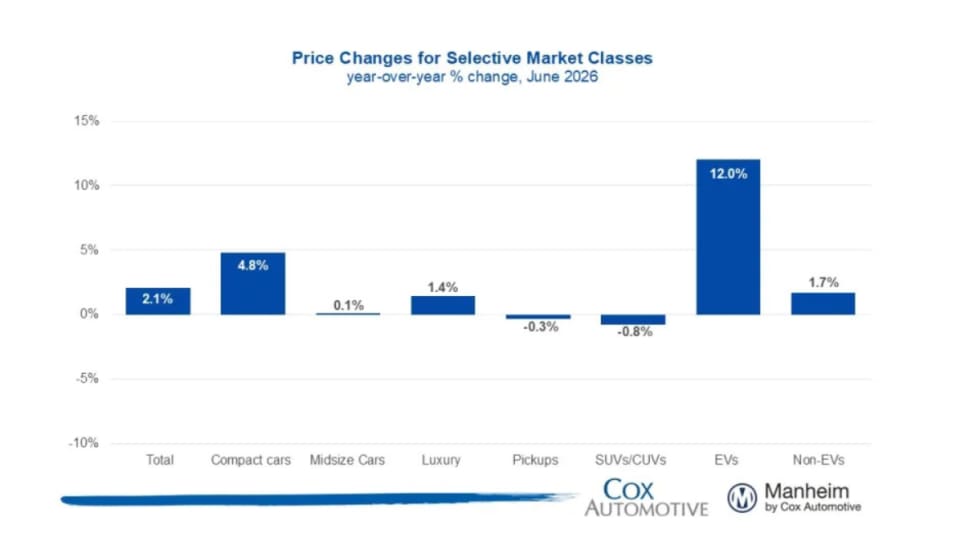
Manheim Index Shows Used-Vehicle Wholesale Prices Up 2.1% in June
The market is seeing stronger appreciation in older used vehicles this year, and the most affordable segments have been among the year’s best performers.
Read More →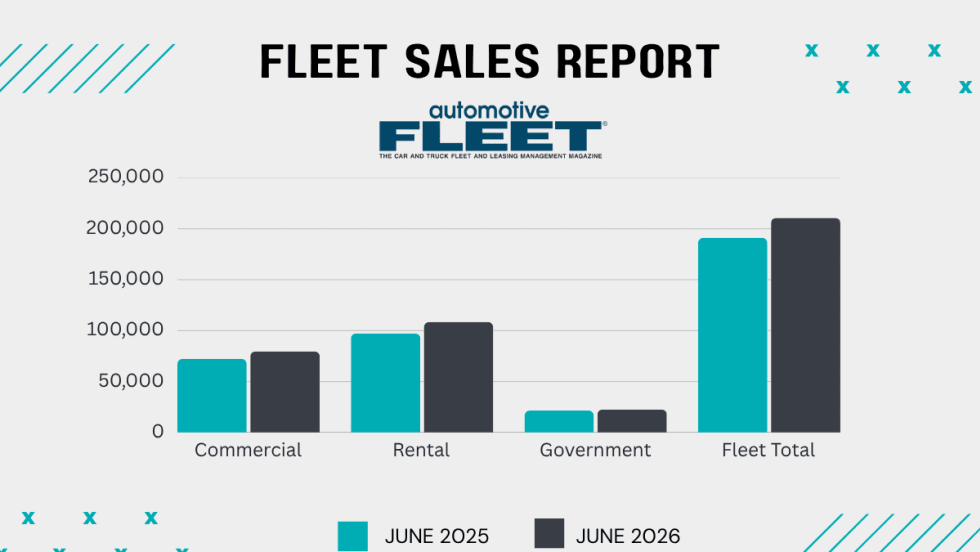
Commercial Fleet Sales Contribute To June, YTD Gains
The fleet sector has boosted its vehicle purchases at a reliable pace in the first half of this year compared with 1H 2025.
Read More →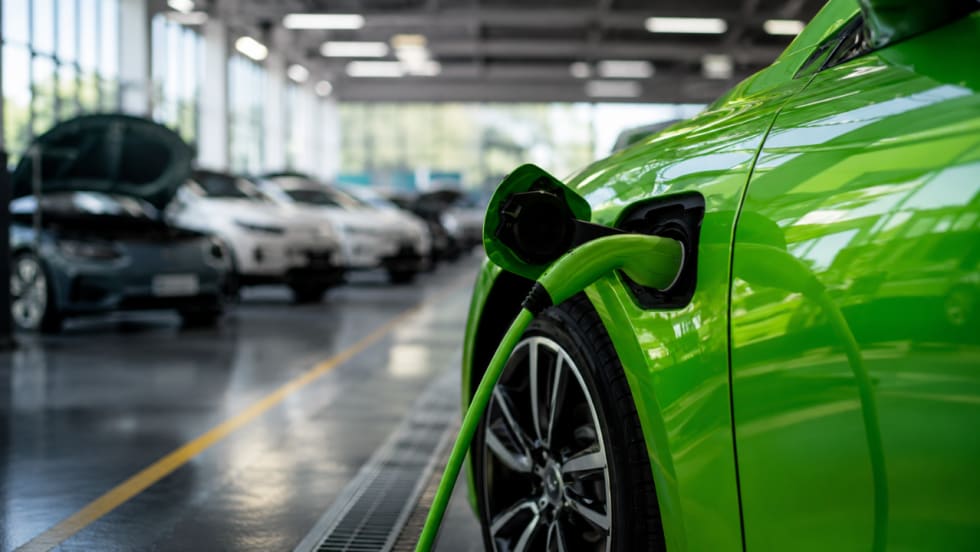
Stop Remarketing Electric Vehicles Like Gas Cars
The advantages and attributes of electric vehicles are upending the traditional remarketing cycle, requiring fleet sellers to rely on new factors and approaches detailed below.
Read More →
AP Fleet Management Expands Remarketing Program for Commercial Work Trucks
AP Fleet Management expanded its commercial vehicle remarketing program with dedicated resale services and an online marketplace for used work trucks.
Read More →
Used EVs Strengthen Overall Electric Vehicle Market
The latest sales data point to several reasons for the divergent trends in new and used EVs that can factor into fleet cycling decisions.
Read More →
The Data-Driven Haul: 5 Ways AI is Leveling the Playing Field in Auto Transport
Large and small transport fleets are becoming more competitive as predictive analytics and real-time data inform the logistics decision chain.
Read More →