




Background Article: Busting Down Media Myths on EVs
Fleet Owners Lean More Toward EVs Than ICE Vehicles
Fleet operators who run both types of vehicles are more satisfied with electric vehicles despite higher costs, a study shows.
July 24, 2024
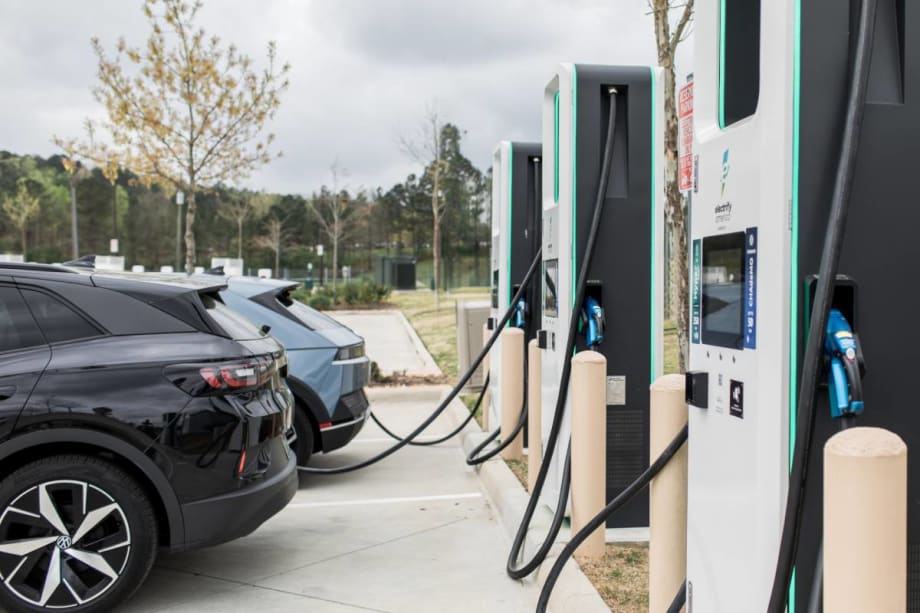
Faster charge times and longer driving range is needed to improve EV consideration. Charging station availability is a key concern for many fleet operations, a Cox Automotive study shows.
Photo: Fleetio
5 min to read
Fleet owners operating both electric vehicles (EVs) and their traditional, fuel-burning counterparts have higher levels of satisfaction with their EVs, according to new research released July 23 by Cox Automotive
A report, "The Future of Fleets: Path to EV Adoption," suggests that compared to vehicles powered by internal-combustion engines (ICE), EVs bring higher scores among fleet owners in key metrics such as “overall satisfaction,” “cost of ownership,” and “vehicle usage and capabilities.”
The Future of Fleets: Path to EV Adoption, an additional report released with Cox Automotive’s full 2024 Path to EV Adoption Study published in mid-May, examines the shift toward EVs among fleet owners. Conducted in Q1 2024, the survey collected data from fleet decision-makers in various regions and across differing fleet sizes. Data shows that 14% of fleets now operate EVs, with a growing trend toward EV adoption expected in the next five years.
The study comes at a time when the retail EV market is seeing more hesitation and pushback among consumers concerned about high prices, range anxiety, and lack of adequate charging infrastructure. Individual fleet operators also have expressed anecdotally to Automotive Fleet and Charged Fleet in recent years the need to delay fleet electrification until costs decline and battery capacity and charging access improve.
“The electric-vehicle story is much larger than just the retail story,” said Zo Rahim, senior analyst of research and market intelligence at Cox Automotive, in a news release. “In many ways, electric vehicles can be an ideal solution for many fleet operations, which often have set routes of known distances, vehicles that routinely overnight in the same location, and operations that prioritize the cost of ownership. The fleet business is significant in the U.S. market, and we expect the EV share of the fleet market to expand in the coming years.”
Fleet operators that employ EVs indicate a 90% likelihood of acquiring additional EVs in the next acquisition cycle, the new study reveals. Among the total sample of fleets owners (those with and without EVs), most – 87% – expect EVs to be added to their fleets in the next five years.
When asked, fleet owners forecast that the EV share of the average fleet in five years would be 43%. Among operators managing EVs, the projected share of EVs was even higher, at 58%, suggesting those most experienced with EVs expect more rapid growth.
Importantly, the research indicates that awareness of fleet EV incentives – which can lower acquisition costs – is high among operators and viewed more favorably compared to the retail market.
However, just as in the retail business, barriers to greater EV adoption in the fleet business persist. Acquisition cost is a primary concern among fleet buyers, particularly for those considering EVs, while existing EV owners express concern about the lack of charging stations and supporting infrastructure. High prices, low mileage range, and battery replacement costs were other reported barriers to further adoption.
EV Repair and Maintenance Frequency Higher than ICE Vehicles
With maintenance and repairs – a cornerstone of the fleet business which values uptime and low cost of ownership – fleet operators that employ both EVs and ICE vehicles are more satisfied with their EV vehicles. The survey results indicate EVs have a slightly higher frequency of service compared to ICE vehicles, but nearly half of EV fleet owners (48%) are more satisfied with their EV products. Comparatively, 27% of owners are more satisfied with their ICE products when it comes to service; 24% see no difference in satisfaction level between ICE and EV products.
Wear-and-tear services such as tires and brakes are the most regularly serviced items among EV fleet owners. Emergency services are relatively low overall across all products but higher among EVs compared to gasoline and diesel vehicles.
Overall Satisfaction Higher with EVs
Among fleet operators who run both powertrains, EVs have the highest “overall satisfaction” and “total costs of ownership” satisfaction scores. When asked about the “ability to complete the business purpose” and “vehicle usage and capability,” EV satisfaction scores were higher than ICE scores, although about four in 10 respondents judged them to be about the same.
“It is a good sign that overall satisfaction with EV in the fleet business is relatively high,” added Rahim. “There are certainly challenges in shifting a business away from traditional ICE powertrains, but if owners and operators are generally satisfied with the outcome and see tangible savings, EV adoption could certainly accelerate through the end of the decade.”
Five Points Toward the Future of EVs
In all, the Path to EV Adoption report has 5 key takeaways:
EVs are Coming: While only 14% of fleets operate EVs today, most fleets expect to own an EV in the next five years. The greatest adoption will come from fleets that already own and operate EVs.
Costs Challenges to Consider: Current factors around cost are reasons many fleets are not considering an EV. However, fleet EV incentive awareness is high and viewed favorably compared to the retail market.
Charging Infrastructure Top of Mind: Faster charge times and longer driving range is needed to improve EV consideration. Charging station availability is a key concern for many fleets.
Service and Maintenance Opportunities: EVs see maintenance services – including emergency service – performed slightly more often than ICE vehicles.
Satisfaction with EVs: Generally speaking, fleet owners are more satisfied with EVs, including in total cost of ownership and capabilities.
Topics:Fleet electrificationElectric Vehiclescharging infrastructureFleet EfficiencyFleet CostsFleet OperationsICE modelsFleet
Originally posted on Automotive Fleet
More Fleet

Acertus Acquires Fisher Shipping, CEO to Join Acertus
Fisher Shipping will retain its brand and team, while its customers gain access to Acertus’ transportation, storage, vehicle care, and title and registration services.
Read More →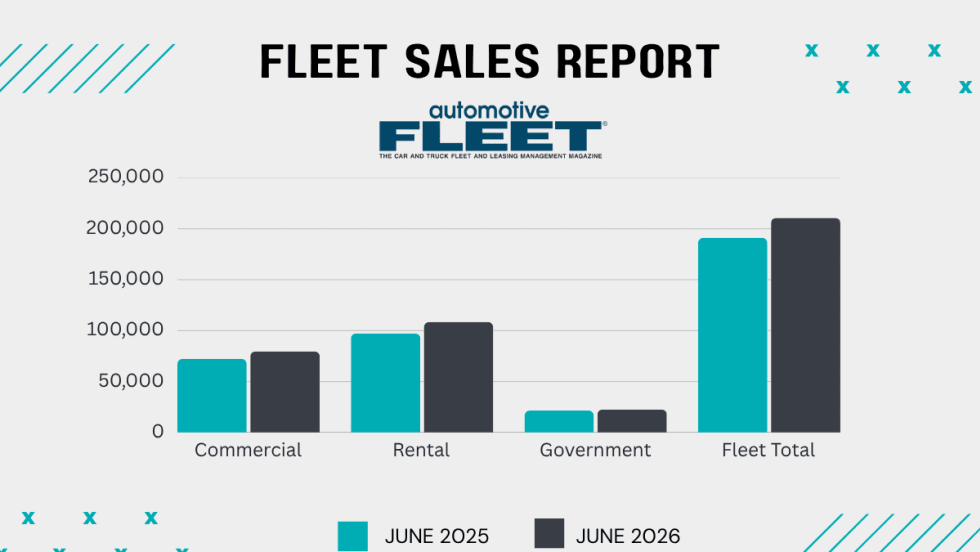
Commercial Fleet Sales Contribute To June, YTD Gains
The fleet sector has boosted its vehicle purchases at a reliable pace in the first half of this year compared with 1H 2025.
Read More →
Registration Opens for 2026 Fleet Forward Conference
Held on the East Coast for the first time, the Washington, D.C.-area event features expert-led education, a new IIHS Crash Test Experience, and collocation with the NAFA’s Fleet Safety Symposium.
Read More →
AP Fleet Management Expands Remarketing Program for Commercial Work Trucks
AP Fleet Management expanded its commercial vehicle remarketing program with dedicated resale services and an online marketplace for used work trucks.
Read More →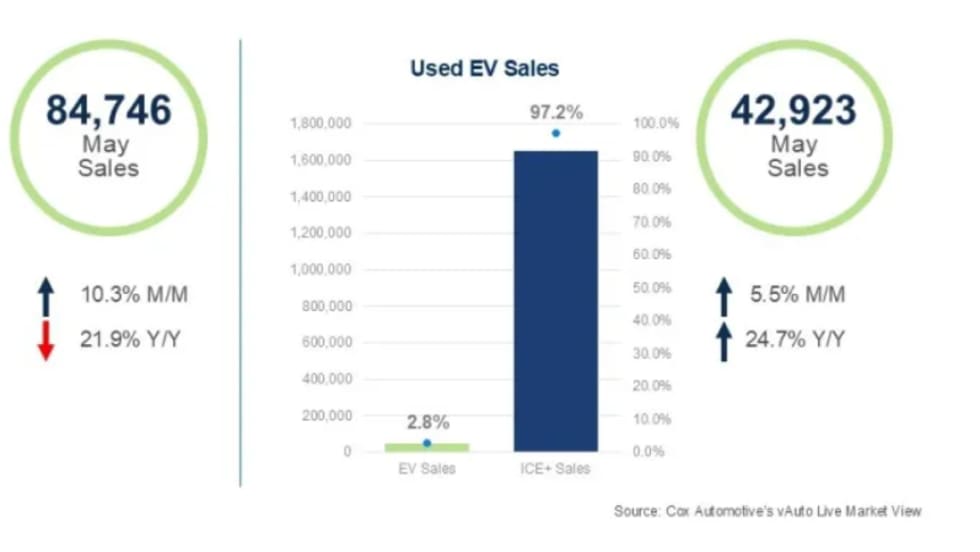
Used EVs Strengthen Overall Electric Vehicle Market
The latest sales data point to several reasons for the divergent trends in new and used EVs that can factor into fleet cycling decisions.
Read More →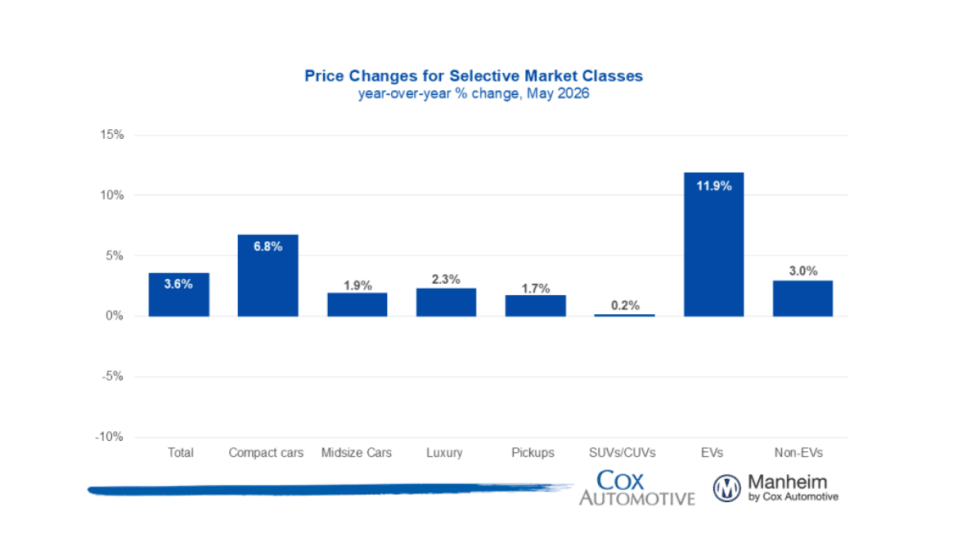
Wholesale Used Vehicle Market Sustains Moderate Rise In Values, Prices
Trends continue to normalize after a strong start to the year, as consumers contend with higher gas prices in the coming summer months.
Read More →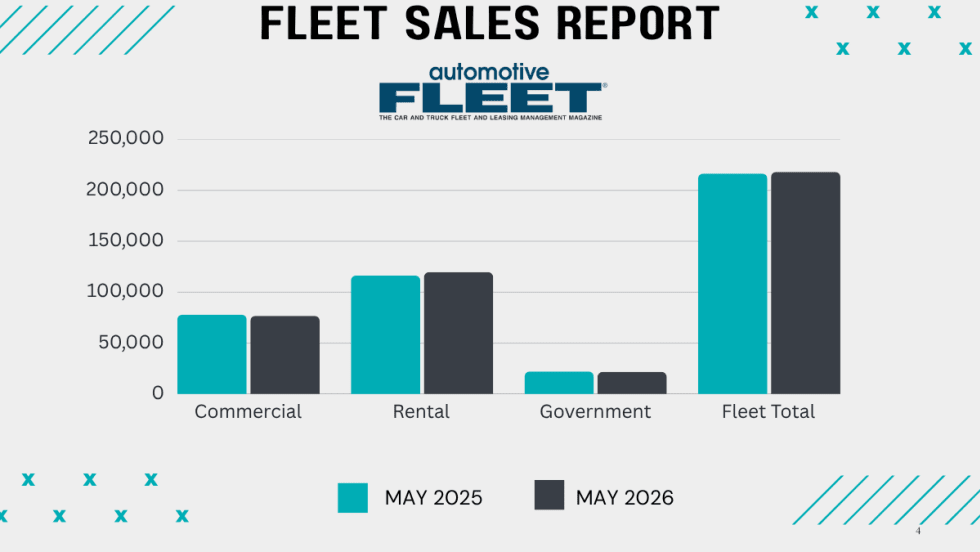
Commercial Fleet Sales Still Lead Sectors Despite May Mini Dip
The U.S. economy's continued growth and positive business investment are creating a favorable environment for fleet vehicle demand.
Read More →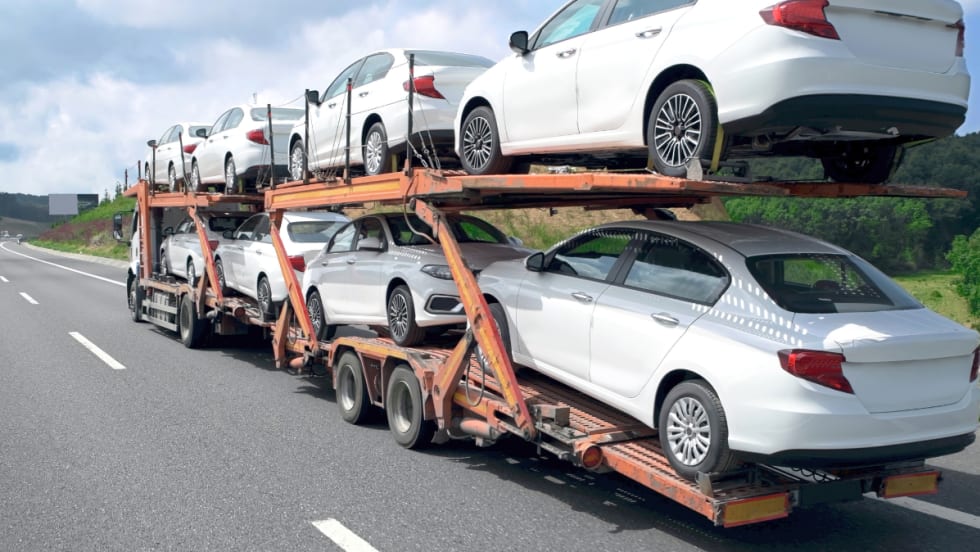
The Data-Driven Haul: 5 Ways AI is Leveling the Playing Field in Auto Transport
Large and small transport fleets are becoming more competitive as predictive analytics and real-time data inform the logistics decision chain.
Read More →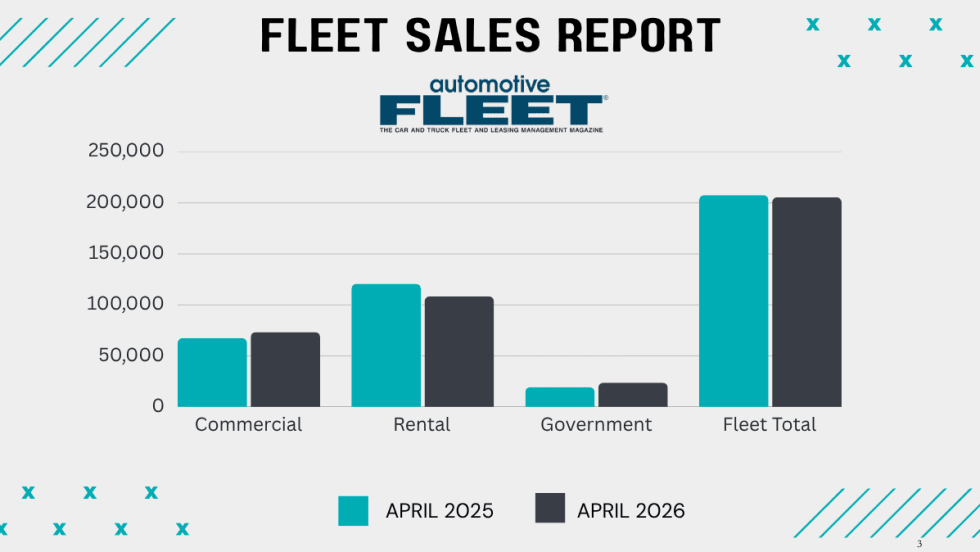
Commercial Fleet Sales Show Healthy Gains
So far, the fleet sector is outshining government and rental fleet sales this year as economic growth spurs more business investment.
Read More →
CAR 2026 Recap Part 2: Closing the Gap Between Data & Remarketing Value
The second half of CAR 2026 examined how fleets can translate lifecycle strategy, vehicle data, and market shifts into higher real-world results.
Read More →