




Related news: Sales Growing for Zero Emission Vehicles
Electric Vehicle Shopping Hits New Heights
A Kelly Blue Book report shows growing interest in electric and green vehicles, especially SUVs.
May 11, 2021
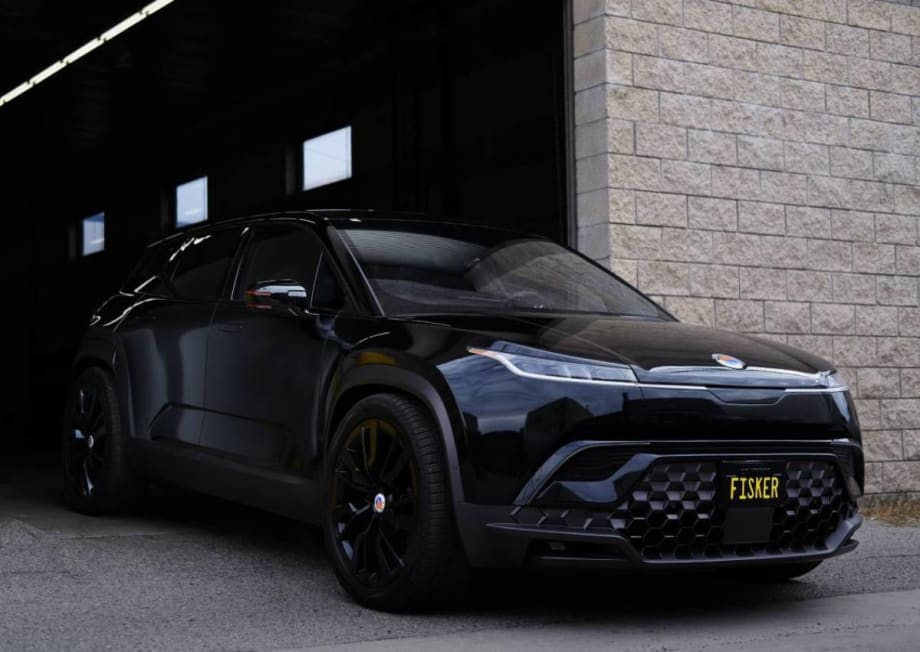
Fisker Inc., a designer and maker of electric vehicles and advanced mobility solutions, on March 9 passed 14,000 reservations for its Ocean SUV.
Photo: Fisker
4 min to read
Consumer shopping for electrified and fuel-cell vehicles, including hybrids, plug-in hybrids and pure electric vehicles (EVs), hit new heights in the first quarter of 2021 according to a new report from Kelley Blue Book.
In addition, a record percentage of shoppers considered an SUV, while shopping for traditional cars steadied and pickup trucks declined among in-market new-car shoppers. Details of these findings, brand and model rankings, and much more are featured in the recently published Kelley Blue Book Q1 2021 Brand Watch report for non-luxury vehicles.
The Kelley Blue Book Brand Watch report is a consumer perception survey that also weaves in consumer shopping behavior to determine how a brand or model stacks up with its segment competitors on a dozen factors key to a consumer's buying decision. Kelley Blue Book produces a separate Brand Watch report for non-luxury and luxury brands each quarter.
"As automakers introduce more electrified vehicles in their vehicle line-up, we are seeing shopping consideration increase and ultimately sales follow," said Vanessa Ton, senior industry intelligence manager for Kelley Blue Book. "At the same time, SUVs continue to dominate the new-vehicle marketplace. Shoppers are enticed by their comfort, safety and practical utility, and automakers are responding to increased demand by producing more and more new SUV nameplates of various sizes to meet consumer needs and desires. SUV-dominated brands like Subaru are riding the wave of SUV success, and this trend shows no signs of slowing down."
Shopping for electrified vehicles (hybrids, plug-in hybrids and pure EVs), hit new highs in the first quarter of 2021, with 19% of all shoppers considering an electrified vehicle. Hybrid models from Japanese brands – specifically Toyota and Honda – comprised most of the Top 10 most-shopped electrified vehicles list, with the Toyota RAV4 hybrid at No. 1.
Other vehicles making the most-shopped electrified list include the Honda CR-V, Toyota Highlander, Toyota Prius, Honda Accord, Toyota Camry and Toyota Prius Prime. The only pure EVs on the most-shopped electrified list were luxury models from Tesla, including the Model 3, Model Y and Model S. This record-setting shopping consideration for electrified vehicles also converted to sales, with Q1 2021 sales of electrified vehicles growing 81% year-over-year and hitting 300,000 units for the first time.
Meanwhile, SUVs were the overall big winner for Q1 2021, including a new milestone featuring a record 67% of all shoppers considering an SUV. Japanese brands dominated SUV shopping, with the Honda CR-V retaining its title of most-shopped SUV and making a healthy 9% gain in consideration. Subaru made the biggest advance overall with significant shopping growth for the Outback and Forester, both of which were among the Top 5 most-shopped SUVs and Top 10 most-shopped vehicles overall.
The Subaru Outback had the highest increase in shopping consideration of any non-luxury vehicle, up a hefty 34% from the previous quarter, and the model may gain further momentum as Subaru introduces the Outback Wilderness trim package in the second quarter. Forrester had the second-highest increase in shopping consideration, up 18%, which made it the fourth most-shopped SUV.
While SUVs soared, consumer consideration for traditional cars stopped freefalling, holding steady for now and being led by stalwart midsize cars like the No. 1 Honda Accord. Exactly a third of consumers considering a non-luxury vehicle considered a car in Q1 2021, up from 31% in Q4 2020 but well off the 37% seen one year ago in Q1 2020. For comparison, shopping consideration for cars was just shy of 50% in 2018, and it has been in decline ever since. Cars generally remain out of favor, with sales of cars now below a quarter of all vehicles sold.
At the same time, shopping for pickup trucks has taken a breather after hitting a record high of 37% consideration in 2020. In Q1 2021, only 29% of all non-luxury shoppers considered a pickup truck, the lowest level since Q4 2019. The ongoing global computer chip shortage that prompted production cuts particularly affected pickups in Q1 2021, so low supply may have scared off prospective truck shoppers. Despite a 16% decline in shopping consideration, the Ford F-150 reigned once again as the most-shopped truck.
Kelley Blue Book Brand Watch is an online brand and model perception tracking study, which taps into more than 12,000 in-market new-vehicle shoppers annually on KBB.com. The highly comprehensive study offers insight into how shoppers perceive important factors driving their purchase decisions and captures brand/model familiarity and loyalty among new-car shoppers.
More information:Q1 2021 Kelley Blue Book Brand Watch report for non-luxury vehicles, including brand and model rankings, details on the factors most important to new-car shoppers.
Originally posted on Charged Fleet
More Operations

CAS Automotive Launches Remarketing Service for Damaged, Surplus Equipment
Damaged Equipment expands CAS Automotive’s vehicle remarketing model to commercial equipment, targeting fleet operators, insurers, equipment dealers, and rental companies.
Read More →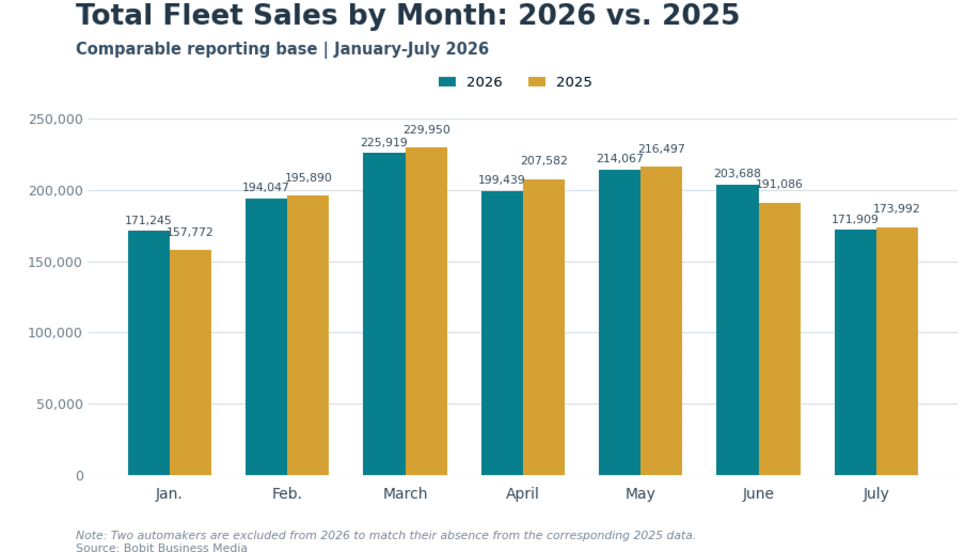
Fleet Sales Hold Steady as Commercial Gains Offset Rental Decline
Commercial and government fleet sales increased through July 2026, offsetting most of the decline in rental volume and leaving combined comparable fleet sales 0.5% above the same period last year.
Read More →
Personnel Update: BrickHouse GPS, PRO-VISION, Auto Driveaway, and Proaction
Check out the latest must-know fleet personnel updates from the last couple of months.
Read More →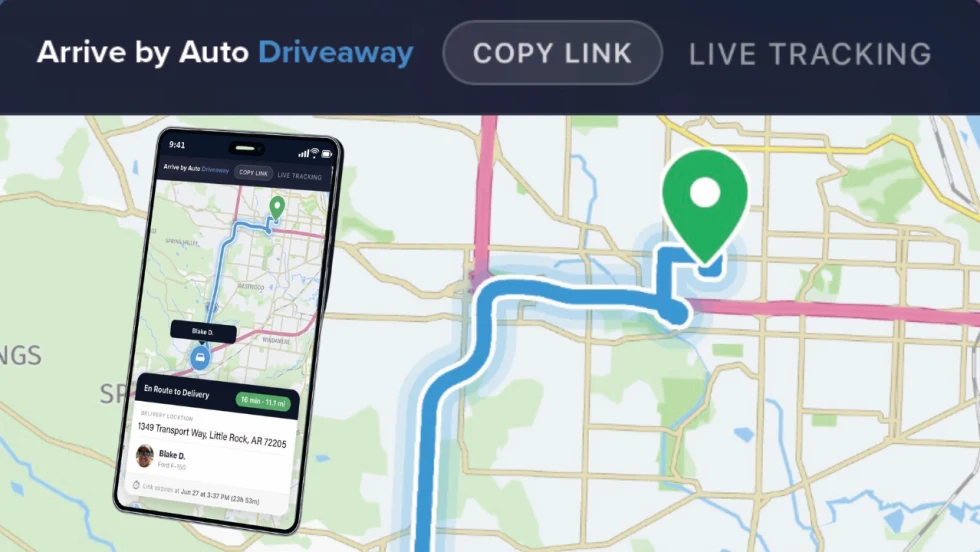
What Comes Next for Auto Driveaway?
A new Auto Driveaway feature called Arrive provides recipients with live location updates and ETAs during the final hour of a vehicle move, while fleet customers continue to have end-to-end shipment visibility through the company's customer portal.
Read More →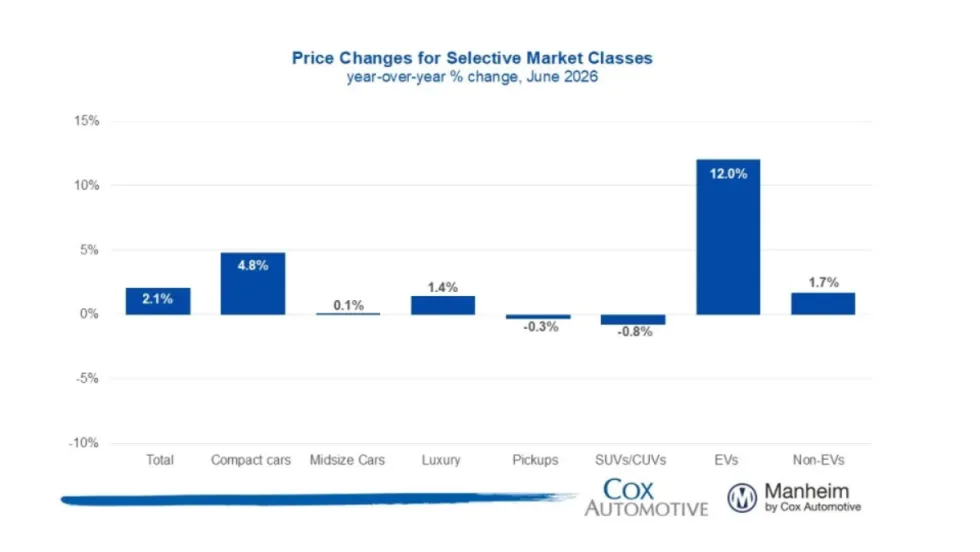
Manheim Index Shows Used-Vehicle Wholesale Prices Up 2.1% in June
The market is seeing stronger appreciation in older used vehicles this year, and the most affordable segments have been among the year’s best performers.
Read More →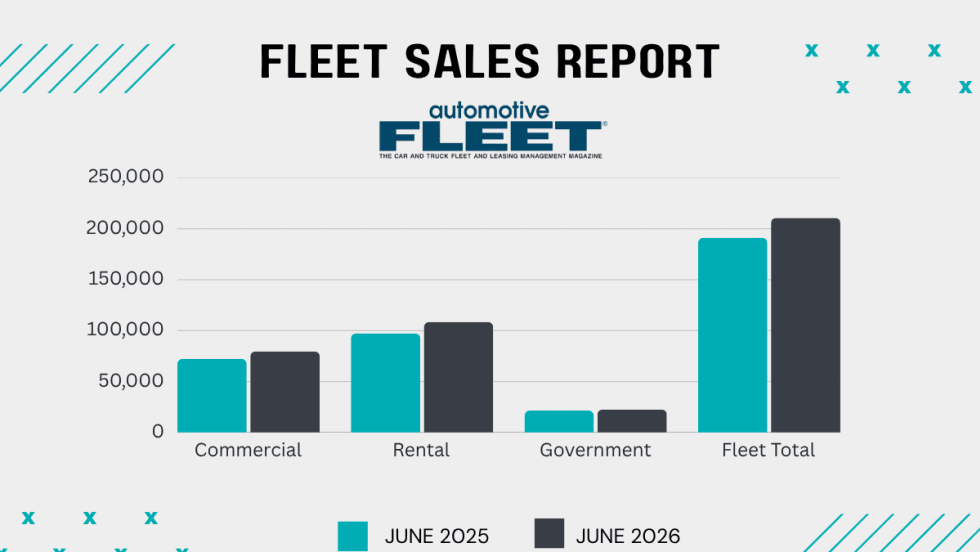
Commercial Fleet Sales Contribute To June, YTD Gains
The fleet sector has boosted its vehicle purchases at a reliable pace in the first half of this year compared with 1H 2025.
Read More →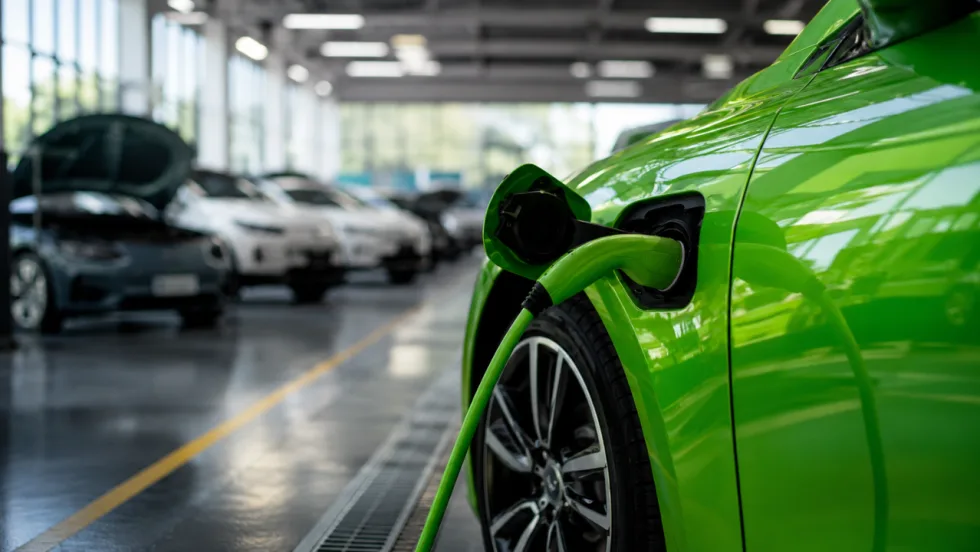
Stop Remarketing Electric Vehicles Like Gas Cars
The advantages and attributes of electric vehicles are upending the traditional remarketing cycle, requiring fleet sellers to rely on new factors and approaches detailed below.
Read More →
AP Fleet Management Expands Remarketing Program for Commercial Work Trucks
AP Fleet Management expanded its commercial vehicle remarketing program with dedicated resale services and an online marketplace for used work trucks.
Read More →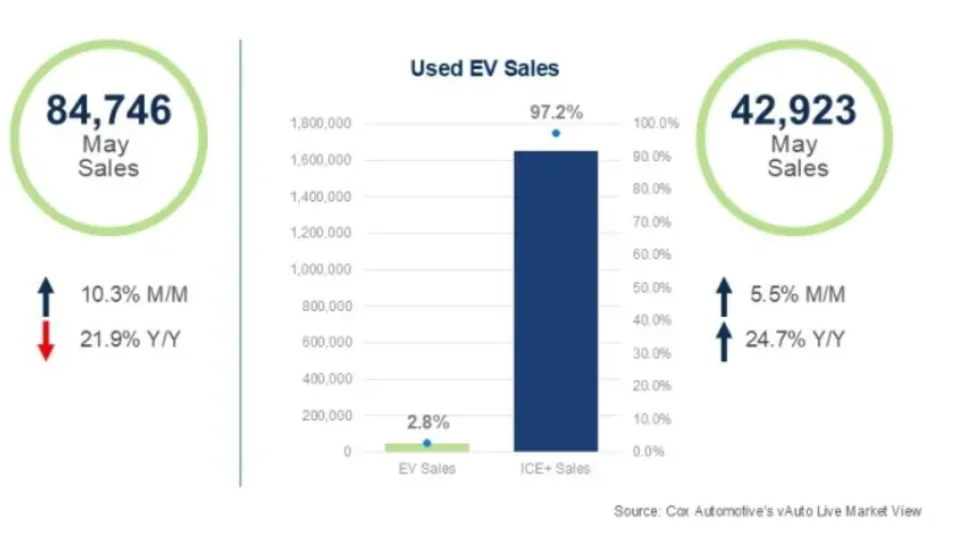
Used EVs Strengthen Overall Electric Vehicle Market
The latest sales data point to several reasons for the divergent trends in new and used EVs that can factor into fleet cycling decisions.
Read More →
The Data-Driven Haul: 5 Ways AI is Leveling the Playing Field in Auto Transport
Large and small transport fleets are becoming more competitive as predictive analytics and real-time data inform the logistics decision chain.
Read More →