



Edmunds.com Reports European Automakers Increase Incentives
SANTA MONICA, CA - Edmunds.com, an online resource for automotive information, reported on March 3 that the average manufacturer automotive incentive in the United States was $2,369 per vehicle sold in February 2005, down $90, or 3.7 percent, from February 2004, and down $39, or 1.6 percent, from January 2005.
SANTA MONICA, CA - Edmunds.com/, an online resource for automotive information, reported on March 3 that the average manufacturer automotive incentive in the United States was $2,369 per vehicle sold in February 2005, down $90, or 3.7 percent, from February 2004, and down $39, or 1.6 percent, from January 2005.
Edmunds.com's monthly True Cost of Incentives report takes into account all of the automakers' various U.S. incentives programs, including subvented interest rates and lease programs as well as cash rebates to consumers and dealers. To ensure the greatest possible accuracy, Edmunds.com bases its calculations on sales volume, including the mix of vehicle makes and models for each month, as well as on the proportion of vehicles for which each type of incentive was used.
Overall, combined incentives spending for domestic Chrysler, Ford and General Motors nameplates averaged $3,161 per vehicle sold in February, down $125 from January 2005, and gained market share, increasing from 57.0 percent to 57.6 percent of the total U.S. market. Chrysler increased incentives spending by $122 to $3,307 per vehicle sold in February and gained 0.9 percent market share, capturing 14.9 percent of the U.S. market, the highest since February 2001. In February Ford decreased incentives by $158 to $2,675 per vehicle sold -- the fifth consecutive monthly decrease -- and grew its market share by 1.5 percent to 18.8 percent. General Motors decreased incentives spending by $228 to $3,420 per vehicle sold in February, while its market share dropped by 1.7 percent to 24.0 percent, a record low.
In February, Korean automakers increased incentives spending by $50 to an average of $1,617 per vehicle sold, and gained 0.3 percent market share, reaching 4.4 percent of the U.S. market. European automakers increased incentives spending by $173 to average $1,989 per vehicle sold, and lost 0.4 percent market share, falling to 6.0 percent of the U.S. market, the lowest total since February 2001. Japanese automakers decreased incentives spending by $30 to average $1,049 per vehicle sold in February, and lost 0.4 percent market share, dropping to 31.9 percent of the U.S. market.
Comparing all brands, in February Mini spent the least on incentives, $21, while Porsche spent only $78 and Scion spent $116 per vehicle sold. At the other end of the spectrum, Lincoln was the biggest spender at $5,513 in February, followed by Jaguar at $4,657 and Cadillac at $4,599 per vehicle sold. Looking at incentives expenditures as a percentage of MSRP for each brand, Pontiac spent the most, 14.6 percent, while Porsche and Mini each spent the least, 0.1 percent.
Among vehicle segments, large SUVs had the highest average incentives, $4,120 per vehicle sold, while sports cars had the lowest average incentives per vehicle, $920. Looking at incentives expenditures as a percentage of MSRP for each segment, midsize cars were the highest at 10.2 percent, while sports cars were the lowest at 3.2 percent. Mid-size SUVs have lost the most market share since February 2004, decreasing from 12.6 percent to 11.7 percent. Large cars have gained the most market share during that period, up from 5.0 percent to 6.3 percent of the new vehicle market.
More Operations
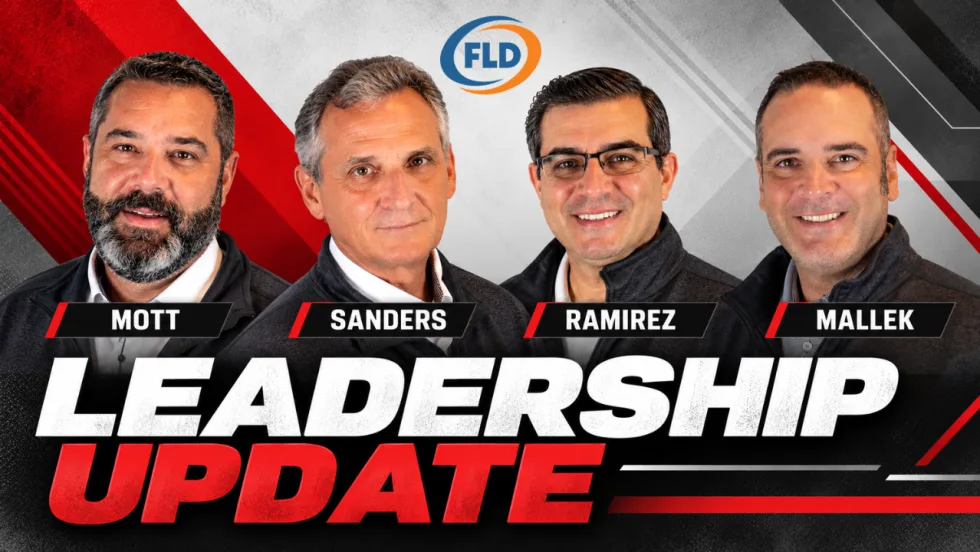
FLD Promotes Three Executives in Leadership Changes
FLD has promoted three longtime executives, naming Gary Mott CEO, Richard Mallek president, and Ron Sanders managing partner.
Read More →
CAS Automotive Launches Remarketing Service for Damaged, Surplus Equipment
Damaged Equipment expands CAS Automotive’s vehicle remarketing model to commercial equipment, targeting fleet operators, insurers, equipment dealers, and rental companies.
Read More →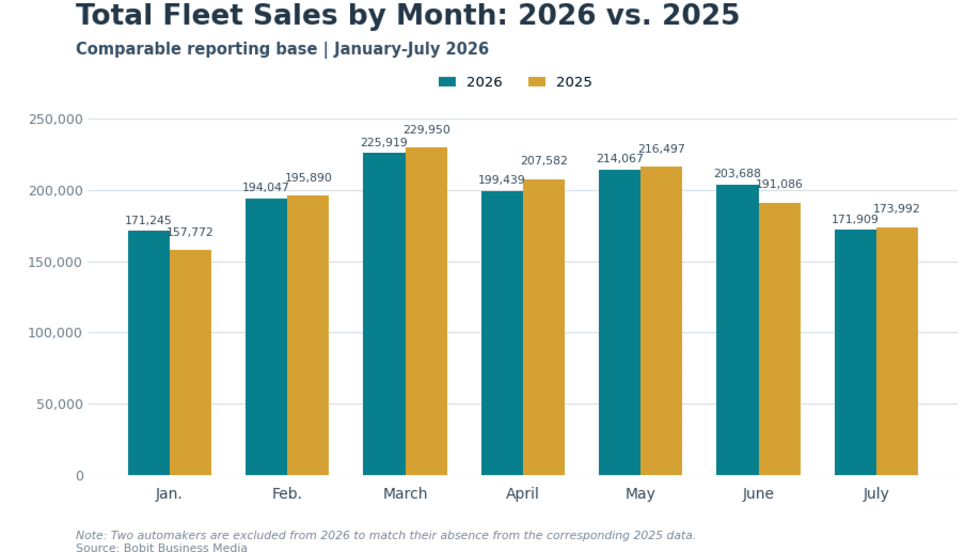
Fleet Sales Hold Steady as Commercial Gains Offset Rental Decline
Commercial and government fleet sales increased through July 2026, offsetting most of the decline in rental volume and leaving combined comparable fleet sales 0.5% above the same period last year.
Read More →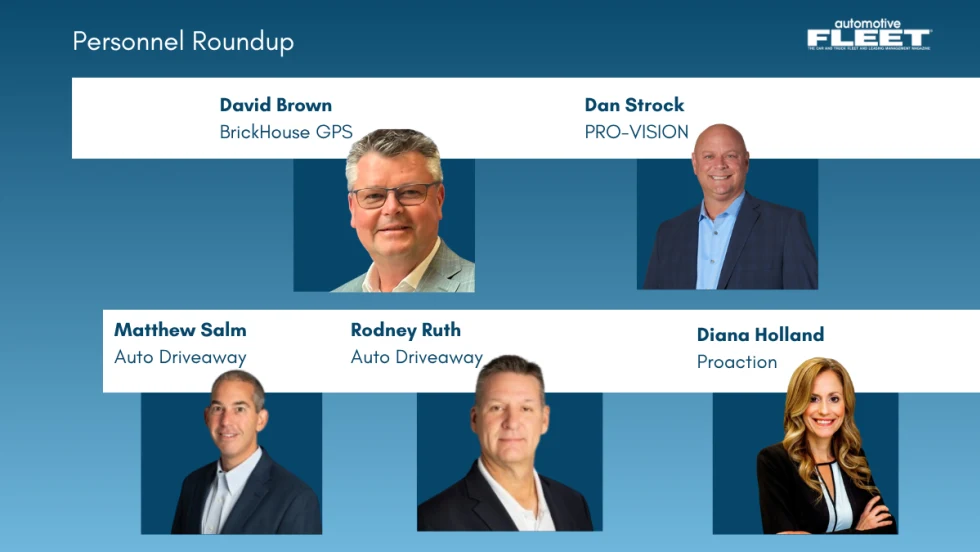
Personnel Update: BrickHouse GPS, PRO-VISION, Auto Driveaway, and Proaction
Check out the latest must-know fleet personnel updates from the last couple of months.
Read More →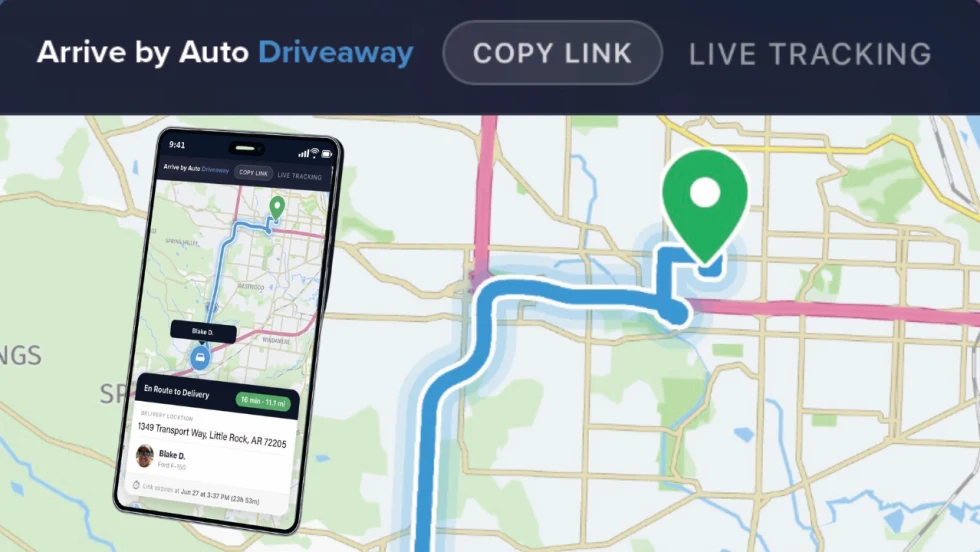
What Comes Next for Auto Driveaway?
A new Auto Driveaway feature called Arrive provides recipients with live location updates and ETAs during the final hour of a vehicle move, while fleet customers continue to have end-to-end shipment visibility through the company's customer portal.
Read More →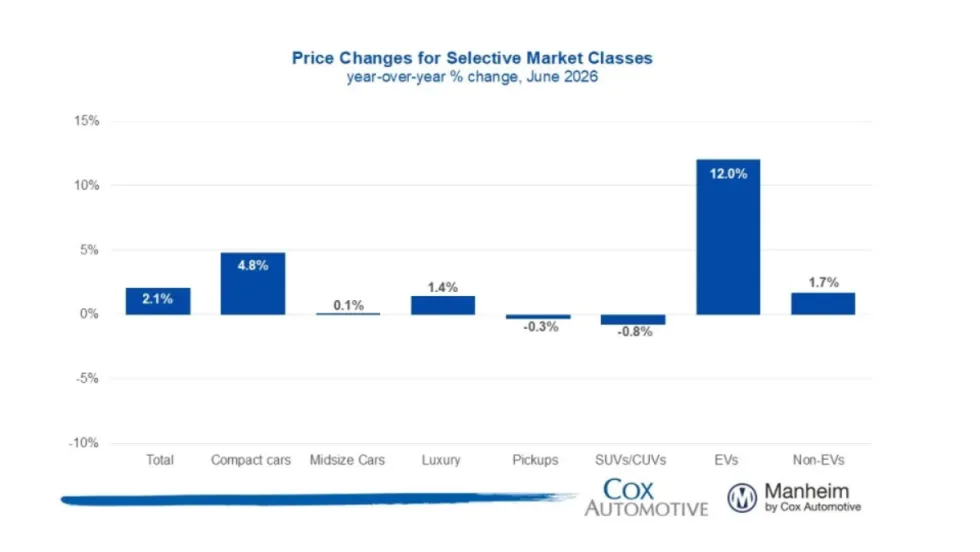
Manheim Index Shows Used-Vehicle Wholesale Prices Up 2.1% in June
The market is seeing stronger appreciation in older used vehicles this year, and the most affordable segments have been among the year’s best performers.
Read More →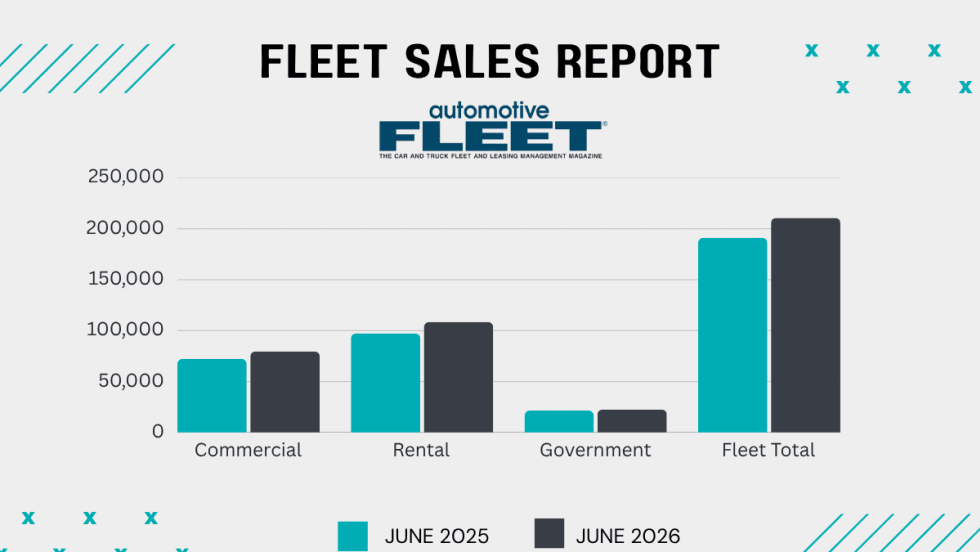
Commercial Fleet Sales Contribute To June, YTD Gains
The fleet sector has boosted its vehicle purchases at a reliable pace in the first half of this year compared with 1H 2025.
Read More →
Stop Remarketing Electric Vehicles Like Gas Cars
The advantages and attributes of electric vehicles are upending the traditional remarketing cycle, requiring fleet sellers to rely on new factors and approaches detailed below.
Read More →
AP Fleet Management Expands Remarketing Program for Commercial Work Trucks
AP Fleet Management expanded its commercial vehicle remarketing program with dedicated resale services and an online marketplace for used work trucks.
Read More →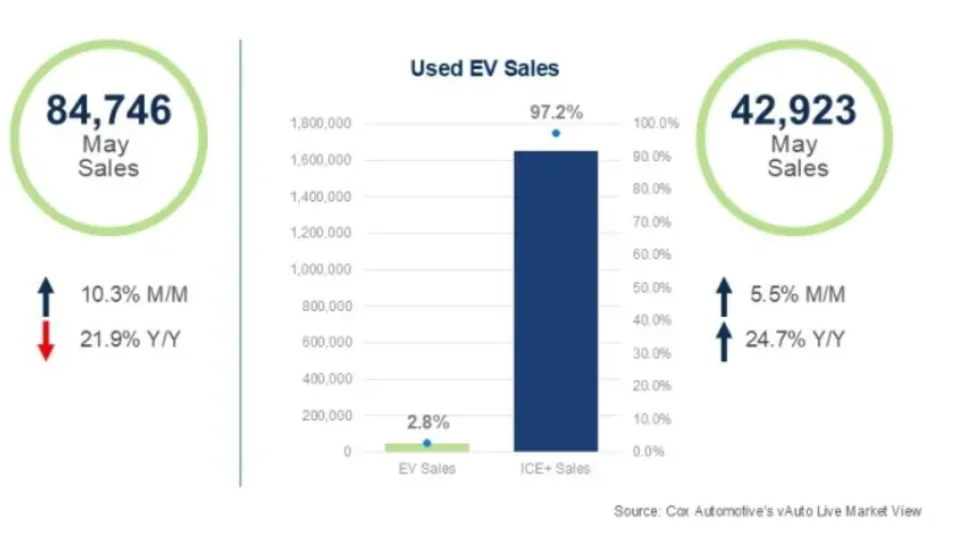
Used EVs Strengthen Overall Electric Vehicle Market
The latest sales data point to several reasons for the divergent trends in new and used EVs that can factor into fleet cycling decisions.
Read More →