



Consumers Prioritizing Vehicle Tech Over Brand
Nearly half of consumers (48%) prioritize in-vehicle technology over brand and body style, according to the 2017 Autotrader Car Tech Impact Study.
Nearly half of consumers (48%) prioritize in-vehicle technology over brand and body style, according to the 2017 Autotrader Car Tech Impact Study.
Released on Sunday at the 2017 North American International Auto Show, the report showed a growing number of consumers believe certain safety technologies, including blind-spot detection and forward collision warning, should come standard on all vehicles in the United States. Convenience and entertainment options also ranked high on consumers’ preferred list of technology features.
“Technology has become the deciding factor for car buyers selecting a vehicle,” said Michelle Krebs, Autotrader senior analyst. “Automakers must deliver innovative features or risk consumers looking elsewhere.”
The study also shows that 56% of car shoppers have done their research and know exactly what in-vehicle technology they are interested in before they visit a dealership. Younger car buyers, 18- to 34-year-olds in particular, are generally more tech savvy and are less willing to compromise on the features they want.
Additionally, 70% of respondents noted they would consider paying more for driver-assist technology such as blind-spot monitoring or adaptive cruise control in their next vehicle purchase. However, 65% still have concerns over system failures with self-driving cars, roughly the same number as in 2016. In general, nearly two-thirds of respondents believe new technology has improved the way they drive.
The study also indicated experience with advanced, self-driving technologies will likely lead to quicker adoption: three out of four drivers who own a vehicle with these advanced technologies (adaptive cruise, collision warning, etc.) say it helps make them a better driver and feel safer.
“And yet, despite the appeal of advanced driver-assist and technology features, the study found that convenience and entertainment features such as voice commands and Wi-Fi are still more desired,” the company stated in its press release. “Connectivity systems such as a General Motors’ OnStar, Ford’s Sync and Toyota’s EnTune; advanced, adaptive navigation systems and technology that provides wireless device charging are all high on consumer’s want list. Regardless of age or comfort with technology, 53% of consumers expect vehicle technology to be every bit as robust as smartphone technology.”
Here are additional findings from the study:
Millennials Drive Demand: Millennial drivers are willing to pay more for the technology they want, with 55% of them expecting to spend an additional $2,600 to get desired tech features.
Parents Adopt Technology: Parents are twice as likely to purchase advanced safety features than non-parents (51% vs. 22%) and three times more likely to own a vehicle with autonomous features.
Trust in Autonomous Vehicle Technology Growing: Compared to 2016, consumers are growing more comfortable with the idea of giving up control to a self-driving vehicle. In fact, 49% of respondents indicated they’d give up control in exchange for some free time not driving or watching the road (up from 35% in 2016); 17% of respondents said they would use the time to catch up on work while 16% said they would play games, both up significantly from last year.
Autonomous Technology in Unexpected Situations: Consumers are also becoming more comfortable with how a self-driving vehicle would react in unexpected situations, such as encountering a deer in the road (42% of respondents are not concerned); interacting with non-self-driving vehicles (57%) and interacting with pedestrians or bicycles (56%), all up from 2016.
The study was conducted by KS&R Inc. in partnership with Research Now on behalf of Autotrader. The online survey includes responses from 1,020 U.S. vehicle owners aged 18 or older.
More Operations

CAS Automotive Launches Remarketing Service for Damaged, Surplus Equipment
Damaged Equipment expands CAS Automotive’s vehicle remarketing model to commercial equipment, targeting fleet operators, insurers, equipment dealers, and rental companies.
Read More →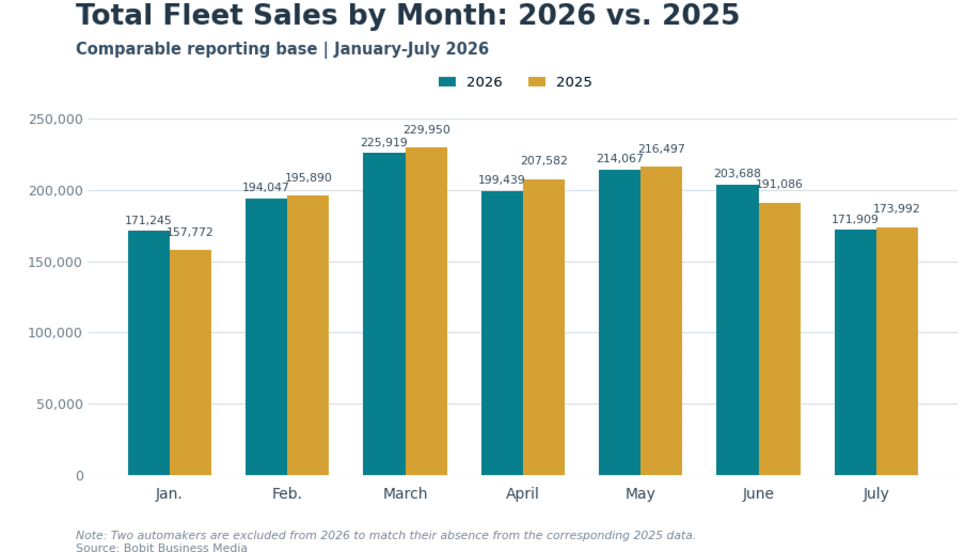
Fleet Sales Hold Steady as Commercial Gains Offset Rental Decline
Commercial and government fleet sales increased through July 2026, offsetting most of the decline in rental volume and leaving combined comparable fleet sales 0.5% above the same period last year.
Read More →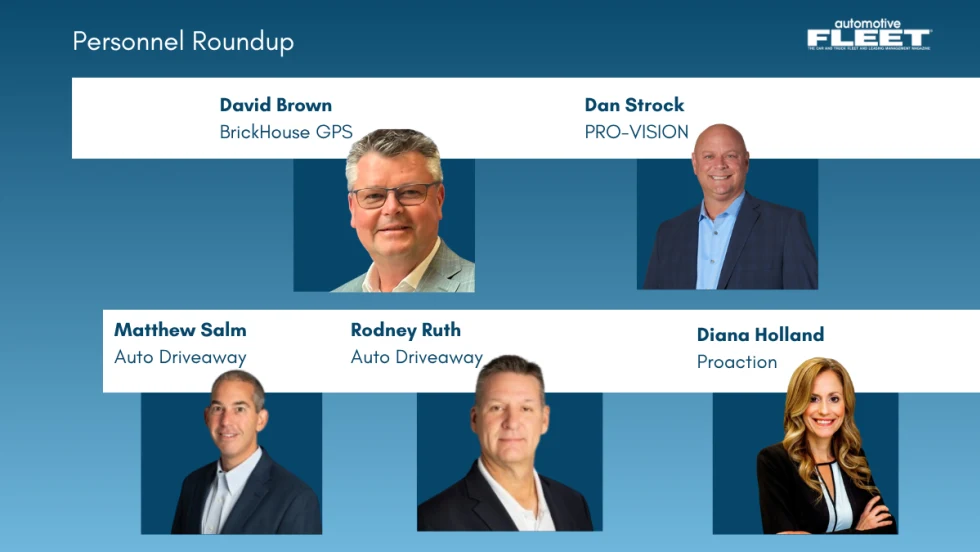
Personnel Update: BrickHouse GPS, PRO-VISION, Auto Driveaway, and Proaction
Check out the latest must-know fleet personnel updates from the last couple of months.
Read More →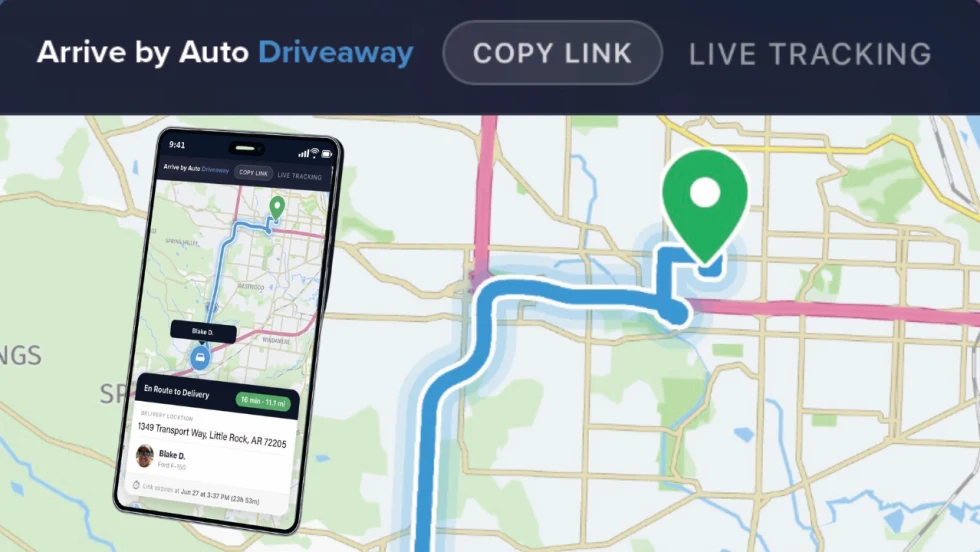
What Comes Next for Auto Driveaway?
A new Auto Driveaway feature called Arrive provides recipients with live location updates and ETAs during the final hour of a vehicle move, while fleet customers continue to have end-to-end shipment visibility through the company's customer portal.
Read More →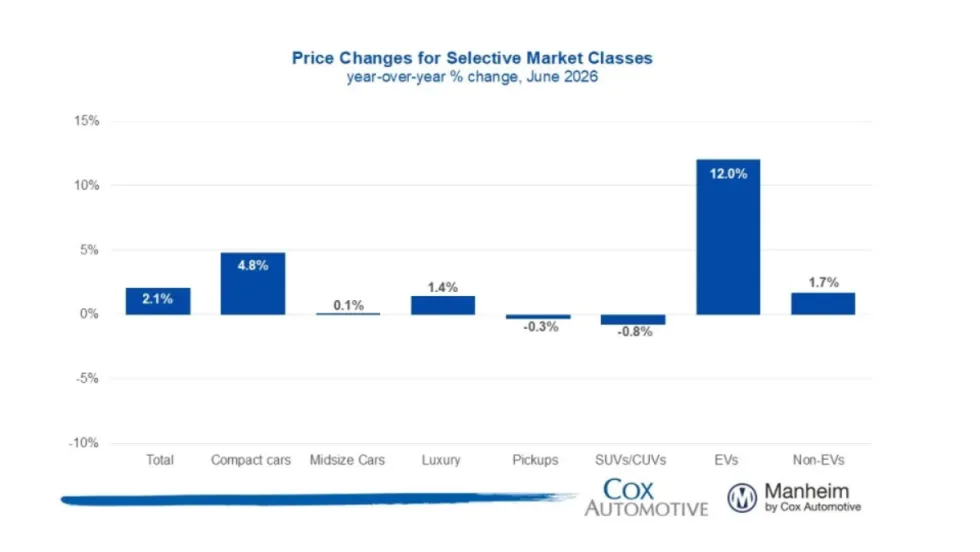
Manheim Index Shows Used-Vehicle Wholesale Prices Up 2.1% in June
The market is seeing stronger appreciation in older used vehicles this year, and the most affordable segments have been among the year’s best performers.
Read More →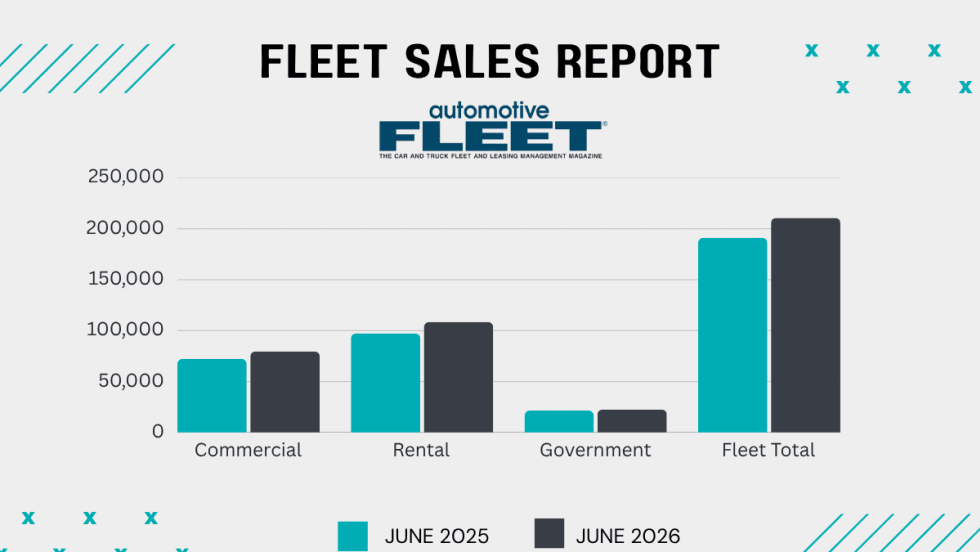
Commercial Fleet Sales Contribute To June, YTD Gains
The fleet sector has boosted its vehicle purchases at a reliable pace in the first half of this year compared with 1H 2025.
Read More →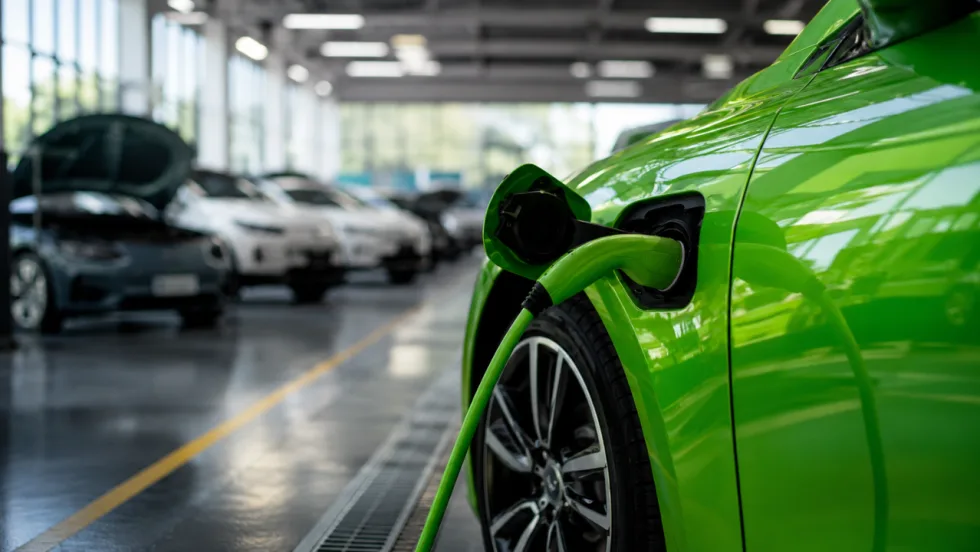
Stop Remarketing Electric Vehicles Like Gas Cars
The advantages and attributes of electric vehicles are upending the traditional remarketing cycle, requiring fleet sellers to rely on new factors and approaches detailed below.
Read More →
AP Fleet Management Expands Remarketing Program for Commercial Work Trucks
AP Fleet Management expanded its commercial vehicle remarketing program with dedicated resale services and an online marketplace for used work trucks.
Read More →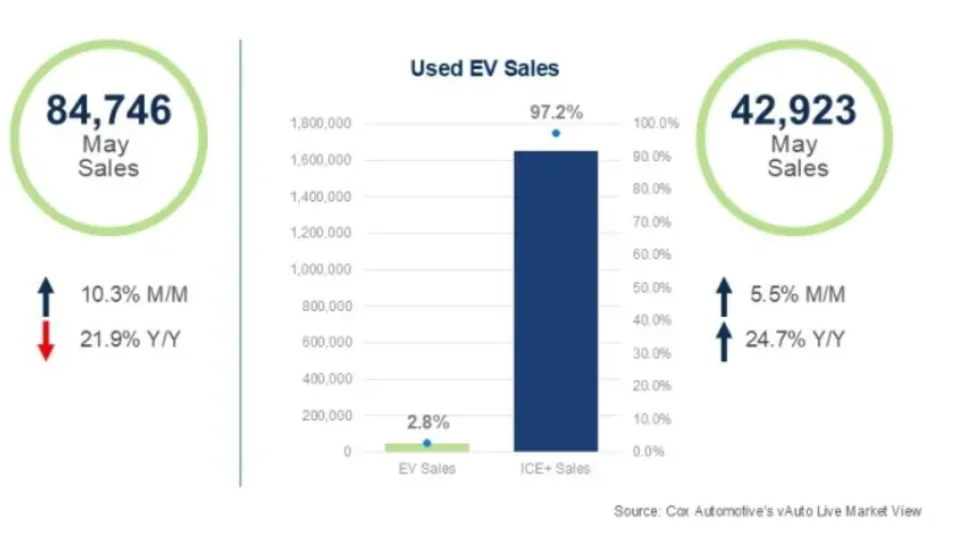
Used EVs Strengthen Overall Electric Vehicle Market
The latest sales data point to several reasons for the divergent trends in new and used EVs that can factor into fleet cycling decisions.
Read More →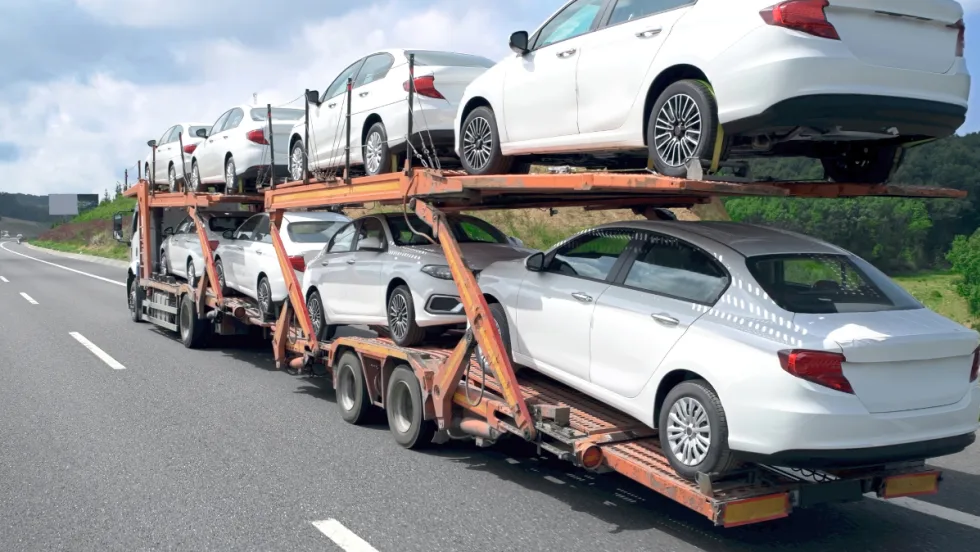
The Data-Driven Haul: 5 Ways AI is Leveling the Playing Field in Auto Transport
Large and small transport fleets are becoming more competitive as predictive analytics and real-time data inform the logistics decision chain.
Read More →