



Caution: Where Are the Worst Roads in the U.S.?
Poor road conditions can lead to crashes and can also cost fleets up to $1,049 a year per vehicle in add-on maintenance costs.

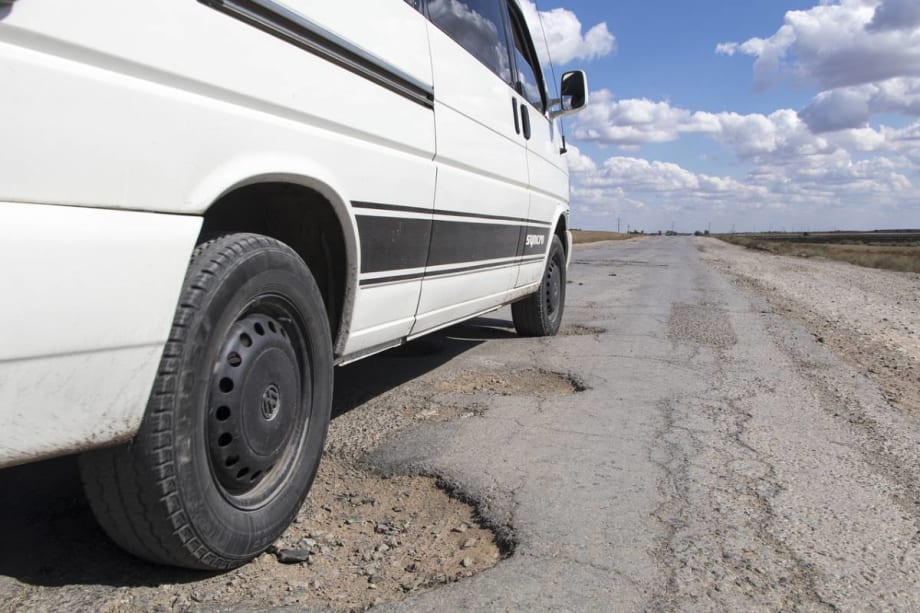
California has the worst, most damanged roads in the nation, according to data from Teletrac Navman.
Photo: Pixabay / odejacob
California is home to the nation’s worst roads, according to new data from Teletrac Navman.
Some 71% of the roads in the San Francisco-Oakland area, 64% of those in San Jose, and 57% of roads in the Los Angeles-Long Beach-Anaheim area are rated poor.
Those are the worst road ratings of any other urban areas in country.
Poorly maintained roads have become costly both for fleet owners and passenger cars. For example, San Francisco’s poor road conditions cost an average $1,049 per vehicle in maintenance and repair costs, which is the highest average repair cost in the country. In San Jose, you can expect to pay $983 more a year in repair costs per vehicle due to poor road conditions.
Disrepair Leads to Safety Hazards
Everything from giant potholes to infrastructure problems afflicts our highways and byways. While repair costs are one issue, safety is another critical concern. Studies show that poor roads are linked to more crashes.
Stakeholders at the local, state, and federal level must work diligently to improve our roadways to reduce crashes, injuries, and fatalities.
The Golden State is not the only state with bad roads. For example, Honolulu, Hawaii ranks fourth on the worst roads list — 54% of roads are considered to be poor and only 9% are considered to be good. The average cost of vehicle maintenance and repair due to bad road conditions is $851.
Tied with Honolulu at the number four spot is Milwaukee, Wisconsin, with 54% of roads being in poor condition. The average additional vehicle repair cost in Milwaukee is $944.
Other urban areas that ranked among the top 10 for worst roads include Akron and Cleveland, Ohio — each with 49% of roads rated poor, the New York, NY-Newark, NJ area with 46% of roads considered poor, Providence, Rhode Island (46%), and Philadelphia (43%).
Bad Roads Drive Up Maintenance Costs
Bad roads can cause major damage to a vehicle. Whether it’s a car, van or truck, rough or bumpy roads can damage a vehicle’s alignment. Poor alignment can also increase the wear and tear on tires, reducing their lifespan and requiring more frequent replacement. Tires are also at higher risk of becoming flat. Additionally, poor road conditions can distort a vehicle’s suspension system, which impacts the car’s ability to balance on the road.
Equipment maintenance is one of the biggest cost centers for vehicle owners, according to a survey from Teletrac Navman.
As the quality of the infrastructure decays, maintenance costs increase. A vehicle in San Francisco/Oakland costs three time more to maintain than one in Boston.
In fact, the three places with the lowest average additional maintenance costs are Rochester ($305), Boston ($306), and Portland, Oregon ($309). Noteworthy, both Boston and Portland are also on the list of cities with the highest percentages of roads categorized as good.
The top five urban areas with the highest percentage of good-rated roads are Orlando, with 69% of roads deemed good, Atlanta (66%), Boston (65%), Portland, Oregon (55%), and Jacksonville (55%).
Houston Transforms Dangerous Road
While there is much work to be done nationwide when it comes to improving dangerous roads, the City of Houston can boast a recent success story. Hillcroft Avenue in Houston’s Gulfton neighborhood had a crash rate twice the state average compared to similar urban roadways, often involving vehicles colliding with pedestrians and cyclists with severe or fatal results.
But a groundbreaking public-private partnership transformed the dangerous corridor into a safer roadway.
The City of Houston and Mayor Sylvester Turner’s Complete Communities program teamed up with Together for Safer Roads (TSR). Working closely with local government agencies, non-profits, and private sector companies the partnership implemented a series of road safety initiatives.
For example, Hillcroft Avenue now features very specific improvements tailored to safety concerns, including wider sidewalks, shared-use bikeways, new traffic signals for pedestrian access, improved access to metro stops, and a reduction of general-purpose vehicular travel lanes from eight to six.
In addition, the reallocation of roadway has led to motor vehicle speed reductions of five to 10 mph, which affects injury outcomes should a collision occur, especially if pedestrians and cyclists are involved.
The better the road, the safer for all road users. Safety advocates believe the Hillcroft Avenue project can prove to be a strong model for replication in other road safety initiatives nationwide.
From 2000 to 2020, the share of major roadways in poor condition has remained fairly steady, rising from 11.8% to 13.8% over 20 years, according to Construction Coverage. Yet there is hope that roads are improving — with the share of roads in good condition steadily increasing from about 45% in 2000 to 53% in 2020.
Originally posted on Automotive Fleet
More Operations

FLD Promotes Three Executives in Leadership Changes
FLD has promoted three longtime executives, naming Gary Mott CEO, Richard Mallek president, and Ron Sanders managing partner.
Read More →
CAS Automotive Launches Remarketing Service for Damaged, Surplus Equipment
Damaged Equipment expands CAS Automotive’s vehicle remarketing model to commercial equipment, targeting fleet operators, insurers, equipment dealers, and rental companies.
Read More →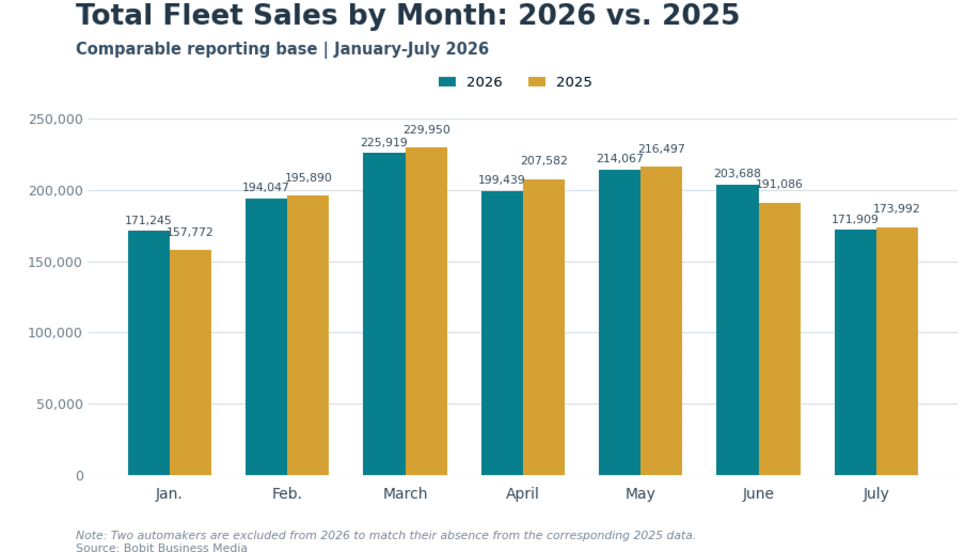
Fleet Sales Hold Steady as Commercial Gains Offset Rental Decline
Commercial and government fleet sales increased through July 2026, offsetting most of the decline in rental volume and leaving combined comparable fleet sales 0.5% above the same period last year.
Read More →
Personnel Update: BrickHouse GPS, PRO-VISION, Auto Driveaway, and Proaction
Check out the latest must-know fleet personnel updates from the last couple of months.
Read More →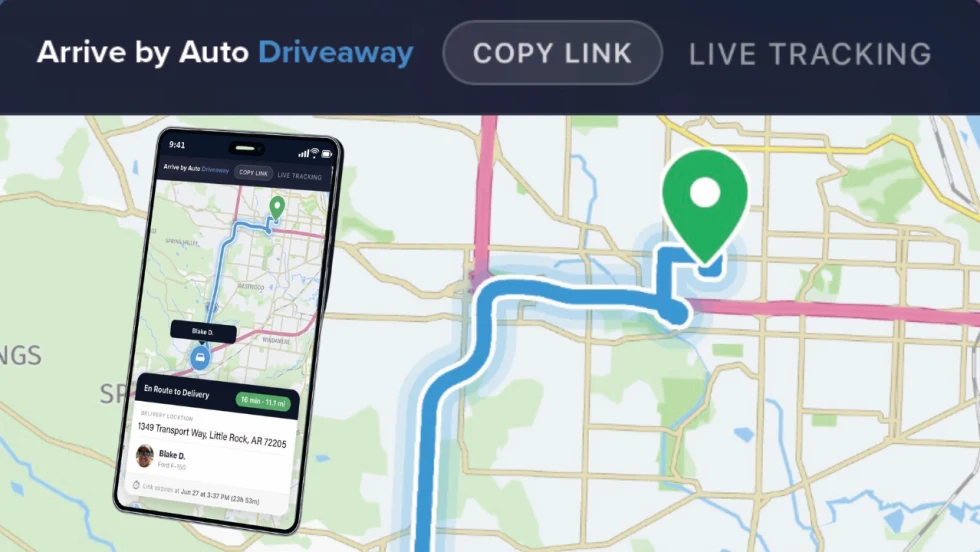
What Comes Next for Auto Driveaway?
A new Auto Driveaway feature called Arrive provides recipients with live location updates and ETAs during the final hour of a vehicle move, while fleet customers continue to have end-to-end shipment visibility through the company's customer portal.
Read More →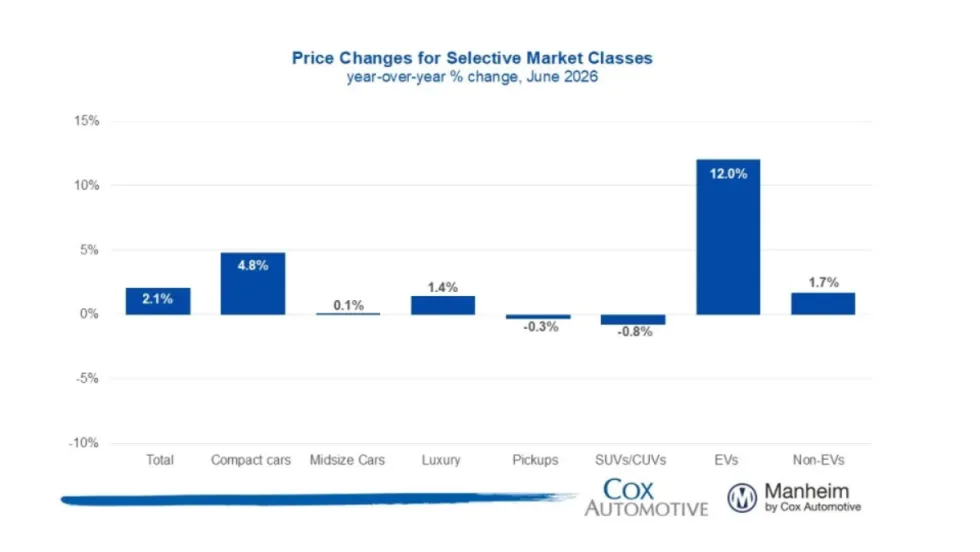
Manheim Index Shows Used-Vehicle Wholesale Prices Up 2.1% in June
The market is seeing stronger appreciation in older used vehicles this year, and the most affordable segments have been among the year’s best performers.
Read More →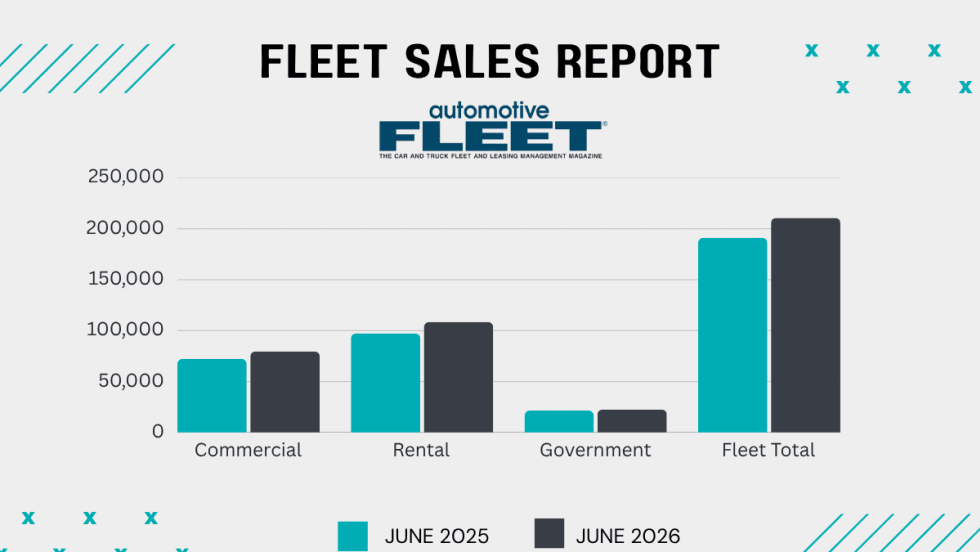
Commercial Fleet Sales Contribute To June, YTD Gains
The fleet sector has boosted its vehicle purchases at a reliable pace in the first half of this year compared with 1H 2025.
Read More →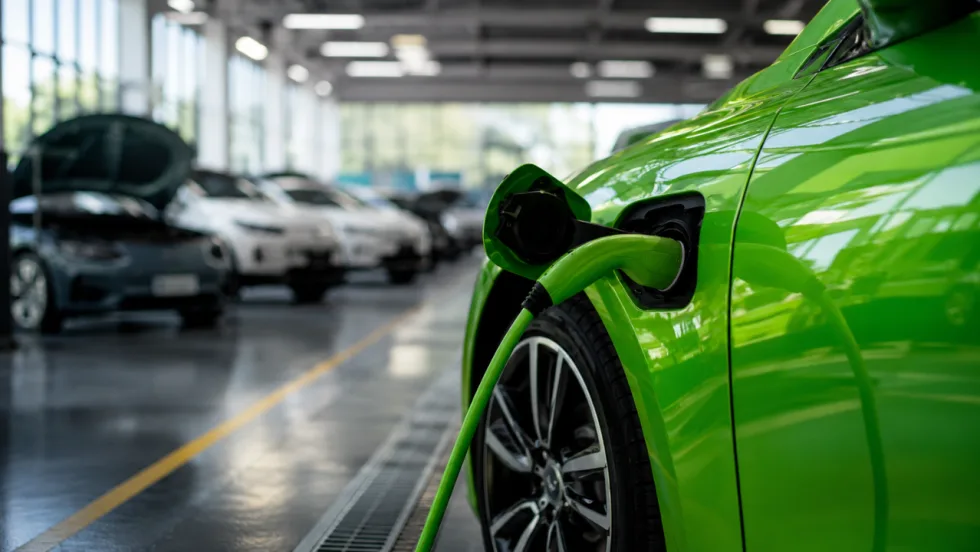
Stop Remarketing Electric Vehicles Like Gas Cars
The advantages and attributes of electric vehicles are upending the traditional remarketing cycle, requiring fleet sellers to rely on new factors and approaches detailed below.
Read More →
AP Fleet Management Expands Remarketing Program for Commercial Work Trucks
AP Fleet Management expanded its commercial vehicle remarketing program with dedicated resale services and an online marketplace for used work trucks.
Read More →
Used EVs Strengthen Overall Electric Vehicle Market
The latest sales data point to several reasons for the divergent trends in new and used EVs that can factor into fleet cycling decisions.
Read More →