



BenchMark Consulting International Releases Key Findings of 2004 Consumer Credit Collections Study
BenchMark Consulting International, an international management consulting firm to the financial services industry, announced the results of the 2004 Consumer Credit Collections Study, which revealed a slight decrease in the overall average consumer loan dollar delinquency rate, a rise in the overall charge-off rate, and a decline in the recovery rate, year over year.
BenchMark Consulting International, an international management consulting firm to the financial services industry, announced the results of the 2004 Consumer Credit Collections Study, which revealed a slight decrease in the overall average consumer loan dollar delinquency rate, a rise in the overall charge-off rate, and a decline in the recovery rate, year over year. Benchmark's 2004 study is a detailed analysis of collection and recovery activities and trends within the consumer lending industry and coordinated with the Consumer Bankers Association (CBA).
Respondents of the study, which measured collections and recovery activities of 43 North American financial service organizations from January 2003 to December 2003, included commercial banks, automobile finance companies, savings and loans, and consumer finance companies.
This year, the average consumer loan account size is 29-percent larger than last year's average size and the highest size in the past five study periods. On the other hand, overall average dollar delinquency rate is the lowest it's been in the past five study periods reflecting the increasing influence of home equity outstandings on the study's composite consumer loan portfolio. The 1.31-percent dollar delinquency rate is well below the 12-year average delinquency rate of 1.44 percent.
Product delinquency rates decreased across the board from last year's reported results with the exception of automobile loan delinquency rates, which are 12-percent higher. Indirect and direct automobile loans contributed more than 55 percent to charged-off dollars. And dollar charge-off rates, defined as dollars charged off divided by dollars delinquent, increased overall to 6.2 percent from a four-year low of 4.7 percent, reported last year.
While recovery rates were reported to be at a four-year low on an overall average, the use of recovery incentives is at an all-time high among the small and large class of participants. The average dollars recovered among those who do offer incentives is more than five times higher than those who do not offer incentives. Of those paying incentives, monthly awards double the dollars recovered on average versus quarterly awards.
More Operations
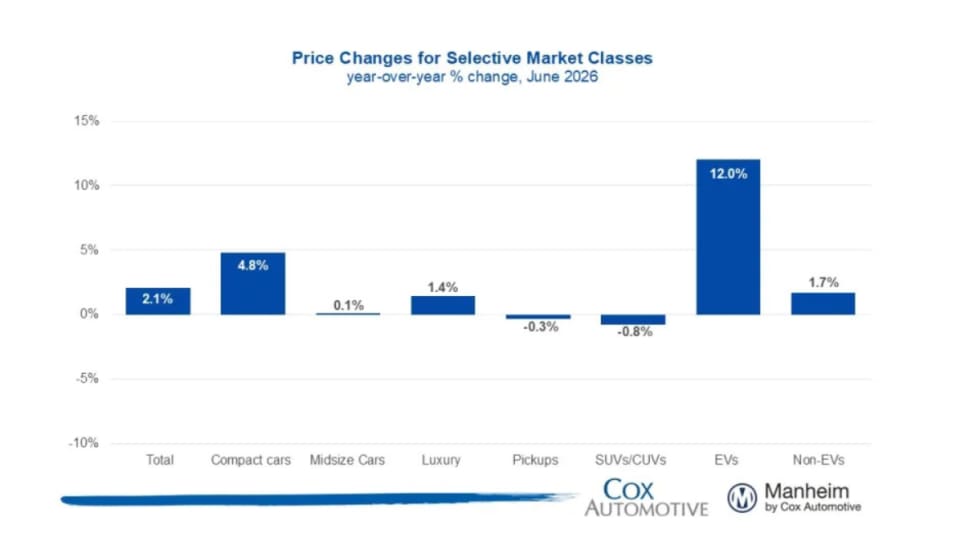
Manheim Index Shows Used-Vehicle Wholesale Prices Up 2.1% in June
The market is seeing stronger appreciation in older used vehicles this year, and the most affordable segments have been among the year’s best performers.
Read More →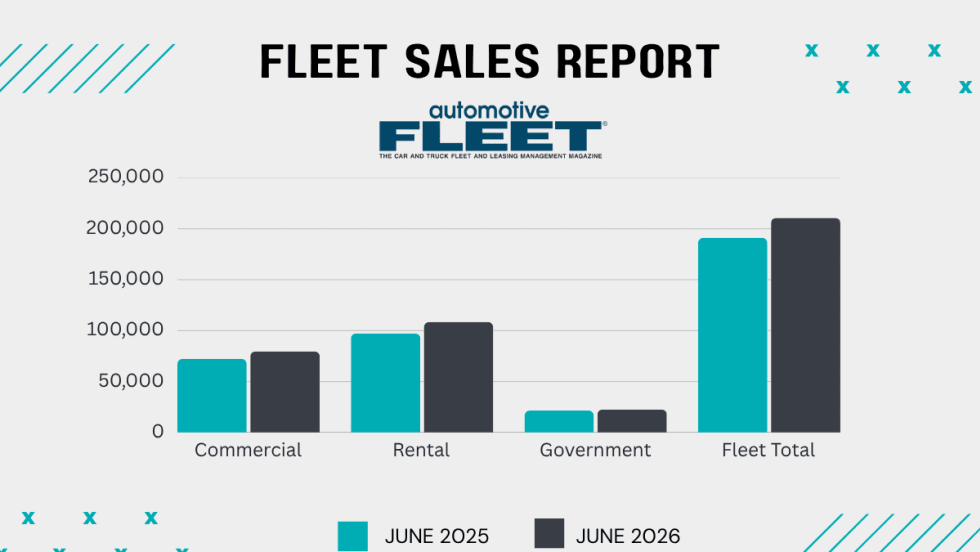
Commercial Fleet Sales Contribute To June, YTD Gains
The fleet sector has boosted its vehicle purchases at a reliable pace in the first half of this year compared with 1H 2025.
Read More →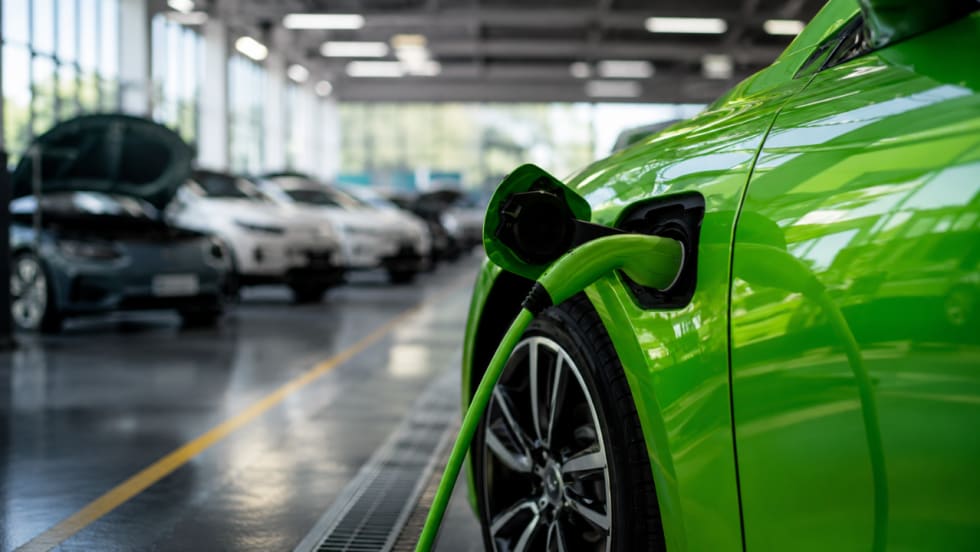
Stop Remarketing Electric Vehicles Like Gas Cars
The advantages and attributes of electric vehicles are upending the traditional remarketing cycle, requiring fleet sellers to rely on new factors and approaches detailed below.
Read More →
AP Fleet Management Expands Remarketing Program for Commercial Work Trucks
AP Fleet Management expanded its commercial vehicle remarketing program with dedicated resale services and an online marketplace for used work trucks.
Read More →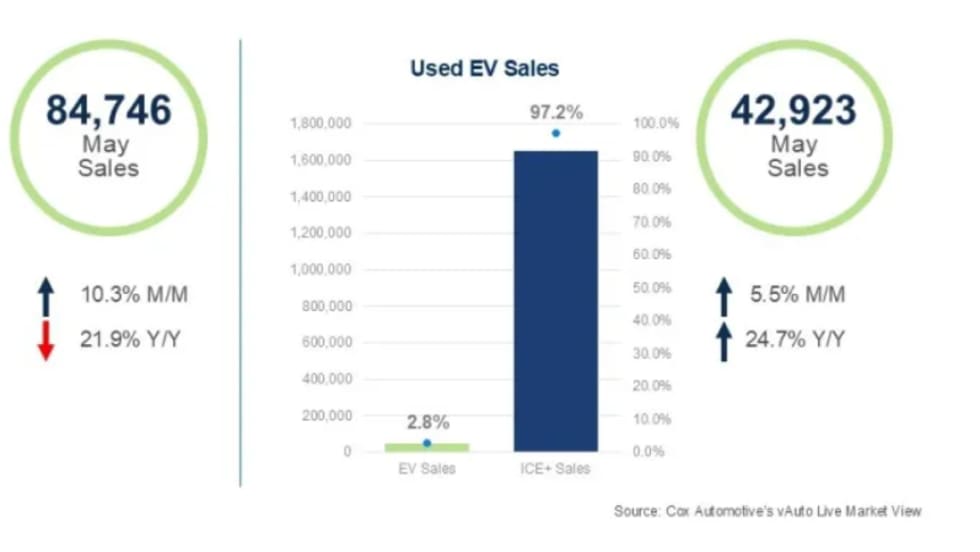
Used EVs Strengthen Overall Electric Vehicle Market
The latest sales data point to several reasons for the divergent trends in new and used EVs that can factor into fleet cycling decisions.
Read More →
The Data-Driven Haul: 5 Ways AI is Leveling the Playing Field in Auto Transport
Large and small transport fleets are becoming more competitive as predictive analytics and real-time data inform the logistics decision chain.
Read More →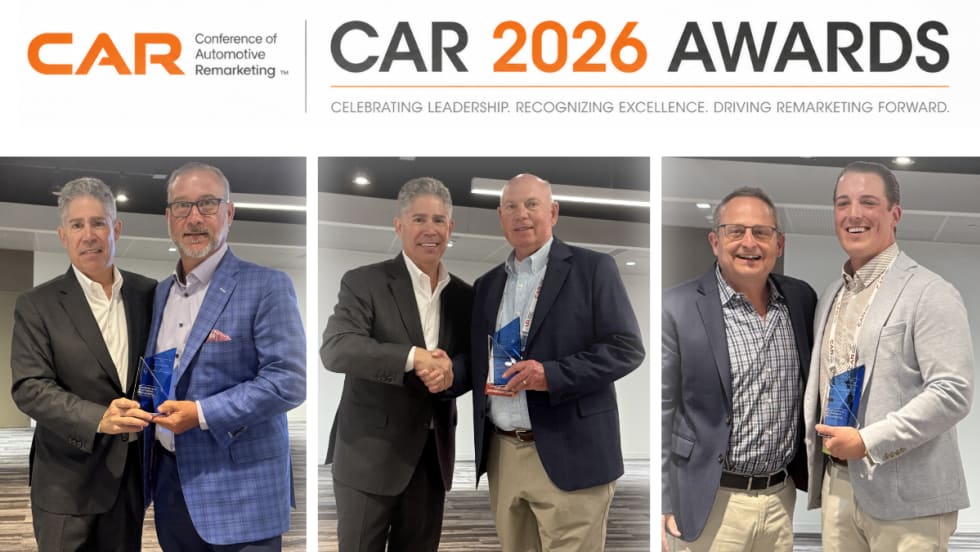
2026 CAR Awards Celebrate Industry Excellence
CAR’s annual Fleet Remarketing Awards opened a reimagined 2026 conference designed to bridge the worlds of fleet management and automotive remarketing.
Read More →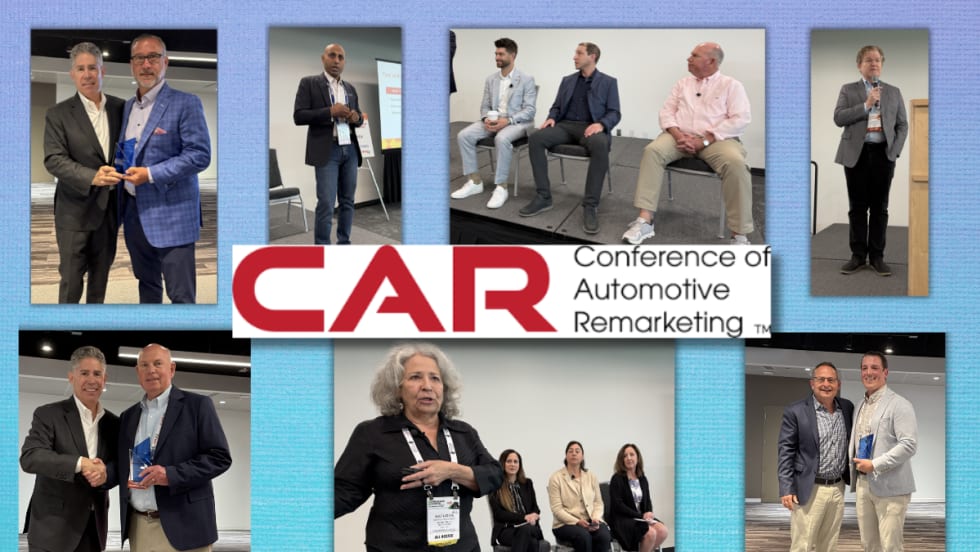
CAR 2026 Recap Part 2: Closing the Gap Between Data & Remarketing Value
The second half of CAR 2026 examined how fleets can translate lifecycle strategy, vehicle data, and market shifts into higher real-world results.
Read More →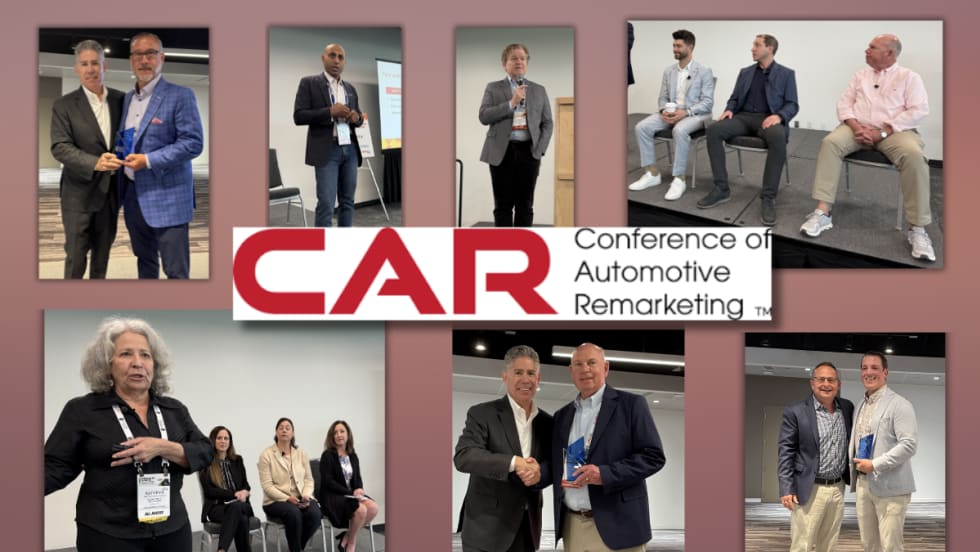
CAR2026 in Two Words: Velocity, Value (Part 1)
The 2026 Conference of Automotive Remarketing convened with a mandate to involve a new constituency — fleet managers — and an updated mission to demonstrate unrealized value in de-fleeted vehicles.
Read More →
CAR 2026: Get the Wall Street Update on the Key Players in Remarketing
From a Wall Street analyst's take on remarketing's key players to whether fleets need their own version of Carfax, CAR 2026's afternoon roundtables will answer key operational and industry questions.
Read More →