



Auto Industry Spent Record $5.3 Billion in July, Reports Edmunds.com
SANTA MONICA, CA – Edmunds.com reported that the average manufacturer automotive incentive in the United States was $2,981 per vehicle sold in July 2005, up $96, or 3.3 percent, from July 2004, and up $136 or 4.8 percent from June 2005.
SANTA MONICA, CA – www.Edmunds.com/ reported that the average manufacturer automotive incentive in the United States was $2,981 per vehicle sold in July 2005, up $96, or 3.3 percent, from July 2004, and up $136 or 4.8 percent from June 2005.
Edmunds.com's monthly True Cost of Incentives (TCI) report takes into account all of the manufacturers' various United States incentives programs, including subvented interest rates and lease programs, as well as cash rebates to consumers and dealers. To ensure the greatest possible accuracy, Edmunds.com bases its calculations on sales volume, including the mix of vehicle makes and models for each month, and on the proportion of vehicles for which each type of incentive was used.
The industry's aggregate incentives spending totaled a record $5.3 billion in July. Domestic manufacturers spent $4.33 billion or 81 percent of the total cost, Japanese manufacturers spent $653 million or 12 percent, European manufacturers spent $245 million or 5 percent, and Korean manufacturers spent $137 million or 3 percent.
"Some automakers are now implementing a 'value pricing' strategy to help to reduce this excessive cost," remarked Dr. Jane Liu, vice president of data analysis for Edmunds.com. "However, it may not work as well as they'd like, since many consumers are programmed to expect incentives and may not even notice that sticker prices have been lowered. Automakers in that situation may be forced to offer incentives that drop prices even further."
Overall, combined incentives spending for domestic Chrysler, Ford, and General Motors nameplates averaged $3,942 per vehicle sold in July, up $113 from June 2005. Chrysler decreased incentives spending $73 to $3,623 per vehicle sold in July. In the same period, Chrysler's market share increased .2 percent to 13.3 percent. Ford increased incentives spending by $688 to $3,876 per vehicle sold in July while its market share increased 3 percent to 18.9 percent. General Motors decreased incentives spending by $56 to $4,135 per vehicle sold in July while its market share decreased 3.4 percent to 28.7 percent. The combined market share of the Big Three was 61 percent in July, down .2 percent from June.
From June to July, European automakers increased incentives spending by $447 to an average of $2,382 per vehicle sold; their market share slid .1 percent to 5.8 percent. Japanese automakers increased incentives spending by $189 to a record high average of $1,236 per vehicle sold; their market increased 1 percent to 29.3 percent. Korean automakers increased incentives spending by $99 to an average of $1,945 per vehicle sold; their market share decreased 0.3 percent to 3.9 percent.
Among vehicle segments, large SUVs continued to offer the highest average incentives, $5,164 per vehicle sold, while sports cars had the lowest average incentives per vehicle at $995. Looking at incentives expenditures as a percentage of MSRP for each segment, large trucks were the highest, 12.5 percent, while sports cars were the lowest, 3.4 percent.
More Operations
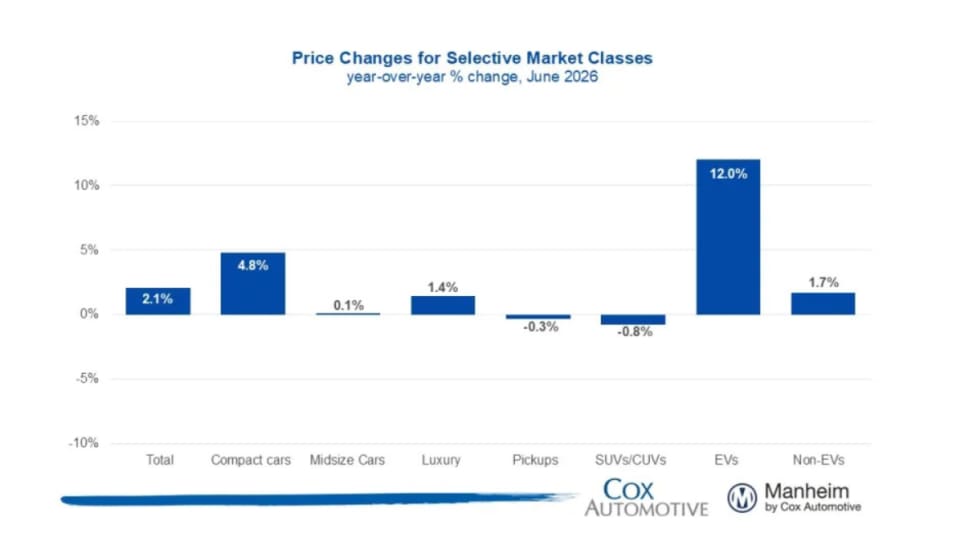
Manheim Index Shows Used-Vehicle Wholesale Prices Up 2.1% in June
The market is seeing stronger appreciation in older used vehicles this year, and the most affordable segments have been among the year’s best performers.
Read More →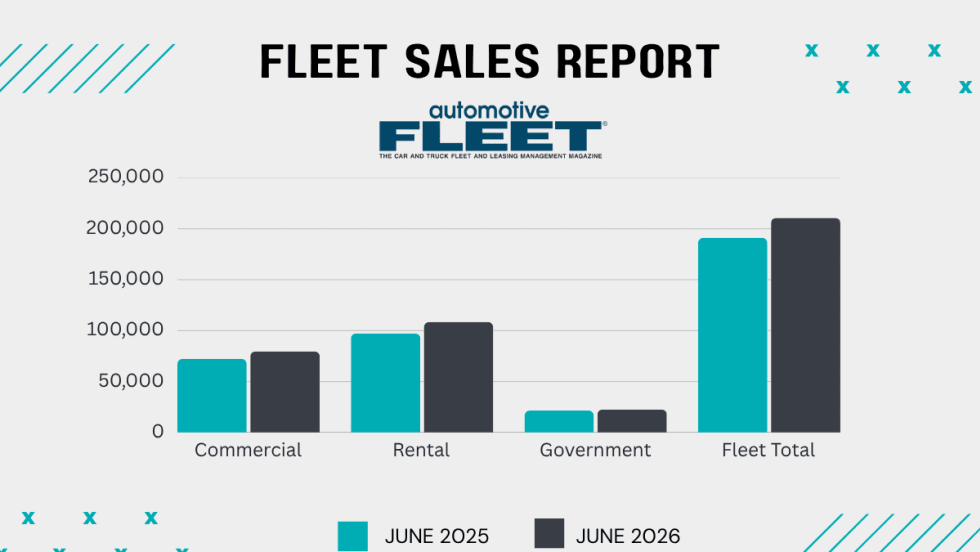
Commercial Fleet Sales Contribute To June, YTD Gains
The fleet sector has boosted its vehicle purchases at a reliable pace in the first half of this year compared with 1H 2025.
Read More →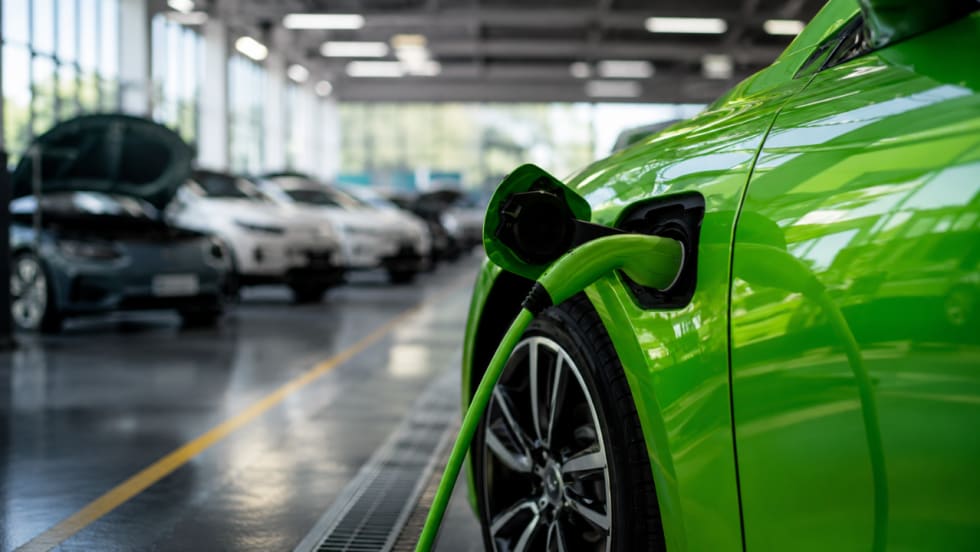
Stop Remarketing Electric Vehicles Like Gas Cars
The advantages and attributes of electric vehicles are upending the traditional remarketing cycle, requiring fleet sellers to rely on new factors and approaches detailed below.
Read More →
AP Fleet Management Expands Remarketing Program for Commercial Work Trucks
AP Fleet Management expanded its commercial vehicle remarketing program with dedicated resale services and an online marketplace for used work trucks.
Read More →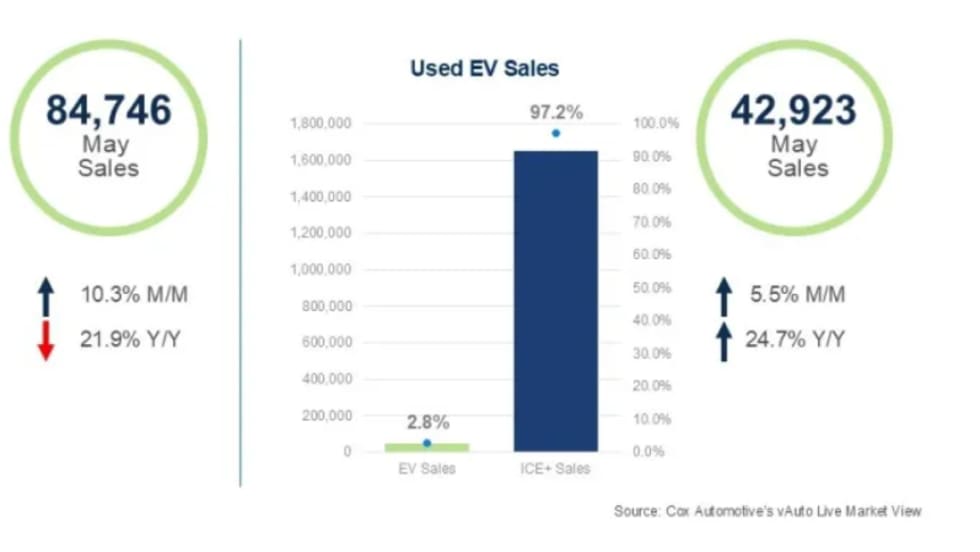
Used EVs Strengthen Overall Electric Vehicle Market
The latest sales data point to several reasons for the divergent trends in new and used EVs that can factor into fleet cycling decisions.
Read More →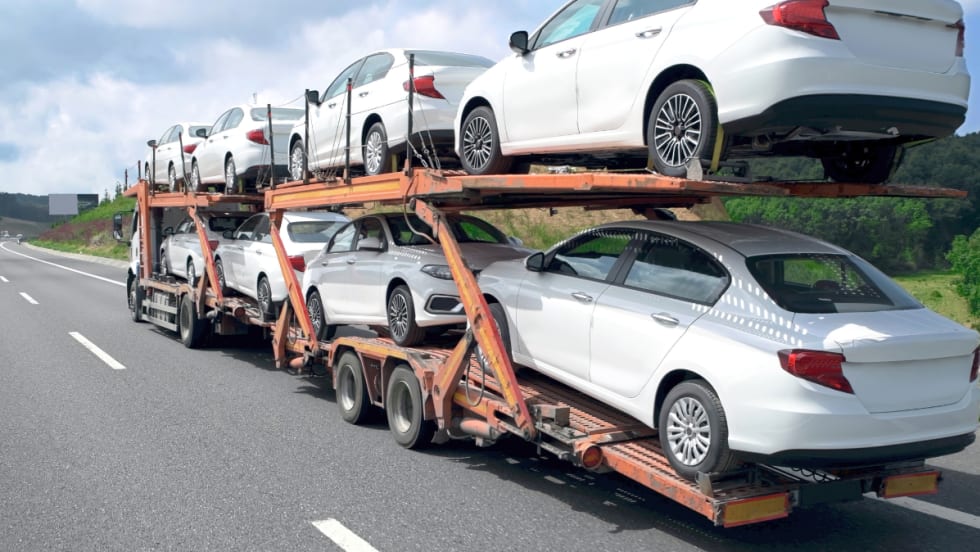
The Data-Driven Haul: 5 Ways AI is Leveling the Playing Field in Auto Transport
Large and small transport fleets are becoming more competitive as predictive analytics and real-time data inform the logistics decision chain.
Read More →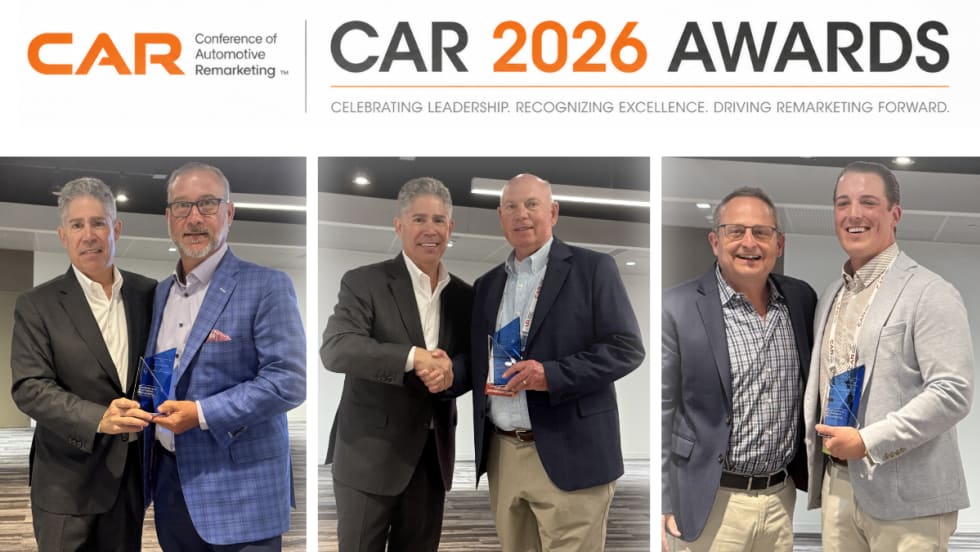
2026 CAR Awards Celebrate Industry Excellence
CAR’s annual Fleet Remarketing Awards opened a reimagined 2026 conference designed to bridge the worlds of fleet management and automotive remarketing.
Read More →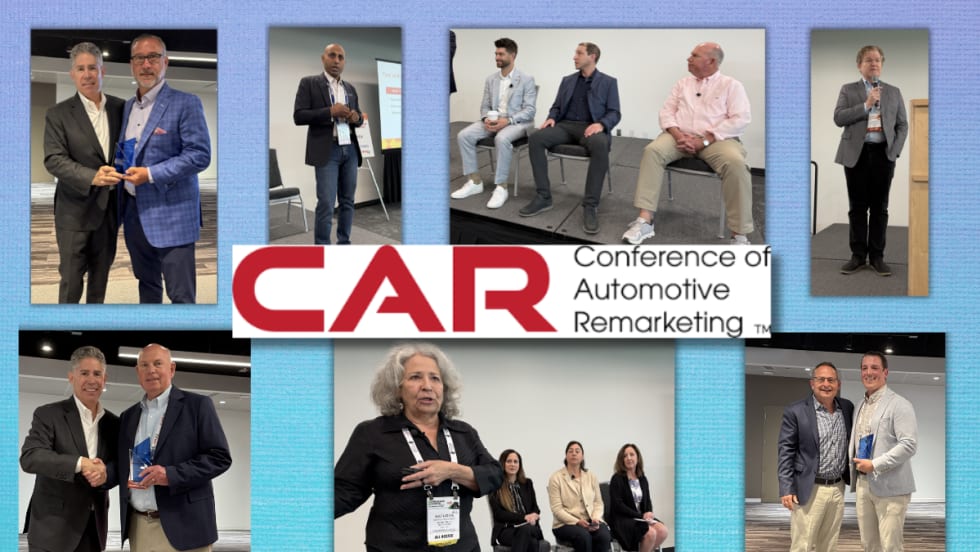
CAR 2026 Recap Part 2: Closing the Gap Between Data & Remarketing Value
The second half of CAR 2026 examined how fleets can translate lifecycle strategy, vehicle data, and market shifts into higher real-world results.
Read More →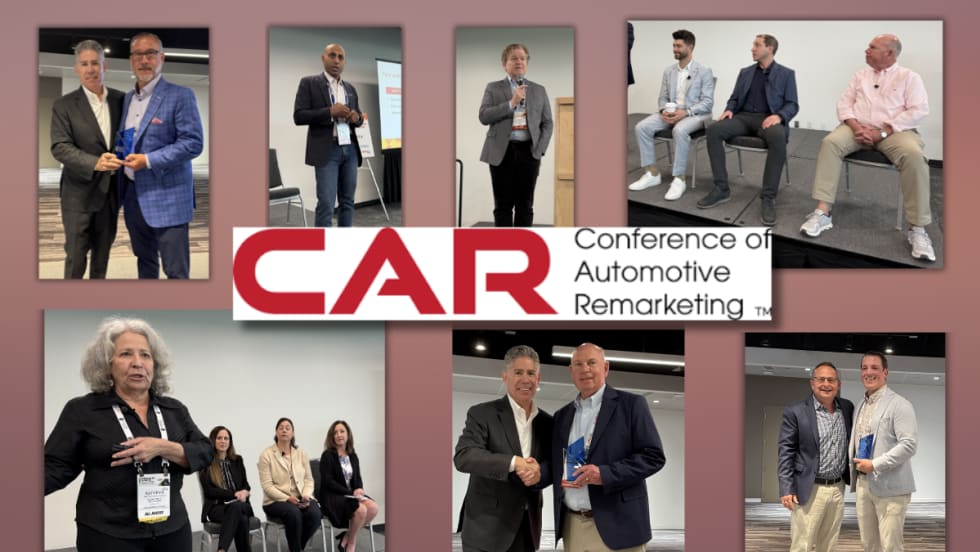
CAR2026 in Two Words: Velocity, Value (Part 1)
The 2026 Conference of Automotive Remarketing convened with a mandate to involve a new constituency — fleet managers — and an updated mission to demonstrate unrealized value in de-fleeted vehicles.
Read More →
CAR 2026: Get the Wall Street Update on the Key Players in Remarketing
From a Wall Street analyst's take on remarketing's key players to whether fleets need their own version of Carfax, CAR 2026's afternoon roundtables will answer key operational and industry questions.
Read More →