



Auto Delinquencies Becoming More Predictable, Says TransUnion
CHICAGO – Pete Turek wasn't surprised by his company's report on fourth-quarter 2008 delinquency rates, which showed year-over-year increases. In fact, the senior executive at TransUnion said the numbers are becoming more predictable.
CHICAGO – Pete Turek wasn’t surprised by his company’s report on fourth-quarter 2008 delinquency rates, which showed year-over-year increases. In fact, the senior executive at TransUnion said the numbers are becoming more predictable.
Between the third and fourth quarters 2008, delinquencies increased from 0.8 percent to 0.86 percent, according to data recently release by TransUnion. Year-over-year, the delinquency rate increased 8.86 percent in the fourth quarter.
Turek attributed the increases to several factors, such as seasonal dependencies and the current lending environment. He also pointed to the battered economy, mortgage crisis and the weak labor market as major contributors.
“In reviewing the data, there’s no real surprises,” Turek said. “Most people marked the beginning of recession at December 2007. From December 2007 to the end of 2009, we’re looking at a 40 percent increase in the number of delinquencies. We’ve already experienced more than half of that increase through the fourth quarter [2008].”
Turek expects the delinquency rate to increase to 1.13 percent by the end of the year, a “highwater mark” for auto loan delinquencies.
While the predicted rate is a significant number, Turek pointed out that 30 states and the District of Columbia were below the national average delinquency rate.
“It’s good for consumers. They’re very resilient and they’re figuring out ways to stay current on their auto loans,” Turek said.
Ranking states by delinquency rates, the top 10 states with the highest rates were those hit hardest by the mortgage crisis or are still recovering from Hurricane Katrina. Mississippi topped the list with a rate of 1.62 percent, followed by California at 1.46 percent.
Rounding out the list of troubled states were Louisiana, Alabama, Georgia, Florida, Tennessee, Nevada, Arizona and Hawaii.
Additionally, TransUnion reported that average auto debt nationally decreased slightly in the fourth quarter from $12,861 to $12,713. Year-over-year auto debt also fell to 0.2 percent, which Turek said wasn’t a surprise.
“That was expected that average auto debt would go down. You heard about a lot of folks not buying autos or lenders not making a lot of loans in the fourth quarter,” Turek said. “I would not be surprised if average auto debt continues to go down.”
More Operations

FLD Promotes Three Executives in Leadership Changes
FLD has promoted three longtime executives, naming Gary Mott CEO, Richard Mallek president, and Ron Sanders managing partner.
Read More →
CAS Automotive Launches Remarketing Service for Damaged, Surplus Equipment
Damaged Equipment expands CAS Automotive’s vehicle remarketing model to commercial equipment, targeting fleet operators, insurers, equipment dealers, and rental companies.
Read More →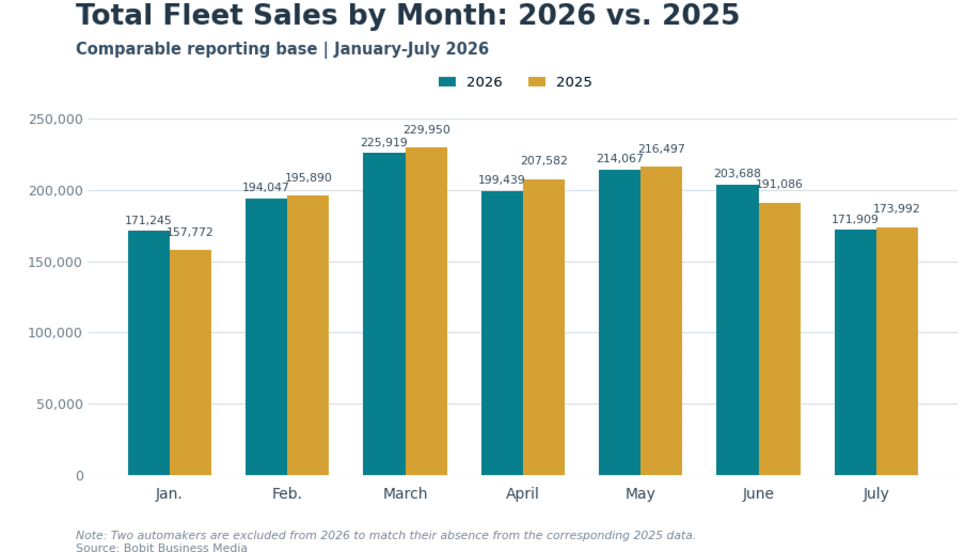
Fleet Sales Hold Steady as Commercial Gains Offset Rental Decline
Commercial and government fleet sales increased through July 2026, offsetting most of the decline in rental volume and leaving combined comparable fleet sales 0.5% above the same period last year.
Read More →
Personnel Update: BrickHouse GPS, PRO-VISION, Auto Driveaway, and Proaction
Check out the latest must-know fleet personnel updates from the last couple of months.
Read More →
What Comes Next for Auto Driveaway?
A new Auto Driveaway feature called Arrive provides recipients with live location updates and ETAs during the final hour of a vehicle move, while fleet customers continue to have end-to-end shipment visibility through the company's customer portal.
Read More →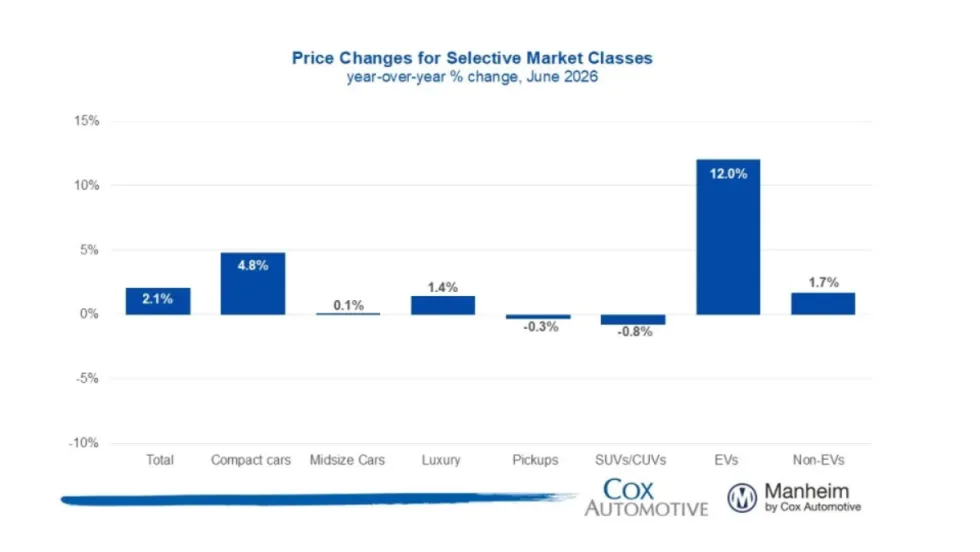
Manheim Index Shows Used-Vehicle Wholesale Prices Up 2.1% in June
The market is seeing stronger appreciation in older used vehicles this year, and the most affordable segments have been among the year’s best performers.
Read More →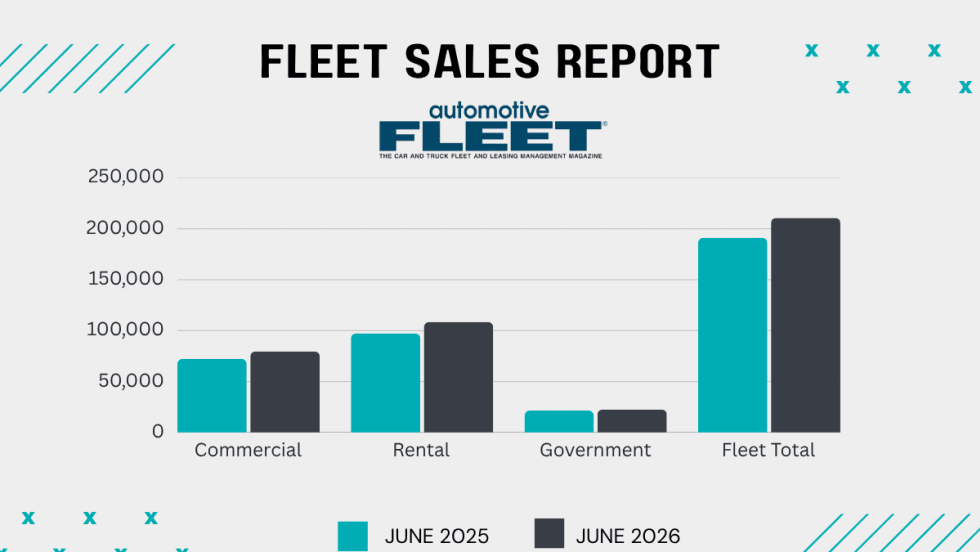
Commercial Fleet Sales Contribute To June, YTD Gains
The fleet sector has boosted its vehicle purchases at a reliable pace in the first half of this year compared with 1H 2025.
Read More →
Stop Remarketing Electric Vehicles Like Gas Cars
The advantages and attributes of electric vehicles are upending the traditional remarketing cycle, requiring fleet sellers to rely on new factors and approaches detailed below.
Read More →
AP Fleet Management Expands Remarketing Program for Commercial Work Trucks
AP Fleet Management expanded its commercial vehicle remarketing program with dedicated resale services and an online marketplace for used work trucks.
Read More →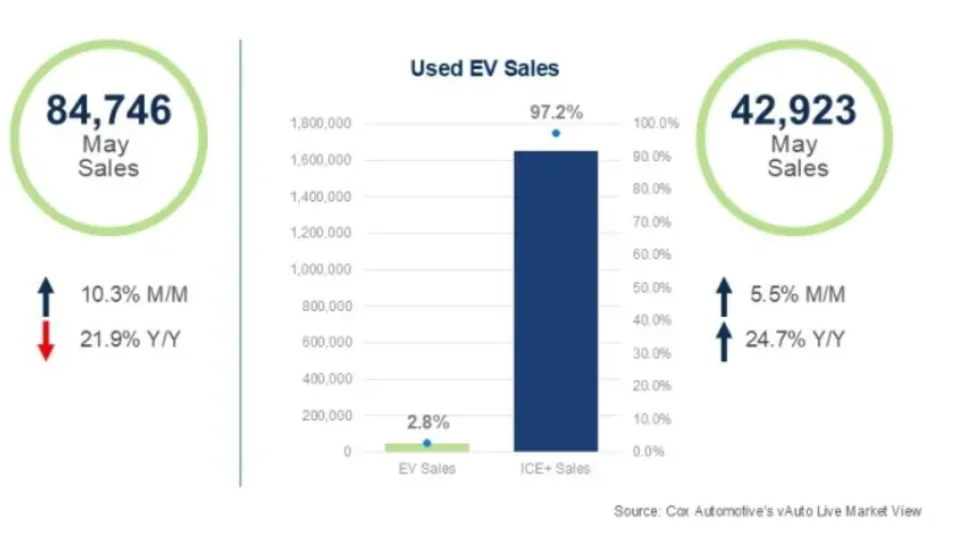
Used EVs Strengthen Overall Electric Vehicle Market
The latest sales data point to several reasons for the divergent trends in new and used EVs that can factor into fleet cycling decisions.
Read More →