



Why Are Used Vehicle Prices So High?
Analysis: Consumers are repairing vehicles and holding them longer to avoid historically high used-car prices. The real question is: How long will used inventory remain tight and prices above normal?
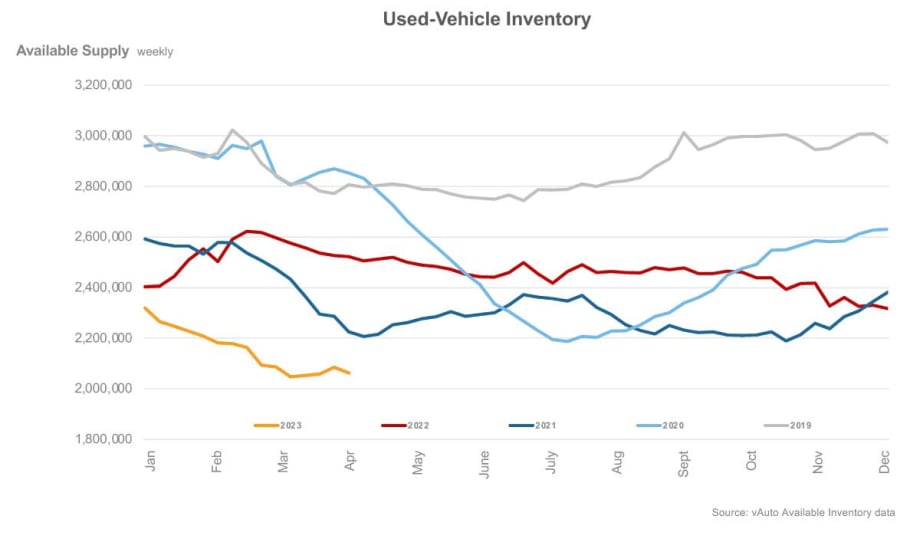
An incredible 83% of the lost sales volume came from the prime reservoir of used-car inventory: Lease turn-ins and rentals.
Graphic: Cox Automotive
Every year many automakers shut down their assembly plants to retool and prepare for the new model year or product changeover. Factory employees love shutdowns because they typically cash in on some overtime hours leading up to the changeover, and they get to enjoy a little vacation time.
When COVID-19 hit in the spring of 2020, there was no time for planning or preparation. Factories around the globe halted production for 2-3 months, some even longer, and supply chain managers canceled parts orders as fast as they could. There was plenty of reason for pessimism about the forward-looking view of the new-car market at that time. It was a shutdown we had never seen before.
Nobody could have predicted how quickly the new-car market would rebound. Driven by pent-up demand and an economy awash with cash, new-vehicle demand skyrocketed at the exact moment when microchip and other suppliers turned their attention elsewhere. As a result, new-vehicle inventories plummeted from 3.8 million in the spring of 2020 to a mere 820,000 by the fall of 2021.
This dramatic loss of production led to the industry selling 8.1 million fewer vehicles from 2020-2022 compared to the 2017-2019 timeframe. This also meant 8.1 million vehicles would never show up in the used-car market.
We didn’t fully appreciate what was happening at that moment, but for the first time, the industry was experiencing a used-car factory shutdown. Cox Automotive is reporting that used-vehicle inventories are now near the lowest levels seen in 10+ years at 2 million vehicles, down about 1 million units from the spring of 2020.
Fewer Lease Turn-Ins and Rental Units Tank Used-Vehicle Availability
What’s interesting is looking deeper into where the 8.1 million lost sales occurred. The industry is down 3.6 million leases (-28%) and 3.1 million (-53%) fewer rental cars. An incredible 83% of the lost sales volume came from the prime reservoir of used-car inventory: Lease turn-ins and rentals.
Over the past three years, we’ve seen a big increase in the number of off-lease cars purchased by lessees, with return rates plummeting from 62% to 11%. The big rental companies have been so tight on inventory they often rent vehicles with over 80,000 miles. This all adds up to a much tighter used-vehicle market.
Used-Vehicle Prices 35% Higher Than Pre-Pandemic Average
Simple economics tells us that lower supply coupled with high demand will drive higher prices. Before the pandemic, the average price of a used car was $19,827, but it’s now $26,686 (a 35% increase). And that’s only half of the tough news. The pre-pandemic average used vehicle had 65,000 miles on it, but now the average mileage is 71,000 miles (+9%).
I feel sorry for today’s used-vehicle buyers: they’re paying 35% more for a vehicle with 9% more wear and tear. That does not sound like a smoking deal.
As many automakers transitioned their business models from a volume focus to a margin focus, there’s been a notable reduction in the most affordable segments. In fact, 74% of the production cuts happened in these three key segments: compact sedan (-2.6 million), midsize sedan (-1.8 million), and compact SUV (-1.6 million).
When Does Market Get Back to Normal?
This situation has made it difficult for mid- to lower-income households to find affordable transportation. These market dynamics may help explain why AutoZone and O’Reilly’s Auto Parts have experienced revenue growth of 37% and 42%, respectively, since 2019. Consumers are repairing vehicles and holding them longer to avoid historically high used-car prices.
The real question is: How long will used-car inventory remain tight and prices high?
We need to turn back to the new-car factories and their product mix to answer that question. Most plants are running at about 80% of their pre-pandemic production levels and are building a very expensive mix of new vehicles. If the wealthiest Americans continue buying $65,000 trucks and SUVs, the automakers will have no incentive to dial back their mix, provide special lease offers, or increase their sales to rental or fleet companies.
While the factory workers may still get to enjoy some time off during the next model year changeover, the used-car market will not feel like a vacation for any buyer for the next 3-5 years.
About the Author: Brian Finkelmeyer is the senior director of new car solutions at Cox Automotive.
Originally posted on Automotive Fleet
More Used Vehicle Values
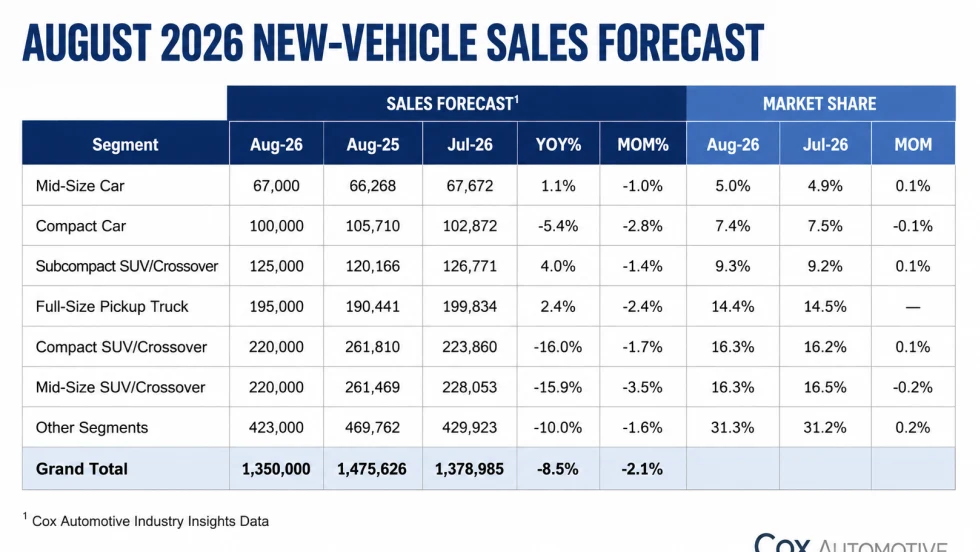
August New-Vehicle Sales Pace Forecast to Hold Above 16 Million
Despite an expected 8.5% year-over-year decline in August volume, Cox Automotive forecasts a 16.3 million SAAR, with full-size pickups outperforming several major crossover segments.
Read More →
Trade Strategy Now Starts Long Before Turn-In
The strongest trade values aren't built at turn-in. Discover how maintenance, lifecycle planning, and shared risk protect truck resale value.
Read More →
What Happens When Residual Values Meet Real-World Markets
A truck's trade value isn't determined on turn-in day. Learn how market cycles, maintenance, and timing shape the gap between residuals and reality.
Read More →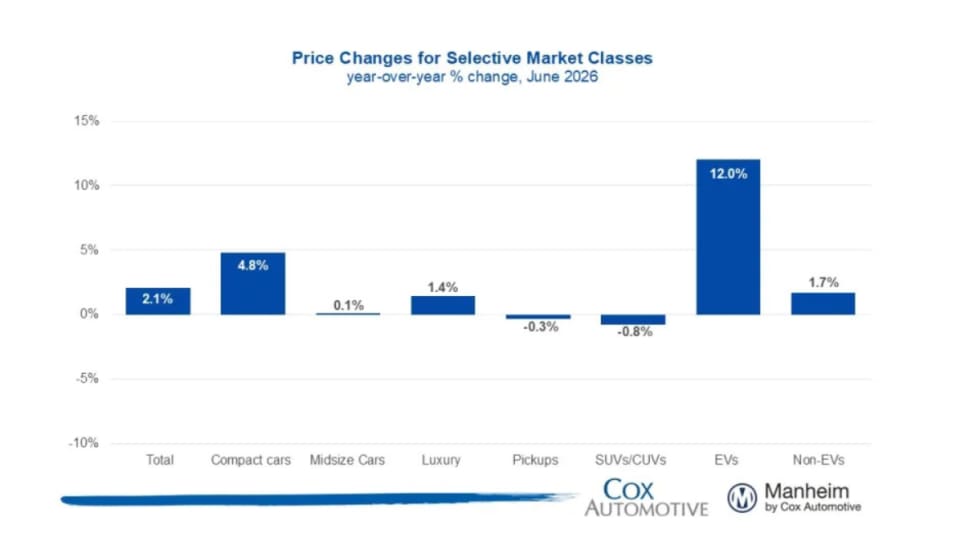
Manheim Index Shows Used-Vehicle Wholesale Prices Up 2.1% in June
The market is seeing stronger appreciation in older used vehicles this year, and the most affordable segments have been among the year’s best performers.
Read More →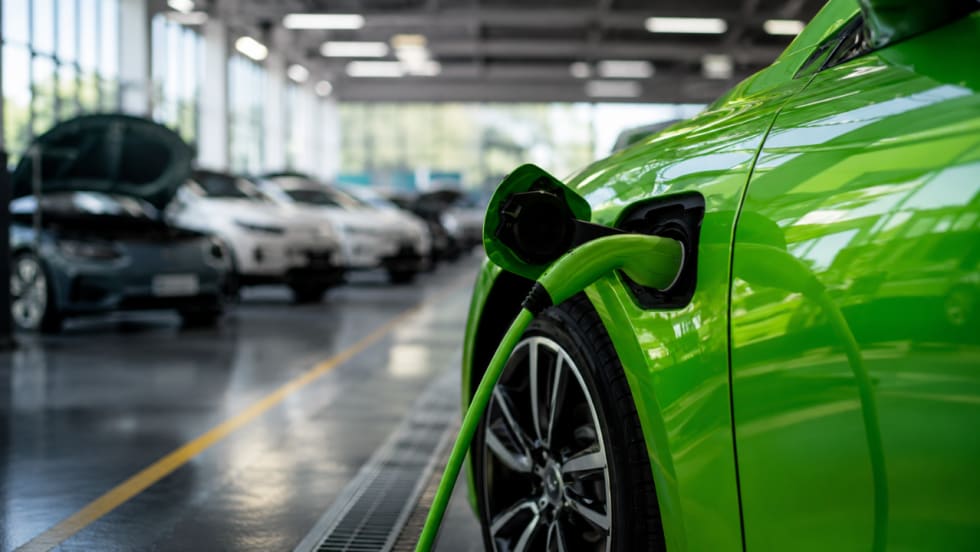
Stop Remarketing Electric Vehicles Like Gas Cars
The advantages and attributes of electric vehicles are upending the traditional remarketing cycle, requiring fleet sellers to rely on new factors and approaches detailed below.
Read More →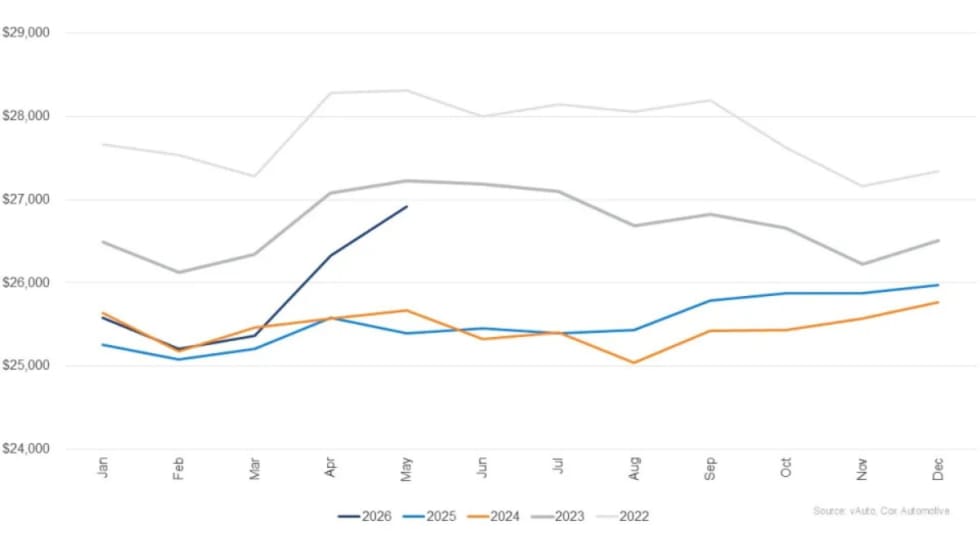
Used Vehicle Prices Climb Higher As Sales Pace Slows
The higher prices at used retail reflect strong wholesale values earlier in the spring, particularly for older, more affordable vehicles.
Read More →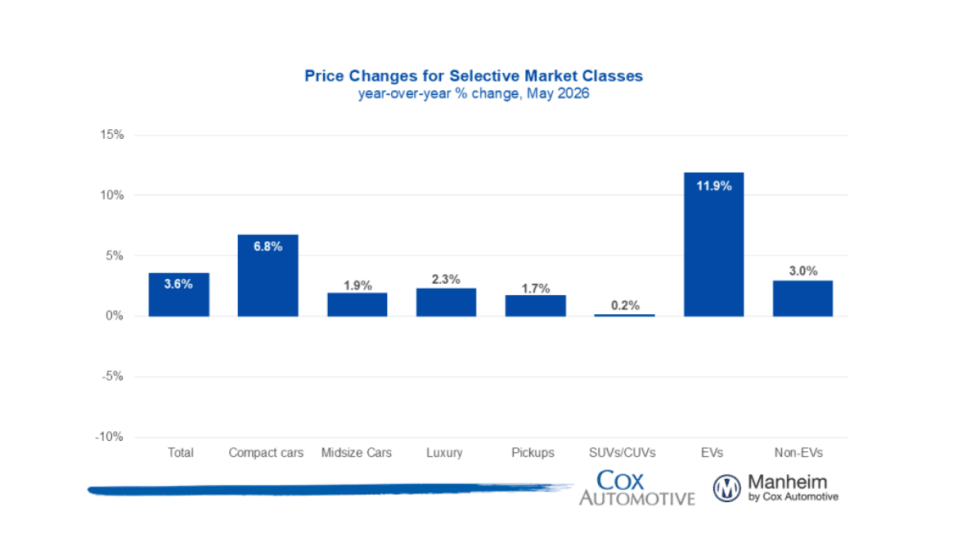
Wholesale Used Vehicle Market Sustains Moderate Rise In Values, Prices
Trends continue to normalize after a strong start to the year, as consumers contend with higher gas prices in the coming summer months.
Read More →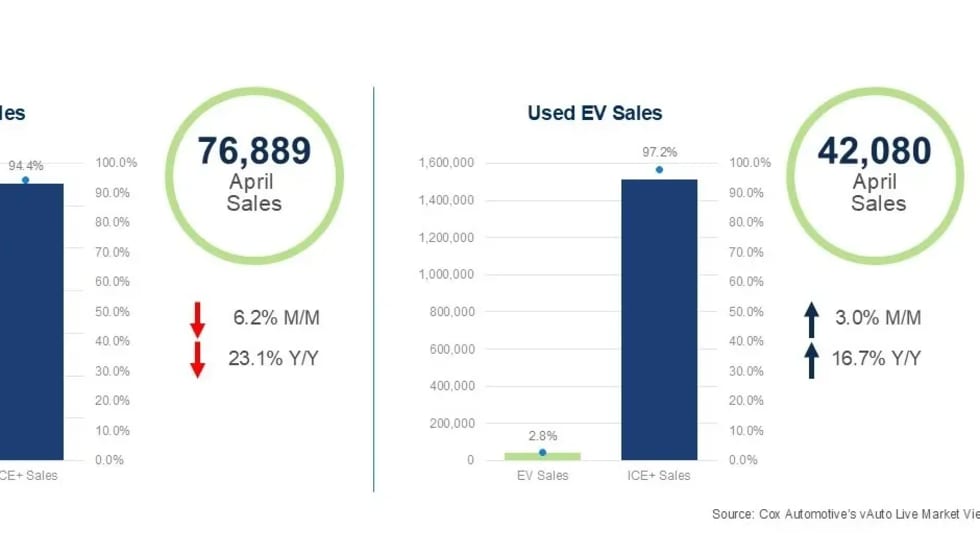
Used EV Sales Grow In April
While EV sales declined, used EV sales grew, as tighter inventory and rising prices reflected a more normalized pace for the EV market.
Read More →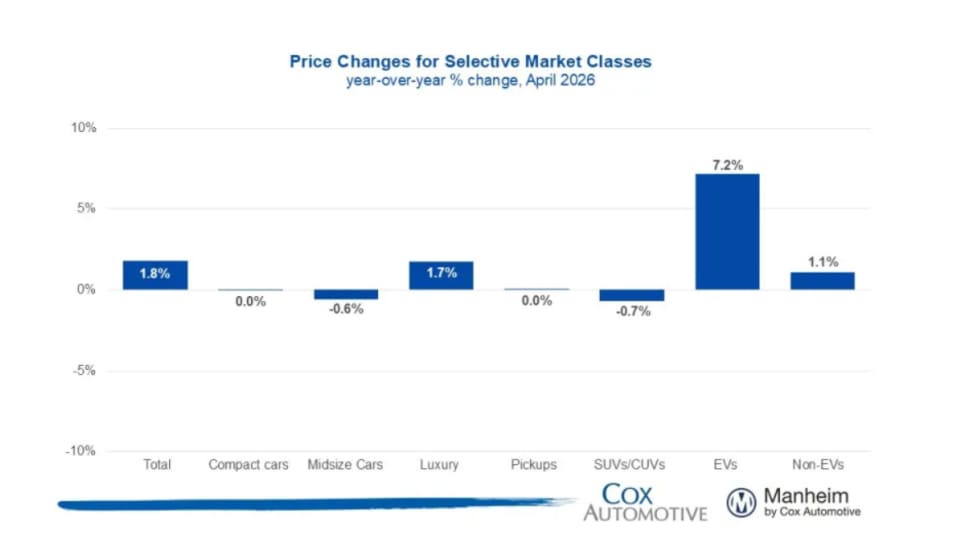
Wholesale Used Vehicle Prices Slightly Up In April
The Iranian conflict and rising gas prices inject much uncertainty into the future wholesale used vehicle markets, as higher gas prices soak up spendable income from vehicle buyers.
Read More →
CAR 2026 Recap Part 2: Closing the Gap Between Data & Remarketing Value
The second half of CAR 2026 examined how fleets can translate lifecycle strategy, vehicle data, and market shifts into higher real-world results.
Read More →