



Vehicle Valuation 101
Understanding depreciation, how vehicles are valued and when to remarket can improve your total cost of ownership.
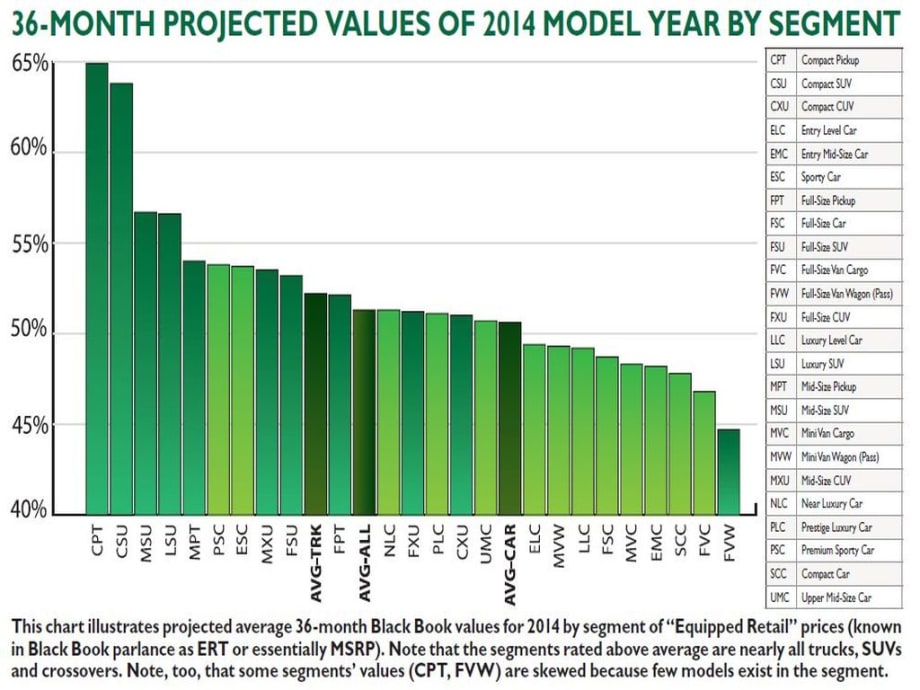
In today’s fleet world, fleet management companies administer purchases ranging from 25 to thousands of cars, trucks and vans. But there are also many small businesses that only purchase several new vehicles a year, with 10 to 15 units or fewer in the fleet at any point in time.
These smaller fleets may have a set plan to purchase and remarket those vehicles, or they may only cycle fleet when the need arises. What knowledge is needed to help in your small fleet administration? Do you have an understanding of depreciation and how vehicles are valued?
Remarketing prior to increases in depreciation can improve your total cost of ownership. But what is that point in time?
Factors Affecting Value
Fleet vehicle selection should be primarily based on the need and functionality of the vehicles for your business. Once this is determined, how do you decide which vehicle or brand gives you the best value and service?
Depreciation is the largest vehicle cost, followed by fuel and factors such as maintenance and insurance.
Let’s take a look at depreciation and used car values at the time of remarketing. There are many factors involved in value depreciation or, more positively, value retention.
Let’s start with brand and segment type. Due to consumer perception, how a vehicle is sold new, and even the vehicle’s segment, plays a major role in retention.
Honda and Toyota have traditionally had stronger brand strength than the Jaguar brand. Part of this is consumer perception.
For Honda, its models are perceived as “retail units” with little or no penetration in the daily rental or fleet markets. Another factor supporting stronger retention is related to Certified Pre-Owned (CPO) programs.
Retention Analysis
Over the past several years, almost every manufacturer has been focused on improving quality, design and production levels to meet new car demand. So today, there are no “bad” vehicles, just some that might have slightly better overall retention. How do you identify those stronger retention models?
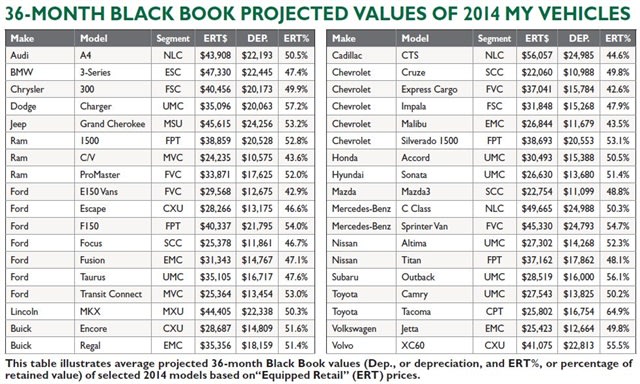
You can look at forecasted residuals from a source such as Black Book, which tracks and reports the used market with daily updated values from wholesale auctions all over the country. (Other industry-recognized guidebooks are Kelley Blue Book and NADA Guides.)
You can also look at current wholesale market values of selected vehicles at the age of the vehicles you would be remarketing. From there, you can do an actual retention analysis based on that vehicle’s original equipped MSRP value.
In this case, consider the differences or enhancements on current similar models compared to the two-, three- or even four-year-old actual retention. Has technology involving engines, transmissions or fuel economy significantly improved? Has the design and functional space improved to adjust demand levels higher?
Retention is also affected by market supply, which not only includes volume (units sold) of that model, but also the competing models within the segment.
[PAGEBREAK]
Other Factors
Other factors driving actual retention relate to the age of the vehicle, mileage at remarketing and overall condition. How long vehicles are kept in service is most often based on need and total mileage. While a vehicle with more than 100,000 miles still has serviceable life, the number of potential buyers declines, as does the amount they are willing to pay.
Overall condition also goes a long way in retention. Previous damage due to accidents, or less care by the driver, will pull down actual retention.
Today, remarketing efforts also come into play. Since the peak of the Recession, a solid remarketing plan meant offering your inventory without even taking into consideration venue, reconditioning or condition. As supplies have grown, those days are past.
To get the best return, making your offerings stand out is a great first step. That could be from the venues (online or physical auctions), to the reconditioning, as well as the information you provide with each vehicle, such as complete inspection reports.
Pricing Right
One final note: Setting a solid, market-based floor on pricing your vehicles will help get them sold on their first offering. When buyers know you sell at realistic market-based pricing, more buyers will bid on your online offerings and those in the auction lanes.
If you still don’t have the personnel to directly remarket those units for the best return, there are vendors who can support the needs of small fleets. Moving forward in 2014, the remarketing and retention challenges will be greater than the actual retention levels of 2013, 2012 and 2011.
Ricky Beggs is Black Book’s senior vice president and editorial director. He can be reached at rbeggs@BlackBookUSA.com.
Originally posted on Work Truck Online
More Used Vehicle Values
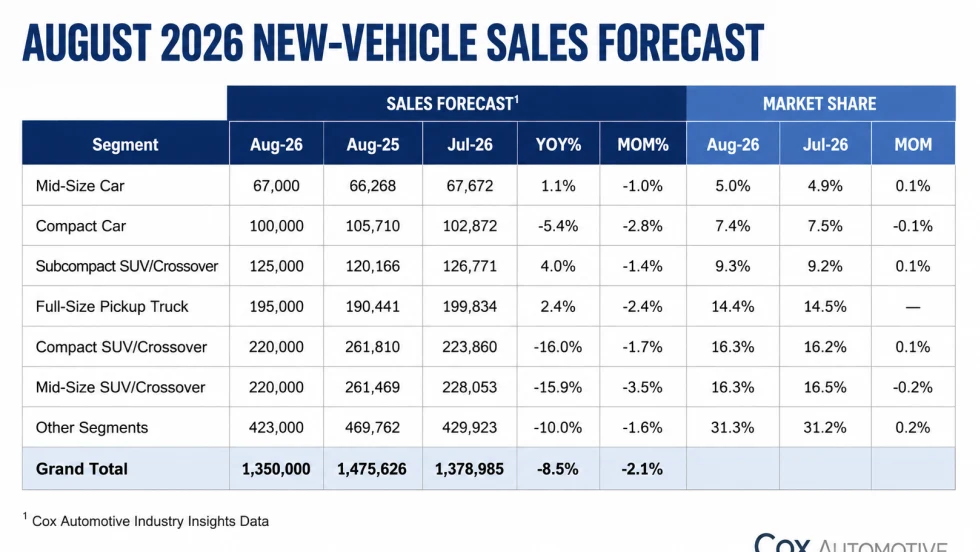
August New-Vehicle Sales Pace Forecast to Hold Above 16 Million
Despite an expected 8.5% year-over-year decline in August volume, Cox Automotive forecasts a 16.3 million SAAR, with full-size pickups outperforming several major crossover segments.
Read More →
Trade Strategy Now Starts Long Before Turn-In
The strongest trade values aren't built at turn-in. Discover how maintenance, lifecycle planning, and shared risk protect truck resale value.
Read More →
What Happens When Residual Values Meet Real-World Markets
A truck's trade value isn't determined on turn-in day. Learn how market cycles, maintenance, and timing shape the gap between residuals and reality.
Read More →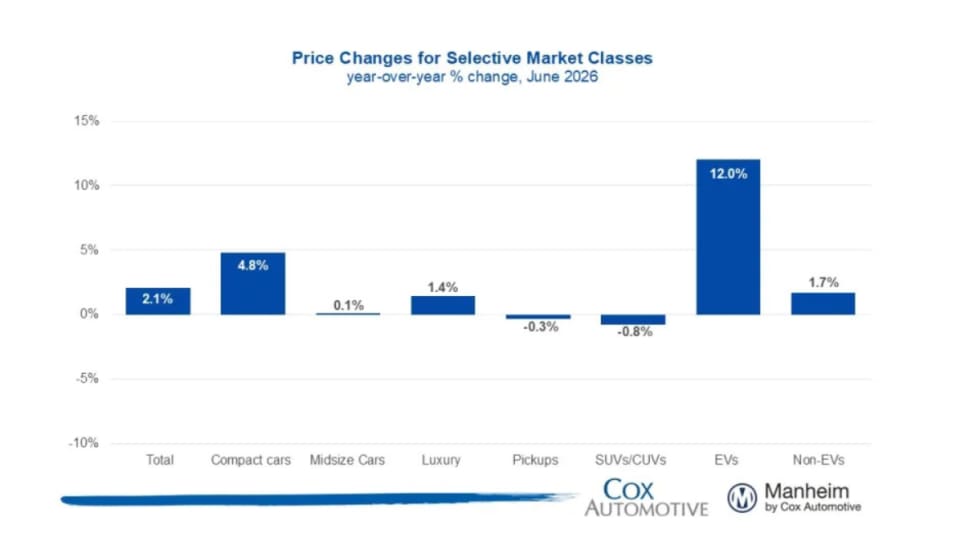
Manheim Index Shows Used-Vehicle Wholesale Prices Up 2.1% in June
The market is seeing stronger appreciation in older used vehicles this year, and the most affordable segments have been among the year’s best performers.
Read More →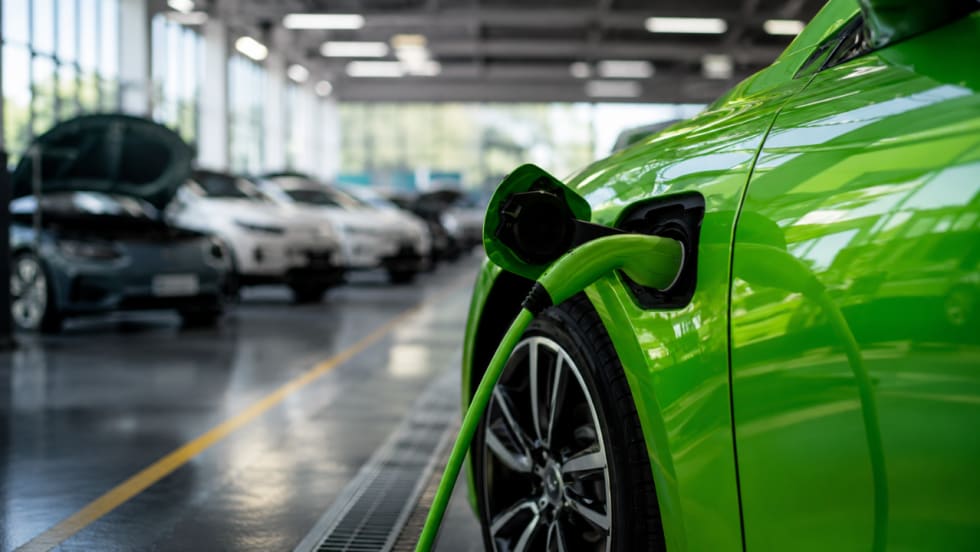
Stop Remarketing Electric Vehicles Like Gas Cars
The advantages and attributes of electric vehicles are upending the traditional remarketing cycle, requiring fleet sellers to rely on new factors and approaches detailed below.
Read More →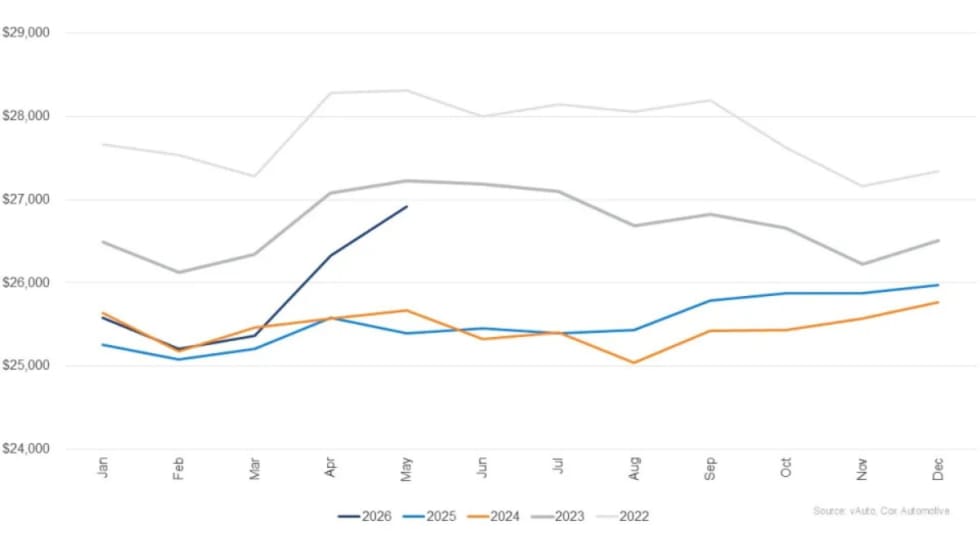
Used Vehicle Prices Climb Higher As Sales Pace Slows
The higher prices at used retail reflect strong wholesale values earlier in the spring, particularly for older, more affordable vehicles.
Read More →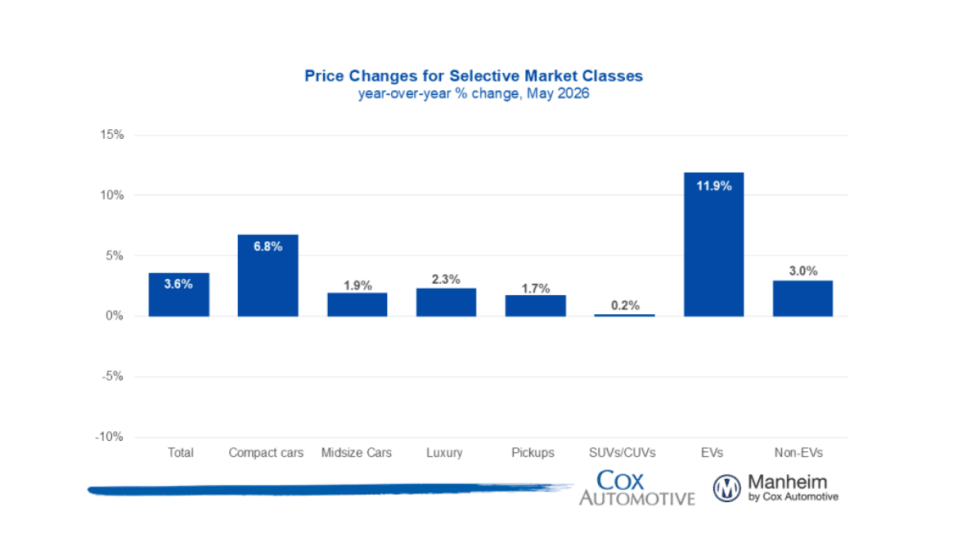
Wholesale Used Vehicle Market Sustains Moderate Rise In Values, Prices
Trends continue to normalize after a strong start to the year, as consumers contend with higher gas prices in the coming summer months.
Read More →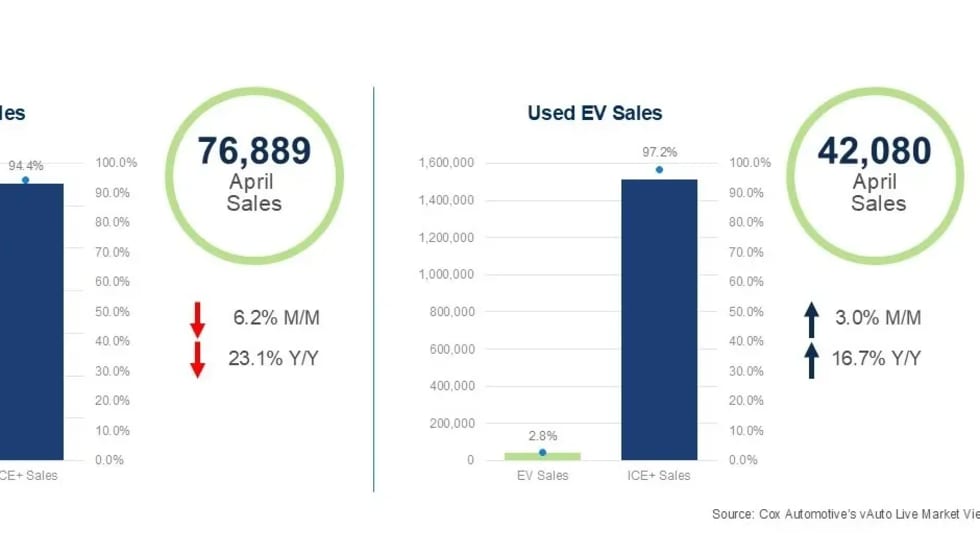
Used EV Sales Grow In April
While EV sales declined, used EV sales grew, as tighter inventory and rising prices reflected a more normalized pace for the EV market.
Read More →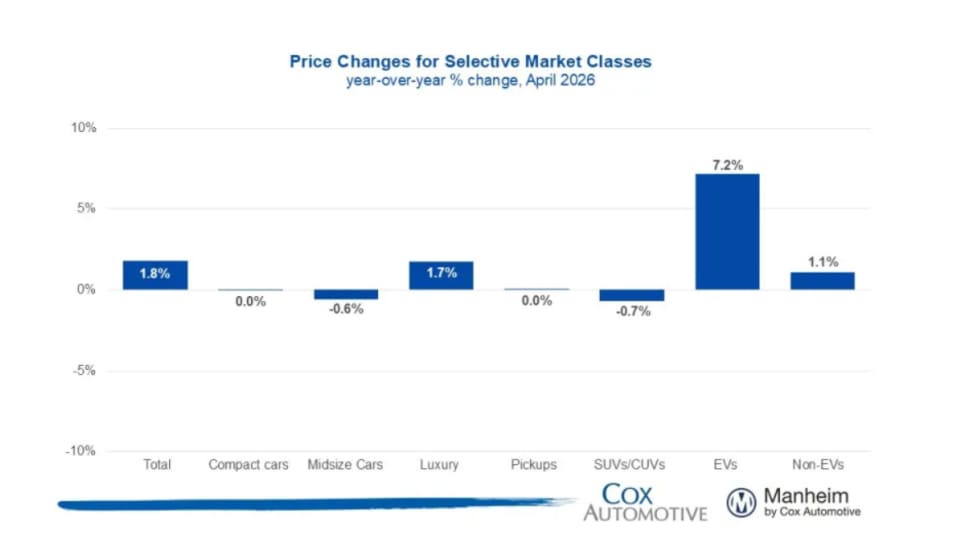
Wholesale Used Vehicle Prices Slightly Up In April
The Iranian conflict and rising gas prices inject much uncertainty into the future wholesale used vehicle markets, as higher gas prices soak up spendable income from vehicle buyers.
Read More →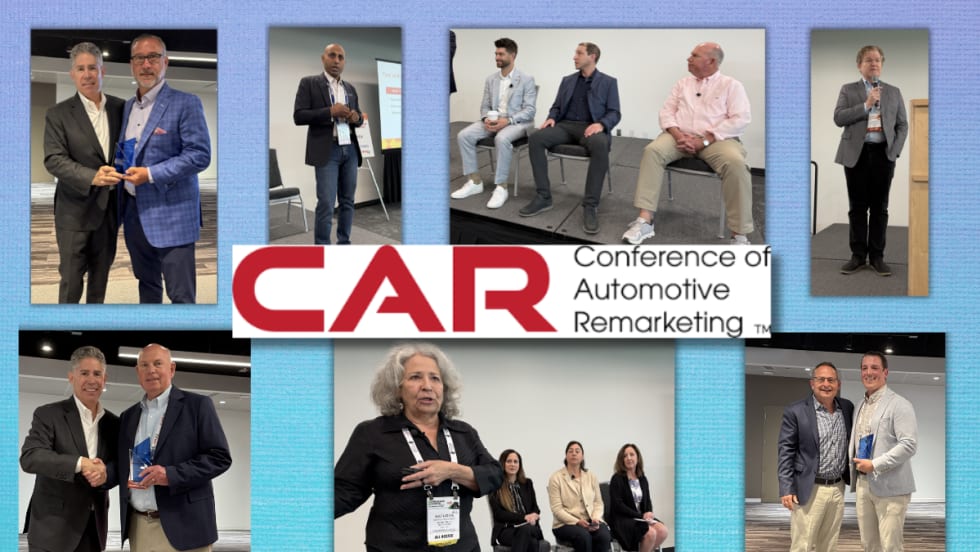
CAR 2026 Recap Part 2: Closing the Gap Between Data & Remarketing Value
The second half of CAR 2026 examined how fleets can translate lifecycle strategy, vehicle data, and market shifts into higher real-world results.
Read More →