



The 2003 Wholesale Market Projected to be Same as 2002
Resale values for two- and three-year old vehicles sold in the wholesale market in the fourth quarter 2002 were lower than the same period in 2001 when used-vehicle values hit rock bottom following the attacks of Sept. 11.

The wholesale market closed out the 2002 calendar year with unpredictable and erratic pricing in what universally has been characterized as an extremely soft resale market.
What made this market even more distressing was that resale values, on average, were lower than the same period in 2001, when used-vehicle values hit rock bottom following the attacks of Sept. 11. “Who would have thought that the same period one year later could actually be worse?” said Dave Langley, national manager, vehicle remarketing for Honda Financial Services Remarketing Center. “We had very nervous wholesale purchasers who wondered what today’s purchase was going to be worth in two weeks.”
Currently, the question on the minds of many remarketers is what’s in store for 2003 calendar year?
“Resale values in 2003 will remain flat,” predicted Layne Weber, remarketing manager for Donlen Corporation, a fleet management company headquartered in the Chicago suburb of Northbrook. “For the past three years we have been experiencing deflation in the used-vehicle market. Each year, resale prices were lower than the preceding year,” said Weber. “I can’t say that the market has bottomed out, but I am optimistic that deflation will not continue in the long-term.”
John Rancourt, director of license/title and used-vehicle marketing for LeasePlan USA, a fleet management company headquartered in Alpharetta, GA, forecasts that the 2003 calendar year will be a continuation of what remarketers have experienced in 2002. “A lot will depend on the economy and the volume of manufacturer new-vehicle incentives, but I don’t foresee the wholesale market getting better in 2003.”
A wild card for the 2003 market is the upcoming United Auto Workers (UAW) contract negotiations, said Steve Krnich, sales and new production manager, vehicle remarketing for Wheels Inc., a fleet management company in Des Plaines, IL. The UAW’s national four-year agreement with GM expires Sept. 14, 2003. The UAW strike against GM in 1998 caused resale values to increase five to seven percent as GM dealers scrambled to acquire used vehicles to substitute for their depleted new-vehicle inventory.
A Tough Fourth Quarter in 2002
Used-vehicle resale values in the wholesale market in the fourth quarter of 2002 continued to be soft with fall prices down as much as 20 percent for some models compared to same time last year, said Weber. “To put it in perspective, these prices are compared against the post-Sept. 11 used-car market, which was abysmal,” added Weber.
“The market came down faster in September and October 2002 than it did in 2001,” said Krnich. One reason for the sharp drop in resale values between September and October was that more fleets, industry-wide, began placing new-model orders earlier than normal in reaction to the beating they took in the wholesale market in the fall of 2001. This resulted in an increased supply of fleet vehicles in the wholesale market in September. “Auction volumes were up, but demand remained weak,” said Krnich.
Another reason for the weak fourth quarter market was attributed to the large incentives manufacturers were offering to stimulate new-vehicle sales. “As long as new-vehicle prices stay low, so too will used-vehicle prices,” said Krnich. “The million-dollar question is, when are the manufacturers going to ease up on incentives? When are the four-figure incentives going away?”
Resale values for pickup trucks, which have been perennially strong, were down, on average, approximately seven percent in the fourth quarter of 2002. Although resale values for minivans in 2002 were flat when compared against fall 2001, wholesale prices at that time were also severely depressed. Minivan resale values were down 15 percent in fourth quarter 2002 compared to same time last year. This softness is part of an ongoing downward trend in minivan resale prices, which has been occurring for the past two years. “Minivan prices have been ratcheting downward and the guidebooks haven’t been able to keep up with the price adjustments,” said Rancourt. The soft market has equally affected both short and long wheelbase minivans, with only seven-passenger units and those with rear AC commanding a premium.
Similarly, SUV prices are soft, especially for two-year-old units with more than 70,000 miles. “These have a severe drop-off in value,” said Rancourt. The bright spot among SUVs continues to be the compact segment, where there is still a limited supply in the wholesale market due to the relative newness of this vehicle segment.
However, resale values for large compact sedans, especially those with fewer than 50,000 miles, are holding steady with some models, such as the Malibu and Stratus, commanding better than average prices, said Weber.
Last November, resale prices for intermediate sized fleet sedans were down 10 percent compared to same time last year, said Rancourt. However, some models, such as the Grand Prix and Intrepid, continue to fare better than average in resale among intermediate fleet sedans.
SIDEBAR:
Factors that Will Influence the 2003 Wholesale Market
Aggressive new-car incentives, high used-vehicle availability as a result of trade-ins, lease/rental returns, and increased repossessions are some of the concerns facing remarketers in the 2003 calendar year.
In addition, the weak economy and world events could adversely influence the strength of the wholesale market, especially if the retail new-vehicle market is also negatively affected.
New-Vehicle Incentives
Much of the blame for the soft wholesale market in 2002 was directed to zero-percent financing, which automakers have used for more than a year to stimulate new-car sales. New-vehicle incentives increased by about 12 percent in 2002. As a result, these lucrative incentives exerted downward pressure on the prices of late-model used vehicles. Most observers don’t believe this will change in 2003.
Used-Vehicle Supply and Demand
With new-vehicle incentives still strong, the retail market for used vehicles will be tough again this year. This may depress retail used-vehicle sales and soften demand for used vehicles in the wholesale market. This will make average and marginal vehicles harder to resell. With the manufacturers’ need to continue matching competitors’ incentive programs, along with off-lease units that will be coming back in still strong volumes, the rebound of the wholesale market may be slow to materialize. In 2003, there will be 1.67 million off-lease vehicles entering the wholesale market, according to CNW Marketing.
Economic Uncertainty
Uncertainty is the feeling expressed by most remarketers about the market in 2003. This uncertainty revolves around the economy, the possibility of war, and ongoing new-vehicle incentives. The short-term hope is that tax refunds in the hands of consumers will help to stimulate the used-vehicle market this spring.
Possibility of War
At the top of the list of ominous world events is the possibility of a war with Iraq and/or North Korea. The concern is that a war will cause gasoline prices to increase and consumer confidence to plummet, which would have a major impact on the used-vehicle market.
Unforeseen Events
Other factors that could depress used-vehicle values in 2003 are another downward slide in stock market prices or another successful terrorist attack. Either one of these or a combination of both would negatively impact market conditions in 2003.
More Used Vehicle Values
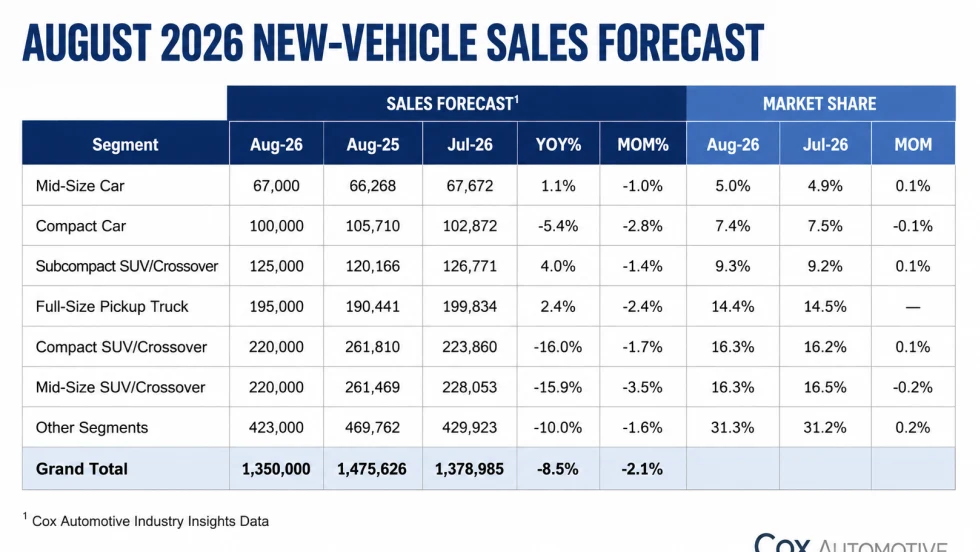
August New-Vehicle Sales Pace Forecast to Hold Above 16 Million
Despite an expected 8.5% year-over-year decline in August volume, Cox Automotive forecasts a 16.3 million SAAR, with full-size pickups outperforming several major crossover segments.
Read More →
Trade Strategy Now Starts Long Before Turn-In
The strongest trade values aren't built at turn-in. Discover how maintenance, lifecycle planning, and shared risk protect truck resale value.
Read More →
What Happens When Residual Values Meet Real-World Markets
A truck's trade value isn't determined on turn-in day. Learn how market cycles, maintenance, and timing shape the gap between residuals and reality.
Read More →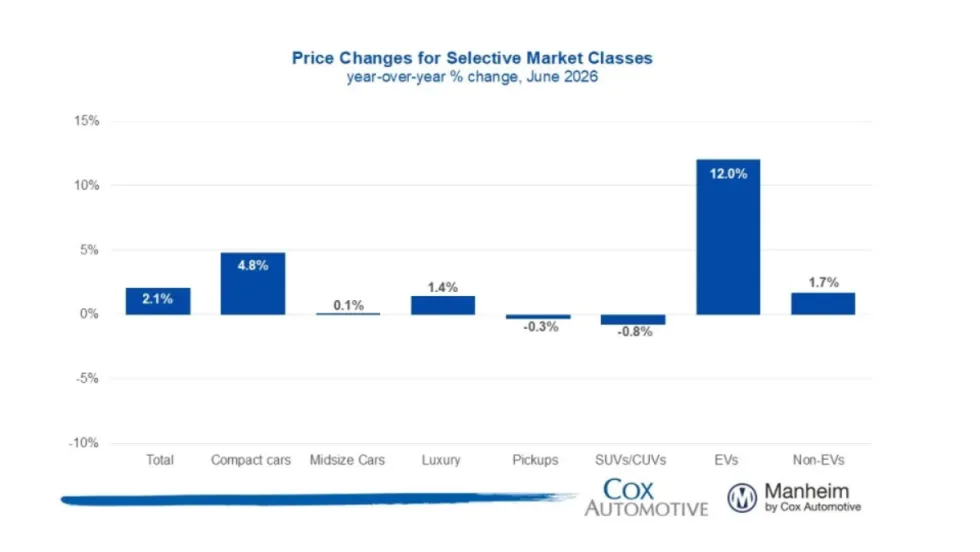
Manheim Index Shows Used-Vehicle Wholesale Prices Up 2.1% in June
The market is seeing stronger appreciation in older used vehicles this year, and the most affordable segments have been among the year’s best performers.
Read More →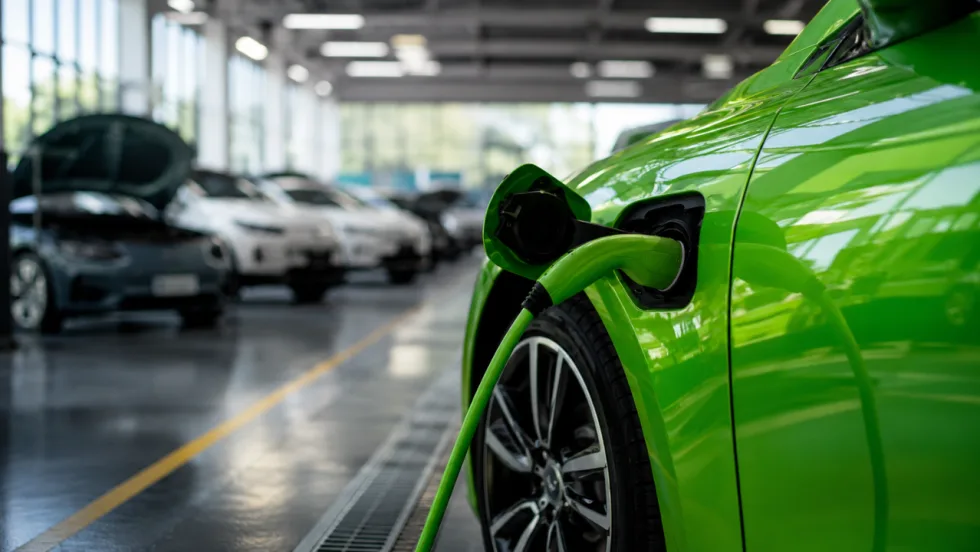
Stop Remarketing Electric Vehicles Like Gas Cars
The advantages and attributes of electric vehicles are upending the traditional remarketing cycle, requiring fleet sellers to rely on new factors and approaches detailed below.
Read More →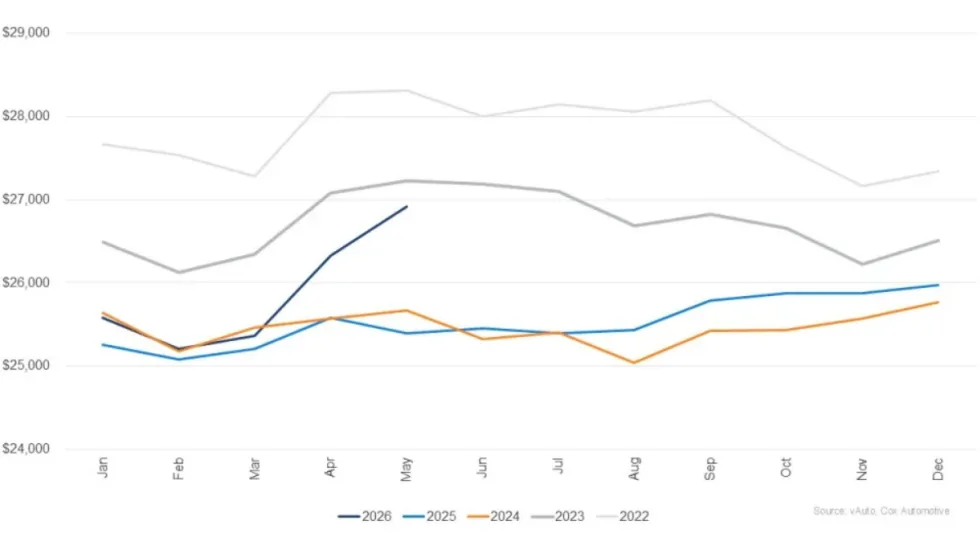
Used Vehicle Prices Climb Higher As Sales Pace Slows
The higher prices at used retail reflect strong wholesale values earlier in the spring, particularly for older, more affordable vehicles.
Read More →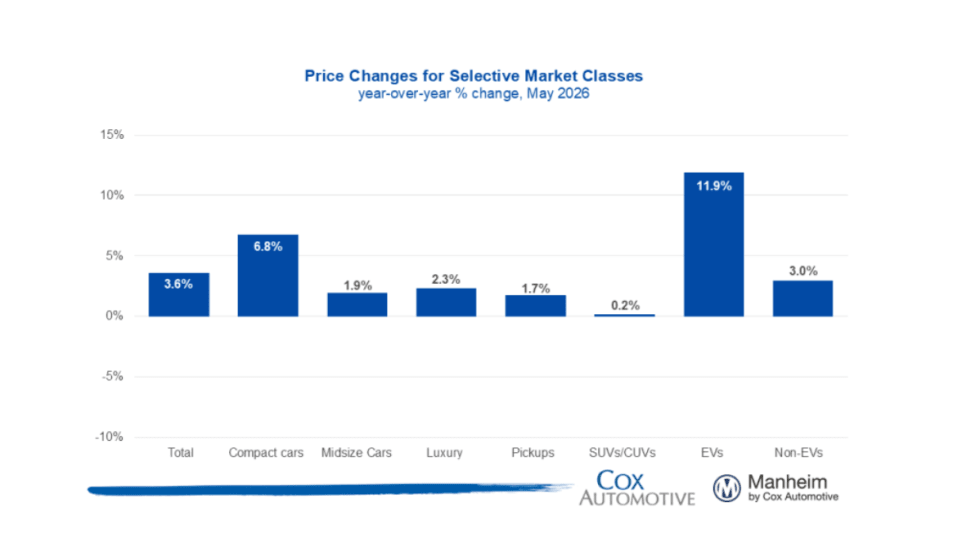
Wholesale Used Vehicle Market Sustains Moderate Rise In Values, Prices
Trends continue to normalize after a strong start to the year, as consumers contend with higher gas prices in the coming summer months.
Read More →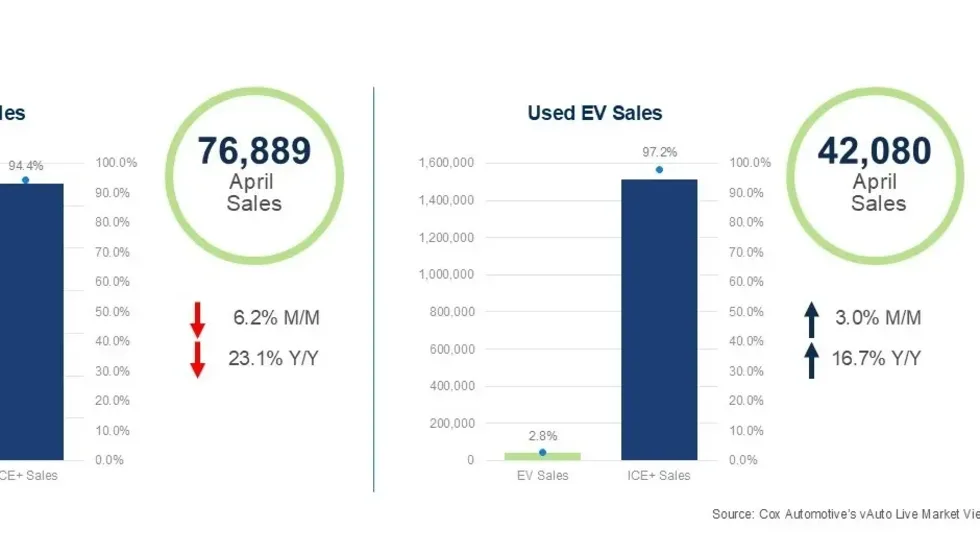
Used EV Sales Grow In April
While EV sales declined, used EV sales grew, as tighter inventory and rising prices reflected a more normalized pace for the EV market.
Read More →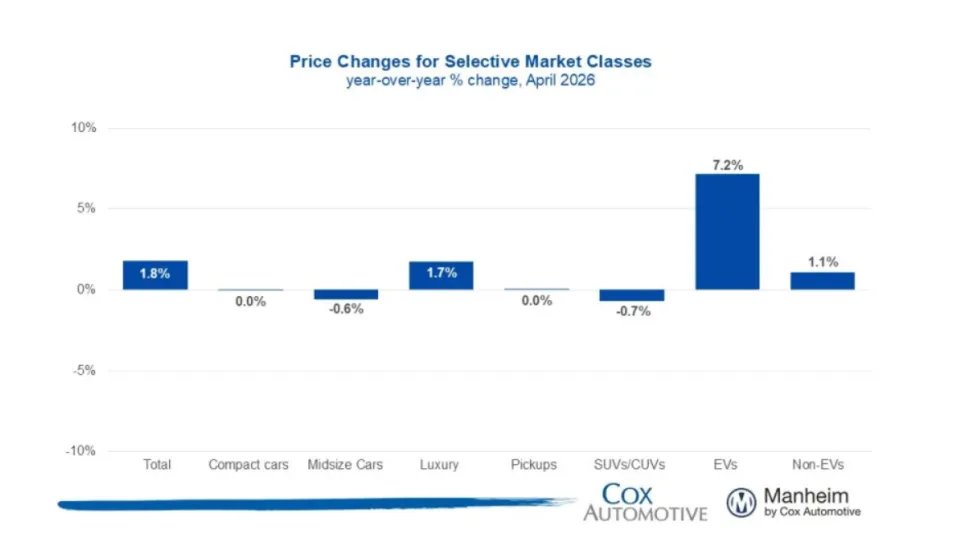
Wholesale Used Vehicle Prices Slightly Up In April
The Iranian conflict and rising gas prices inject much uncertainty into the future wholesale used vehicle markets, as higher gas prices soak up spendable income from vehicle buyers.
Read More →
CAR 2026 Recap Part 2: Closing the Gap Between Data & Remarketing Value
The second half of CAR 2026 examined how fleets can translate lifecycle strategy, vehicle data, and market shifts into higher real-world results.
Read More →