



Tips for Recouping a Better Return When Selling Fleet Vehicles
By implementing one or two new strategies — such as timing sales based on mileage or seasonality, expanding sales channels, or considering purchasing options — small fleet operators can return more money to their fleet’s bottom line.
January 25, 2017


Photo courtesy of iStockPhoto.com/Erdre
7 min to read

Photo courtesy of iStockPhoto.com/Erdre
For many business owners who manage small fleets, the time to sell those vehicles often gets little attention.
Whether it’s a lack of time or manpower, an approach that seems to work well enough already, or the belief that the vehicles have too many miles to make much of a difference, the task of remarketing is far down the list of priorities in the overall lifecycle.
However, for small fleets of varying types, there are remarketing strategies that don’t place an inordinate burden on managers. Business Fleet reached out to fleet managers and fleet management experts to learn how they achieve better returns in the used-vehicle market.
Mileage Matters in Vehicle Resale
When Evan Sutherland, fleet manager of a small telecommunications company, took the job, his leased pickup trucks had run 100,000 miles. Sutherland decided to push the mileage to about 150,000 miles, but that move didn’t result in extra expense for major repairs — and the company still realized a good return.
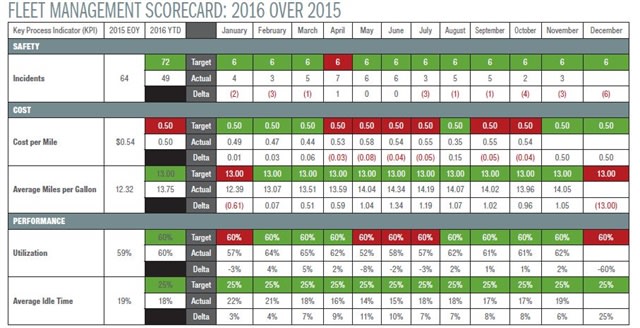
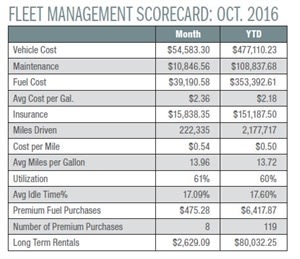
The key to this approach, he says, was keeping a tight rein on vehicle performance. He did this by keeping a vehicle scorecard and by installing telematics on every truck. “I kept good track of cost per mile,” he says. “Lease expense, insurance, fuel, maintenance — everything was in there.”
While Sutherland was able to extend his truck cycles, sometimes cycling sooner pays off.
Vehicles with fewer miles are more attractive to franchised dealers, because they’re easier to sell from their retail vehicle lots, says James Crocker, director of fleet operations for Merchants Fleet Management. Those under warranty are highly sought after through CPO (certified pre-owned) programs.
Certainly, vehicles experience a higher rate of major parts failures as they age, though the key is to understand variances by vehicle usage, type, and manufacturer. “We have an analytics team that can let you know when vehicles could become a problem before you get to that point,” Crocker says.
Whether extending or shortening lifecycles will benefit your fleet hinges on understanding your fleet’s historical performance, keeping accurate maintenance records, and using data available to you.
Timing is Everything
Defleeting based on seasonality and location also plays a part.
“Snow can dramatically affect remarketing and values,” Crocker says. De-fleeting in early spring provides better returns, as small businesses prepare for the busy season and retail buyers have tax refunds in hand.
Selling based on climate works in other ways: Fleet management companies will move de-fleeted four-wheel-drive vehicles from warmer climates to sell in the North because it will generally return more than the cost to move them, Crocker says.
Regarding four-wheel drives, “Sell them in Michigan in September, and you’ll get more money than any other time of year,” says Jim Zylstra, owner of Tuff Turf Molebusters, a Western Michigan-based pest control and lawn care company.
Expand Your Dealer Channels
Fleet managers accustomed to getting rid of used vehicles through a single source will benefit from expanding their sales outlets.

Photo courtesy of iStockPhoto.com/WhyFrameStudio
One opportunity would be to pick up the phone and expand your dealer contact list. Another would be to explore setting up an account with a local auction. Though this is considered selling “wholesale,” it doesn’t necessarily result in a lower price than selling straight to a dealer or broker.
Crocker recounts when Merchants wouldn’t accept a lowball offer directly from a dealer for a group of vehicles, only to find that the dealer ended up buying the same vehicles at auction for more money. Getting vehicles in front of more eyes — through both physical and online auctions — often results in a higher return.
Conversely, for higher-mileage, lower-value units, online retail channels may be the best option.
Wheelz Up!, an auto parts delivery service serving the metro D.C. area, runs cargo vans that clock more than 30,000 miles per year. With used vans valued in the $3,000 to $14,000 range, “it’s easier to capture the attention of buyers from Craigslist and eBay rather than going through a broker or dealer,” says Jeb Lopez, owner. “At least when we sell it, we don’t have to pay a middleman because margins are low anyway.”
On those forums and for those prices, Lopez expects a certain level of bargaining. “Buyers will try to knock off at least $1,500 from the asking price, and both buyer and seller would negotiate or compromise on a halfway point,” he explains.
Another opportunity is selling directly to employees and their families. With some targeted marketing placed before the vehicle is de-fleeted and fair pricing based on guidebook values, this method can get vehicles off the books sooner while providing an employee perk.
As titleholders, fleet management companies (FMCs) can facilitate sales of leased vehicles to drivers, Crocker says.
FMCs, such as Merchants, use their resources and expertise to utilize the appropriate channel based on specific fleet conditions to maximize ROI. Crocker says Merchants will consult with a new fleet to perform a “courtesy sale” on a group of vehicles to test results.
Balancing Savings with Hassles
Many of the trucks at Sutherland’s company have utility bodies, caps, and bed slides. Instead of transferring them to save the cost of new equipment, Sutherland sold them with the used units. At resale, transferring equipment will require two vehicles to be out of service.
“Switching everything over is going to cause some pain in terms of downtime,” Sutherland says.
By implementing one or two new strategies — such as timing sales based on mileage or seasonality, expanding sales channels, or considering purchasing options — small fleet operators can return more money to their fleet’s bottom line.
The telematics equipment, however, was transferred to the new vehicles. “The hardest part was getting an installer out on our time frame,” he says.
The company’s leased trucks are provided through a fleet management company, which collects the trucks when it’s time to de-fleet, alleviating the hassle of disposing the vehicles. This is important for Sutherland’s company, because the fleet is dispersed over many states.
This convenience didn’t ding the budget: Sutherland would determine the trucks’ resale value using a guidebook, and he found that actual sale prices were within 10% of the figure, he says. Whatever the sales channel, understanding your vehicles’ values using sources such as Kelley Blue Book or Black Book is imperative.
Reconditioning vehicles before the sale should be considered, but on a vehicle type and mileage basis. While a skinned bumper on a 30,000-mile car might be worth repairing, at 60,000 miles, it may not.
“At higher mileages, you’re getting into a different class of buyer and [minor scrapes] wouldn’t matter to that person,” says Evert Asbridge, remarketing manager for Merchants.
When you are selling direct to consumers, thorough detail goes a long way. “If it looks clean, people are more likely to buy it,” Zylstra says.
Buy to Sell (Think Ahead)
Crocker urges fleet managers to consider remarketing during the initial acquisition process.
Buying a “stripped” base model may save money upfront, but it can be a shortsighted strategy. Must-have options today include Bluetooth connectivity and hands-free kits, while leather holds its value and wears better than vinyl or fabric.
For pickup trucks, Crocker recommends opting for a crew- or extended-cab configuration rather than a single-cab. Two doors and two seats might work for a single fleet driver, but four doors and a backseat are dealmakers for families.
On the engine front, however, initial fleet use may take precedence over the secondary market. While the new, fuel-efficient V-6 engines might have more appeal for a used retail buyer, “Towing and heavy loads put greater stress on the engine,” Crocker says. “You’re not reaping the benefits of the V-6 for fuel economy if you’re using it in a work capacity.”
As residual values vary by make and manufacturer, expanding your vehicle selector when spec’ing could recoup thousands of dollars at resale. This is where a guidebook again becomes essential, or using a total cost of ownership calculator such as the one powered by Vincentric on Business Fleet’s website, www.businessfleet.com.
Every fleet is different, with different needs and different methods for determining value. The key is not just leave it to chance. Whether you decide to contract with an FMC or handle remarketing yourself, understanding your vehicles’ values, your distribution channels, and mileage and seasonality considerations is imperative to maximizing resale value.
It also helps to stay on top of an ever-changing market. “You’ve got to watch this stuff to know what’s going on,” Crocker says.
Originally posted on Work Truck Online
Subscribe to Our Newsletter
More Operations
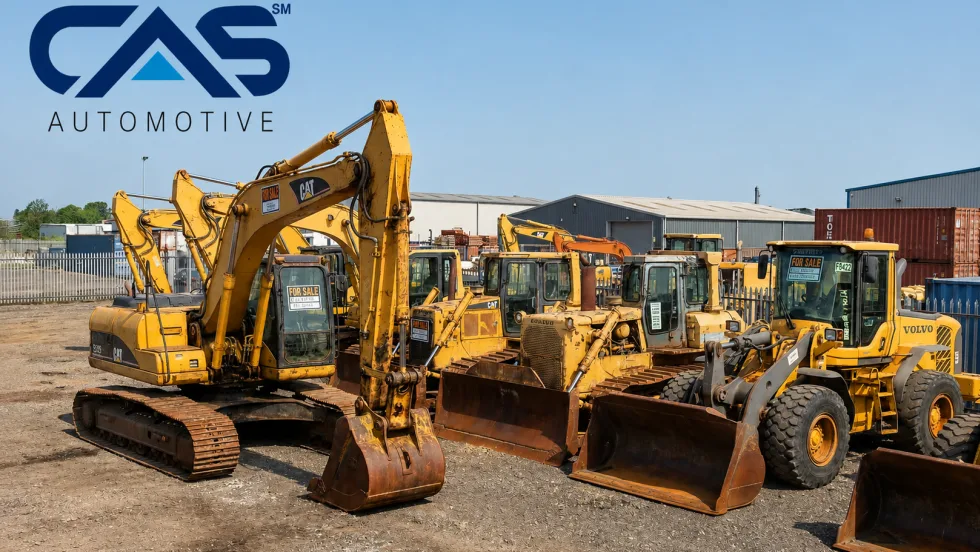
CAS Automotive Launches Remarketing Service for Damaged, Surplus Equipment
Damaged Equipment expands CAS Automotive’s vehicle remarketing model to commercial equipment, targeting fleet operators, insurers, equipment dealers, and rental companies.
Read More →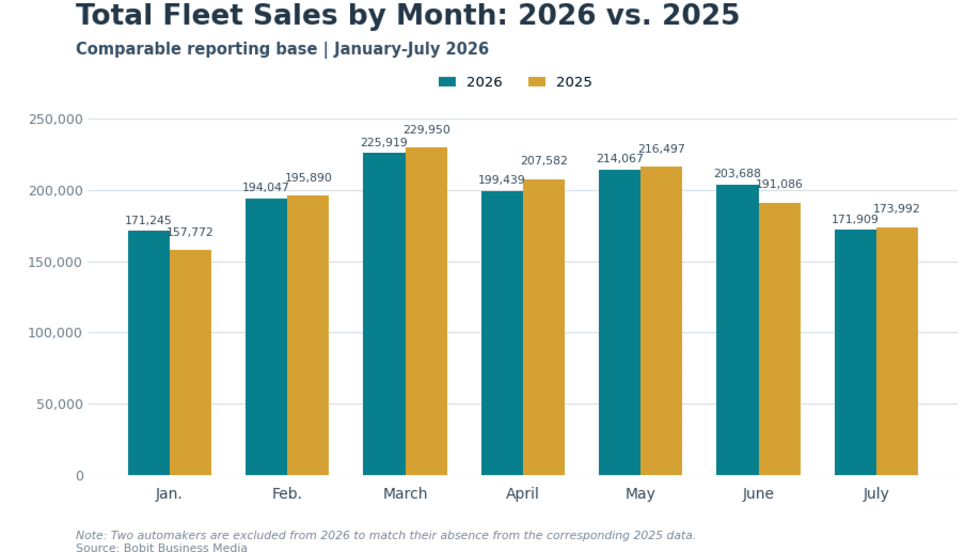
Fleet Sales Hold Steady as Commercial Gains Offset Rental Decline
Commercial and government fleet sales increased through July 2026, offsetting most of the decline in rental volume and leaving combined comparable fleet sales 0.5% above the same period last year.
Read More →
Personnel Update: BrickHouse GPS, PRO-VISION, Auto Driveaway, and Proaction
Check out the latest must-know fleet personnel updates from the last couple of months.
Read More →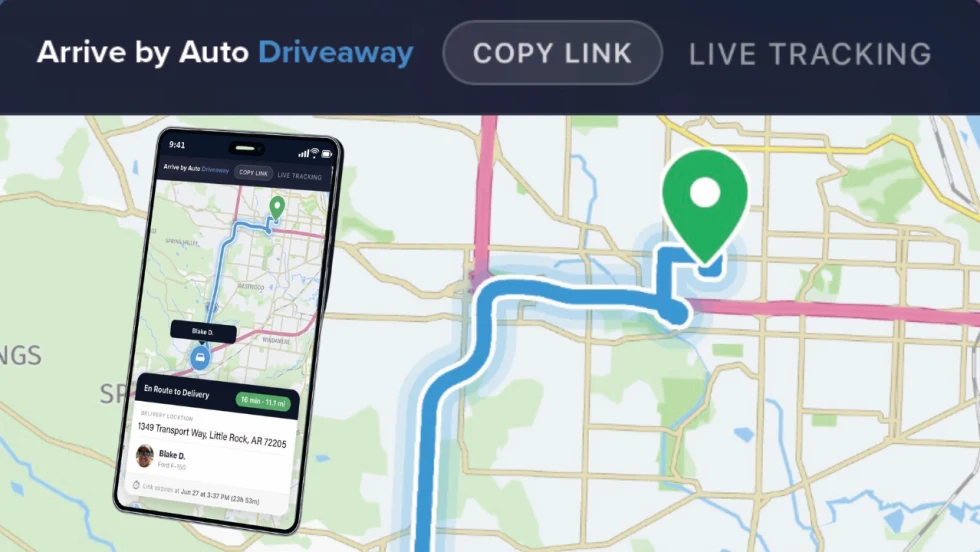
What Comes Next for Auto Driveaway?
A new Auto Driveaway feature called Arrive provides recipients with live location updates and ETAs during the final hour of a vehicle move, while fleet customers continue to have end-to-end shipment visibility through the company's customer portal.
Read More →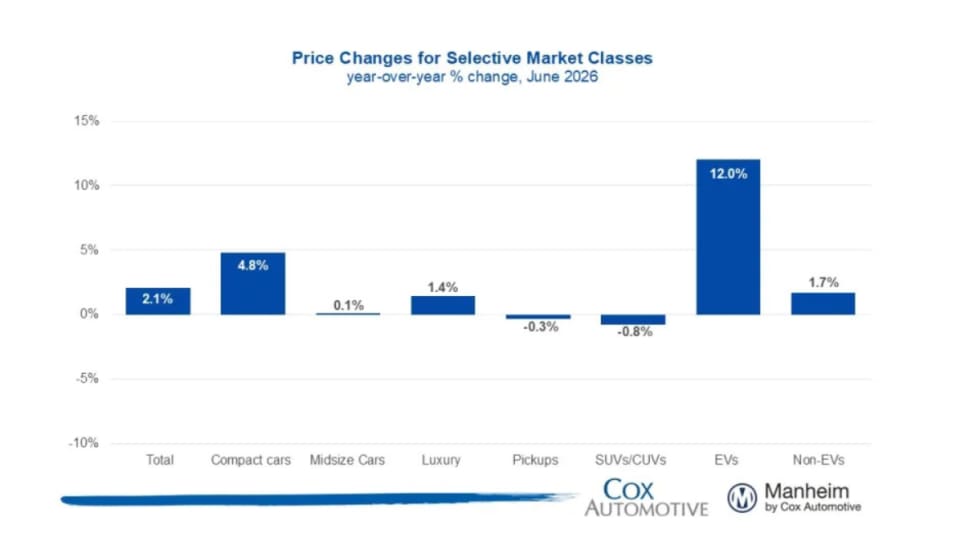
Manheim Index Shows Used-Vehicle Wholesale Prices Up 2.1% in June
The market is seeing stronger appreciation in older used vehicles this year, and the most affordable segments have been among the year’s best performers.
Read More →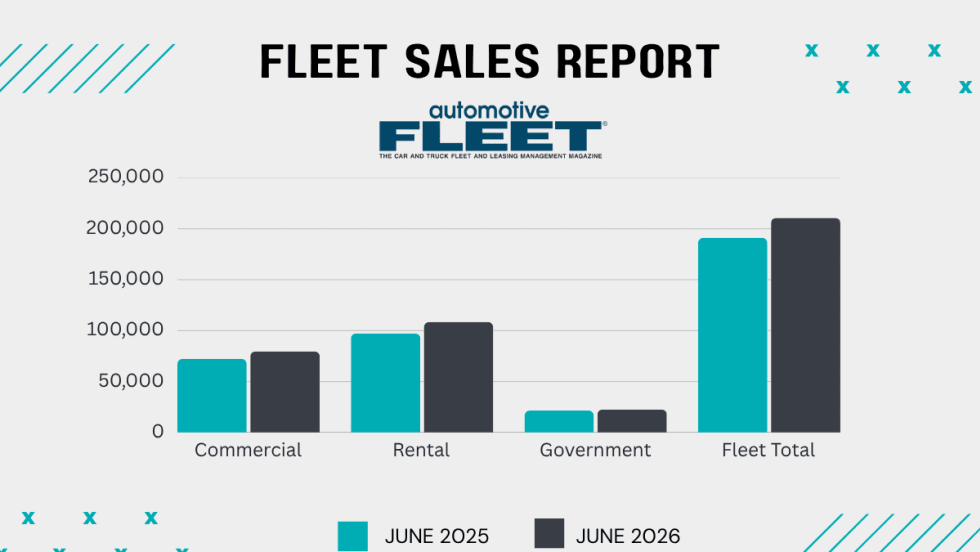
Commercial Fleet Sales Contribute To June, YTD Gains
The fleet sector has boosted its vehicle purchases at a reliable pace in the first half of this year compared with 1H 2025.
Read More →
Stop Remarketing Electric Vehicles Like Gas Cars
The advantages and attributes of electric vehicles are upending the traditional remarketing cycle, requiring fleet sellers to rely on new factors and approaches detailed below.
Read More →
AP Fleet Management Expands Remarketing Program for Commercial Work Trucks
AP Fleet Management expanded its commercial vehicle remarketing program with dedicated resale services and an online marketplace for used work trucks.
Read More →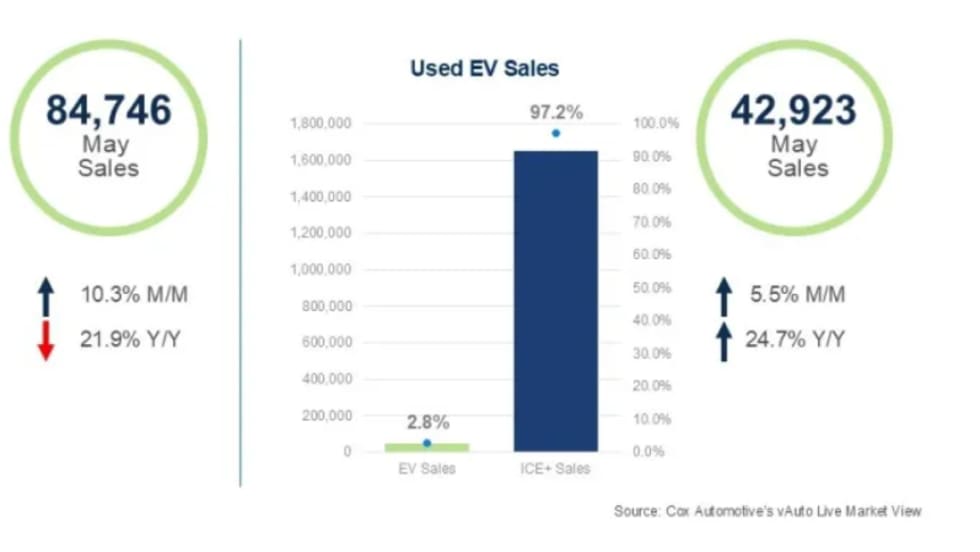
Used EVs Strengthen Overall Electric Vehicle Market
The latest sales data point to several reasons for the divergent trends in new and used EVs that can factor into fleet cycling decisions.
Read More →
The Data-Driven Haul: 5 Ways AI is Leveling the Playing Field in Auto Transport
Large and small transport fleets are becoming more competitive as predictive analytics and real-time data inform the logistics decision chain.
Read More →