



Q&A: FLD's Remarketing Technology
Delray Beach, Fla.-based FLD has made a name for itself as providing high-tech solutions for its clients. For the past 33 years, it has been spearheading online and other types of technology that has helped transform the industry.


Photo courtesy of Gary Mott.

Photo courtesy of Gary Mott.
Delray Beach, Fla.-based FLD has made a name for itself as providing high-tech solutions for its clients. For the past 33 years, it has been spearheading online and other types of technology that has helped transform the industry.
For FLD Vice President Gary Mott, the company is much more than just a technology company. Following are excerpts from Mott's interview with Automotive Fleet.
AF: Online multi-platform selling is a hot topic in remarketing at the moment. What are some of the challenges of fully implementing it?
Mott: The whole industry is growing rapidly and the technology is changing so fast. To stay on top of it, and get the time to develop, implement, and work out the bugs, it comes to the point that you're almost working with old technology by the time you get to that point.
That's probably one of the biggest challenges we have. The online venues on the other side of the table have the same challenges as well. It would be nice to get the industry together and find one company to write that program so we could pass that information to and fro. It's getting there, but it's a lot of code to write.
AF: Can you explain the management aspect of your solution?
Mott: It's a multi-vendor management system. What most people don't realize is that FLD has a portfolio of vehicles. We acquire them from our clients and put them back into the marketplace. Essentially, we are running a fleet of vehicles; the only difference is that our lifecycle time is about 30 days from when we acquire a unit to when we dispose of it. But, all the same attributes are there. We have to move it, recondition the vehicle, track the vehicle, depreciate the vehicle, etc.
We decided to take the components of our proprietary VTK system, which is a vehicle tracking system, and allow the user (in this case, the fleet manager) to manage multiple vendors and have multiple outlets just on the remarketing side. We also do it on transportation, title, registration renewals, etc.
What we're doing is taking our software and putting it in the hands of the fleet administrator. One of the benefits of this system is that it allows fleet managers to manage from a day-to-day level or asset level, but it also has a second tier that allows strategic sourcing or procurement departments within the organization to establish service level agreements (SLAs) and key performance indicators (KPIs) on the fleet.
AF: Could you discuss how you've been advising fleet managers about like-kind exchanges (LKE).
Mott:Like-kind exchange also known as a 1031 exchange or LKE — it has several names in the marketplace — has been part of the tax code since the 1920s. It primarily has been used in real estate transactions where there's a taxable gain. The like-kind exchange allows someone to defer the taxable gain when an asset is sold or, in our case, remarketed and use that gain to purchase a "like type" asset. As an example, a company remarketing a 2005 cargo van and utilizing those funds to purchase a 2014 model could apply those funds for another like-kind asset, it allows the deferment of that tax, which could mean a substantial benefit.
There's some talk in Washington, D.C. about taking the bonus depreciation away for 2014, which could have a significant impact depending on how they are reflected on your books. Following these new tax laws and looking at how they apply to our business, we have partnered with PricewaterhouseCoopers. We're making the fleet industry and the fleets we're in touch with aware of the LKE, providing information and explaining how it can apply to fleets as they're replacing their assets, and making the introduction to PricewaterhouseCoopers because they are the tax experts.
Since I've started spearheading the direction of our company two years ago, my goal is to be more than just a remarketer for our clients.
Originally posted on Automotive Fleet
More Technology
How to Build Custom Fleet Tools With AI and Vibe Coding [Webinar]
A new Automotive Fleet webinar explores how fleet managers are using AI and vibe coding to automate routine work and create simple operational tools without traditional programming skills.
Read More →
How America’s Auto Auction Used AI to Scale Finance Through Rapid Growth
As America’s Auto Auction expanded from about 10 locations to more than 50, AI-powered automation enabled its Accounts Payable team to process 33,000 invoices a month without adding staff.
Read More →
Stop Remarketing Electric Vehicles Like Gas Cars
The advantages and attributes of electric vehicles are upending the traditional remarketing cycle, requiring fleet sellers to rely on new factors and approaches detailed below.
Read More →
The Predictive Pivot: How AI and Data Are Redefining Auto Logistics in 2026
AI is no longer a luxury but the baseline for profitability in 2026. Auto haulers that adopt these tools now will quickly outpace those that use manual workflows or take a wait-and-see approach.
Read More →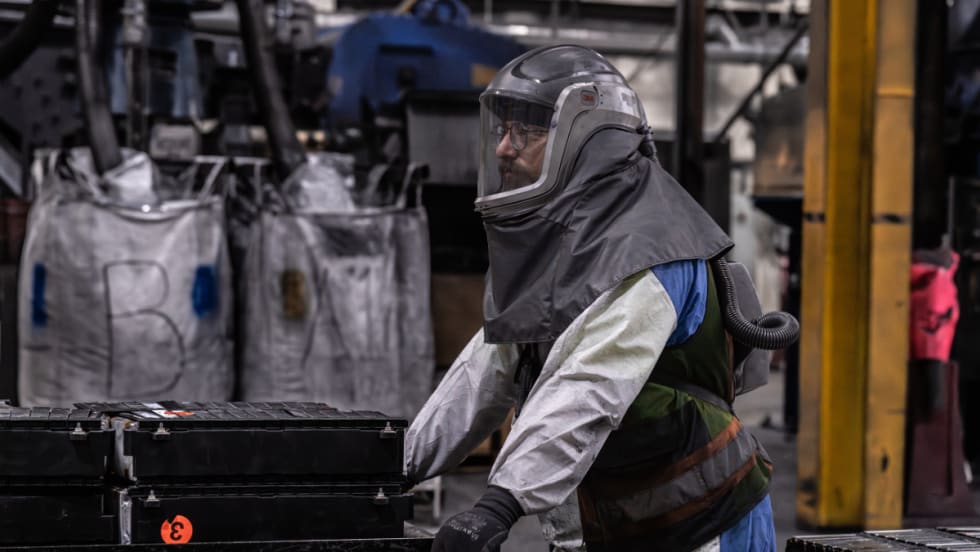
Cox Automotive Amasses EV Battery Minerals
The company has processed more than 10 million pounds of EV battery black mass, highlighting growing demand for recycling and lifecycle management as more electric vehicles enter the used market.
Read More →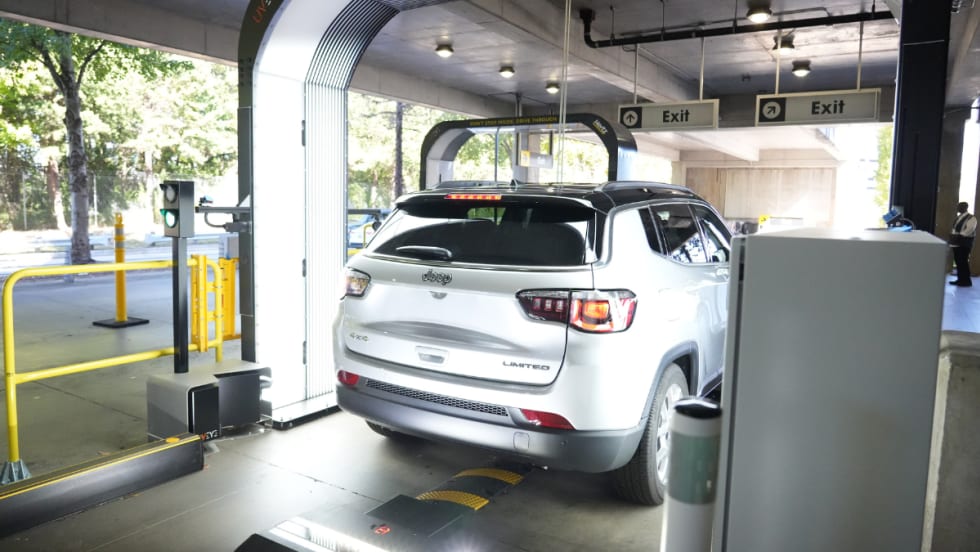
TSD Mobility, UVeye Partner On Automated Vehicle Inspections
The enhanced technology allows rental car operations, dealerships, and auctions to compare a vehicle’s condition at pickup and drop-off within the same rental or loaner record.
Read More →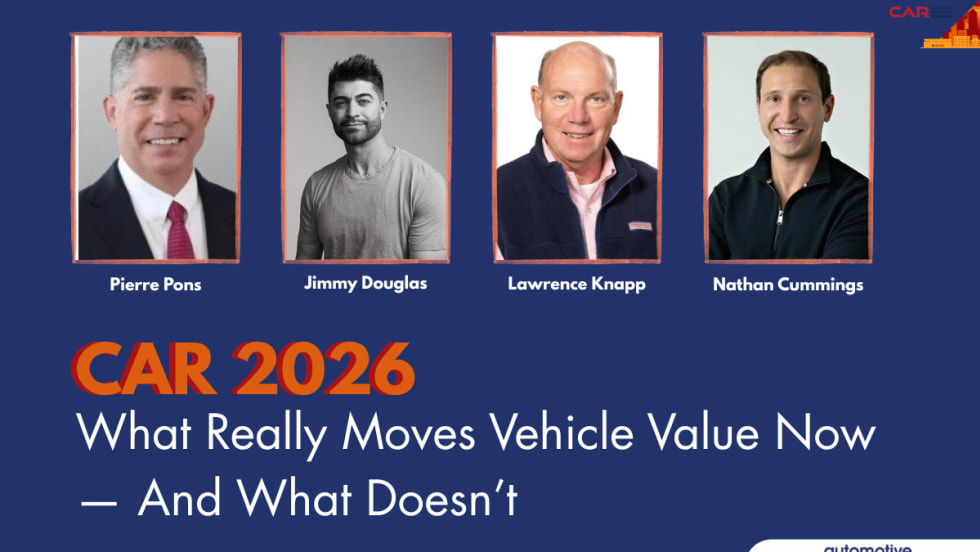
CAR 2026: What Really Moves Vehicle Value Now — And What Doesn’t
A panel at the 2026 Conference of Automotive Remarketing will examine how resale value is created across the vehicle lifecycle and which traditional remarketing practices still deliver ROI.
Read More →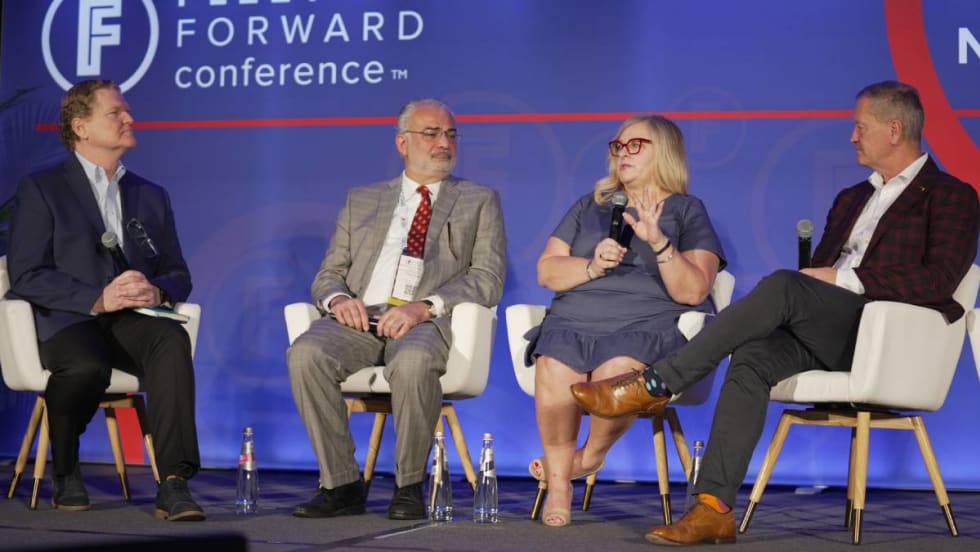
Despite World Troubles, Forward Thinking Guides Fleets
Fleet operators shared their challenges during an annual conference that embraced the latest advances across all aspects of running private- and public-sector vehicles.
Read More →
Privacy4Cars Study Reveals How 49 Auto Brands Handle Consumer Data Rights
The first-ever report sheds light on how well auto manufacturers offer vehicle owners access to their vehicle data.
Read More →
How AI Enhances Buying, Selling, and Trading Vehicles
AI has already evolved into a must-have tool for remarketers to work with greater clarity, make faster decisions, and run smarter digital marketplaces and business operations.
Read More →