



Related News:How One Rental Company Uses a New Damage Detection Tool
How Rental Car Companies Can Navigate the Maze of Damage Recovery
Auto rental companies that have adopted AI-based damage assessment technology see sizable decreases in vehicle downtime and much more customer satisfaction.
by Eliron Ekstein, Ravin AI
January 22, 2024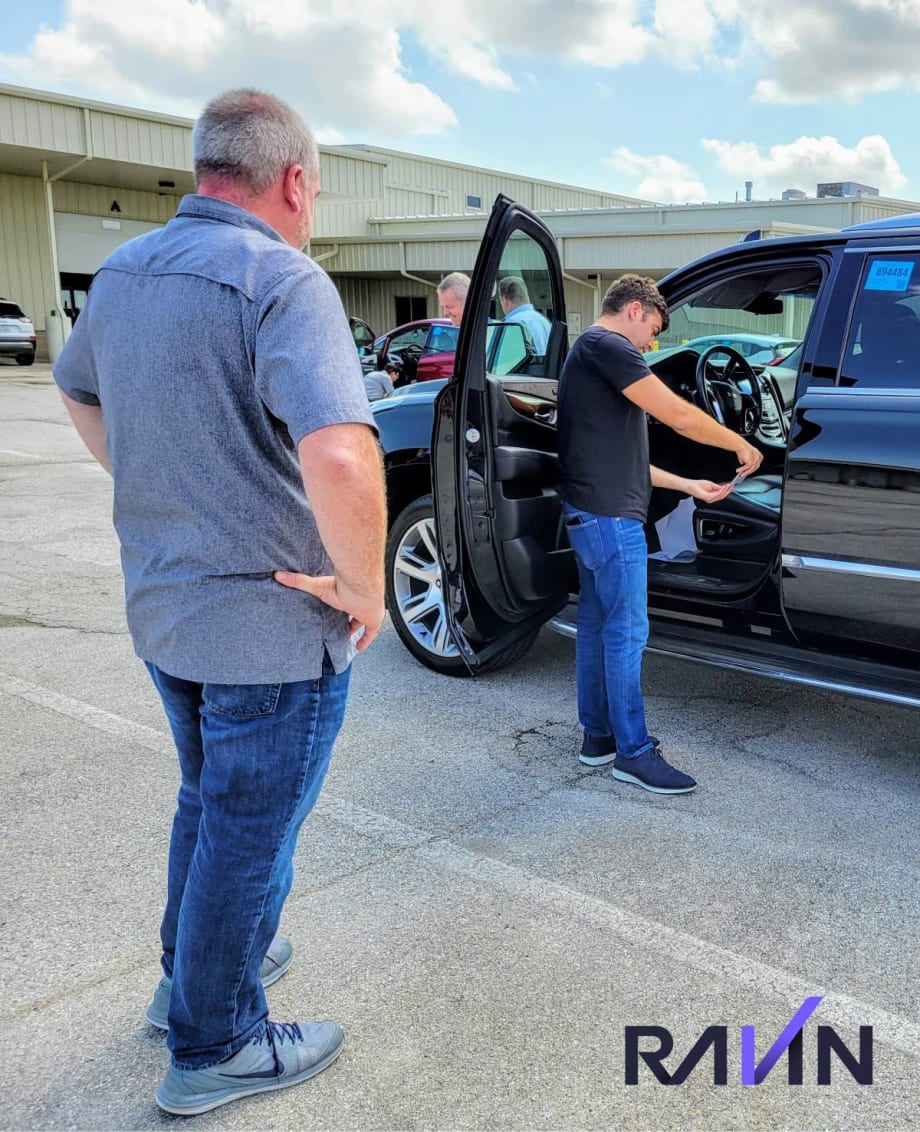
One major hurdle in damage recovery is the lack of concrete evidence. Without clear documentation of the vehicle's condition before and after the customer’s use, rental companies often find themselves in a precarious position.
Photo: Ravin AI
6 min to read
The rental car industry is at a crossroads. Faced with the constant issue of recovering costs from damages incurred during rentals, companies are searching for innovative solutions to an age-old problem.
The stakes are high: recent studies indicate that about 10% of rentals return with damage, yet recovery of these costs remains far too low.
At the heart of this challenge lies a deeply flawed process. Traditional methods of damage inspection and recovery are not just cumbersome; they are a logistical nightmare.
The requirement for manual inspection and appraisal disrupts operational flow, grounding vehicles and creating bottlenecks in what should be a seamless system. This inefficiency is not just an operational headache — it's a financial sinkhole.
The Financial Impact: A Deeper Dive
The financial repercussions of this inefficiency are profound. Consider this: for fleets exceeding 100,000 vehicles, the unrecouped damages can amount to over $30 million annually. This loss is exacerbated by the fact that the traditional damage recovery process is fraught with inaccuracies and inefficiencies. A vehicle grounded for inspection is a vehicle not earning its keep, leading to a double-edged sword of lost revenue and increased costs.
Breaking Down the Process
The process of damage recovery is, at best, a reactive one. Upon the return of a rental vehicle, companies rely on manual inspections to assess damage. This method is not only time-consuming but also leaves room for multiple human errors and inconsistency. The challenge is compounded when trying to determine the timeline of the damage: Was it present before the rental or incurred during it?
The Evidence Dilemma
One major hurdle in damage recovery is the lack of concrete evidence. Without clear documentation of the vehicle's condition before and after the customer’s use, rental companies often find themselves in a precarious position. The result? Many choose to absorb the costs rather than risk customer dissatisfaction or legal entanglements. This approach, while cautious, is financially unsustainable in the long run.
Technological Intervention: A Ray of Hope
Amidst these challenges, technology emerges as a beacon of hope. Advanced technologies have been developed to transform the damage inspection process. Technology can leverage ordinary CCTV cameras to detect incremental damage, offering a more efficient and accurate alternative to manual inspections.
This technological solution stands on the pillars of machine learning and artificial intelligence, analyzing more than one billion images and conducting 100 million inspections in airport settings. The precision and scale of this technology are not just impressive; they are revolutionizing the way rental companies approach damage recovery.
Technology Implementation: A Game-Changer
By automating the inspection process, the right technology can reduce much time and manpower required for vehicle assessments. This not only streamlines operations but also minimizes vehicle downtime, ensuring a faster turnaround and higher revenue generation.
The financial benefits are substantial. With the adoption of this technology, rental companies can recover an additional 20% on average for damages per rental. This improvement in recovery rates can translate into millions of dollars in saved costs annually for large fleets.
Operational and Customer Experience Improvements
Beyond the financial gains, this technology offers smoother processes and enhances the customer experience. The automated system reduces the likelihood of disputes over damage, creating more transparency and trust between the rental company and the customer.
The use of such technology also positions rental companies as innovators in customer service, leveraging cutting-edge solutions to improve efficiency and accountability. This not only boosts the bottom line but also enhances the company's reputation in a highly competitive market.
Legal and Ethical Considerations: Navigating the Fine Line
As rental companies embrace technology to streamline damage recovery, they must tread cautiously on the legal and ethical tightrope. The introduction of automated damage assessment systems raises questions about data privacy, customer consent, and liability. These companies must operate within the bounds of privacy laws, ensuring that customer data collected through CCTV and other means is used ethically and responsibly.
Furthermore, the shift towards automation must be communicated transparently to customers. Clear policies regarding damage assessment, liability, and dispute resolution need to be established to maintain trust and prevent potential legal conflicts. The goal is to create a system that is not only efficient but also fair and transparent to all parties involved.
Implementing Technological Solutions: A Step-by-Step Guide
The transition from traditional methods to advanced technological systems is not an overnight switch. It requires a well-orchestrated strategy focusing on integration, training, and adaptation.
Rental companies must first ensure their infrastructure can support these new technologies. This might involve upgrades to CCTV systems or the integration of new software platforms for damage assessment.
Training staff is another critical step. Employees need to be brought up to speed on how to operate new systems and interpret their outputs. This training ensures that the technology complements human expertise rather than replacing it, leading to a more harmonious and efficient workflow.
Success Stories: Paving the Way Forward
Across the globe, several rental companies have already begun reaping the benefits of this technological shift. For instance, a major European rental company implemented an automated damage assessment system and saw a 25% reduction in damage disputes and a 15% increase in damage recovery rates within the first year. This success story is not just about improved numbers; it's about setting a new standard in customer service and operational efficiency.
Another notable example comes from an American rental company that integrated AI-based damage assessment technology. The result was a 30% decrease in vehicle downtime and a big improvement in customer satisfaction, as the process became more transparent, and disputes were resolved more swiftly.
Future Trends: What Lies Ahead
As we look to the future, the possibilities for further innovation in damage recovery are limitless. The integration of technologies like blockchain could offer even more secure and transparent ways to track vehicle condition and damage history. The advent of connected cars and IoT (Internet of Things) technology could enable real-time monitoring of vehicle conditions, paving the way for even stronger approaches to damage management.
Conclusion: Embracing the Change
The journey to effective damage recovery is fraught with challenges, but the path forward lies in embracing technology. As rental car companies adopt these advanced systems, they not only enhance their operational efficiency and financial health but also improve their customer relationships.
In a world where customer experience often dictates success, rental car companies have a unique opportunity to lead the charge in innovation and customer service. By investing in technology and adapting to these changes, they can not only recover damages more efficiently but also forge stronger bonds with their customers, setting a new standard in the rental car industry.
ABOUT: Eliron Ekstein is the CEO of Ravin AI. This article was authored and edited according to Auto Rental News editorial standards and style. Opinions expressed may not reflect that of ARN.
Topics:damageCar Rental OperatorsArtificial IntelligenceVehicle InspectionsRental Car IndustryOperationsTechnology
Originally posted on Auto Rental News
Subscribe to Our Newsletter
More Operations

CAS Automotive Launches Remarketing Service for Damaged, Surplus Equipment
Damaged Equipment expands CAS Automotive’s vehicle remarketing model to commercial equipment, targeting fleet operators, insurers, equipment dealers, and rental companies.
Read More →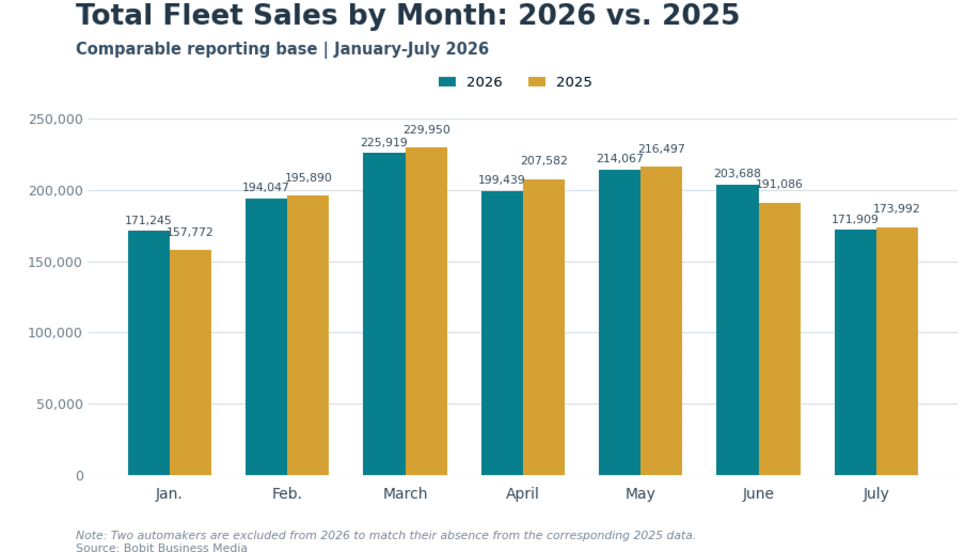
Fleet Sales Hold Steady as Commercial Gains Offset Rental Decline
Commercial and government fleet sales increased through July 2026, offsetting most of the decline in rental volume and leaving combined comparable fleet sales 0.5% above the same period last year.
Read More →
Personnel Update: BrickHouse GPS, PRO-VISION, Auto Driveaway, and Proaction
Check out the latest must-know fleet personnel updates from the last couple of months.
Read More →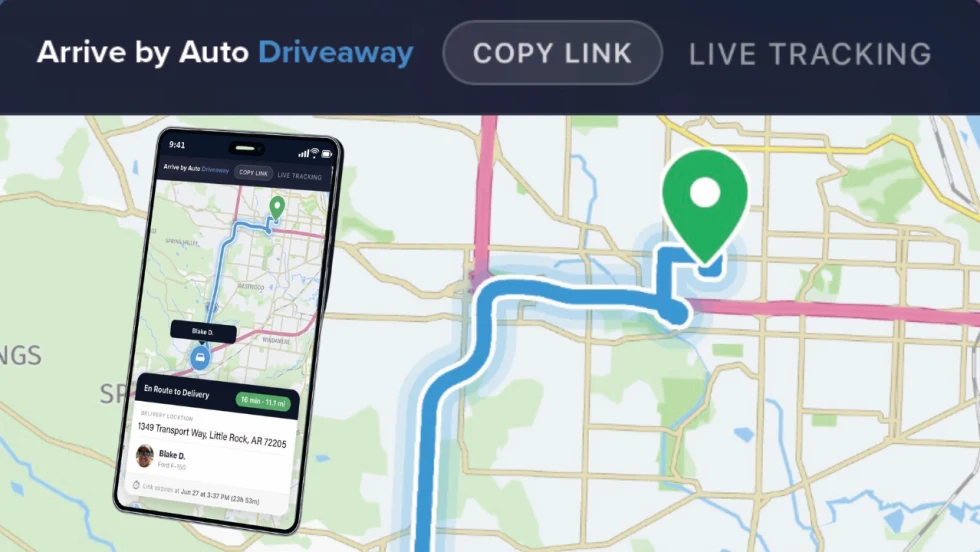
What Comes Next for Auto Driveaway?
A new Auto Driveaway feature called Arrive provides recipients with live location updates and ETAs during the final hour of a vehicle move, while fleet customers continue to have end-to-end shipment visibility through the company's customer portal.
Read More →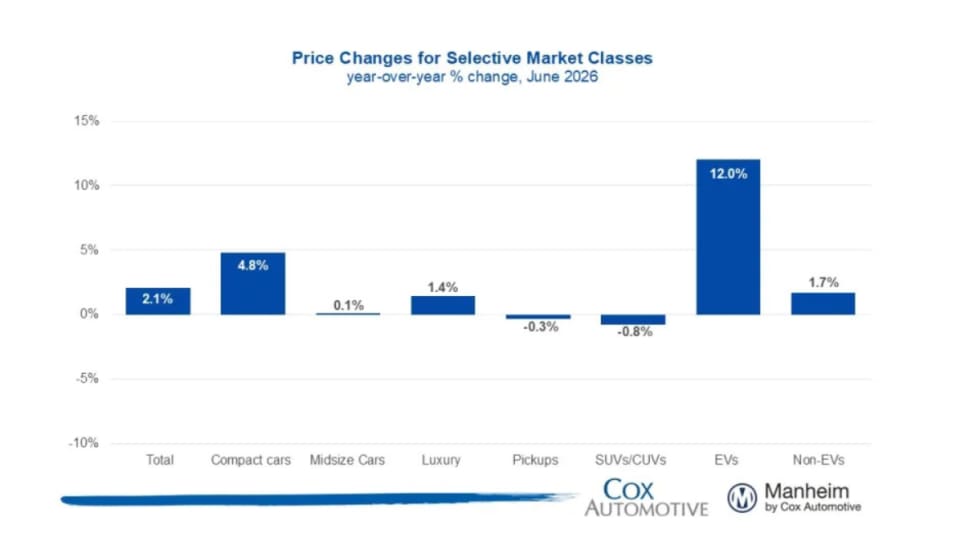
Manheim Index Shows Used-Vehicle Wholesale Prices Up 2.1% in June
The market is seeing stronger appreciation in older used vehicles this year, and the most affordable segments have been among the year’s best performers.
Read More →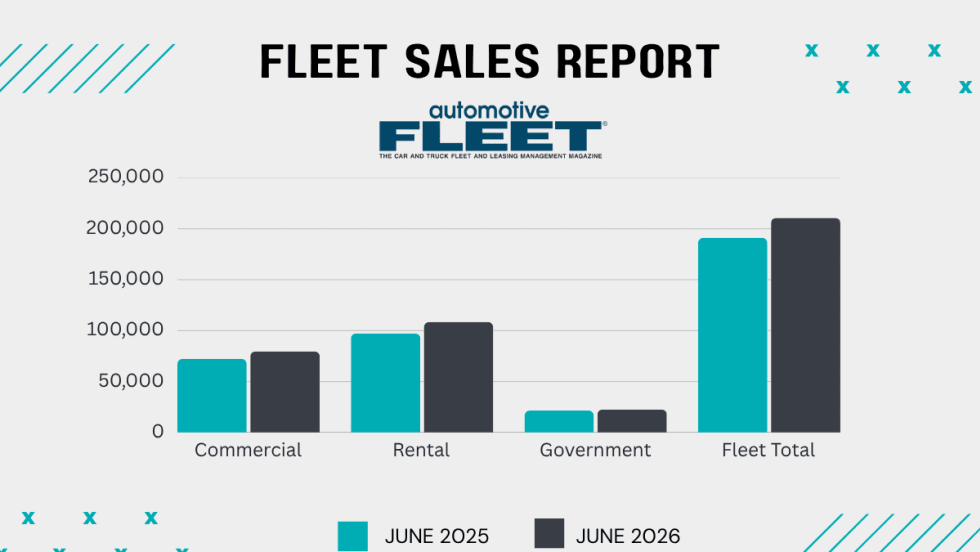
Commercial Fleet Sales Contribute To June, YTD Gains
The fleet sector has boosted its vehicle purchases at a reliable pace in the first half of this year compared with 1H 2025.
Read More →
Stop Remarketing Electric Vehicles Like Gas Cars
The advantages and attributes of electric vehicles are upending the traditional remarketing cycle, requiring fleet sellers to rely on new factors and approaches detailed below.
Read More →
AP Fleet Management Expands Remarketing Program for Commercial Work Trucks
AP Fleet Management expanded its commercial vehicle remarketing program with dedicated resale services and an online marketplace for used work trucks.
Read More →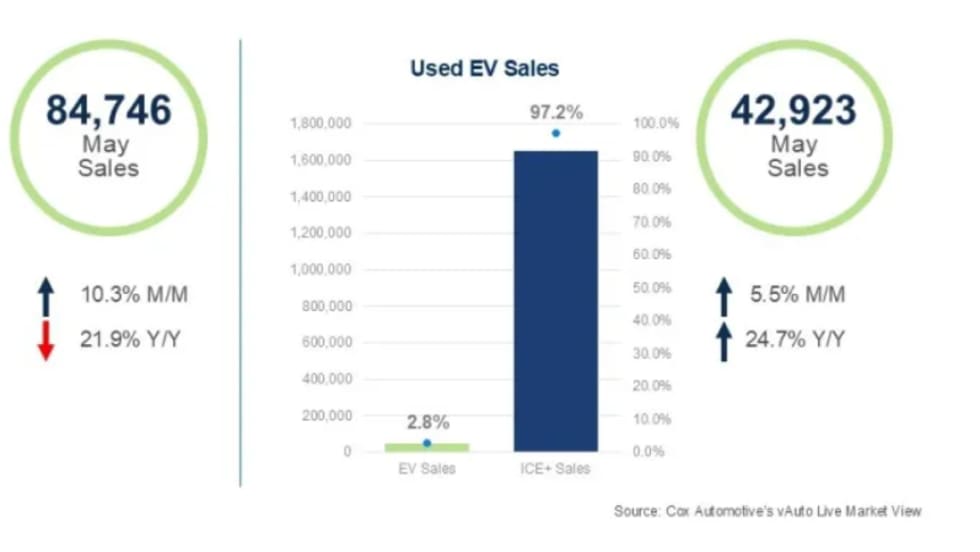
Used EVs Strengthen Overall Electric Vehicle Market
The latest sales data point to several reasons for the divergent trends in new and used EVs that can factor into fleet cycling decisions.
Read More →
The Data-Driven Haul: 5 Ways AI is Leveling the Playing Field in Auto Transport
Large and small transport fleets are becoming more competitive as predictive analytics and real-time data inform the logistics decision chain.
Read More →