




Related Video: 7 Acquisition Strategies to Enhance 2022 Product Availability
How Are Supply Chain Disruptions Affecting Car Haulers?
The auto transport sector requires specialized trucks and training. In times of surges and droughts of production, driver retention becomes an even bigger issue.
September 9, 2021
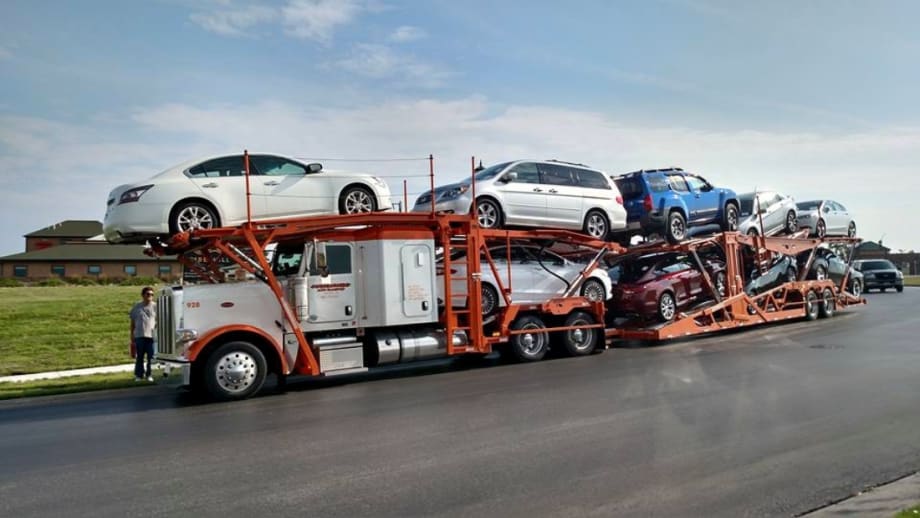
Auto transporters are trying to maintain a steady volume of work for their drivers to keep them from seeking employment elsewhere.
Photo courtesy of Nationwide Auto Transport
2 min to read
The effects of the supply chain disruptions in the automotive industry are being felt in all sectors, including auto transport. “The largest pressure we face is retaining drivers through surges and droughts of production,” says Joe Bercari, vice president and general manager of Mid-Western Car Carriers.
Bercari acknowledges the shortage of professional drivers throughout trucking. “But then when you contemplate how specialized car hauling is — and the amount of time it takes to train the craft — losing experienced human capital can be a devastating problem with no fast path to recovery,” he says.
Bercari is seeing competing industries employ aggressive tactics to attract drivers into their markets, often promising stability and substantial bonuses. “Whether those promises are kept is another discussion, but the result is our industry stands to lose talent faster than it is equipped to replace it,” he says.
Bercari says with the recent dip in volume the company had to work harder to find alternative types of traffic to keep its drivers busy, “and we still lost drivers.”
Julie Delp, president of Nationwide Auto Transport and Nationwide Auto Logistics, sees a direct link between the semiconductor chip shortage, volume forecasts, inventory management, and the ebb-and-flow of freight stability, along with dealer satisfaction and available inventory for the public.
To Bercari’s point, “The direct impact to our operations is the ability to maintain a steady volume of work to keep our drivers busy and engaged in a consistent way,” Delp says, adding that many drivers have left the industry to seek out more stable employment.
“The constant stress placed on drivers of not knowing when or if they’ll have work for the week is pushing them to seek employment elsewhere,” she says. “Families want security and simply cannot make it on a ‘maybe.’”
Delp adds that transporters are being forced to reduce their truck fleets to save on insurance costs, debt service, and interest. “If you don’t have a driver for the truck, you can’t absorb those holding costs for long,” she says.
Specialized transportation providers, particularly those engaging strictly in auto transport, feel the effects to replace drivers that left more severely. “Our trucks are as specialized as our drivers are,” she says. “Many companies simply cannot forecast their fleet need projections for the coming year or years, which will impact freight movement once the chip shortage is addressed.”
Delp says that these issues could have a direct effect on most companies’ abilities to perform to the OEM’s standards. Fewer drivers and trucks on the road mean lower volumes of freight being moved for on-time deliveries. “I suspect that this will have long-term effects on our industry,” she says.
Originally posted on Automotive Fleet
Subscribe to Our Newsletter
More Operations
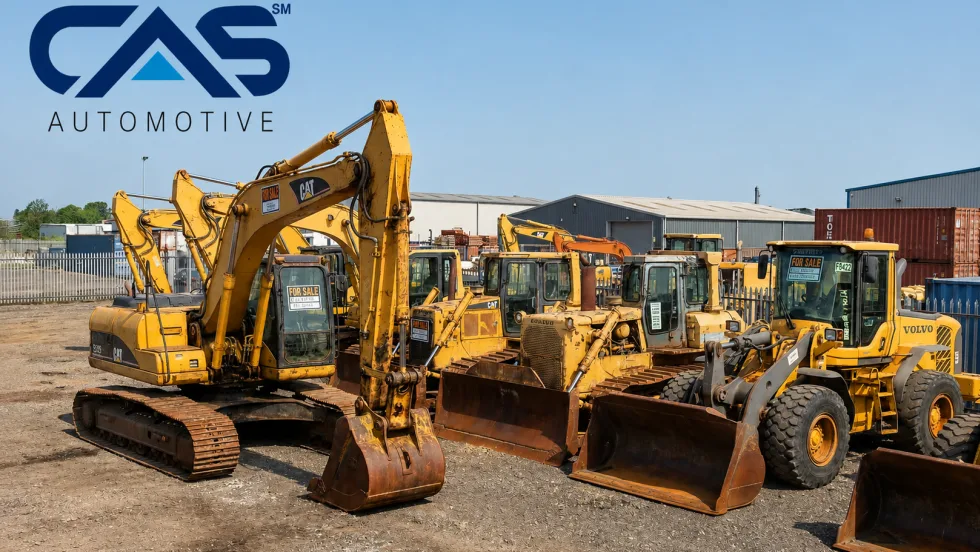
CAS Automotive Launches Remarketing Service for Damaged, Surplus Equipment
Damaged Equipment expands CAS Automotive’s vehicle remarketing model to commercial equipment, targeting fleet operators, insurers, equipment dealers, and rental companies.
Read More →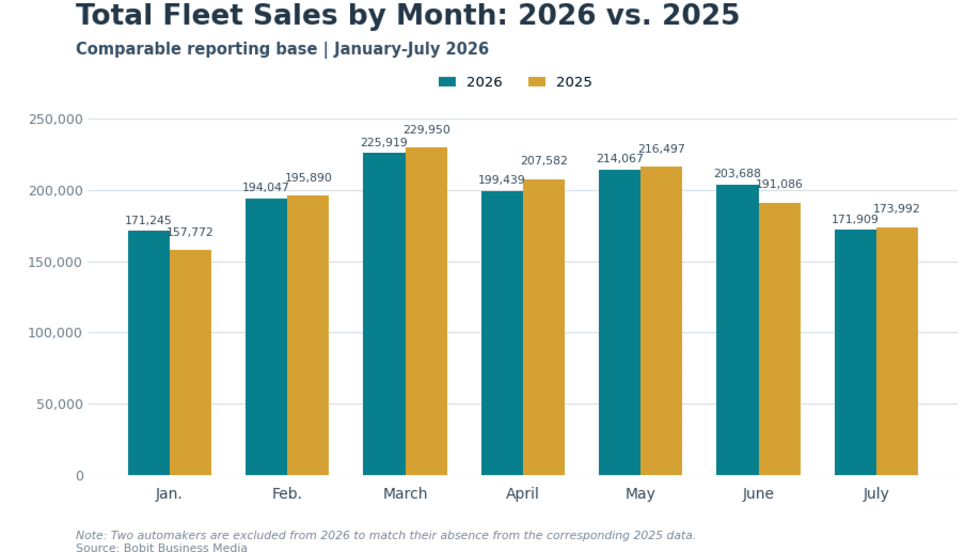
Fleet Sales Hold Steady as Commercial Gains Offset Rental Decline
Commercial and government fleet sales increased through July 2026, offsetting most of the decline in rental volume and leaving combined comparable fleet sales 0.5% above the same period last year.
Read More →
Personnel Update: BrickHouse GPS, PRO-VISION, Auto Driveaway, and Proaction
Check out the latest must-know fleet personnel updates from the last couple of months.
Read More →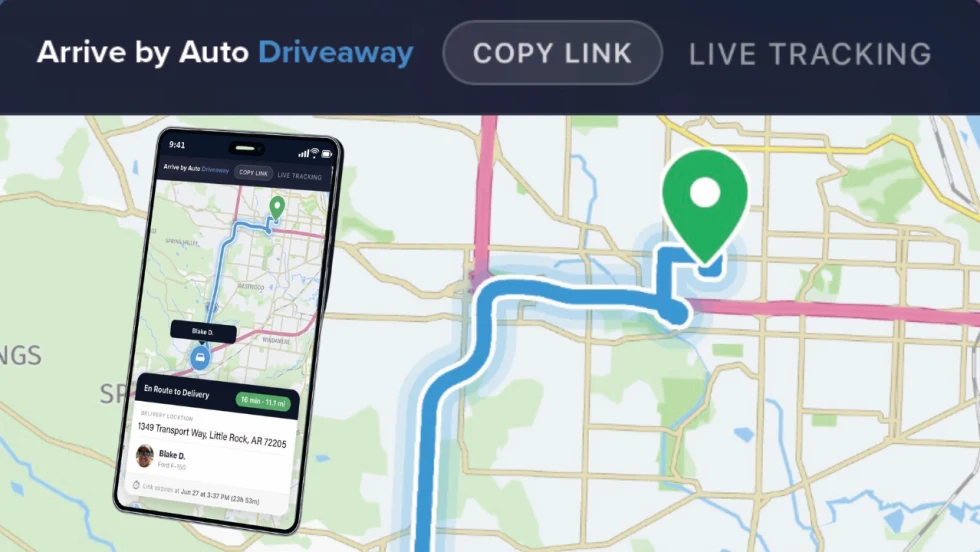
What Comes Next for Auto Driveaway?
A new Auto Driveaway feature called Arrive provides recipients with live location updates and ETAs during the final hour of a vehicle move, while fleet customers continue to have end-to-end shipment visibility through the company's customer portal.
Read More →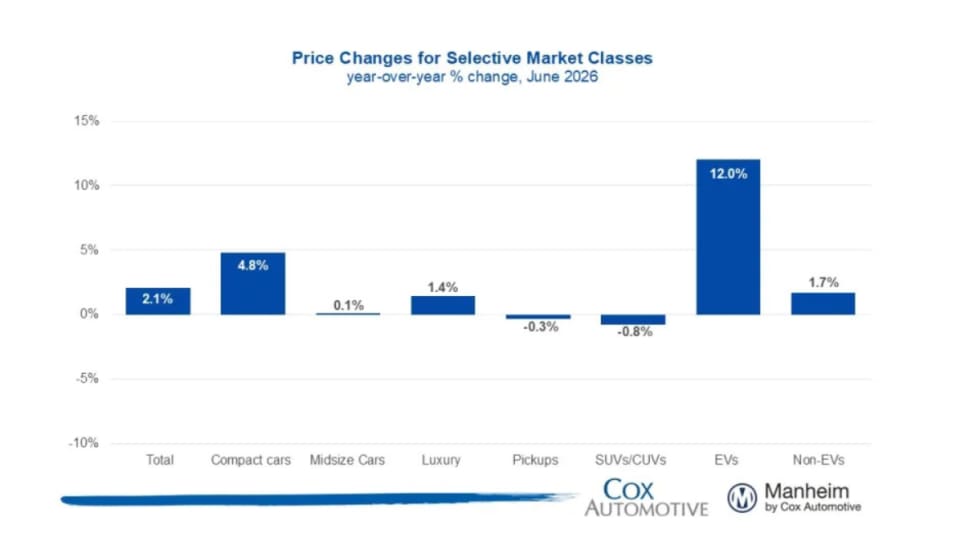
Manheim Index Shows Used-Vehicle Wholesale Prices Up 2.1% in June
The market is seeing stronger appreciation in older used vehicles this year, and the most affordable segments have been among the year’s best performers.
Read More →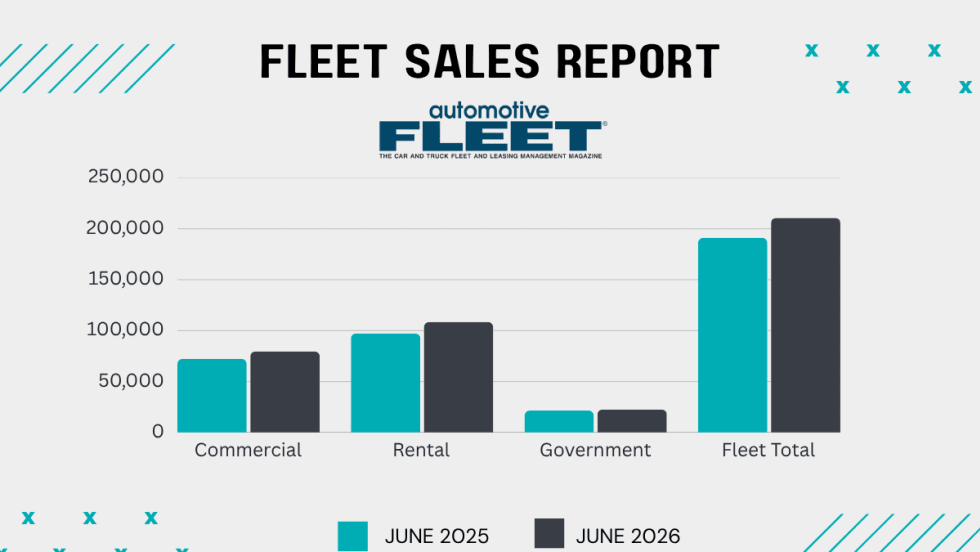
Commercial Fleet Sales Contribute To June, YTD Gains
The fleet sector has boosted its vehicle purchases at a reliable pace in the first half of this year compared with 1H 2025.
Read More →
Stop Remarketing Electric Vehicles Like Gas Cars
The advantages and attributes of electric vehicles are upending the traditional remarketing cycle, requiring fleet sellers to rely on new factors and approaches detailed below.
Read More →
AP Fleet Management Expands Remarketing Program for Commercial Work Trucks
AP Fleet Management expanded its commercial vehicle remarketing program with dedicated resale services and an online marketplace for used work trucks.
Read More →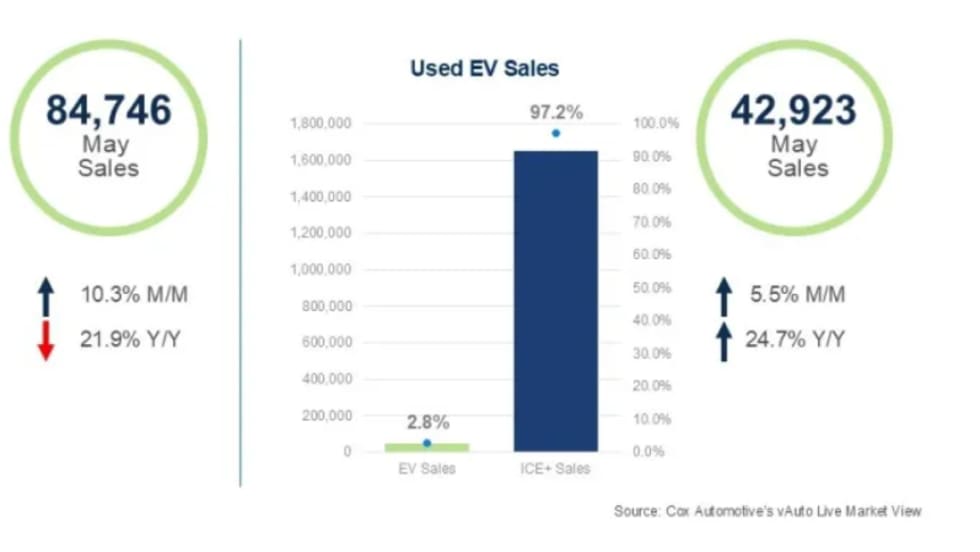
Used EVs Strengthen Overall Electric Vehicle Market
The latest sales data point to several reasons for the divergent trends in new and used EVs that can factor into fleet cycling decisions.
Read More →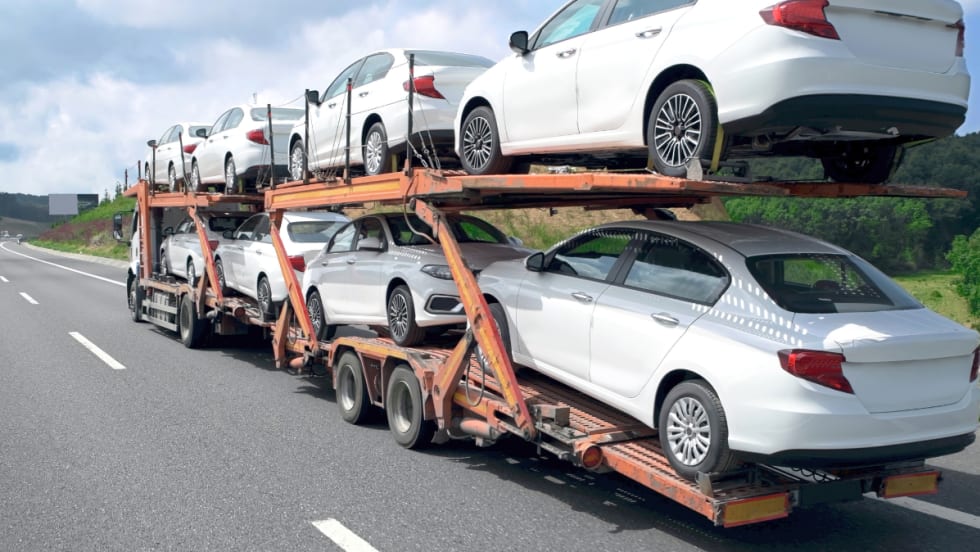
The Data-Driven Haul: 5 Ways AI is Leveling the Playing Field in Auto Transport
Large and small transport fleets are becoming more competitive as predictive analytics and real-time data inform the logistics decision chain.
Read More →