




Related: IHS: EV Sales Reach Record Highs
Fleet Remarketers Discuss Anticipated EV Remarketing Volume
Current sales of electric vehicles are largely driven by incentives, and while incentives help move the metal on the new-vehicle front, they have a negative effect when it comes to residual values.
April 22, 2019
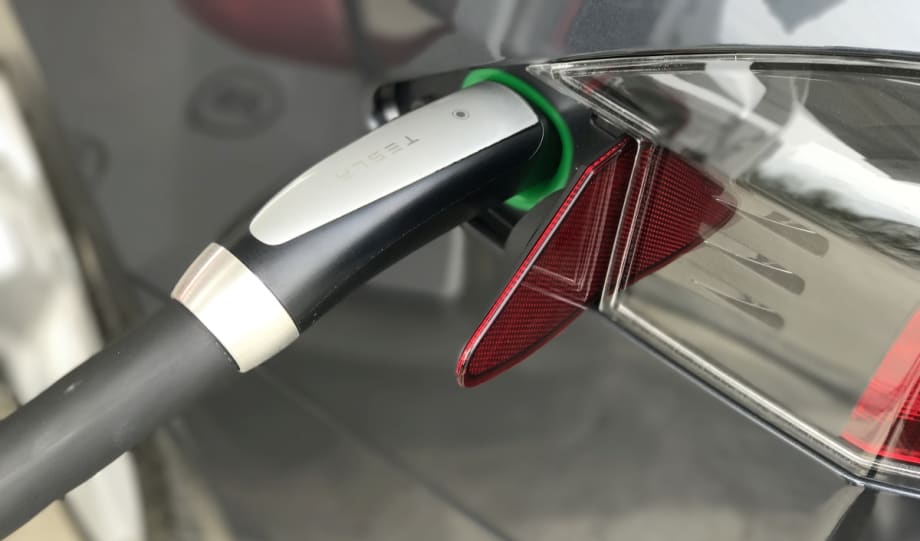
The cost of producing electric vehicle batteries and the reliability of certain electric vehicle batteries are two factors that are hurting electric vehicle adoption among commercial fleets.
Photo by Eric Gandarilla.
3 min to read
Electric vehicles currently hold a tiny presence among corporate fleets, and a large factor driving that fact is the high price tag that comes with an electric vehicle.
Current sales of electric vehicles are largely driven by incentives, and while incentives help move the metal on the new-vehicle front, they have a negative effect when it comes to residual values.
Their small presence among fleets also means that corporate fleets aren't currently remarketing many electric vehicles and the electric vehicles that are making it to auction are being met with high depreciation.
Remarketers from four fleet management service companies discussed the state of electric vehicles among fleets and where they expect the segment to be in the coming years with Vehicle Remarketing.
Electric vehicles currently comprise less than 1% of the overall vehicle fleet in the U.S., according to Darrin Aiken, AVP of Vehicle Remarketing for Wheels.
"A commercial client will go to the cheapest cost to satisfy the need," Aiken said. "If gas is around where it is right now, in the $2 gallon range, clients won't look at electric vehicles much unless they have a green initiative. Manufacturers should continue to sell electric vehicles to see how that technology changes but right now a lot of our clients aren't buying them. That's not to say electric vehicle presence won't eventually grow, but it's not there yet."
The future of electric vehicles among fleets will be primarily reliant on the pace that battery technology is able to advance at, noted Alex Fraser, general manager fleet management services for Cox Automotive Mobility and Chris Clarke, manager, North American Remarketing for ARI.
Clarke noted that as the cost of batteries goes down, the cost of the vehicles will also go down, as the large part of an electric vehicle's cost is directly tied to its battery. Battery reliability also needs to be improved, Clarke added, as a reason that certain electric vehicles don’t do well at auction is because they have a reputation of having batteries with a relatively low lifecycle.
As battery reliability improves and buyers are more comfortable with the longevity of what they're buying, resale value growth should also follow.
"Certain EVs have much better documented battery holding power," said Fraser. "Vehicles with batteries that hold battery well continue to sell well. Tesla in an open market will bring good money. Other EVs that hold their battery well also perform well. We've all experienced the depreciation electric vehicles live with. That puts pressure on manufacturers, not just around cost be reliability. The way people use these vehicles, they need the car to work."
Hybrid-Electric Vehicle Presence
While pure electric vehicles are struggling to find their footing among fleets, hybrid electric vehicles have seen more success.
Jeffrey Perkins, general manager, fleet operations for Motorlease Corp., said that Toyota comprises a large percentage of his company's portfolio. And among those Toyota vehicles, hybrids account for a fair percent, he added.
"With Toyota in particular, we've moved a lot to hybrid versions," Perkins said. "The cost to buy these cars has gone way down so we're seeing good residual values. The residual values for Toyota hybrid have gotten to the point that they make up for the initial cap cost. They have worked for us."
Subscribe to Our Newsletter
More Fleet

Acertus Acquires Fisher Shipping, CEO to Join Acertus
Fisher Shipping will retain its brand and team, while its customers gain access to Acertus’ transportation, storage, vehicle care, and title and registration services.
Read More →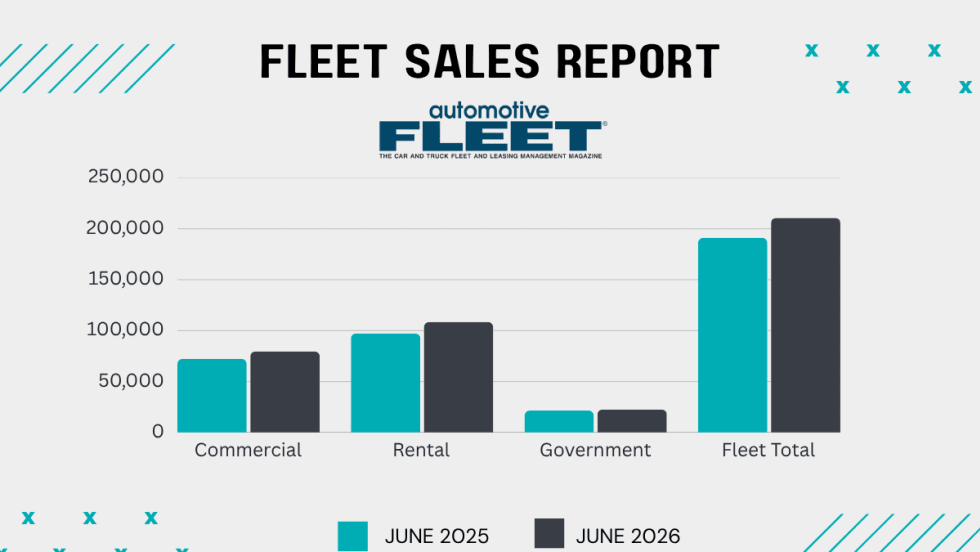
Commercial Fleet Sales Contribute To June, YTD Gains
The fleet sector has boosted its vehicle purchases at a reliable pace in the first half of this year compared with 1H 2025.
Read More →
Registration Opens for 2026 Fleet Forward Conference
Held on the East Coast for the first time, the Washington, D.C.-area event features expert-led education, a new IIHS Crash Test Experience, and collocation with the NAFA’s Fleet Safety Symposium.
Read More →
AP Fleet Management Expands Remarketing Program for Commercial Work Trucks
AP Fleet Management expanded its commercial vehicle remarketing program with dedicated resale services and an online marketplace for used work trucks.
Read More →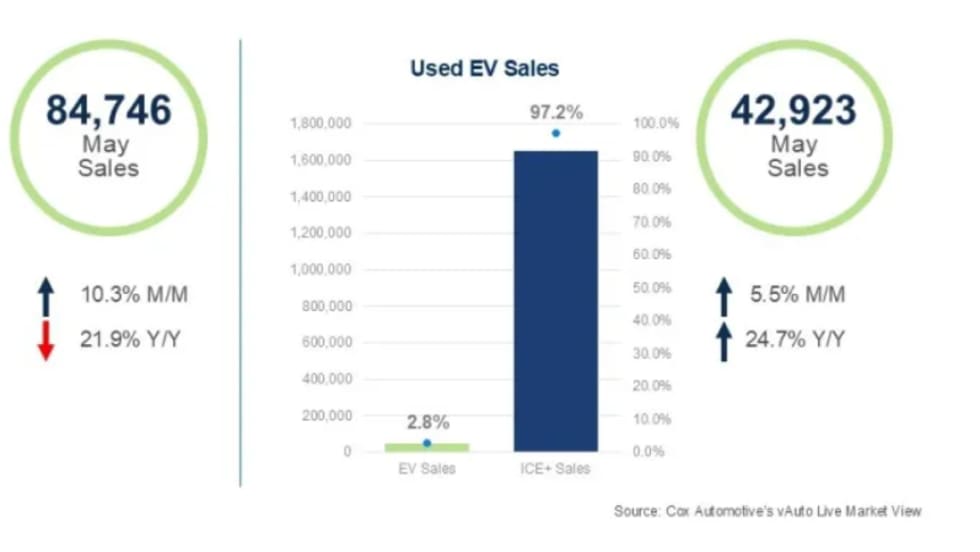
Used EVs Strengthen Overall Electric Vehicle Market
The latest sales data point to several reasons for the divergent trends in new and used EVs that can factor into fleet cycling decisions.
Read More →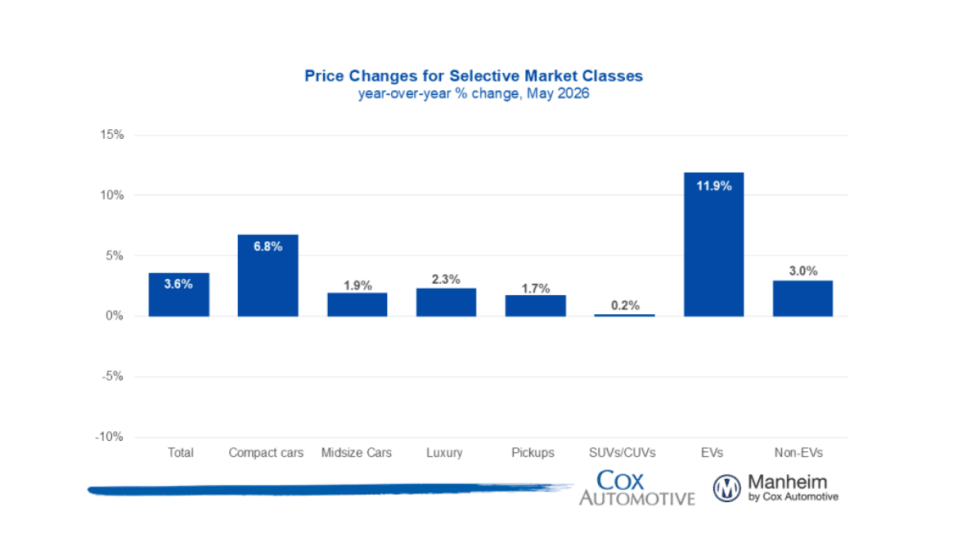
Wholesale Used Vehicle Market Sustains Moderate Rise In Values, Prices
Trends continue to normalize after a strong start to the year, as consumers contend with higher gas prices in the coming summer months.
Read More →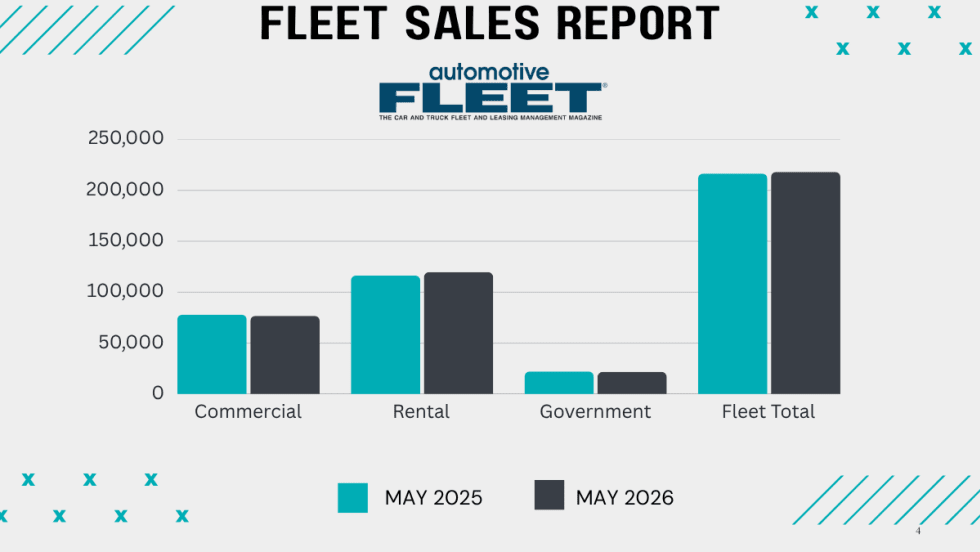
Commercial Fleet Sales Still Lead Sectors Despite May Mini Dip
The U.S. economy's continued growth and positive business investment are creating a favorable environment for fleet vehicle demand.
Read More →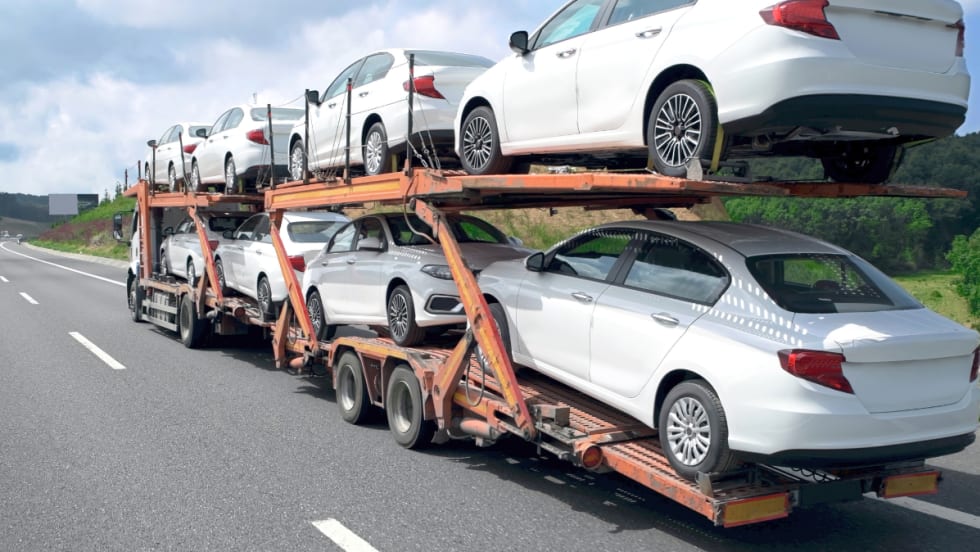
The Data-Driven Haul: 5 Ways AI is Leveling the Playing Field in Auto Transport
Large and small transport fleets are becoming more competitive as predictive analytics and real-time data inform the logistics decision chain.
Read More →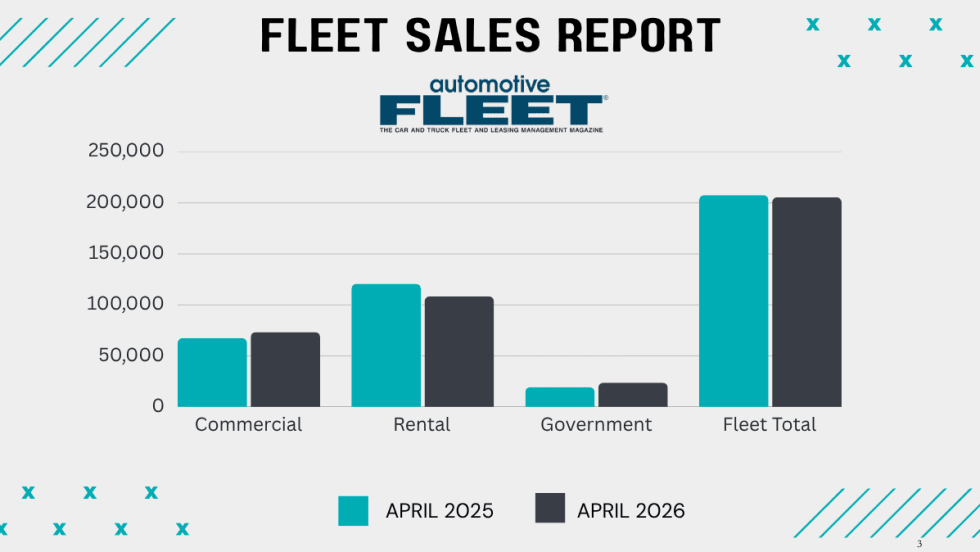
Commercial Fleet Sales Show Healthy Gains
So far, the fleet sector is outshining government and rental fleet sales this year as economic growth spurs more business investment.
Read More →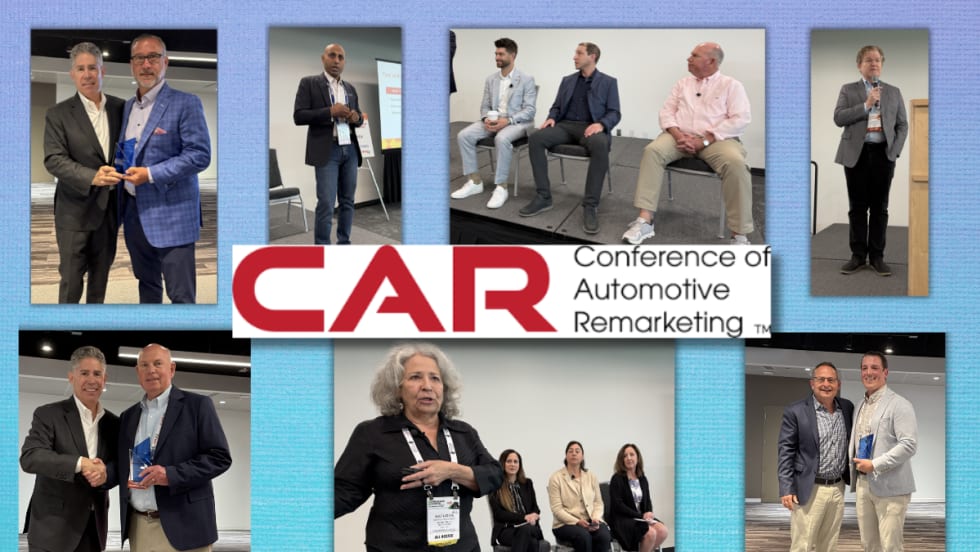
CAR 2026 Recap Part 2: Closing the Gap Between Data & Remarketing Value
The second half of CAR 2026 examined how fleets can translate lifecycle strategy, vehicle data, and market shifts into higher real-world results.
Read More →