



Extended Cycling & Part Shortages Stress Warranty Recovery in 2021
Supply chain constraints make it difficult to get replacement vehicles leading to extended cycling of those currently in service. This is pushing the envelope of warranty coverage that is exacerbated by a shortage of replacement parts.


New-vehicle warranty recovery and good will assistance in calendar-year 2021 has become more difficult due to the ongoing microchip and parts shortages that have constrained fleets since the onset of the pandemic.
Getty Images
New-vehicle warranty recovery and good will assistance in calendar-year 2021 has become more difficult due to the ongoing microchip and various parts shortages that have created constraints in the ability of fleets to obtain ordered replacement vehicles. This has led to extended cycling of units currently in service that were already long-in-the-tooth.
“Goodwill warranty recovery opportunities have continued to decrease in comparison to the previous two years. We believe that the continued tightening of restrictions by OEMs will result in a continuation of this trend in 2022,” said George Albright, director of fleet products at Merchants Fleet. “In addition, supply-chain delays related to the pandemic and general parts availability have increased rental-related recovery requests.”
This is part of an ongoing trend by OEMs becoming more stringent in terms of vehicle recovery and support. This is being manifested by tighter enforcement of manufacturer-recommended service and compliance with PM intervals to qualify for warranty recovery dollars.
“Warranty recovery has been a difficult issue for OEMs and fleets this year. With manufacturing and transportation challenges causing lengthy delays for many components, fleets have been challenged to maintain their own productivity,” said Dale Jewell, senior director – fleet service operations for Emkay. “OEMs have done a good job recognizing this and assisting fleet customers as reasonably as possible.”
One segment that is being impacted by stringent enforcement of warranty coverage are last-mile delivery fleets.
“The last-mile sector will continue to present unique opportunities and challenges to OEMs, as the extreme wear experienced by these vehicles tends to exceed the severe-duty application associated with traditional urban driving,” said Albright of Merchants Fleet.
As last-mile delivery fleets push the envelope of severe-duty usage, it is increasingly important to maintain an accurate and complete maintenance history of their vehicles in operation.
“It is important to note that proper vehicle maintenance plays an even more crucial role today when considering warranty recovery assistance,” said Kelley Hatlee, senior service advisor for Enterprise Fleet Management.
It’s critical to follow the manufacturers’ recommended PM schedules to maximize the changes of warranty being covered at a dealership.
“During the last several years, there has been a noticeable trend of OEMs growing increasingly stringent in terms of warranty recovery and support. Specifically, the OEMs are looking for additional documentation to support warranty claims to ensure the units were properly maintained prior to failure,” said Chris Foster, manager, fleet management services for ARI. “This really underscores the importance of PM compliance. Adhering to consistent preventive maintenance schedules to minimize PM variability is something the OEMs are stressing across the board. During the warranty claims process, PM variability is closely scrutinized.”
The shortage of replacement parts, which is extending turnaround time on repairs, is impacting warranty repairs. “We are seeing and expect to continue to see potential delays with repairs due to supply chain constraints and parts shortages. These factors could impact warranty or non-warranty repairs,” said Ryan Koenig, national service department vendor operations manager for Enterprise Fleet Management.
Originally posted on Automotive Fleet
More Operations
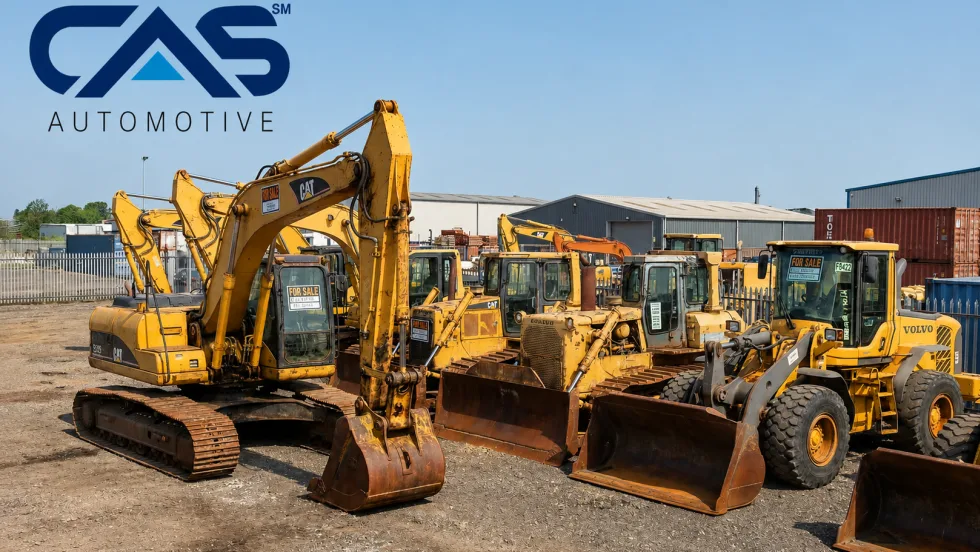
CAS Automotive Launches Remarketing Service for Damaged, Surplus Equipment
Damaged Equipment expands CAS Automotive’s vehicle remarketing model to commercial equipment, targeting fleet operators, insurers, equipment dealers, and rental companies.
Read More →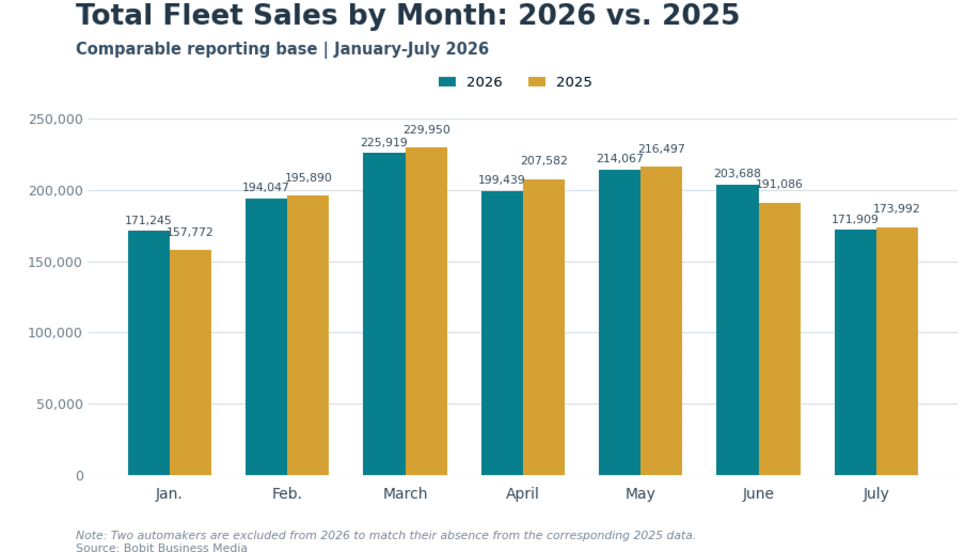
Fleet Sales Hold Steady as Commercial Gains Offset Rental Decline
Commercial and government fleet sales increased through July 2026, offsetting most of the decline in rental volume and leaving combined comparable fleet sales 0.5% above the same period last year.
Read More →
Personnel Update: BrickHouse GPS, PRO-VISION, Auto Driveaway, and Proaction
Check out the latest must-know fleet personnel updates from the last couple of months.
Read More →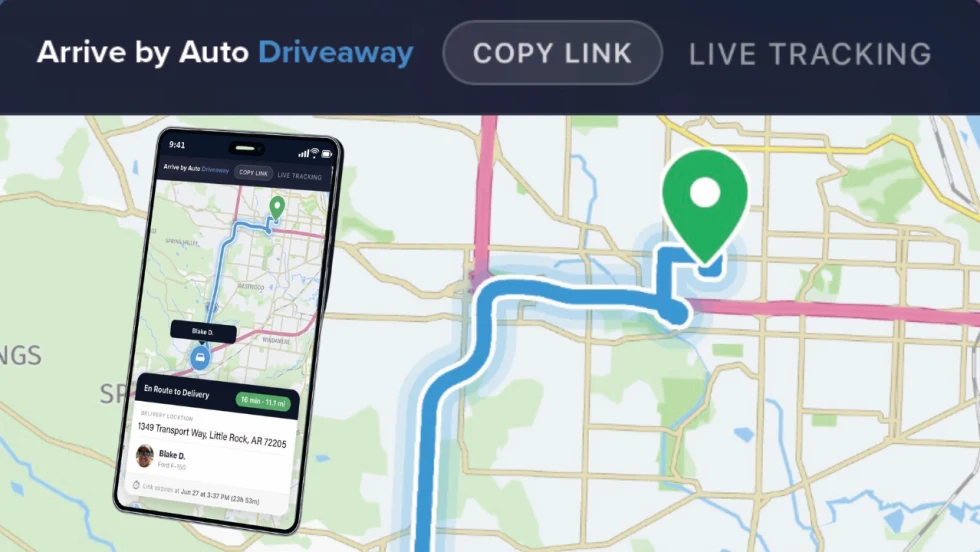
What Comes Next for Auto Driveaway?
A new Auto Driveaway feature called Arrive provides recipients with live location updates and ETAs during the final hour of a vehicle move, while fleet customers continue to have end-to-end shipment visibility through the company's customer portal.
Read More →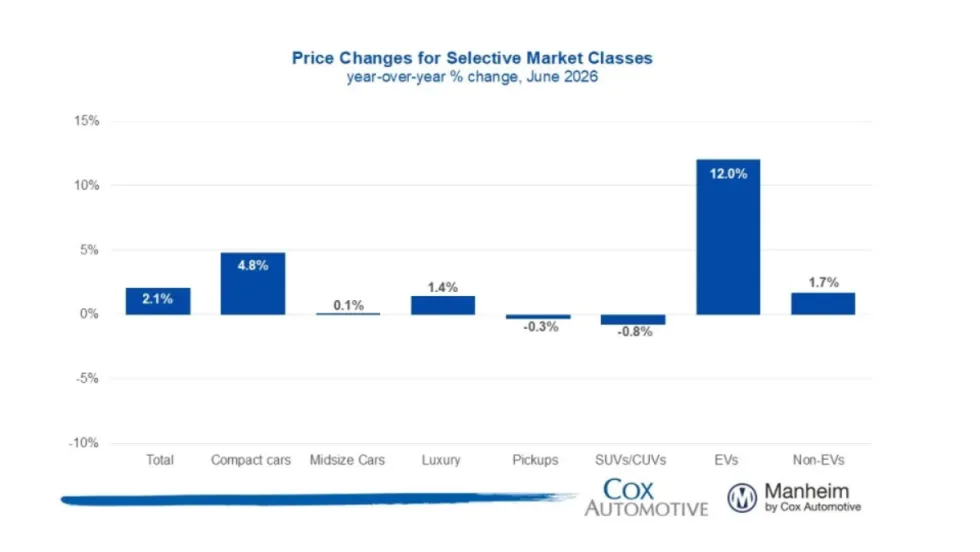
Manheim Index Shows Used-Vehicle Wholesale Prices Up 2.1% in June
The market is seeing stronger appreciation in older used vehicles this year, and the most affordable segments have been among the year’s best performers.
Read More →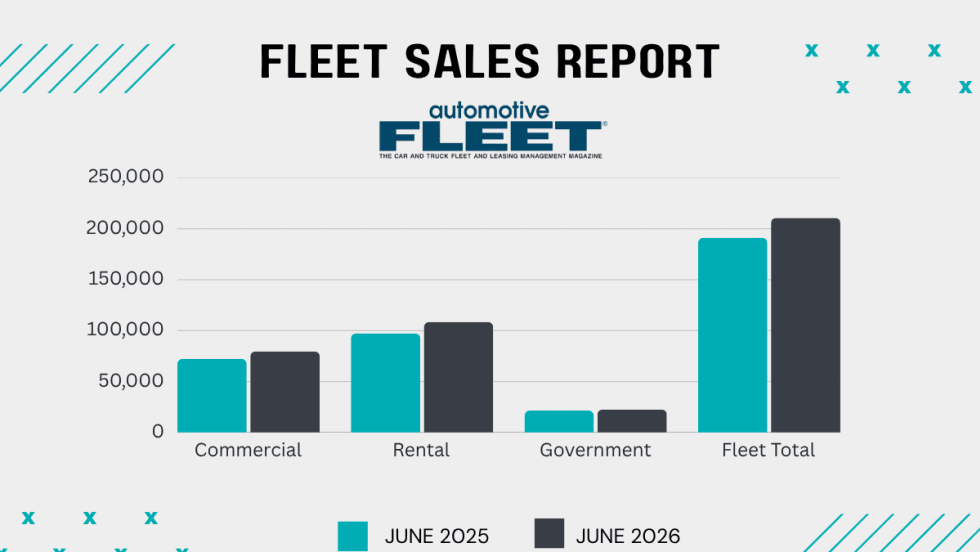
Commercial Fleet Sales Contribute To June, YTD Gains
The fleet sector has boosted its vehicle purchases at a reliable pace in the first half of this year compared with 1H 2025.
Read More →
Stop Remarketing Electric Vehicles Like Gas Cars
The advantages and attributes of electric vehicles are upending the traditional remarketing cycle, requiring fleet sellers to rely on new factors and approaches detailed below.
Read More →
AP Fleet Management Expands Remarketing Program for Commercial Work Trucks
AP Fleet Management expanded its commercial vehicle remarketing program with dedicated resale services and an online marketplace for used work trucks.
Read More →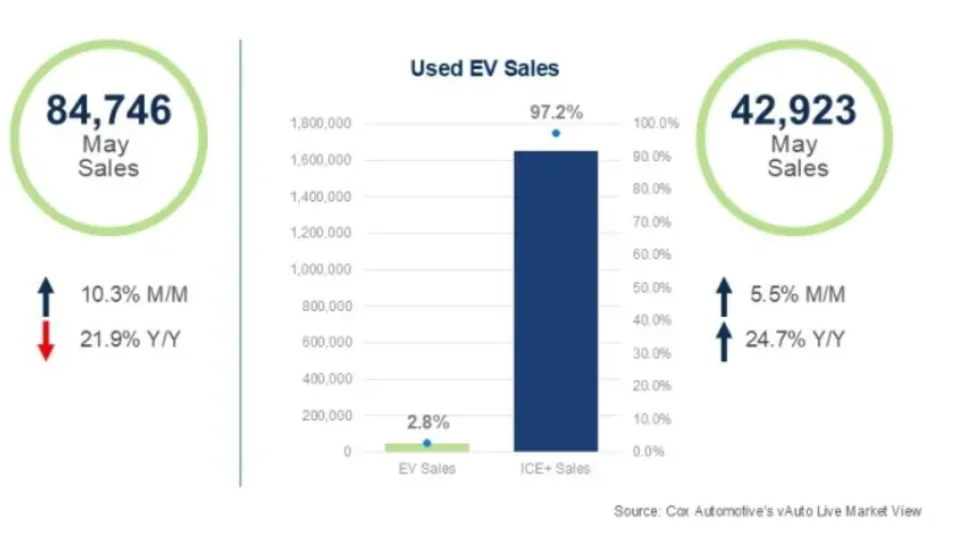
Used EVs Strengthen Overall Electric Vehicle Market
The latest sales data point to several reasons for the divergent trends in new and used EVs that can factor into fleet cycling decisions.
Read More →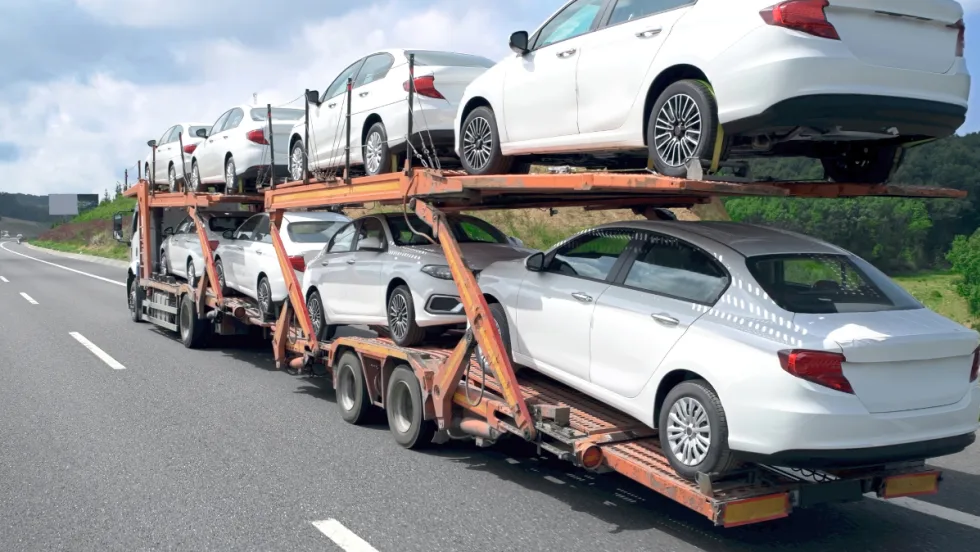
The Data-Driven Haul: 5 Ways AI is Leveling the Playing Field in Auto Transport
Large and small transport fleets are becoming more competitive as predictive analytics and real-time data inform the logistics decision chain.
Read More →