



Condition Reports: Retaining Value for Off-Lease Vehicles
Fleet managers should consider seven areas of a vehicle, when maximizing resale value. Condition reports generated by third-party inspectors can help spell out a vehicle's true condition.
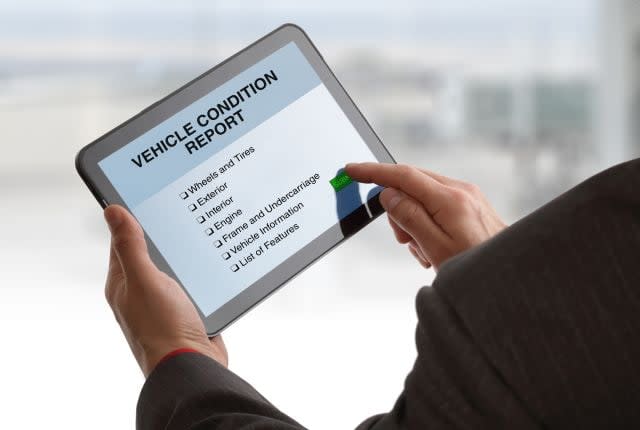
Photo courtesy of iStockphoto.com.
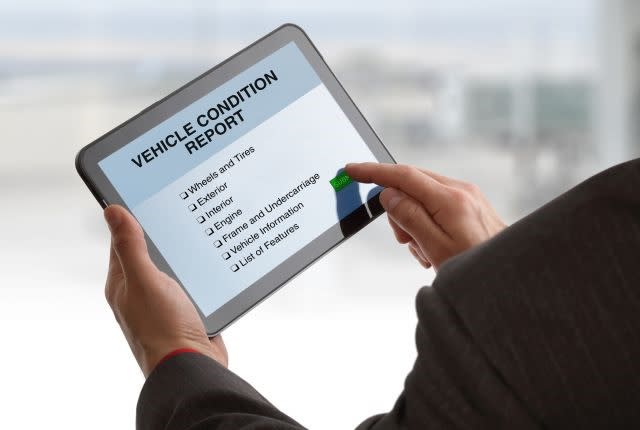
Photo courtesy of iStockphoto.com.
When a fleet vehicle heads to auction, its history and condition at the point of sale will largely determine its sale price. A brand and model that's in better shape than a more beat-up sibling can fetch a significantly higher resale price.
Seasoned fleet managers take control of this process shortly after purchasing the vehicle, by implementing an effective preventative maintenance and repair program that ensures a vehicle will reach auction in good shape.
Companies can better protect their depreciating investments by learning how to sell their fleet vehicles properly. And in the era of increasing digital sales where vehicles are purchased sight unseen, a solid condition report makes an even bigger difference.
Condition reports should give a buyer plenty of details about seven pockets of information about a vehicle, including wheels and tires, exterior, interior, engine, frame and undercarriage, vehicle usage information, and a list of features.
A condition report, which is usually conducted by a third party, is designed to assess the detailed condition of the vehicle being sold to determine its current market value.
"The condition report includes everything from a complete description of the vehicle's year, make, model, mileage, and trim level, to various accessory items," said Darrin Aiken, assistant vice president of remarketing at Wheels, Inc. "It is a complete accounting of the vehicle as it currently stands and also includes any and all relevant items related to condition, such as any mechanical and body damages, as well as conditions that are required to announce prior to the sale at the auction."

Wheels and tires
These reports are designed to build the confidence of the buyers and allow them to make the right decision for themselves, without needing to be in the same geographic region as the car, said Ron Shoemaker, founder of Flexco Fleet Services.
"Maybe the car is sitting in St. Louis, but the person that wants to buy it is in Columbus, Ohio, so they're buying it based on the condition report," Shoemaker said. "They're not kicking the tires, and they aren't physically there, so that condition report is paramount."
With all aspects of shopping shifting toward the internet, including automotive sales, condition reports are critical in today's remarketing environment. Whether it's a dealer, seller, or private buyer, a thorough condition report increases online sales with less risk, and decreases arbitrations.
There are various types of condition reports that target different purposes.
If a bank conducts a condition report at the end of a lease term, the report would be sent to the lessee to explain why they're paying extra fees based on the vehicle's condition. If a dealer purchases a vehicle from an auction, the condition report will cover the overall condition of the car, which allows them to see their profit in advance and bid accordingly.
"Units that are certified, come with guarantees, and are in exceptional conditions are those that are sought after the most in a competitive bidding environment," Aiken said.

Exterior
A condition report also gives fleet managers a clearer sense of the level of reconditioning needed for resale. An industry adage says that $1 spent on reconditioning returns $1.50 at the auction, but that often applies to items that wouldn't be considered major repairs.
"The less reconditioning the dealer or the buyer has to do to the vehicle, the more they're willing to pay for it," Shoemaker said.
Regardless of the level of comprehensiveness, all condition reports must cover seven elements to be considered complete reports. These reports are for the buyer, because like a good home inspection report they list items of needed repair.
Wheels and Tires
Tires should usually be replaced if they have less than 50% of their tread life. The buyer will likely need to spend between $200 and $600 for new tires. Wheels could be even more of a depreciative factor, as they cost much more. Some wheels can be lightly scratched up, while others could be completely ruined, and the buyer must consider that before bidding or completing the sale.
Exterior
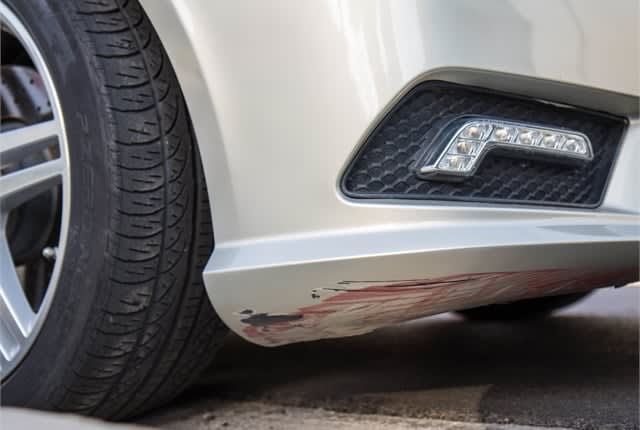
If the exterior has some light scratches that can quickly be removed using a buffer, the buyer may consider spending more money than if the damage requires professional bodywork. The same goes for the seller. If their vehicle has light scratches, the condition report ensures they don't get penalized for it as if they were costly exterior damages.

Interior
Interior
Condition report writers inspect everything there is to check in the cabin of the vehicle. If the interior smells like smoke, the buyer will need to know this. If the upholstery has tears all around, then there is money to be spent before the vehicle can make a profit. If the air conditioner doesn't work, the value of the vehicle will be affected.
Engine
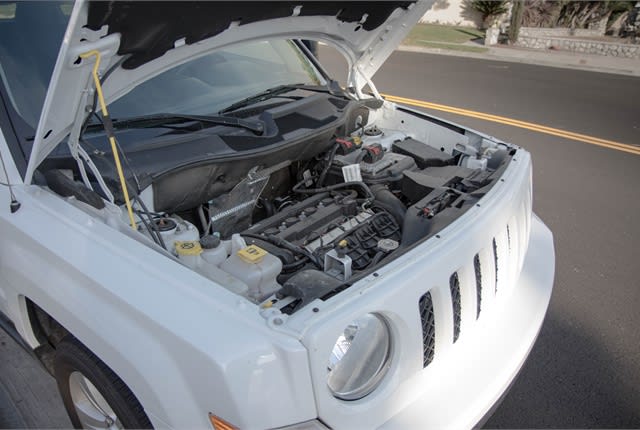
If the buyer is looking at a vehicle in another part of the country, it is critical they are aware of any leaks, engine warning lights, or any failed components that relates to the motor. Condition report experts are trained to give an accurate representation of the engine's condition. Numerous companies only offer a report on the engine's condition upon request with an extra charge, however, simply because it requires different expertise.
Engine
Frame and Undercarriage
One of the most important elements in a solid condition report is the inspection of the frame and undercarriage of the vehicle. Not all vehicles with frame damage state that in their history, especially if the vehicle was a trade-in and its previous history isn't clear. Frame damage or undercarriage rust can drastically affect the value of the car, and clear information of such damage is the difference between profit and loss.
Vehicle Information
Not all vehicles are valued the same, even when they are the same year, make, and model. The information of each specific vehicle can make thousands of dollars in difference, for the seller or the buyer, making this part of the condition report one of the most valued elements.
"The miles make a difference," Shoemaker said. "You will pay more for a 30,000-mile 2015 than you would for a 70,000-mile 2015."
Frame and undercarriage
List of Features
Within each condition report, buyers will find a list of features that the vehicle is equipped with. The same concept relating to mileage can apply with features. For instance, a navigation unit can add more value to the vehicle than if it didn't have one. So, it's important that the buyers can add all of the features to determine what they want to pay for the vehicle, which allows them to obtain it for a fair price, as well as calculate their profit margin in advance if they plan on selling it.
Fleet managers can take certain measurements throughout the lifecycle of their cars to ensure they maintain the highest value.
"They could give drivers incentives or bonuses when they take care of the cars, so when they bring it back, it's worth more money," Shoemaker said. "The more records, the more knowledge you have as a seller. You can see what has been done to the car."

Vehicle information
Companies should follow the OEM maintenance intervals and keep the maintenance and repair records for each vehicle.
"Proper maintenance as specified by the manufacturer is the greatest proactive step to mitigating the normal depreciation that all vehicles experience," Aiken said.
Standardization of Inspections
Condition reports are typically authored by third-party companies who specialize in them, including Alliance Inspection Management (AiM), FLD, Inc., AutoVIN, and others. The process has become more standardized in recent years, especially with the training of inspectors who produce them. The National Auto Auction Association (NAAA) has been at the forefront of that process.
Originally posted on Automotive Fleet
More Operations
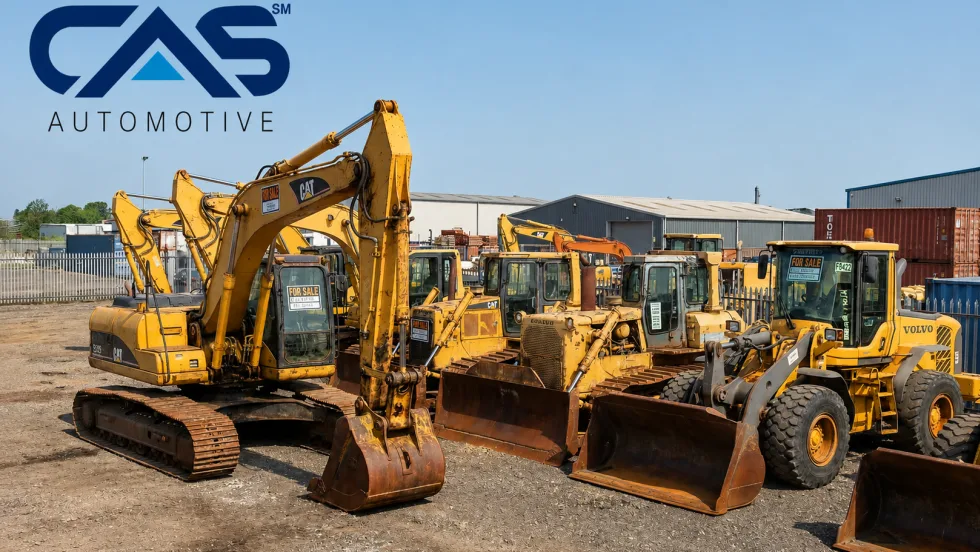
CAS Automotive Launches Remarketing Service for Damaged, Surplus Equipment
Damaged Equipment expands CAS Automotive’s vehicle remarketing model to commercial equipment, targeting fleet operators, insurers, equipment dealers, and rental companies.
Read More →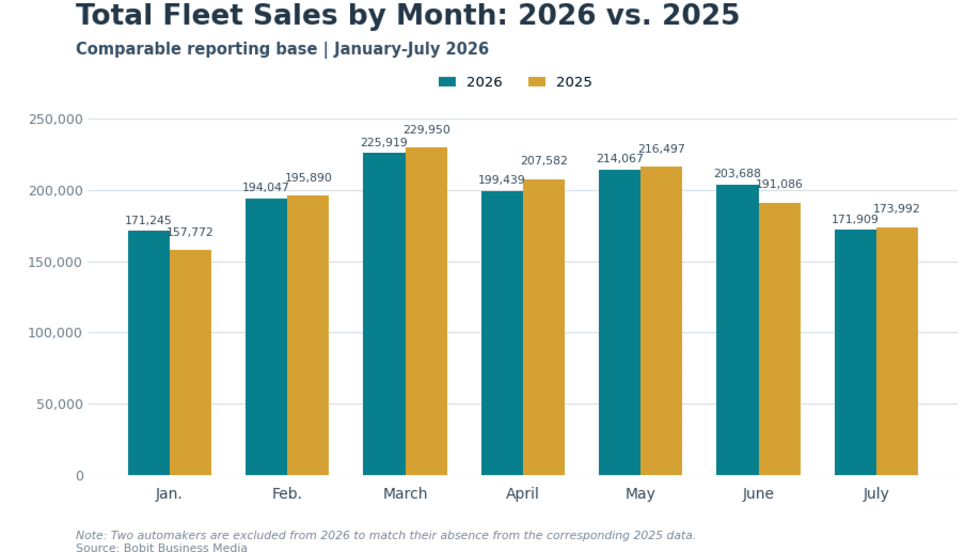
Fleet Sales Hold Steady as Commercial Gains Offset Rental Decline
Commercial and government fleet sales increased through July 2026, offsetting most of the decline in rental volume and leaving combined comparable fleet sales 0.5% above the same period last year.
Read More →
Personnel Update: BrickHouse GPS, PRO-VISION, Auto Driveaway, and Proaction
Check out the latest must-know fleet personnel updates from the last couple of months.
Read More →
What Comes Next for Auto Driveaway?
A new Auto Driveaway feature called Arrive provides recipients with live location updates and ETAs during the final hour of a vehicle move, while fleet customers continue to have end-to-end shipment visibility through the company's customer portal.
Read More →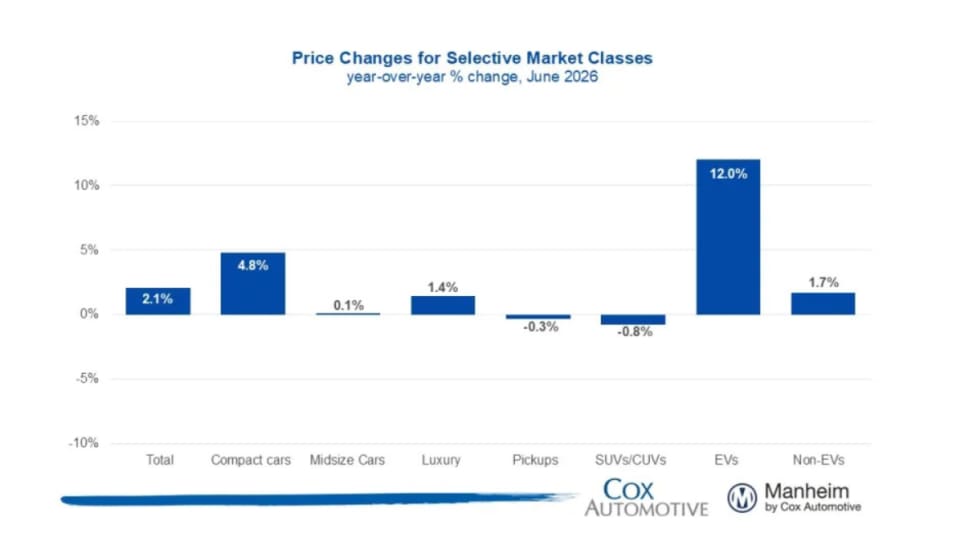
Manheim Index Shows Used-Vehicle Wholesale Prices Up 2.1% in June
The market is seeing stronger appreciation in older used vehicles this year, and the most affordable segments have been among the year’s best performers.
Read More →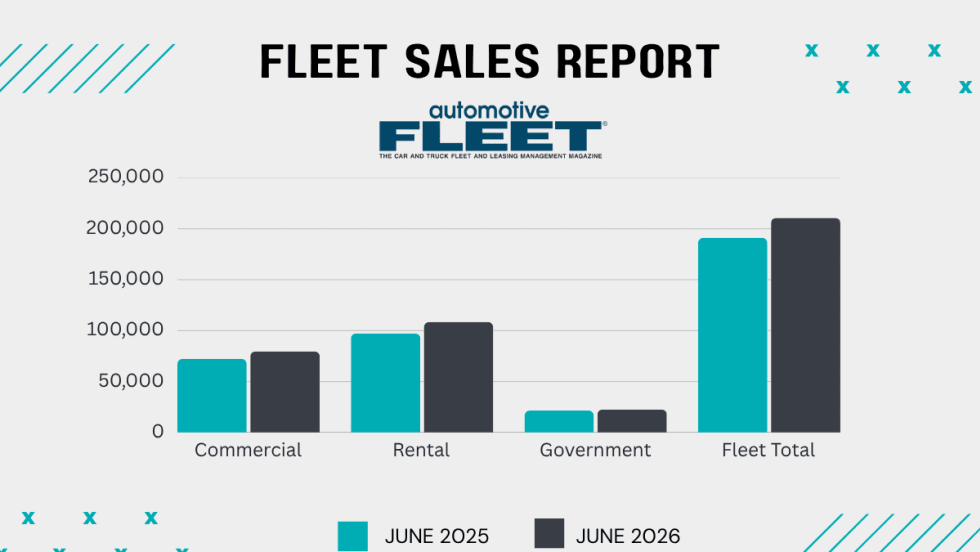
Commercial Fleet Sales Contribute To June, YTD Gains
The fleet sector has boosted its vehicle purchases at a reliable pace in the first half of this year compared with 1H 2025.
Read More →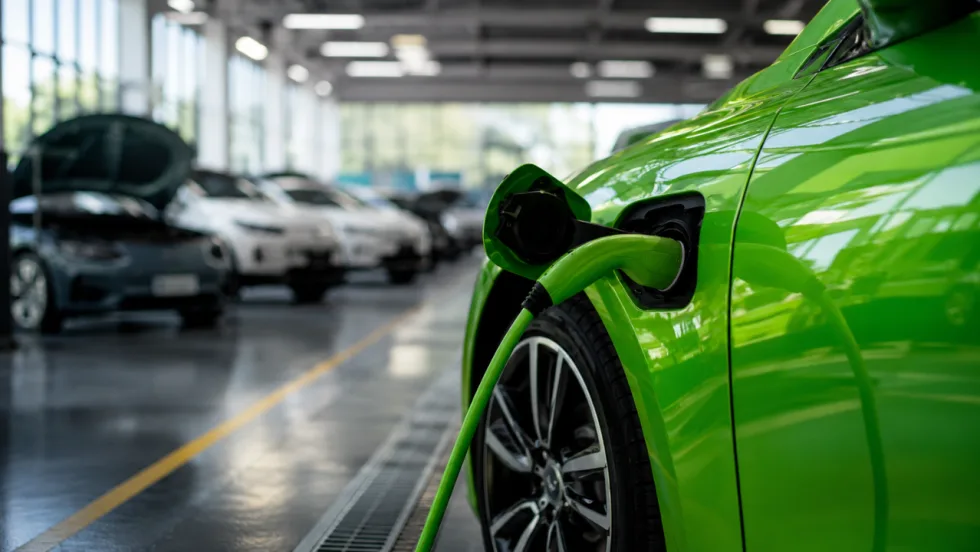
Stop Remarketing Electric Vehicles Like Gas Cars
The advantages and attributes of electric vehicles are upending the traditional remarketing cycle, requiring fleet sellers to rely on new factors and approaches detailed below.
Read More →
AP Fleet Management Expands Remarketing Program for Commercial Work Trucks
AP Fleet Management expanded its commercial vehicle remarketing program with dedicated resale services and an online marketplace for used work trucks.
Read More →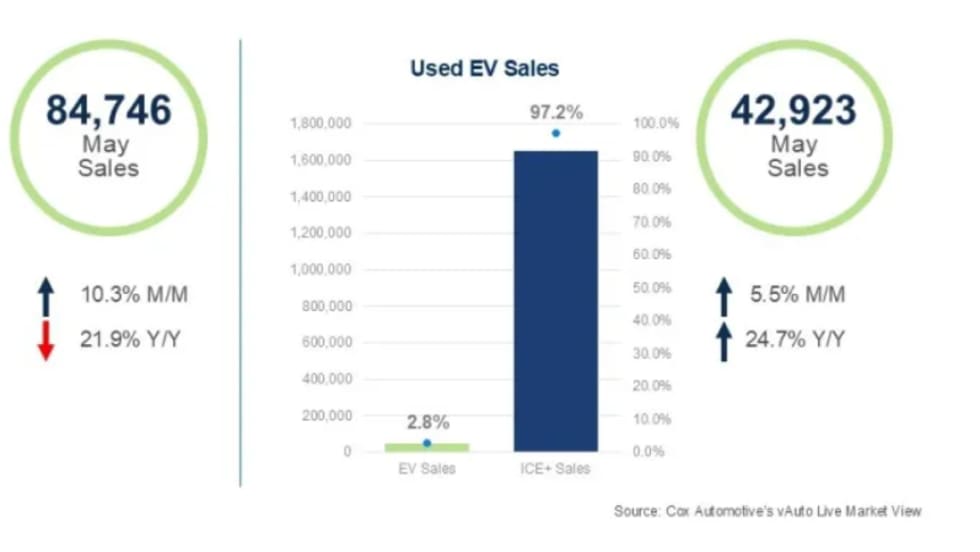
Used EVs Strengthen Overall Electric Vehicle Market
The latest sales data point to several reasons for the divergent trends in new and used EVs that can factor into fleet cycling decisions.
Read More →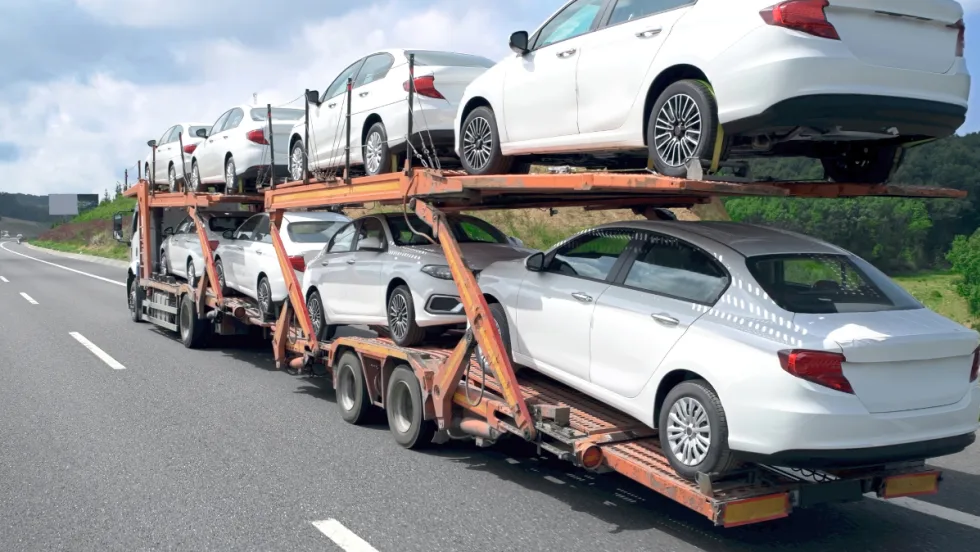
The Data-Driven Haul: 5 Ways AI is Leveling the Playing Field in Auto Transport
Large and small transport fleets are becoming more competitive as predictive analytics and real-time data inform the logistics decision chain.
Read More →