



AI Emerging As Must-Have Fleet Technology
Within the next six to 12 months, artificial intelligence programs designed specifically for smaller operations will become more affordable, intuitive, and integrated.


AI is no longer a futuristic concept for fleets. It’s becoming a competitive necessity.
Credit: Martin Romjue / Automotive Fleet
For all the talk of an AI takeover, the neural technology looks more like a newbie for fleet operations.
Only about one in 10 fleets is a full user of AI tools. The rest are partially deploying it, considering it, or avoiding it.
For operations among the first wave of adopters, the results brim with potential as they realize the benefits and economies of scale.
A recent session at the Fleet Forward Conference in San Diego provided a state of fleet AI overview of how the technology can modernize fleet operations, reduce costs, and even out competition for small and large operators.
David Prusinski, CEO of Vehicle Management Solutions (VMS), explored how AI intersects with fleets, drawing on extensive industry surveys and years of direct experience with connected vehicle technologies.
He also outlined the adoption struggles and challenges that deter immediate acceptance among fleet managers.
Prompted by moderator Charlie Vogelheim, Prusinski explored the following aspects of AI adoption:
AI Uptake Still In Starter Mode
Most companies are in early stages of AI integration, although far from a deeper usage, according to VMS’s 2025 fleet industry survey:
11% of fleets have fully implemented generative AI tools.
40% use AI in some capacity (e.g., telematics or maintenance).
39% are exploring or considering future adoption.
This means that more than half of fleets remain cautious observers rather than active participants. Prusinski described them as reluctant experimenters, waiting for clearer ROI and industry standards before investing fully.
Understanding The Main Types of AI
These are common AI categories relevant to fleet operations:
Generative AI: Creates reports, responses, and insights based on large data models, which are useful for summarizing analytics or writing fleet reports.
Predictive AI: Analyzes operational data to forecast future events, such as component failures or optimal maintenance timing.
Agentic AI: Acts autonomously to complete tasks, such as scheduling, billing, or compliance, based on rules and past behavior, while still requiring human sign-off.
Benefits of Managing Fleets With AI
AI is no longer a futuristic concept for fleets. It’s becoming a competitive necessity. Prusinski said AI offers fleets an opportunity to maintain profitability in an increasingly complex marketplace.
Rather than being limited to large enterprises, AI-powered tools now enable smaller operators to access predictive maintenance, driver monitoring, and real-time analytics that were previously out of reach.
Key benefits of AI adoption include:
Predictive maintenance: AI systems analyze telematics and sensor data to forecast component failures with up to 90% accuracy. This allows fleets to shift from reactive repairs to preventive maintenance, reducing downtime and repair costs by up to 30%.
Enhanced safety: Advanced vision and behavior monitoring detect distractions, fatigue, and unsafe driving habits in real time, helping prevent accidents and reduce insurance risk.
Cost efficiency: By automating repetitive tasks such as scheduling and reporting, AI reduces administrative workload and improves vehicle usage.
Accessibility for smaller fleets: AI-driven maintenance and operations tools democratize fleet management, giving smaller fleets the same data-driven insights once reserved for large enterprises.

David Prusinski, CEO of Vehicle Management Solutions (VMS), explored how AI intersects with fleets during the Fleet Forward Conference in San Diego on Oct. 22, 2025.
Photo: Jonathan Robbins / Bobit Business Media
Barriers to AI Adoption
Despite its promise, many fleets hesitate to fully integrate AI systems. Prusinski identified several obstacles that make adoption challenging, particularly for small and mid-sized operations.
Fragmented data: Fleet data is often scattered across telematics platforms, fuel cards, maintenance logs, and spreadsheets. Without standardized integration, AI models produce inconsistent or inaccurate predictions.
Legacy system integration: Many fleet operators still rely on outdated or proprietary software. Connecting these to modern AI systems requires middleware or costly retrofitting.
The ‘black box’ problem: Deep learning models often make decisions that are difficult for humans to interpret, creating mistrust among users.
High upfront costs: AI systems require investments in sensors, data infrastructure, and integration services. Many small fleets can’t justify such expenses without clear ROI.
Connectivity limitations: Fleets operating in rural or resource sectors often face unreliable cellular service, which can disrupt real-time data flows.
Skills gap: 97% of fleets have fewer than 50 vehicles, and most lack in-house technical expertise to manage AI systems, forcing them to rely on external vendors.
How AI Empowers Smaller Fleets
Prusinski underscored why smaller fleets stand to gain the most from AI if they can overcome resource and infrastructure gaps. He described how intuitive, user-friendly AI platforms are easing the transition.
Automated maintenance management: AI can schedule repairs, monitor vendor performance, and forecast parts replacement without adding staff.
Centralized dashboards: Modern systems consolidate telematics, maintenance, and safety data into a single platform, reducing administrative overload.
Agentic AI (AI assistants): These emerging tools don’t just analyze data; they act on it. For instance, an AI assistant might automatically request repair quotes, compare vendor pricing, or start service scheduling, requiring only a manager’s final approval.
Cost reduction: Automating manual workflows gives small fleets access to enterprise-level operational efficiency without increasing headcount.
AI Requires Data Security and Ethical Standards
With AI comes the responsibility to protect sensitive data. Fleet managers must constantly monitor vehicle locations, driver behavior, and maintenance details. Cyberattackers can target this information.
Cybersecurity risks: Continuous data collection exposes fleets to potential breaches, spoofing, and ransomware attacks. Companies must invest in secure digital infrastructure and comply with evolving data protection laws.
Algorithmic bias: AI models trained on incomplete data sets can unintentionally produce biased outcomes. Fleets must ensure vendors use transparent, well-audited models to avoid unfair or inconsistent decision-making.
Unclear liability: When an AI-driven system makes an incorrect prediction, such as a faulty maintenance alert, the question of accountability remains legally unresolved.
Building Trust in Fleet AI Systems
Many fleet managers remain wary of AI because of a perceived lack of control. Prusinski noted that fostering trust requires transparency and accountability:
Clarity: Fleet operators must understand how AI arrives at its conclusions, whether predicting driver risk or scheduling repairs.
Human oversight: AI should act as a co-pilot, not a replacement for experienced fleet managers. Humans remain essential for context, exception handling, and strategic decision-making.
Incremental adoption: Start small with pilot projects to build internal confidence and demonstrate ROI before scaling.
Regular monitoring: AI systems should undergo regular audits to ensure they remain accurate, secure, and aligned with business goals.
AI Leads To ROI, Eventually
Prusinski cautioned that ROI isn’t always immediate but can be substantial longer-term. Early adopters already report measurable efficiency gains.
Operational efficiency: Fleets using AI tools have achieved 12%–15% efficiency gains through automating repetitive tasks and accelerating data processing.
Faster insights:AI outperforms traditional dashboards at identifying actionable trends across routing, energy use, and total cost of ownership (TCO).
Maintenance ROI: AI’s biggest financial impact is in predictive maintenance and repair order (RO) management, which reduces unplanned downtime and extends vehicle life.
Rebutting Myths and Fears About AI
Resistance to AI adoption is as much cultural as technical. Some employees fear automation will replace jobs or increase surveillance. Prusinski stressed that AI should amplify human expertise, not replace it.
AI as an amplifier: Instead of eliminating roles, AI removes tedious administrative tasks, allowing fleet managers to focus on strategic priorities.
Training and change management: Educating staff about AI’s role fosters acceptance and reduces fear.
Virtual fleet management: The emerging model positions AI as a trusted assistant that handles logistics while humans oversee exceptions and strategy.
Smarter Smaller Fleets
Prusinski compared AI’s rise to past technological revolutions like the internet and cloud computing.
Those willing to evolve will define the next generation of fleet operations. The survival of the smartest fleets is already underway, he noted. AI-driven maintenance, energy management, and safety analytics will soon become the industry standard instead of the exception.
For small fleets, the message was clear: patience and preparation will pay off. Within the next 6–12 months, AI tools designed specifically for smaller operations will become more affordable, intuitive, and integrated.
The fleets that embrace these tools early and build trust through transparency will gain a decisive edge.
Originally posted on Automotive Fleet
More Operations
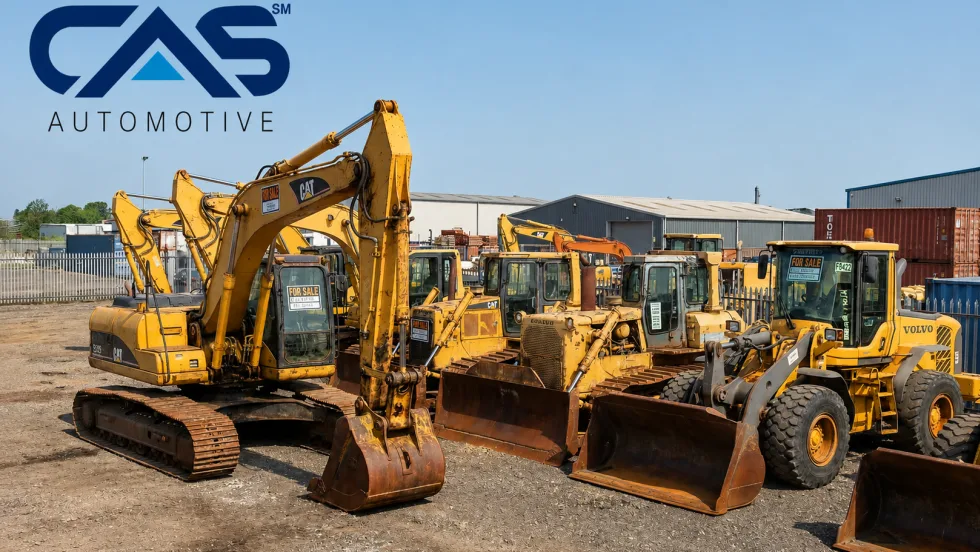
CAS Automotive Launches Remarketing Service for Damaged, Surplus Equipment
Damaged Equipment expands CAS Automotive’s vehicle remarketing model to commercial equipment, targeting fleet operators, insurers, equipment dealers, and rental companies.
Read More →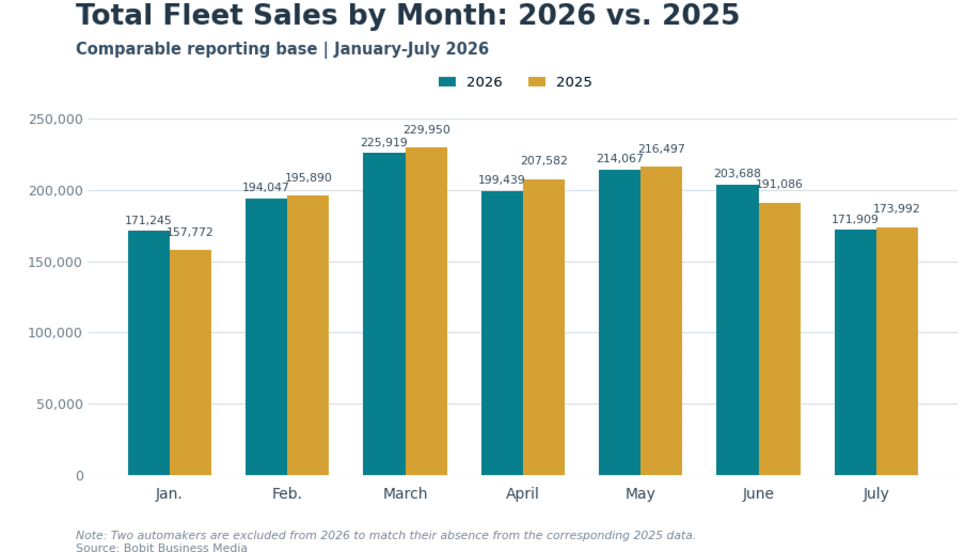
Fleet Sales Hold Steady as Commercial Gains Offset Rental Decline
Commercial and government fleet sales increased through July 2026, offsetting most of the decline in rental volume and leaving combined comparable fleet sales 0.5% above the same period last year.
Read More →
Personnel Update: BrickHouse GPS, PRO-VISION, Auto Driveaway, and Proaction
Check out the latest must-know fleet personnel updates from the last couple of months.
Read More →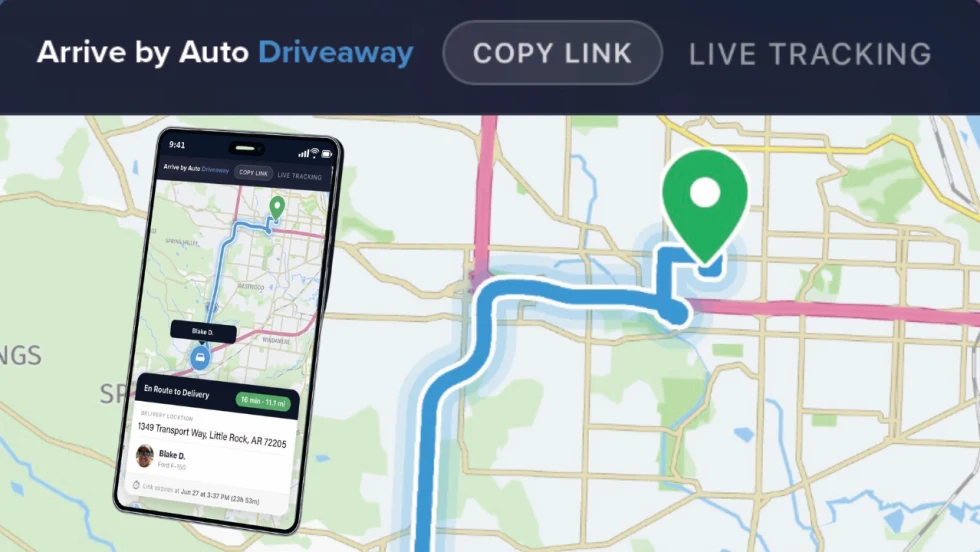
What Comes Next for Auto Driveaway?
A new Auto Driveaway feature called Arrive provides recipients with live location updates and ETAs during the final hour of a vehicle move, while fleet customers continue to have end-to-end shipment visibility through the company's customer portal.
Read More →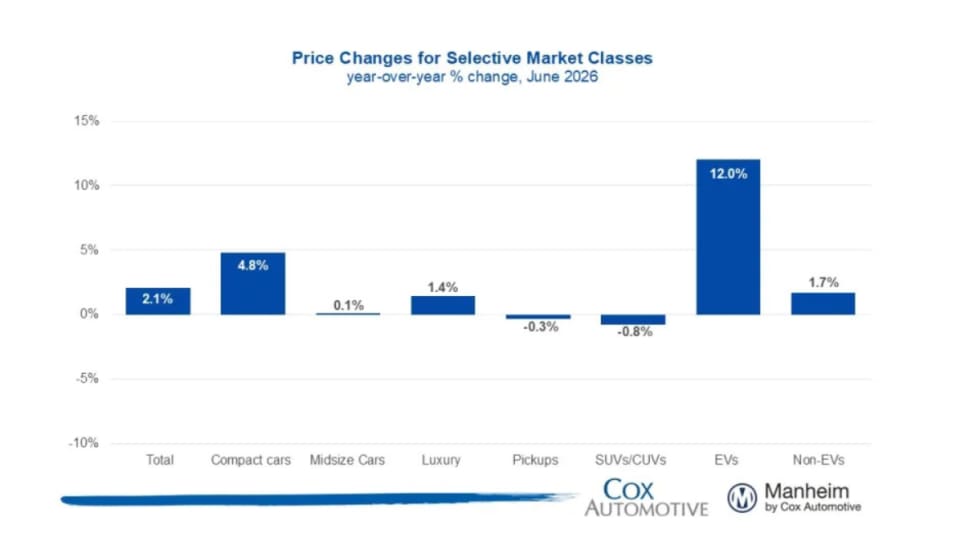
Manheim Index Shows Used-Vehicle Wholesale Prices Up 2.1% in June
The market is seeing stronger appreciation in older used vehicles this year, and the most affordable segments have been among the year’s best performers.
Read More →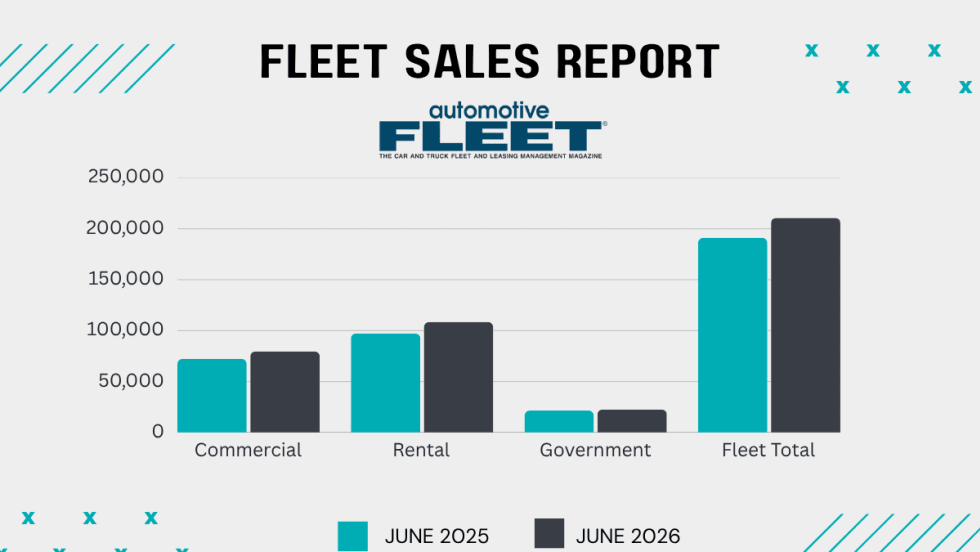
Commercial Fleet Sales Contribute To June, YTD Gains
The fleet sector has boosted its vehicle purchases at a reliable pace in the first half of this year compared with 1H 2025.
Read More →
Stop Remarketing Electric Vehicles Like Gas Cars
The advantages and attributes of electric vehicles are upending the traditional remarketing cycle, requiring fleet sellers to rely on new factors and approaches detailed below.
Read More →
AP Fleet Management Expands Remarketing Program for Commercial Work Trucks
AP Fleet Management expanded its commercial vehicle remarketing program with dedicated resale services and an online marketplace for used work trucks.
Read More →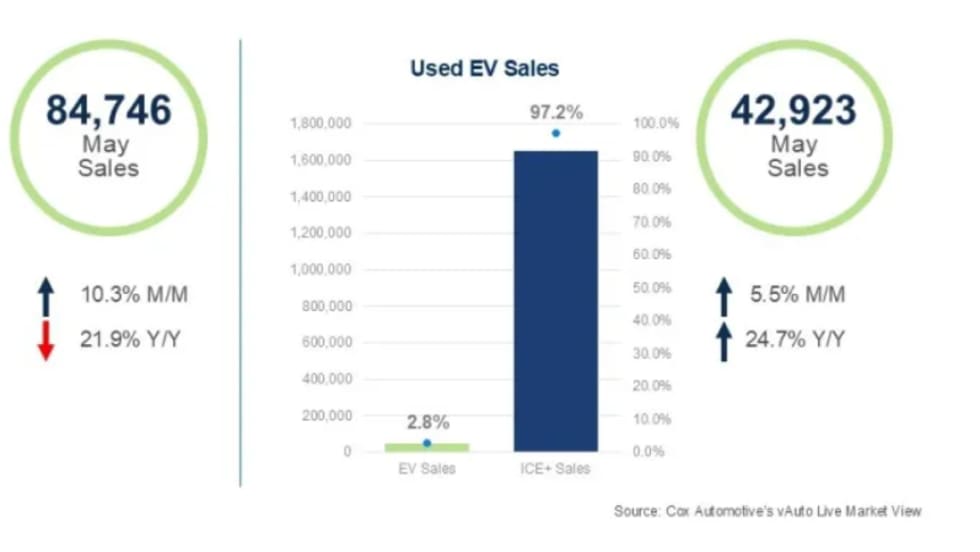
Used EVs Strengthen Overall Electric Vehicle Market
The latest sales data point to several reasons for the divergent trends in new and used EVs that can factor into fleet cycling decisions.
Read More →
The Data-Driven Haul: 5 Ways AI is Leveling the Playing Field in Auto Transport
Large and small transport fleets are becoming more competitive as predictive analytics and real-time data inform the logistics decision chain.
Read More →