




Related News:Ship.Cars Adopts Drive Chat Feature for Dispatchers
Ship.Cars Develops Tools to Deter Fraud Against Auto Carriers
The new approaches include enhanced password requirements, mandatory two-factor authentication (2FA), and proprietary fraud detection tools.
April 14, 2025
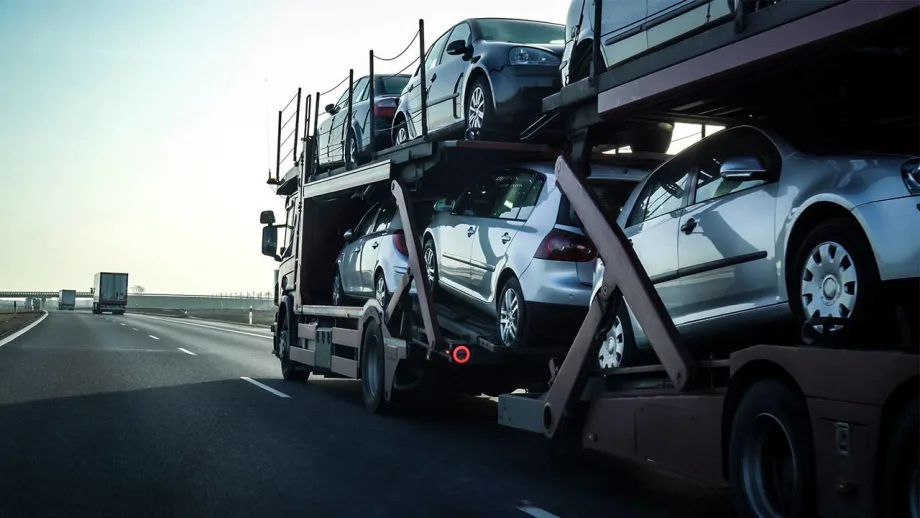
Over 17,000 car haulers leverage the Ship.Cars services to find and manage loads, optimize routes, and manage invoicing.
Photo: Montway Auto Transport
2 min to read
Ship.Cars, a software provider for car-hauling companies, recently introduced a suite of new security measures to protect carriers from the growing threat of fraud within the automotive transportation industry.
Among the new measures:
Enhanced password requirements
Mandatory two-factor authentication (2FA)
Proprietary fraud detection tools
Continuous Carrier USDOT Authority Monitoring
In addition, the company unveiled plans to develop a new fraud detection tool that leverages advanced algorithms to monitor user activity for suspicious behavior.
“While technology has brought increased efficiency and transparency to the logistics sector, it has also raised the need for stricter security measures,” said Eftim Eftimov, president of Ship.Cars, in a March news release. “We recognize these evolving threats, and these security enhancements demonstrate our commitment to protect our carrier partners, their businesses and their customers.”
Over 17,000 car haulers leverage the Ship.Cars services to find and manage loads, optimize routes, and manage invoicing. Vlad Kadurin, chief product and operations officer, said carriers value the flexible pricing model, stable platform performance, and responsive customer support.
“Car haulers operate on tight margins and even tighter timeframes,” Kadurin said. “When the cost of using a solution increases or a workflow breaks, it directly impacts their performance and revenue.”
Focus on the New Fraud Detection Tool
In addition to the added security measures, Ship.Cars committed to developing a sophisticated fraud detection tool that uses advanced algorithms to monitor user activity for suspicious behavior, aiming to identify and prevent fraudulent activities before they can affect carriers.
“We’ll continue to evolve our security infrastructure, leveraging advanced technologies to stay ahead of emerging threats and provide a secure and reliable platform for carriers,” Emitov said. “That means putting in place improved security measures today while also developing tools that will prevent fraud in the future.”
Originally posted on Automotive Fleet
More Auctions

Copart to Acquire ACV in $1.9 Billion Deal
The acquisition would expand Copart beyond its traditional salvage business into dealer-to-dealer wholesale remarketing while adding ACV’s vehicle data, inspection, and valuation technology.
Read More →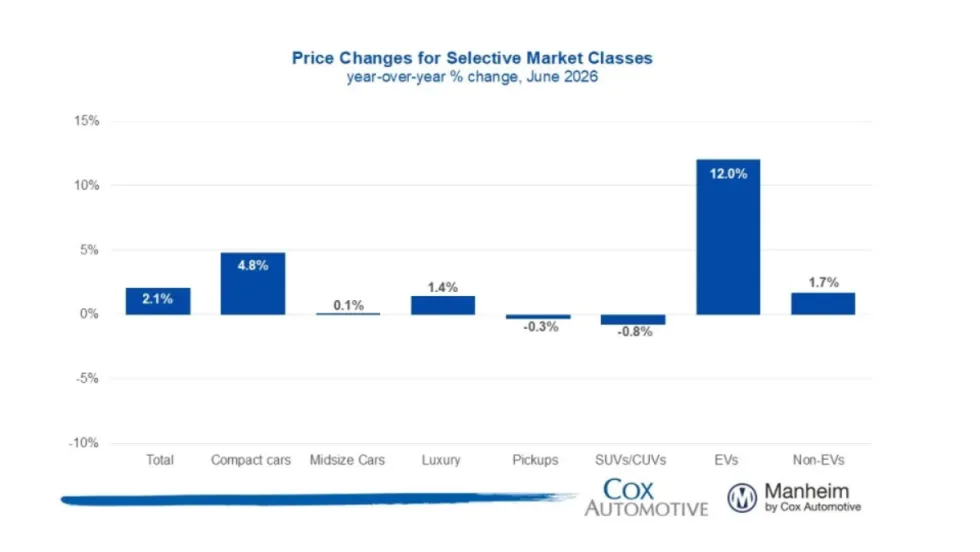
Manheim Index Shows Used-Vehicle Wholesale Prices Up 2.1% in June
The market is seeing stronger appreciation in older used vehicles this year, and the most affordable segments have been among the year’s best performers.
Read More →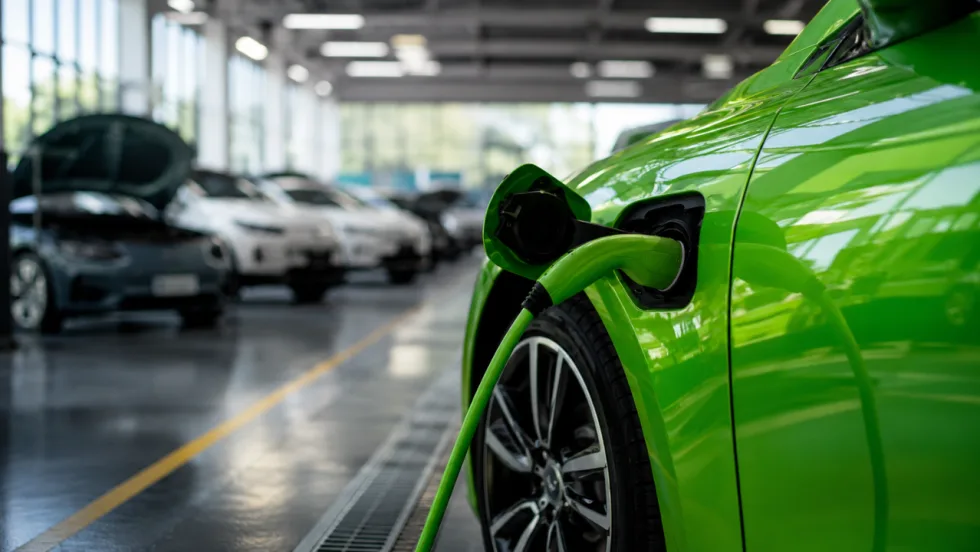
Stop Remarketing Electric Vehicles Like Gas Cars
The advantages and attributes of electric vehicles are upending the traditional remarketing cycle, requiring fleet sellers to rely on new factors and approaches detailed below.
Read More →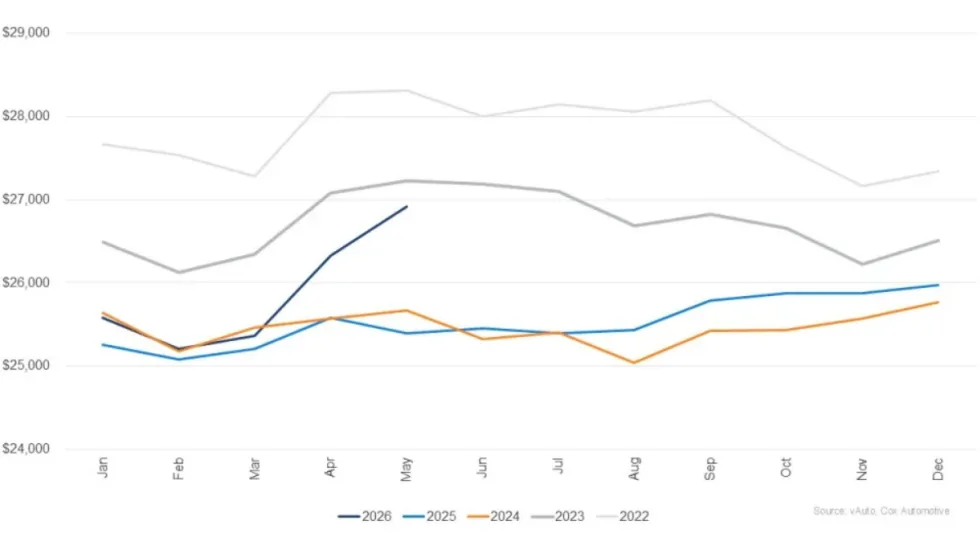
Used Vehicle Prices Climb Higher As Sales Pace Slows
The higher prices at used retail reflect strong wholesale values earlier in the spring, particularly for older, more affordable vehicles.
Read More →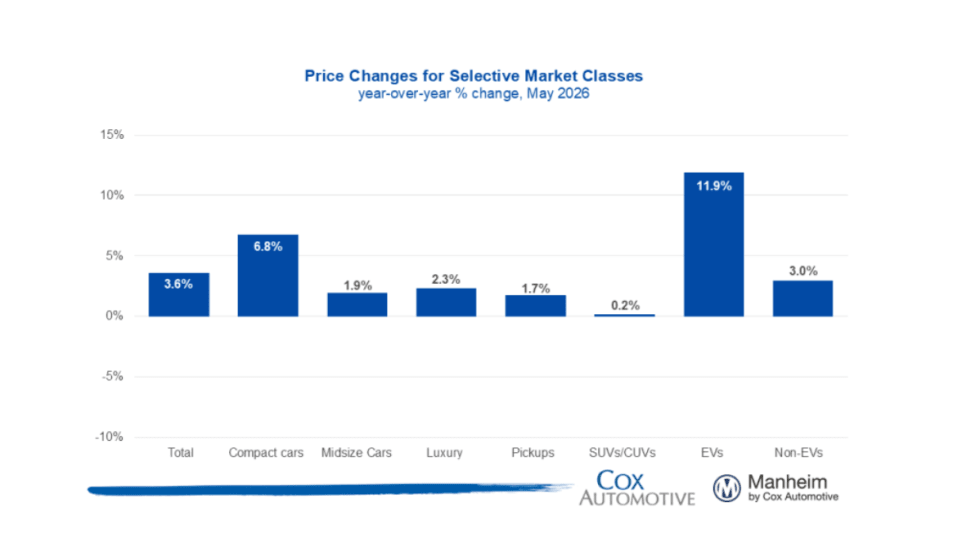
Wholesale Used Vehicle Market Sustains Moderate Rise In Values, Prices
Trends continue to normalize after a strong start to the year, as consumers contend with higher gas prices in the coming summer months.
Read More →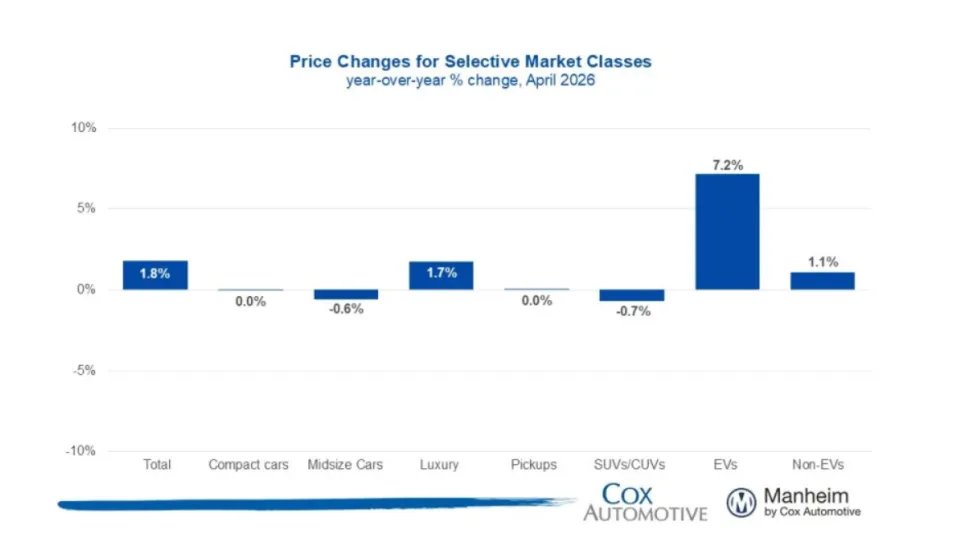
Wholesale Used Vehicle Prices Slightly Up In April
The Iranian conflict and rising gas prices inject much uncertainty into the future wholesale used vehicle markets, as higher gas prices soak up spendable income from vehicle buyers.
Read More →
CAR2026 in Two Words: Velocity, Value (Part 1)
The 2026 Conference of Automotive Remarketing convened with a mandate to involve a new constituency — fleet managers — and an updated mission to demonstrate unrealized value in de-fleeted vehicles.
Read More →
CAR 2026 Session to Uncover the Missing Data That's Costing Fleets at Disposal
Work trucks lose value at remarketing, not because they aren't worth more, but because the data to prove it rarely makes it to the auction.
Read More →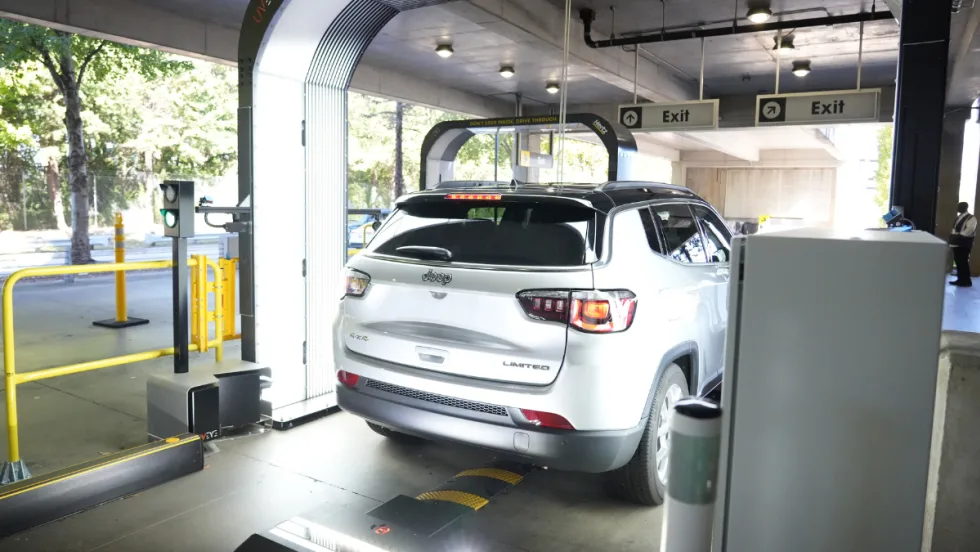
TSD Mobility, UVeye Partner On Automated Vehicle Inspections
The enhanced technology allows rental car operations, dealerships, and auctions to compare a vehicle’s condition at pickup and drop-off within the same rental or loaner record.
Read More →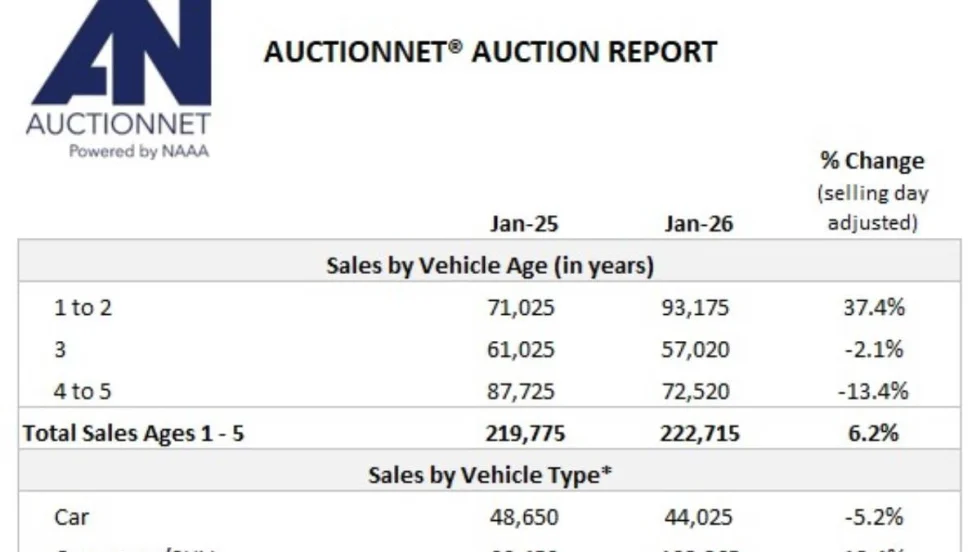
Auction Sales Kick Off 2026 In High Step
Winter snowstorms and frosty freeze-overs could not slow down the hot vehicle auction action nationwide in January.
Read More →