



Ship.Cars Introduces AI-Powered SmartHaul Transportation Management System
The system allows access to a full suite of new technology features and tools for Ship.Cars and drivers.

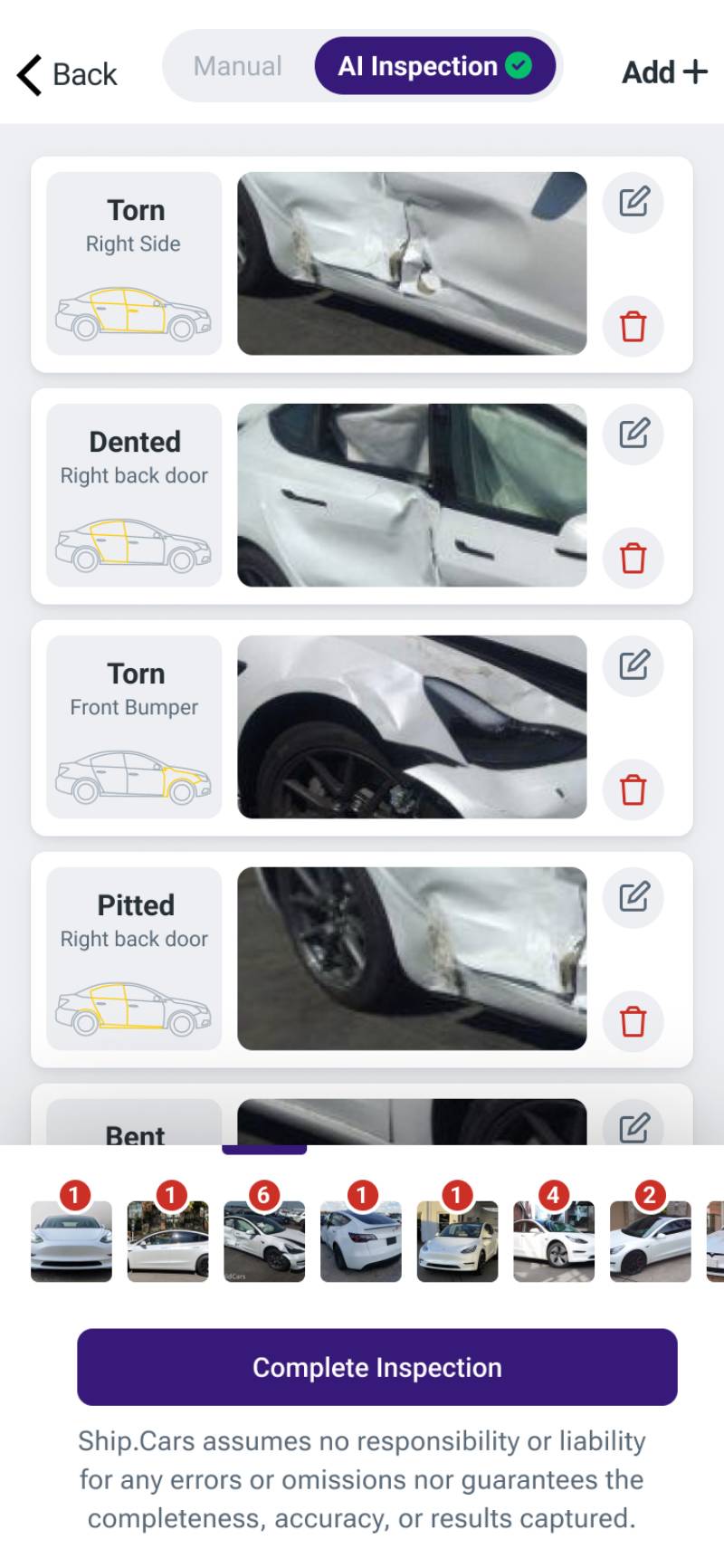
Ship.Cars is among the first in the industry to integrate AI damage inspection software into a driver delivery application. While eliminating human error and producing more accurate reporting, the AI damage inspection tool reduces vehicle inspection times by up to 60%, with full condition reports sent within 30 seconds.
Photo: Ship.Cars
Ship.Cars, an auto logistics technology provider, officially launched the AI-powered SmartHaul transportation management system (TMS) on June 13.
This smart technology platform incorporates a full suite of features using data-driven insights, machine learning and artificial intelligence tools to save time, increase efficiency, meet consumer demand, and drive carrier profitability.
Auto transport remains a critical linchpin for the automotive industry, serving as the backbone of the inventory supply chain.
Taking a tech-first approach that speeds dispatch and delivery processes is essential for carriers to be competitive and to keep automotive sales moving.
SmartHaul TMS includes intuitive features to help company owners, dispatchers and drivers work smarter and haul faster, helping them improve their operations.
This digital platform optimizes finding a load, booking it, and processing it. That helps carriers efficiently meet the needs of their shippers, including dealerships, auctions, and retail individuals.
“We are dedicated to helping carriers maximize their profits,” said Eftim Eftimov, president of Ship.Cars, in a news release. “With new AI-powered tools that strengthen search, dispatch and inspection, SmartHaul TMS prepares carriers for a more profitable future.”
Leveraging real-time data and analytics, carriers can gain a competitive advantage. SmartHaul TMS uses sophisticated algorithms and predictive modeling to provide carriers with the right loads at the right time.
By harnessing these intelligent capabilities, carriers can quickly make informed decisions that boost their bottom lines.
Key Features of SmartHaul TMS:
Trip Builder: This feature for car haulers helps carriers and drivers work more efficiently and increases revenue. Drivers can reduce deadhead miles by seeing all potential loads on their route, swapping between load opportunities, and configuring a trip with the best dollar-per-mile value possible. It also optimizes trips to reduce a truck’s carbon footprint.
AI Damage Inspection: Performing manual inspections is one of the most time-consuming tasks for drivers, making AI inspection a necessity, not a convenience. Ship.Cars is among the first in the industry to integrate AI damage inspection software into a driver delivery application. While eliminating human error and producing more accurate reporting, the AI damage inspection tool reduces vehicle inspection times by up to 60%, with full condition reports sent within 30 seconds.
Mobile Load Board: This gives drivers full access to available loads within the SmartHaul APP. With immediate access to the tools needed to effectively search, negotiate, and book loads right from a phone, it instantly elevates load bookings. A customizable search tool informs drivers of all postings and gives them access to exclusive loads available for instant booking through partnerships with shippers of all sizes, ensuring the best possible prices. In addition, the mobile load board includes an easy-to-use negotiation tool that keeps all interactions in one place and is updated in real-time.
Current TMS platforms primarily provide tools to aid carriers in their work. The SmartHaul TMS platform introduces a comprehensive suite of smart features that enhance carrier efficiency and reduce reliance on manual labor, automating tasks within the transportation management process.
By minimizing manual work, SmartHaul TMS enables carriers to allocate their resources more strategically, leading to improved performance throughout the organization.
“Ship.Cars users are already completing nearly 50,000 monthly inspections; the Trip Builder feature has enabled nearly a 100% increase in trips created; and the mobile load board is already being used by half of all current Market Load Board users,” said Vladimir Kadurin, product and operations lead at Ship.Cars in a news release.
Ship.Cars serves more than 30,000 carriers and 90,000 drivers, operating over 110,000 trucks. Based on current TMS usage, the company anticipates increasing its volume to over 20,000 users per month. Since 2017, Ship.Cars has been a provider of software solutions for the car-hauling industry.
More Operations

FLD Promotes Three Executives in Leadership Changes
FLD has promoted three longtime executives, naming Gary Mott CEO, Richard Mallek president, and Ron Sanders managing partner.
Read More →
CAS Automotive Launches Remarketing Service for Damaged, Surplus Equipment
Damaged Equipment expands CAS Automotive’s vehicle remarketing model to commercial equipment, targeting fleet operators, insurers, equipment dealers, and rental companies.
Read More →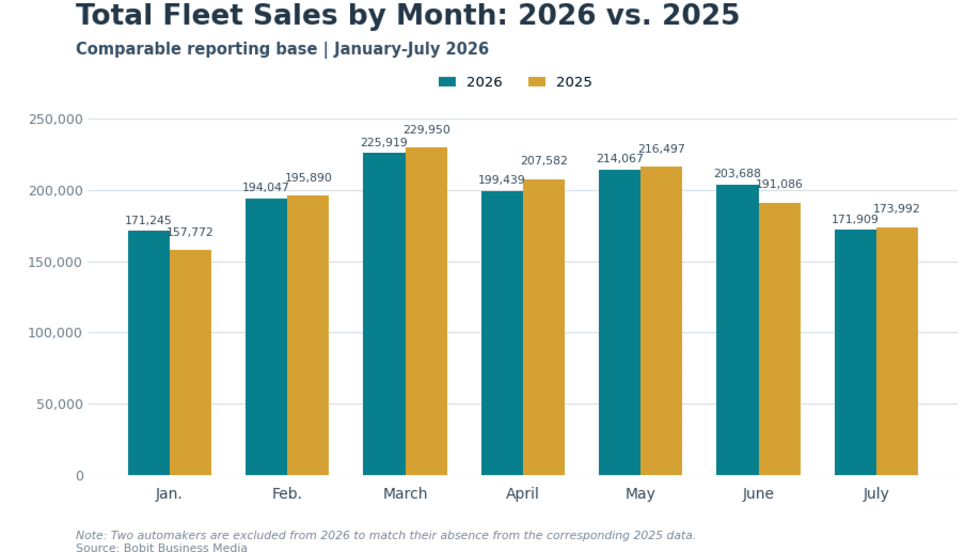
Fleet Sales Hold Steady as Commercial Gains Offset Rental Decline
Commercial and government fleet sales increased through July 2026, offsetting most of the decline in rental volume and leaving combined comparable fleet sales 0.5% above the same period last year.
Read More →
Personnel Update: BrickHouse GPS, PRO-VISION, Auto Driveaway, and Proaction
Check out the latest must-know fleet personnel updates from the last couple of months.
Read More →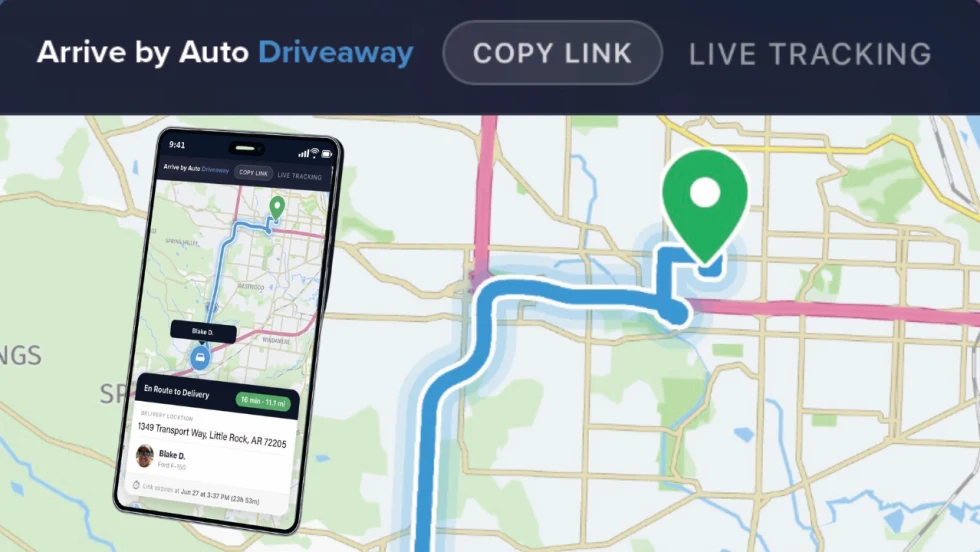
What Comes Next for Auto Driveaway?
A new Auto Driveaway feature called Arrive provides recipients with live location updates and ETAs during the final hour of a vehicle move, while fleet customers continue to have end-to-end shipment visibility through the company's customer portal.
Read More →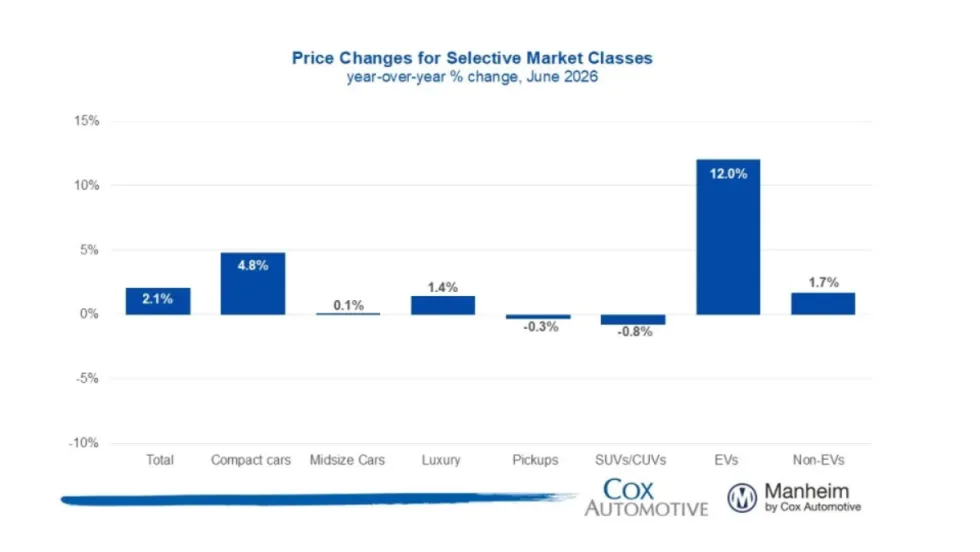
Manheim Index Shows Used-Vehicle Wholesale Prices Up 2.1% in June
The market is seeing stronger appreciation in older used vehicles this year, and the most affordable segments have been among the year’s best performers.
Read More →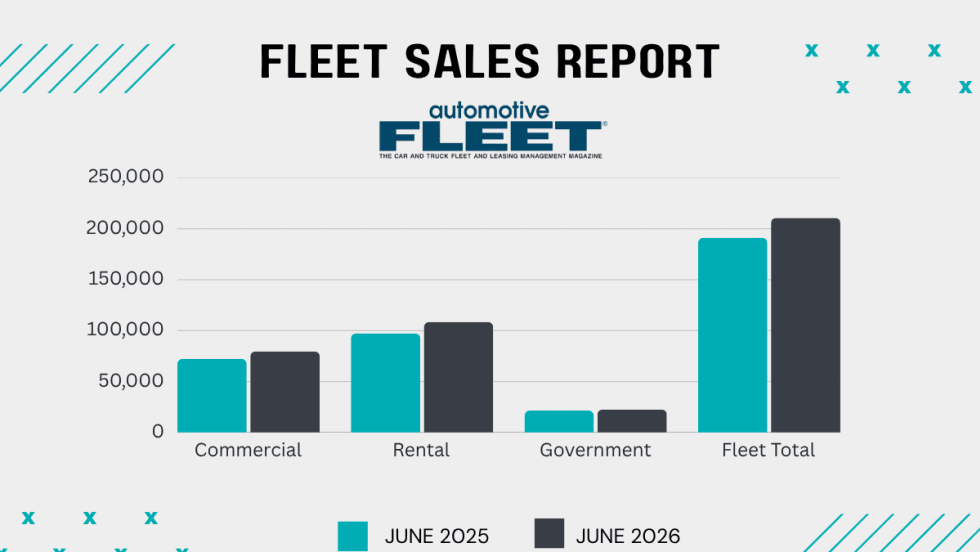
Commercial Fleet Sales Contribute To June, YTD Gains
The fleet sector has boosted its vehicle purchases at a reliable pace in the first half of this year compared with 1H 2025.
Read More →
Stop Remarketing Electric Vehicles Like Gas Cars
The advantages and attributes of electric vehicles are upending the traditional remarketing cycle, requiring fleet sellers to rely on new factors and approaches detailed below.
Read More →
AP Fleet Management Expands Remarketing Program for Commercial Work Trucks
AP Fleet Management expanded its commercial vehicle remarketing program with dedicated resale services and an online marketplace for used work trucks.
Read More →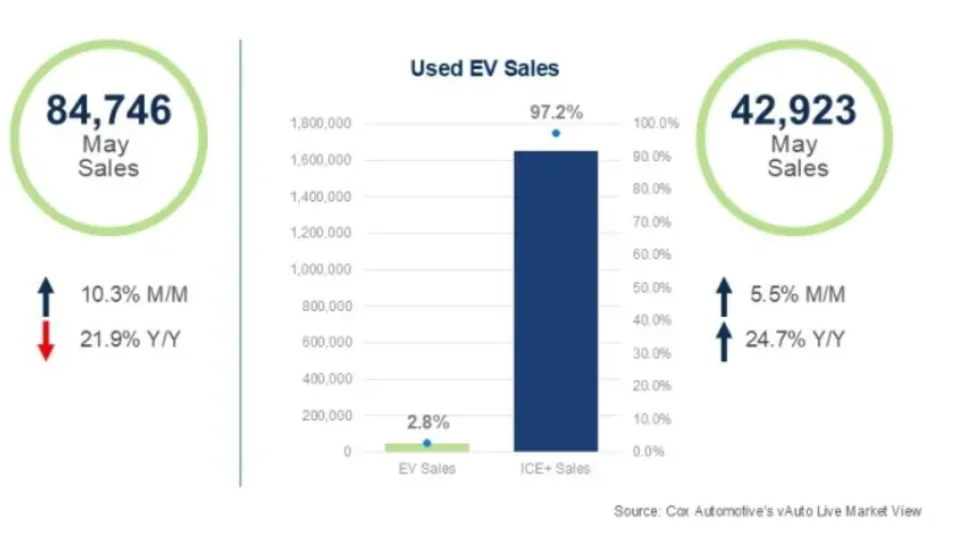
Used EVs Strengthen Overall Electric Vehicle Market
The latest sales data point to several reasons for the divergent trends in new and used EVs that can factor into fleet cycling decisions.
Read More →