



Related article: How Are Supply Chain Disruptions Affecting Car Haulers?
Why Are Vehicle Transportation Costs Going Up?
Analysis: On one automotive marketplace that connects shippers and transporters, the carrier cost per mile increased nearly 18% from 2019 to 2021.
by Joe Kichler, vice president, Manheim Logistics
December 2, 2021
Vehicle transportation costs across the automotive industry have risen noticeably since 2019.
File photo: United Road
2 min to read
There’s been a lot of talk in the industry lately about rising destination charges on new cars. Some assume that automakers are pushing up the prices to cushion their profits, but there’s perhaps a more straightforward answer: It’s gotten much more expensive to transport vehicles due to the pandemic.
At Cox Automotive, the Manheim Logistics brands – Ready Logistics and Central Dispatch – touch 10 million vehicle moves a year. And while those are almost all on the used car side, the logistics supply chain challenges are the same for both new and used vehicles. Below is a look at the data Coxis seeing and the trends worth watching
Vehicle transportation costs across the automotive industry have risen noticeably since 2019. On Central Dispatch, the largest self-serve automotive marketplace that connects shippers and transporters, the carrier cost per mile increased nearly 18% from 2019 to 2021. While there are several factors influencing that increase, the biggest ones are:
Carrier/driver shortages: COVID caused a shortage of carriers, which persists to this day. In fact, the American Trucking Association said he problem went from a shortage of 61,500 drivers pre-pandemic to 80,000 today – a 30% increase. And filling that gap is becoming harder as consumer delivery companies are increasing their wages to attract more drivers, and many potential drivers are finding it’s much easier to deliver a package than a 1–2-ton vehicle.
Higher demand: There’s increased demand for transporting wholesale vehicles farther distances due to low supply and more dealers buying these vehicles digitally. The average vehicle move in Q1 2020 was 225 miles, and in Q3 2021, that number more than doubled to 460 miles.
Fuel costs: The price of fuel continues to rise. In October 2021, a gallon of diesel was about $1.30 more expensive than the same time a year ago – a significant increase.
The fact is these challenges aren’t going away anytime soon. The shortage of carriers combined with the increase in demand for transportation is all happening in a relatively low-demand transportation market, with North American vehicle production down 22% from 2019 to 2021 and wholesale auction volumes down 9% in the same period.
When the chip shortage resolves, more new vehicles will head to dealerships and more used vehicles will find their way to wholesale. The already overtaxed transportation supply chain will be squeezed further – perhaps leading to more cost increases.
Overall, the increase in new-vehicle destination charges has much more to do with the headwinds facing vehicle transportation than a way to add more profits.
Note: This article was provided by Cox Automotive
More Operations

CAS Automotive Launches Remarketing Service for Damaged, Surplus Equipment
Damaged Equipment expands CAS Automotive’s vehicle remarketing model to commercial equipment, targeting fleet operators, insurers, equipment dealers, and rental companies.
Read More →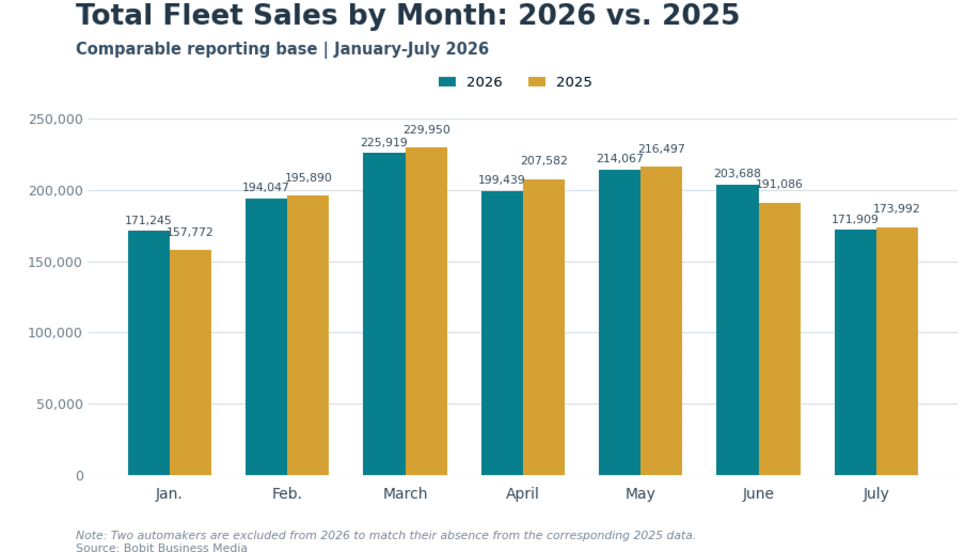
Fleet Sales Hold Steady as Commercial Gains Offset Rental Decline
Commercial and government fleet sales increased through July 2026, offsetting most of the decline in rental volume and leaving combined comparable fleet sales 0.5% above the same period last year.
Read More →
Personnel Update: BrickHouse GPS, PRO-VISION, Auto Driveaway, and Proaction
Check out the latest must-know fleet personnel updates from the last couple of months.
Read More →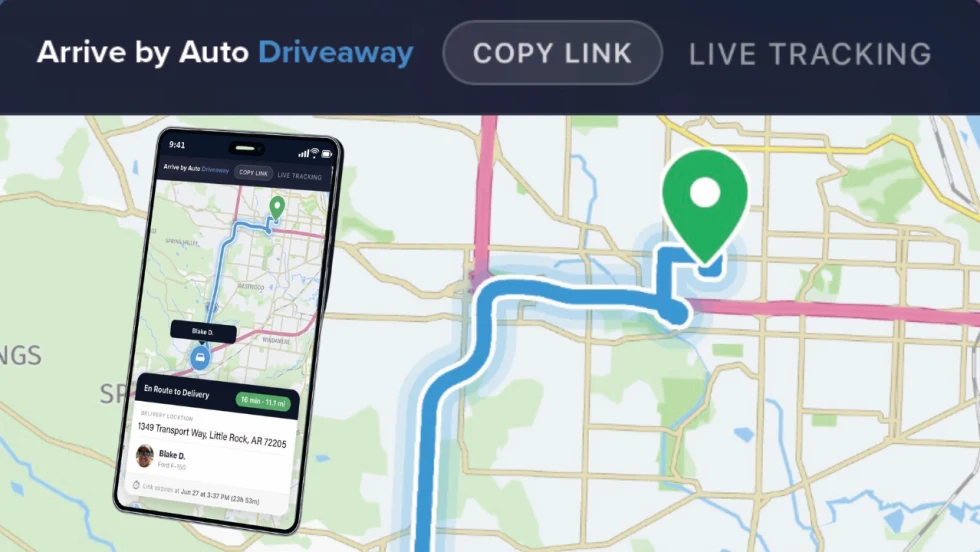
What Comes Next for Auto Driveaway?
A new Auto Driveaway feature called Arrive provides recipients with live location updates and ETAs during the final hour of a vehicle move, while fleet customers continue to have end-to-end shipment visibility through the company's customer portal.
Read More →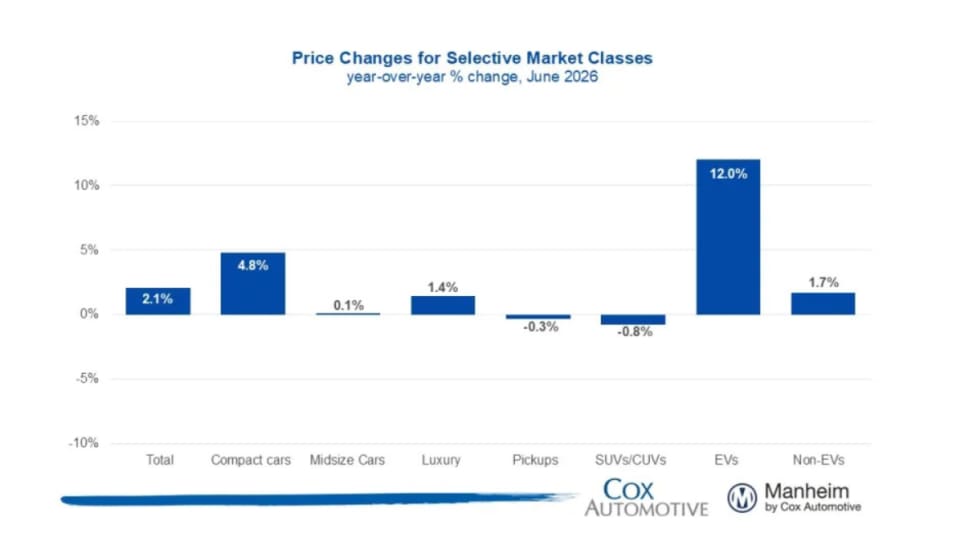
Manheim Index Shows Used-Vehicle Wholesale Prices Up 2.1% in June
The market is seeing stronger appreciation in older used vehicles this year, and the most affordable segments have been among the year’s best performers.
Read More →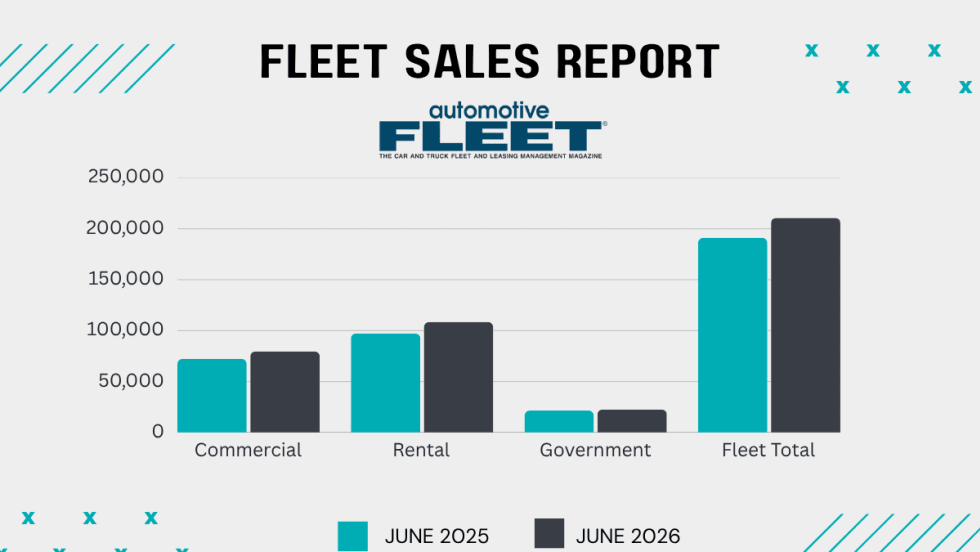
Commercial Fleet Sales Contribute To June, YTD Gains
The fleet sector has boosted its vehicle purchases at a reliable pace in the first half of this year compared with 1H 2025.
Read More →
Stop Remarketing Electric Vehicles Like Gas Cars
The advantages and attributes of electric vehicles are upending the traditional remarketing cycle, requiring fleet sellers to rely on new factors and approaches detailed below.
Read More →
AP Fleet Management Expands Remarketing Program for Commercial Work Trucks
AP Fleet Management expanded its commercial vehicle remarketing program with dedicated resale services and an online marketplace for used work trucks.
Read More →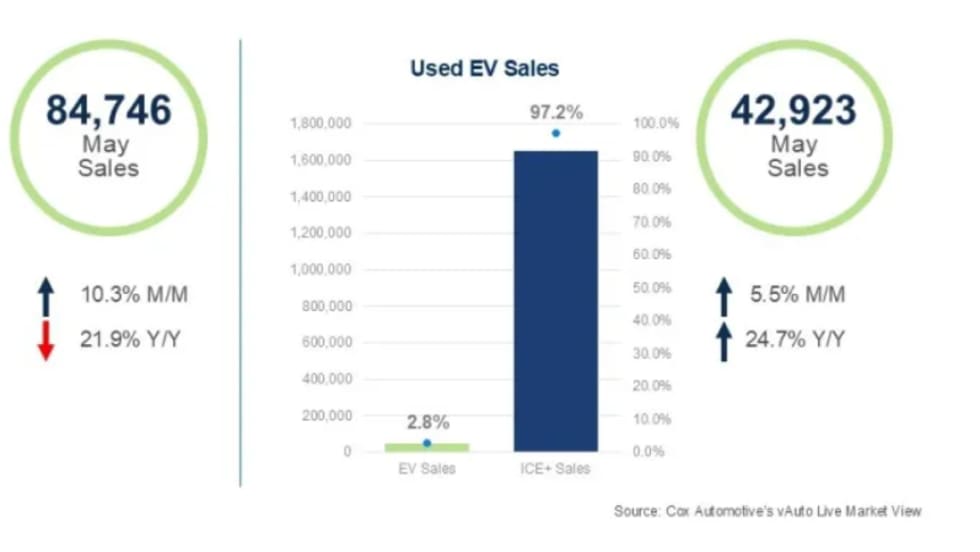
Used EVs Strengthen Overall Electric Vehicle Market
The latest sales data point to several reasons for the divergent trends in new and used EVs that can factor into fleet cycling decisions.
Read More →
The Data-Driven Haul: 5 Ways AI is Leveling the Playing Field in Auto Transport
Large and small transport fleets are becoming more competitive as predictive analytics and real-time data inform the logistics decision chain.
Read More →