




Related: Latest Hard Realities, Top Pressures For Electric Fleets
Will The Loss Of Incentives Kill Electric Vehicles?
As federal EV incentives near expiration, a new study shows demand has stalled, used supply is surging, and Tesla models top the list of vehicles losing the most value.
July 29, 2025
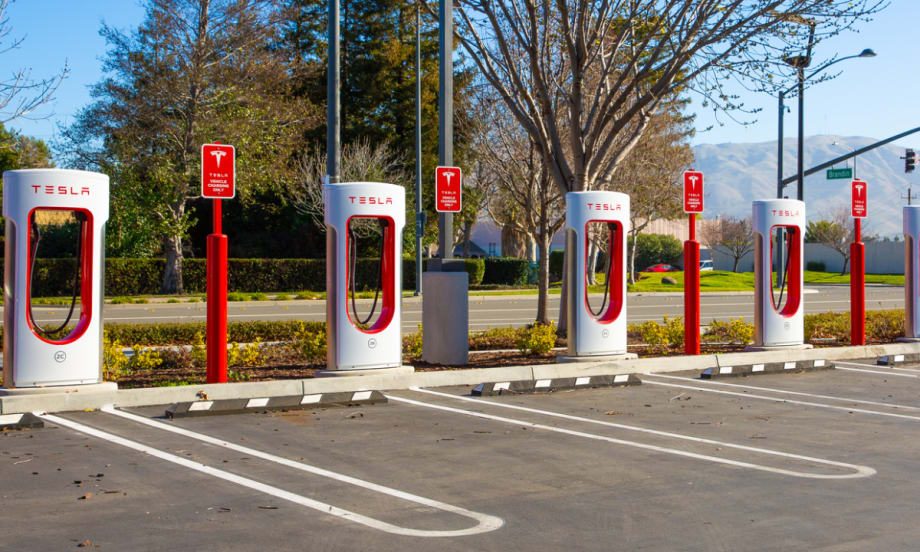
As federal EV incentives near expiration, a new study shows demand has stalled, used supply is surging, and Tesla models top the list of vehicles losing the most value.
Photo: iSeeCars
3 min to read
With the $7,500 federal incentive for new electric vehicles and the $4,000 incentive for used models set to expire on Sept. 30, analysts expect fewer new EV sales and further declines in used EV prices.
This comes as new EV market share plateaued in late 2024 and used EV values have dropped by a lot compared to gasoline models over the past year.
The latest iSeeCars study analyzed EV market share growth over the past six years and used EV supply and pricing compared to gasoline models. It also identified the used cars with the largest 12-month price drops. The findings point to slowing demand for electric vehicles even before the federal incentives expire.
“Electric vehicles have a role to play in the new and used car market,” said iSeeCars executive analyst Karl Brauer, in a news release. “But current market share and pricing trends suggest EV demand has peaked and may decline in the coming years.”
Has Electric Vehicle Demand Peaked?
Predictions that EVs would make up 20% to 50% of new vehicle sales by 2030 were common just a few years ago. However, new EV market share has stalled at 6.9%, with declines over the past 12 months, according to Cox Automotive. Many EVs remain more expensive than comparable gasoline models, even with the $7,500 incentive.
iSeeCars measured growth in the 1-to-5-year-old used car market since 2020. Between 2021 and 2024, EV share increased 60.5% to 97.3% annually. That growth slowed sharply in the past 12 months to just 14.2%.
“This is a lagging indicator, and of course it doesn’t include the impact of federal incentives being removed on Sept. 30,” Brauer said. “What will market share growth for 1- to 5-year-old used EVs be in June 2026? Will there even be growth? Or contraction?”
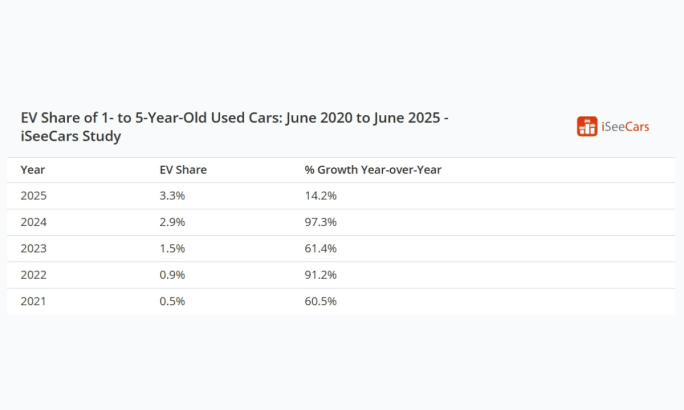
EV share in the 1- to 5-year-old used market slowed sharply in 2025, growing just 14.2% after years of rapid increases, according to an iSeeCars study.
Photo: iSeeCars
Used EVs: Gaining Volume, Losing Value
The number of used EVs for sale rose 61.8% between July 2024 and July 2025. By comparison, used gasoline vehicles increased 22.2% in the same period.
Demand has not kept pace with this supply, driving prices down. In June 2025, average used EV prices fell 4.8% compared to a year earlier, while gasoline vehicle prices rose 5.2%.
“Used car shoppers focus on value. Today, used EVs are about $1,200 less than gasoline vehicles, and the market reflects that,” Brauer said.
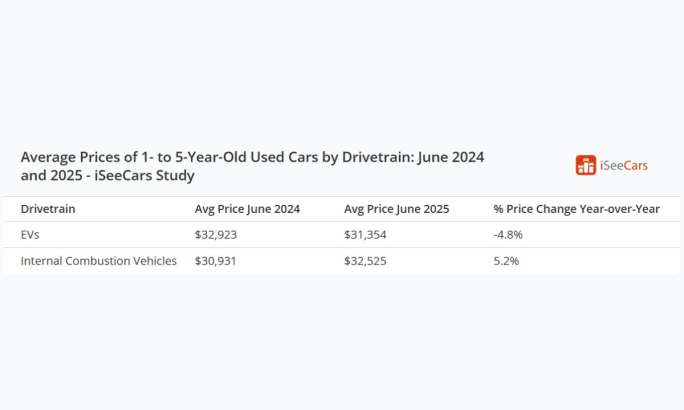
While average used car prices for internal combustion vehicles rose 5.2% year-over-year, EV prices fell 4.8%, widening the value gap between the two segments, iSeeCars data shows.
Photo: iSeeCars
EVs Lead the Charge on Depreciation
EVs account for only 3.3% of the 1- to 5-year-old used market but make up half of the 10 models with the biggest price drops. Tesla vehicles occupy the top three spots.
“It doesn’t help the EV value story when Tesla, which dominates the U.S. EV market, also leads the list of models losing the most value,” Brauer added.
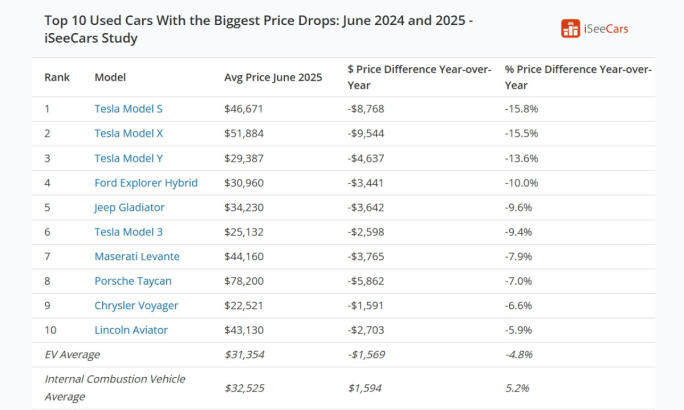
Half of the top 10 used cars with the steepest year-over-year price drops were EVs, with Tesla models leading the list, according to iSeeCars’ latest study.
Photo: iSeeCars
Consumer Considerations
With the Sept. 30 deadline approaching, consumers weighing EV purchases should note:
Buy soon if considering an EV: Incentives end after Sept. 30, and dealer stock is expected to decline.
Leasing may be an option: Leasing before the deadline allows use of the $7,500 credit and shields against rapid depreciation.
Consider plug-in hybrids: Many offer 30–60 miles of all-electric range, good fuel efficiency, and stronger resale values.
EVs remain available long term: While sales may dip post-incentives, automakers will continue offering EV options.
Originally posted on Charged Fleet
More Used Vehicle Values
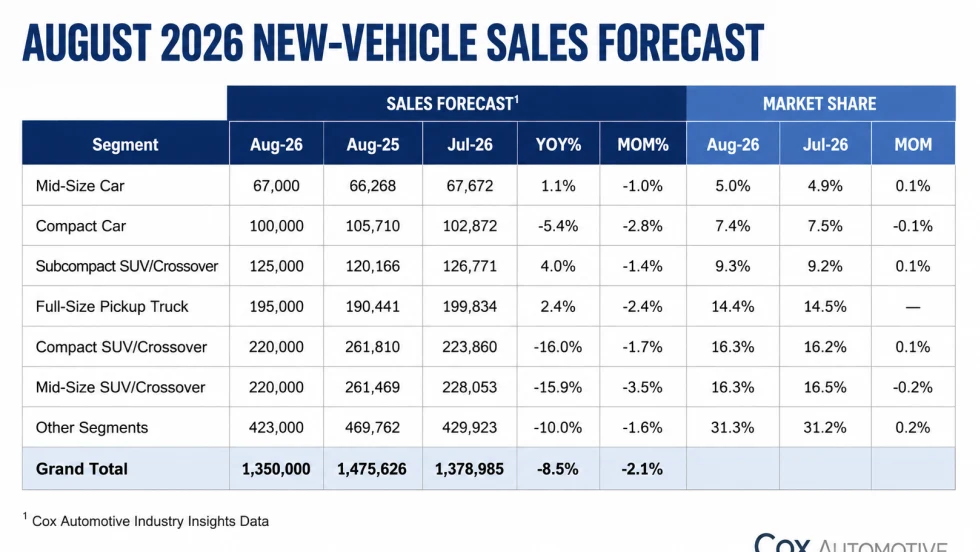
August New-Vehicle Sales Pace Forecast to Hold Above 16 Million
Despite an expected 8.5% year-over-year decline in August volume, Cox Automotive forecasts a 16.3 million SAAR, with full-size pickups outperforming several major crossover segments.
Read More →
Trade Strategy Now Starts Long Before Turn-In
The strongest trade values aren't built at turn-in. Discover how maintenance, lifecycle planning, and shared risk protect truck resale value.
Read More →
What Happens When Residual Values Meet Real-World Markets
A truck's trade value isn't determined on turn-in day. Learn how market cycles, maintenance, and timing shape the gap between residuals and reality.
Read More →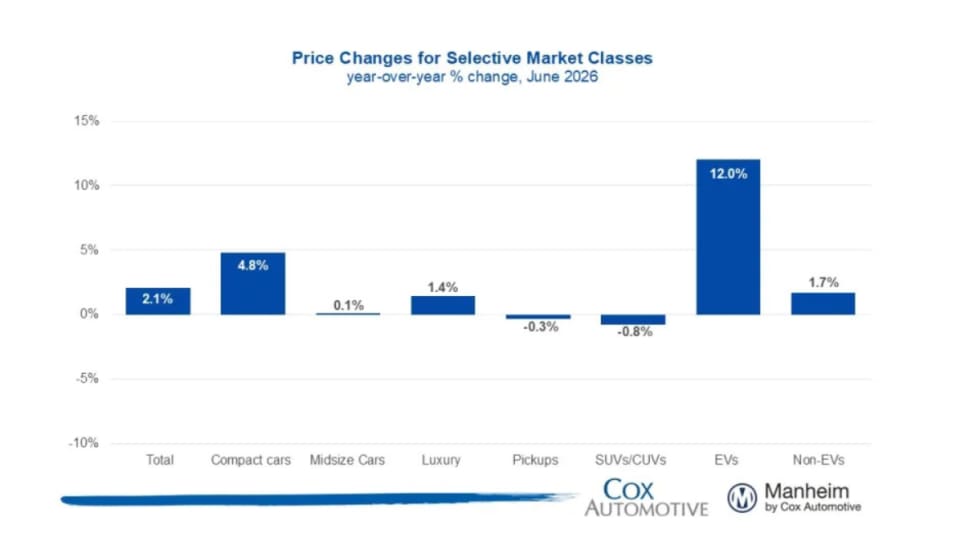
Manheim Index Shows Used-Vehicle Wholesale Prices Up 2.1% in June
The market is seeing stronger appreciation in older used vehicles this year, and the most affordable segments have been among the year’s best performers.
Read More →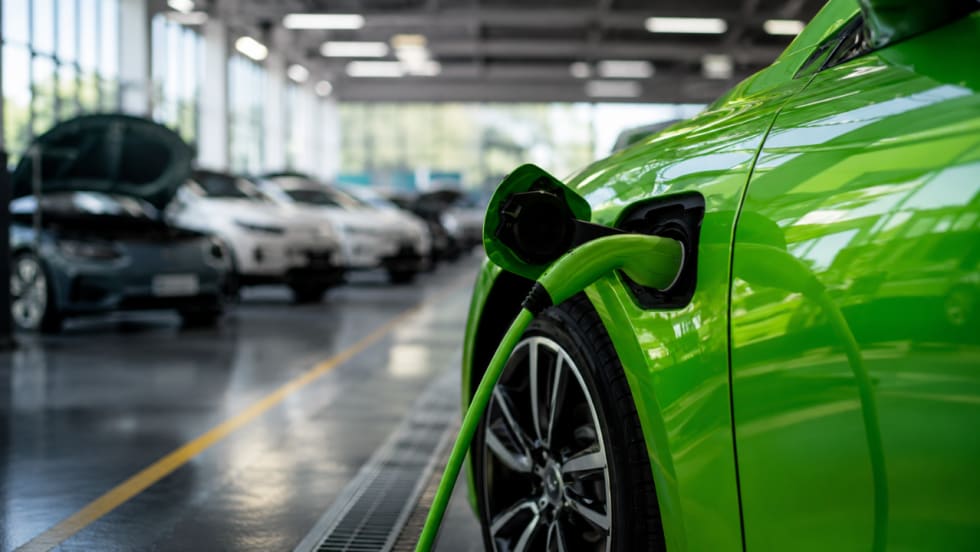
Stop Remarketing Electric Vehicles Like Gas Cars
The advantages and attributes of electric vehicles are upending the traditional remarketing cycle, requiring fleet sellers to rely on new factors and approaches detailed below.
Read More →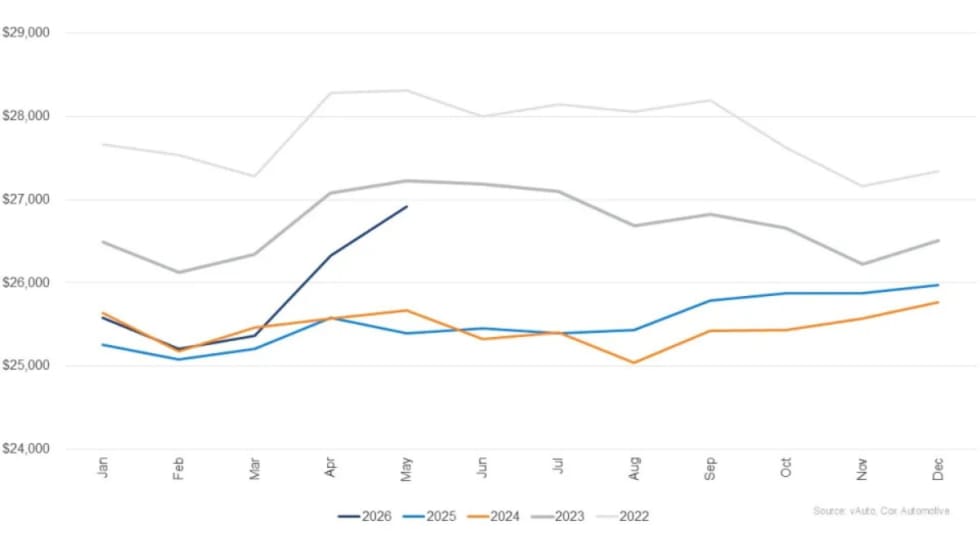
Used Vehicle Prices Climb Higher As Sales Pace Slows
The higher prices at used retail reflect strong wholesale values earlier in the spring, particularly for older, more affordable vehicles.
Read More →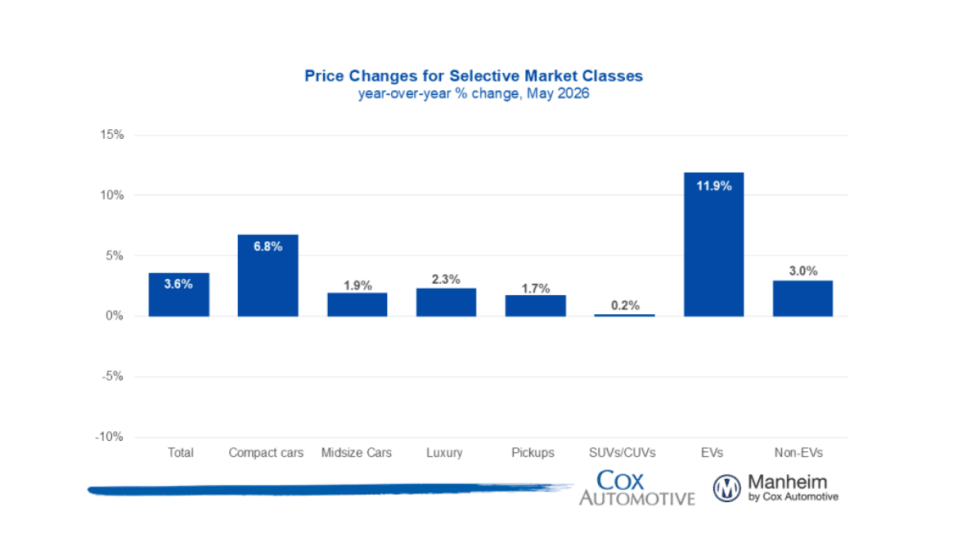
Wholesale Used Vehicle Market Sustains Moderate Rise In Values, Prices
Trends continue to normalize after a strong start to the year, as consumers contend with higher gas prices in the coming summer months.
Read More →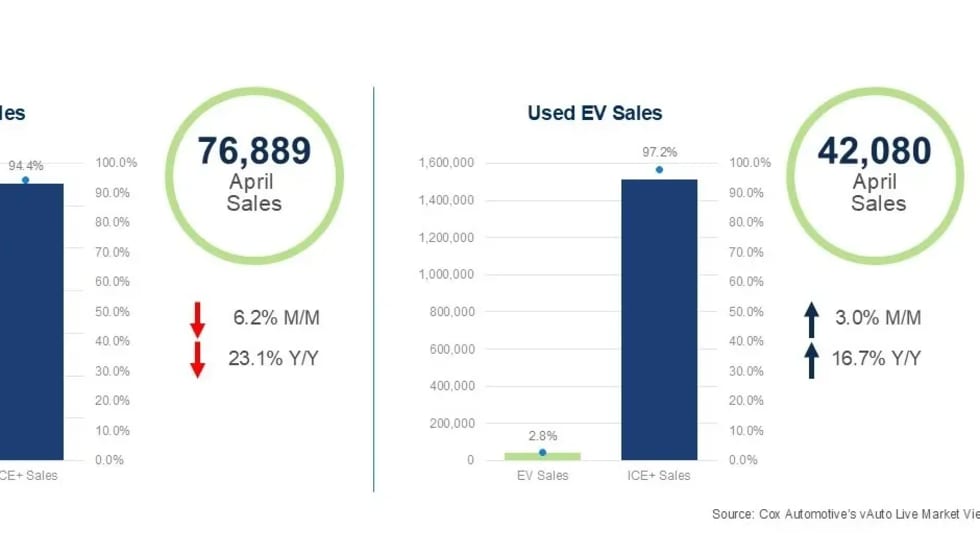
Used EV Sales Grow In April
While EV sales declined, used EV sales grew, as tighter inventory and rising prices reflected a more normalized pace for the EV market.
Read More →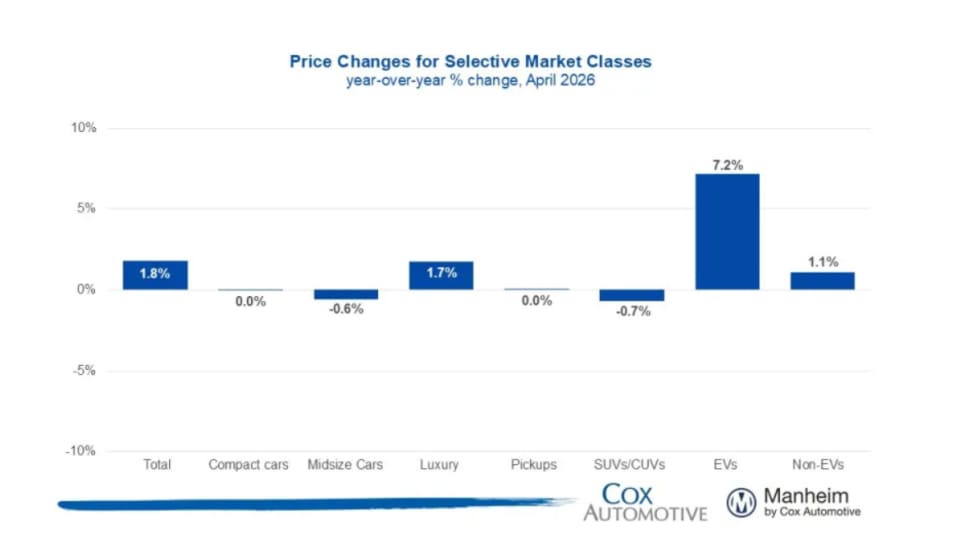
Wholesale Used Vehicle Prices Slightly Up In April
The Iranian conflict and rising gas prices inject much uncertainty into the future wholesale used vehicle markets, as higher gas prices soak up spendable income from vehicle buyers.
Read More →
CAR 2026 Recap Part 2: Closing the Gap Between Data & Remarketing Value
The second half of CAR 2026 examined how fleets can translate lifecycle strategy, vehicle data, and market shifts into higher real-world results.
Read More →