




More News: Used Vehicle Sales, Inventory Climb
Wholesale Used Vehicle Prices Ease Down
Wholesale values remain elevated against normal depreciation trends, even with declines in September, and right as tax incentives on EVs end.
October 7, 2025
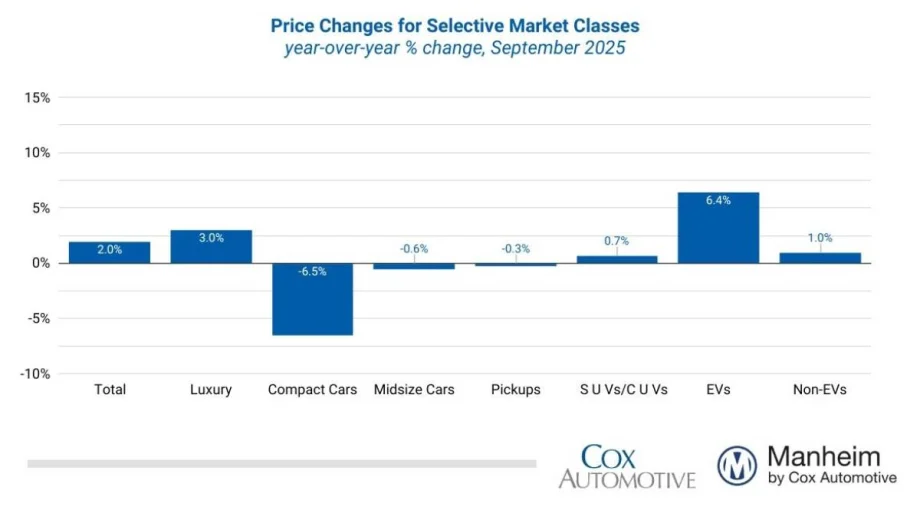
Major market segments remain mixed for seasonally adjusted prices year-over-year in September.
Graphic: Cox Automotive
6 min to read
Wholesale used-vehicle prices (on a mix, mileage, and seasonally adjusted basis) were down slightly in September compared to August, according to the latest Manheim Used Vehicle Value Index (MUVVI) numbers released Oct. 7.
The index declined to 207, 0.2% lower than August levels but showing a 2% increase from a year ago. The seasonal adjustment caused the index to decrease for the month, as non-seasonally adjusted values moved slightly higher in September. The non-adjusted price in September increased just 0.1% compared to August, moving the unadjusted average price higher by 2.1% year over year. The long-term trend, on average, for non-seasonally adjusted values is a decline of 0.3% per month, demonstrating that the unadjusted depreciation trends in September were less pronounced than normally seen.
“As we close the books on Q3, we’ve continued to see wholesale values remain elevated against normal depreciation trends, even with declines in September and right as tax incentives on EVs come to an end,” said Jeremy Robb, deputy chief economist for Cox Automotive, in a news release. “Both new and used retail sales were fairly elevated over most of Q3, but we started to see some declines in the last few weeks of September. Simultaneously, we observed that weekly wholesale valuations declined a bit more than earlier in the month, as the relationship between supply on dealer lots and wholesale values remains strongly intertwined.”
In September, Manheim Market Report (MMR) values declined in September, with smaller declines early in the month and a larger drop in the final week. Over the last four weeks, the Three-Year-Old Index decreased by an aggregate of 1.6%, which is slightly more than the usual decline. Those same weeks delivered an average decrease of 1.5% between 2014 and 2019, indicating depreciation trends were just one-tenth of a point higher than the historical average for the month. Depreciation trends for 3-year-old MMR values were higher than last year as well, with a decline of 1.1% observed in September 2024, following a stronger Q3 and off-lease maturities that fell sharply.
Throughout the month, the daily MMR Retention, which represents the average difference in price relative to the current MMR, averaged 99%. This indicates that market prices moved further below MMR values and were 0.8% lower than August levels. Compared to last year, valuation models were down 0.3% for MMR retention and were lower than in other years for the month, except in 2022.
The average daily sales conversion rate also declined to 58.3%, a 2.7 percentage point decrease from last month, but is generally higher than typically seen at this time of year. For comparison, the daily sales conversion rate averaged 57% in September over the last two years, indicating stronger-than-average sales conversion for this time of year and suggesting a more favorable market for sellers.
Luxury Vehicle, EV Sales Strongest
Major market segments remain mixed for seasonally adjusted prices year-over-year in September. Compared to the same month last year, the luxury segment continues to be up the most, as it is influenced by trends in the electric vehicle (EV) segment, and it was higher by 2.3%, with SUVs increasing by 0.7% over the last year, though below the industry average seasonally adjusted price change of 2%. Also falling below the industry average, trucks were down by just 0.3%, while mid-size sedans declined 0.6%, and compact cars fell the most, down 6.5% compared to last year.
Major market segments were also mixed compared to the previous month, with mid-sized sedans showing the only gain month over month, higher by 0.2%. The luxury segment was down by 0.3%, pickups fell by 0.5%, and SUVs declined by 0.9%. The compact car segment declined the most, down 2% compared to August.
Examining the market by powertrain, electric vehicle values continue to show larger gains against last year's levels than the market overall, as EV sales remained elevated over the quarter, driven by the impending expiration of tax credits, which has led to higher levels of consumer demand.
Robb noted, “Consumers kept the pace of new and used EV purchases high over the quarter, prior to the expiration of the tax incentive. This heightened demand pushed EV wholesale values higher again this month, making EVs the strongest-performing segment in year-over-year value appreciation.”
EV values have shown higher year-over-year appreciation trends for six consecutive months and were 6.4% higher than the same month in 2024, while non-EVs rose by 1%. For September results against the prior month, EV values rose by 0.8% month over month, while non-EVs declined by 1%.
Retail Used-Vehicle Sales Were Down in September
Assessing retail vehicle sales based on observed changes in units tracked by vAuto, initial estimates of retail used-vehicle sales in September were down 3.9% compared to August and down by 2% year over year. The average retail listing price for a used vehicle increased 1.5% over the last four weeks.
Using estimates of retail used days’ supply based on vAuto data, an initial assessment indicates that September ended at a 46-day supply, up two days from 44 days at the end of August and up one day from September 2024, at 43 days.
New-vehicle sales in September increased 6.7% from the same period last year, but volume decreased from August, dropping 14.2%. However, this decline was offset by a continued strong pace of new-vehicle sales. The September sales pace, or seasonally adjusted annual rate (SAAR), came in at 16.4 million, up 600,000 from last year’s pace and even with the very strong 16.4 million level in August.
Combined sales into large rental, commercial, and government fleets rose again, up nearly 12% year over year in September, led by gains in the rental and government sectors. Including an estimate for fleet deliveries into dealer and manufacturer channels, the remaining retail sales were estimated to be up 6.8% from last year, leading to an estimated retail SAAR of 13.4 million, up slightly from 13.4 million last September but down from August’s estimated 13.7 million level. Fleet share in September was estimated to be 15.5%, unchanged from last year.
Rental Risk Price and Mileage Results Are Mixed Against Last September
The average price for rental risk units sold at auction in September increased by 2% year-over-year. However, rental risk prices were down by 2.7% compared to August. Average mileage for rental risk units in September (at 47,100 miles) declined by 10.5% for the month against last year’s level and was also lower against the August comparison, falling by 4.5% over the month.
All Measures of Consumer Confidence Declined in September
The Conference Board Consumer Confidence Index decreased 3.7% in September and was worse than expected. Consumers’ views of both the present and the future declined, but the present situation declined the most. Consumer confidence was down 5% year over year. Plans to purchase a vehicle within the next six months decreased and were lower year-over-year.
The University of Michigan's sentiment index decreased 5.3% in September to 55.1, which was slightly lower than expected and marked a decrease from the earlier reading at the beginning of the month. The index was down 21.4% year-over-year. The underlying views of both current conditions and future expectations declined, with future expectations falling the most. Expectations for inflation over the next year decreased to 4.7% from 4.8%, but expectations for inflation over the next five years increased to 3.7% from 3.5%. Consumers’ views of buying conditions for vehicles declined slightly to the lowest level in four months as views of prices deteriorated.
The daily index of consumer sentiment from Morning Consult decreased 3.3% in September, resulting in a modest year-over-year increase of 0.4%.
According to AAA, the national average price for unleaded gas decreased 3 cents in September from the end of August to $3.16 per gallon, which was down 1% year over year but up 3.2% year to date.
Originally posted on Automotive Fleet
More Used Vehicle Values
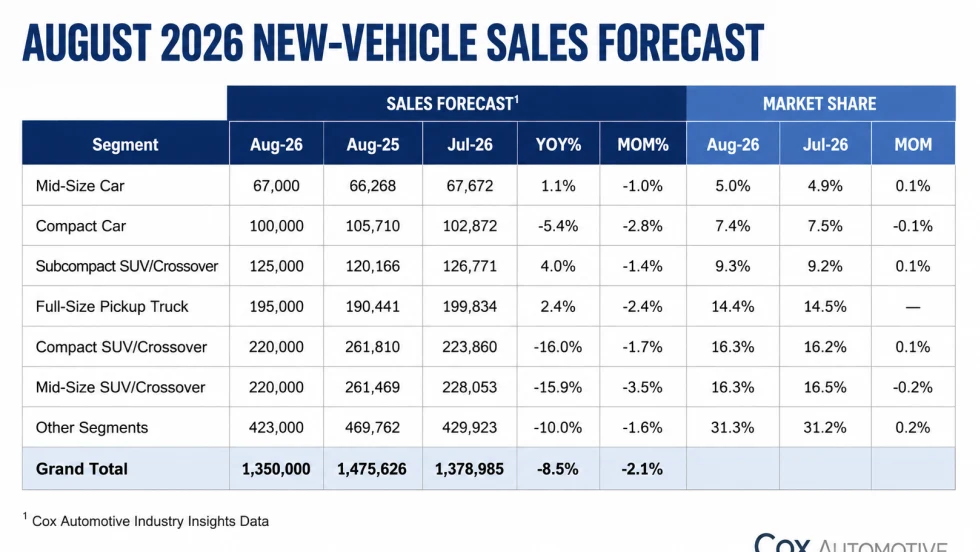
August New-Vehicle Sales Pace Forecast to Hold Above 16 Million
Despite an expected 8.5% year-over-year decline in August volume, Cox Automotive forecasts a 16.3 million SAAR, with full-size pickups outperforming several major crossover segments.
Read More →
Trade Strategy Now Starts Long Before Turn-In
The strongest trade values aren't built at turn-in. Discover how maintenance, lifecycle planning, and shared risk protect truck resale value.
Read More →
What Happens When Residual Values Meet Real-World Markets
A truck's trade value isn't determined on turn-in day. Learn how market cycles, maintenance, and timing shape the gap between residuals and reality.
Read More →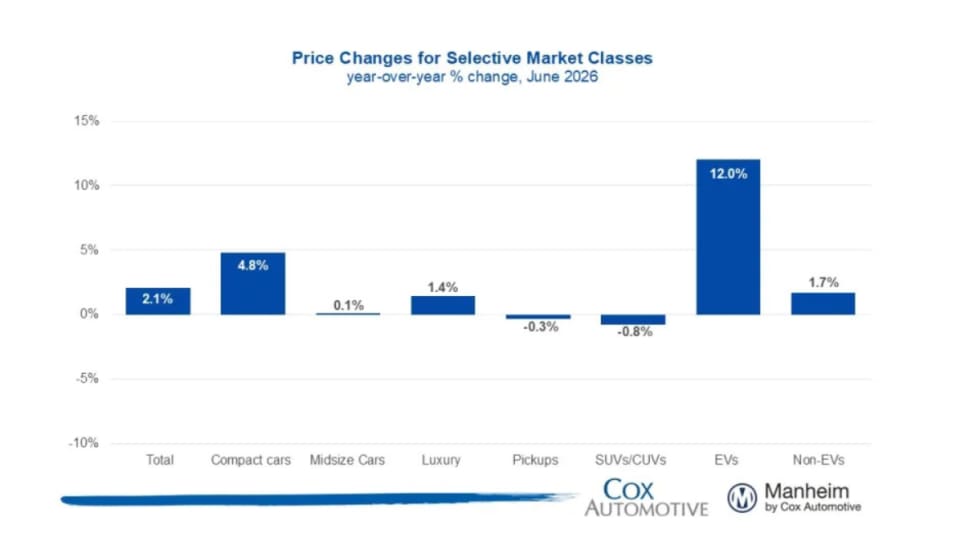
Manheim Index Shows Used-Vehicle Wholesale Prices Up 2.1% in June
The market is seeing stronger appreciation in older used vehicles this year, and the most affordable segments have been among the year’s best performers.
Read More →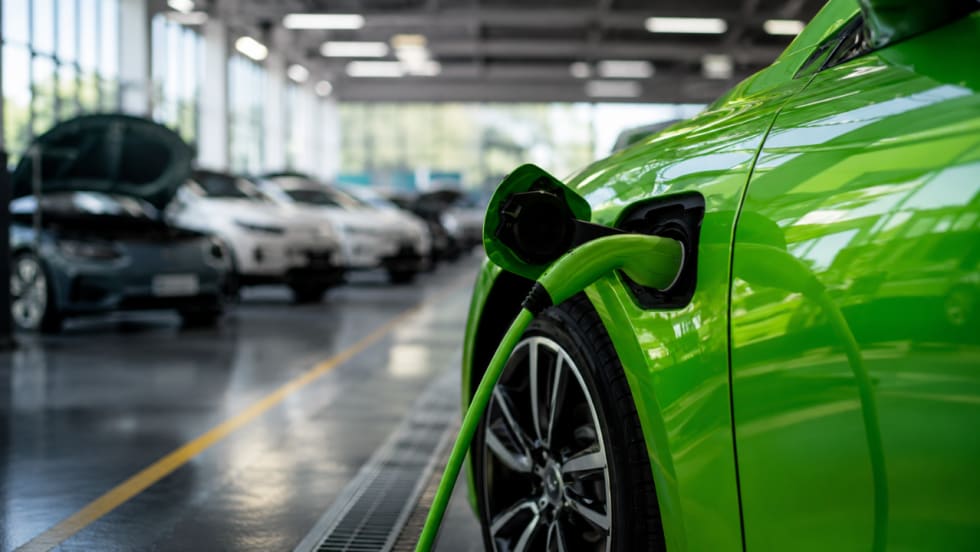
Stop Remarketing Electric Vehicles Like Gas Cars
The advantages and attributes of electric vehicles are upending the traditional remarketing cycle, requiring fleet sellers to rely on new factors and approaches detailed below.
Read More →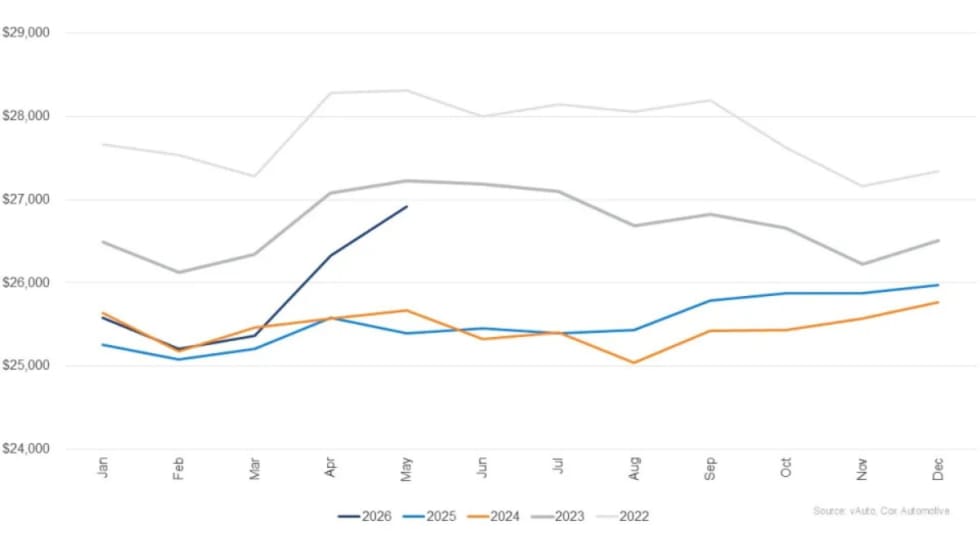
Used Vehicle Prices Climb Higher As Sales Pace Slows
The higher prices at used retail reflect strong wholesale values earlier in the spring, particularly for older, more affordable vehicles.
Read More →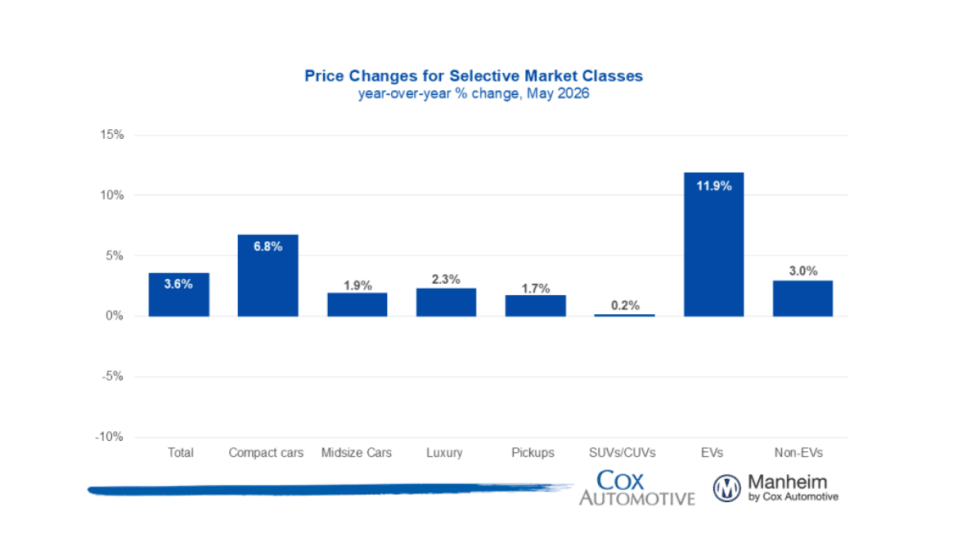
Wholesale Used Vehicle Market Sustains Moderate Rise In Values, Prices
Trends continue to normalize after a strong start to the year, as consumers contend with higher gas prices in the coming summer months.
Read More →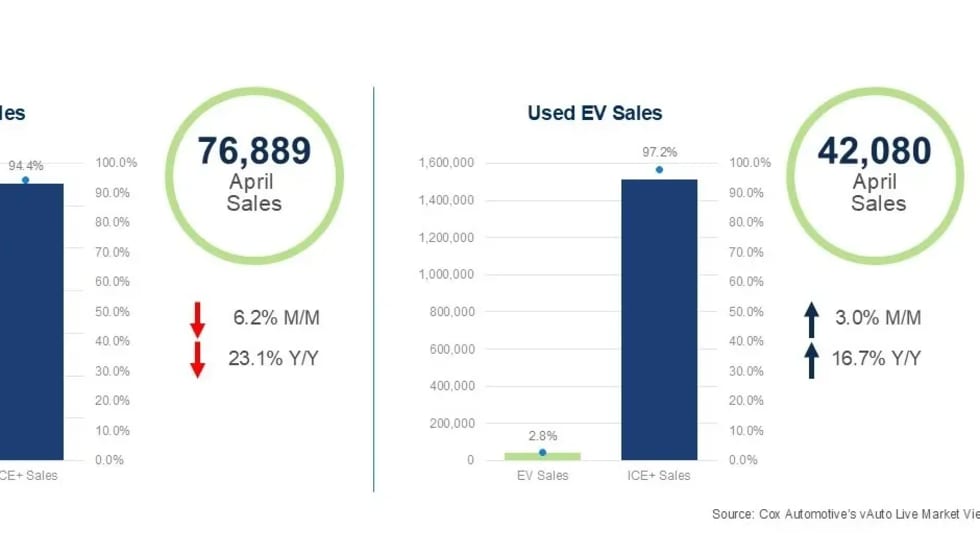
Used EV Sales Grow In April
While EV sales declined, used EV sales grew, as tighter inventory and rising prices reflected a more normalized pace for the EV market.
Read More →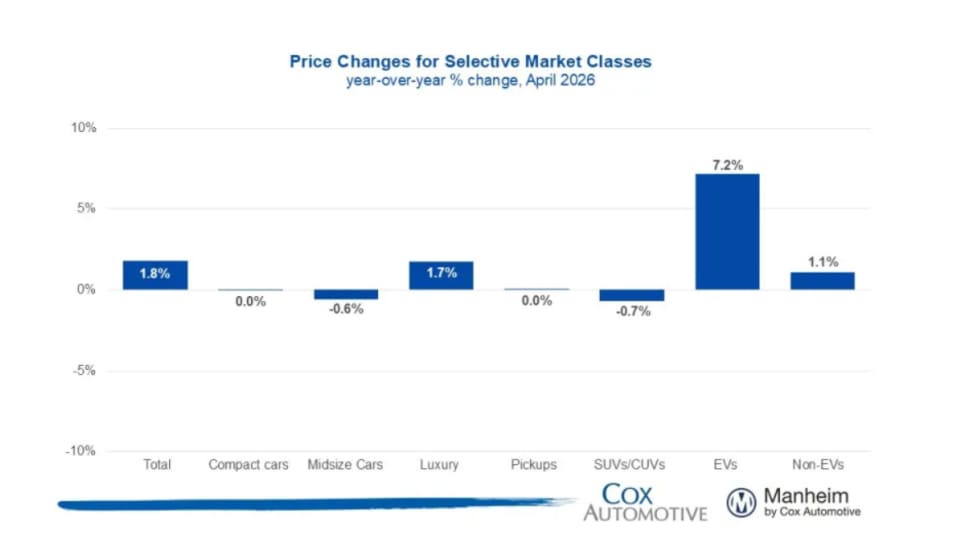
Wholesale Used Vehicle Prices Slightly Up In April
The Iranian conflict and rising gas prices inject much uncertainty into the future wholesale used vehicle markets, as higher gas prices soak up spendable income from vehicle buyers.
Read More →
CAR 2026 Recap Part 2: Closing the Gap Between Data & Remarketing Value
The second half of CAR 2026 examined how fleets can translate lifecycle strategy, vehicle data, and market shifts into higher real-world results.
Read More →