



Wholesale Economic Conditions Healthier Than Financial Sector
CARMEL, IN – Despite lingering issues in financial markets, the latest issue of Pulse, released recently by ADESA Analytical Services, provides evidence in support of improving economic conditions and a stronger wholesale used-vehicle market.
CARMEL, IN – Despite lingering issues in financial markets, the latest issue of Pulse, released recently by ADESA Analytical Services, provides evidence in support of improving economic conditions and a stronger wholesale used-vehicle market.
The report, which provides a periodic review of economic indicators in the vehicle remarketing industry, predicts that wholesale used-vehicle prices will begin to stabilize and even begin rising on a year-over-year basis by early 2009.
“When discussing the $700 billion plan to save the country’s financial institutions, it’s important to realize that the ‘real’ economy isn’t as depressed as this plan’s sense of urgency communicates,” said Tom Kontos, ADESA executive vice president of customer strategies and analytics. “For example, things are not as bleak in the wholesale used-vehicle market as they are in financial markets, though there is clearly some spillover from tight credit.”
In Pulse, Kontos cautions, “While a recession seems to have been avoided, we are not out of the woods yet. Factors supporting the economy should continue to improve during the remainder of the year, but it’s a difficult time right now to draw conclusions, especially until after the uncertainty of the election is resolved.”
Some positive findings in Pulse regarding the economy and the wholesale used-vehicle market include:
Business investment and consumer spending have slowed, but remain positive.
Housing starts may be close to hitting bottom, and in the meantime, low starts have helped reduced unsold home inventories.
The average new vehicle remains quite affordable, especially as more consumers are purchasing smaller, less-expensive, fuel-efficient vehicles.
Pent-up demand for fuel-efficient and/or alternate fuel energy source vehicles may help halt the three-year slide in retail used vehicle sales.
Average wholesale used-vehicle prices are down 3.6 percent year-to-date, with only the compact car segment showing a year-on-year increase. Low wholesale prices, especially the historically low prices for full-size SUVs and pickups seen in May and June, represent a good buying opportunity for used-vehicle dealers and their customers.
Although down from its recent peak in 2007, lease penetration continued to represent more than 20 percent of new vehicles sales so far this year. The withdrawal of Chrysler Financial and others from leasing, and the de-emphasis of leasing particularly of SUVs and pickups by other players, could cause further erosion in lease penetration. Nevertheless, enough leased vehicles are in the pipeline to provide ample volumes of attractive off-lease units for the remainder of the decade.
Though both the U.S. and Canadian markets are showing losses in new truck sales, the overall new-vehicle market in Canada continues to be strong.
Also, the percentage of insurance claims declared a total loss remains at high levels. However, reductions in miles driven (down 4.7 percent year-on-year in June), in part due to higher gas prices, may lead to a decline in total loss units.
ADESA Analytical Services publishes the periodic Pulse report. The latest edition of Pulse contains 60 pages of almost 50 graphs on everything from GDP to SUVs. These publications cover the $82 billion vehicle remarketing industry and the $375 billion used-vehicle market in the U.S. and Canada. Copies of these reports may be obtained by contacting ADESA Analytical Services at (800)923-3725, extension 4367.
More Operations

FLD Promotes Three Executives in Leadership Changes
FLD has promoted three longtime executives, naming Gary Mott CEO, Richard Mallek president, and Ron Sanders managing partner.
Read More →
CAS Automotive Launches Remarketing Service for Damaged, Surplus Equipment
Damaged Equipment expands CAS Automotive’s vehicle remarketing model to commercial equipment, targeting fleet operators, insurers, equipment dealers, and rental companies.
Read More →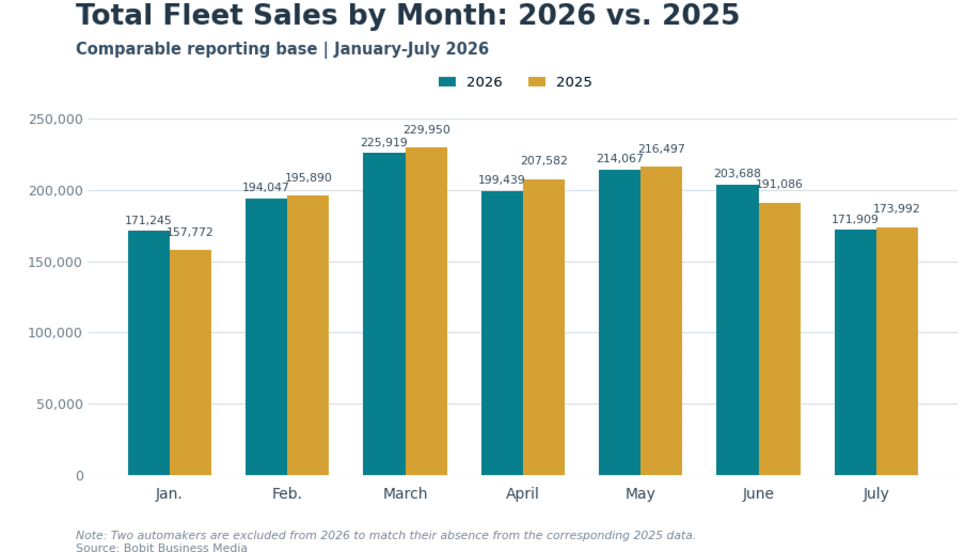
Fleet Sales Hold Steady as Commercial Gains Offset Rental Decline
Commercial and government fleet sales increased through July 2026, offsetting most of the decline in rental volume and leaving combined comparable fleet sales 0.5% above the same period last year.
Read More →
Personnel Update: BrickHouse GPS, PRO-VISION, Auto Driveaway, and Proaction
Check out the latest must-know fleet personnel updates from the last couple of months.
Read More →
What Comes Next for Auto Driveaway?
A new Auto Driveaway feature called Arrive provides recipients with live location updates and ETAs during the final hour of a vehicle move, while fleet customers continue to have end-to-end shipment visibility through the company's customer portal.
Read More →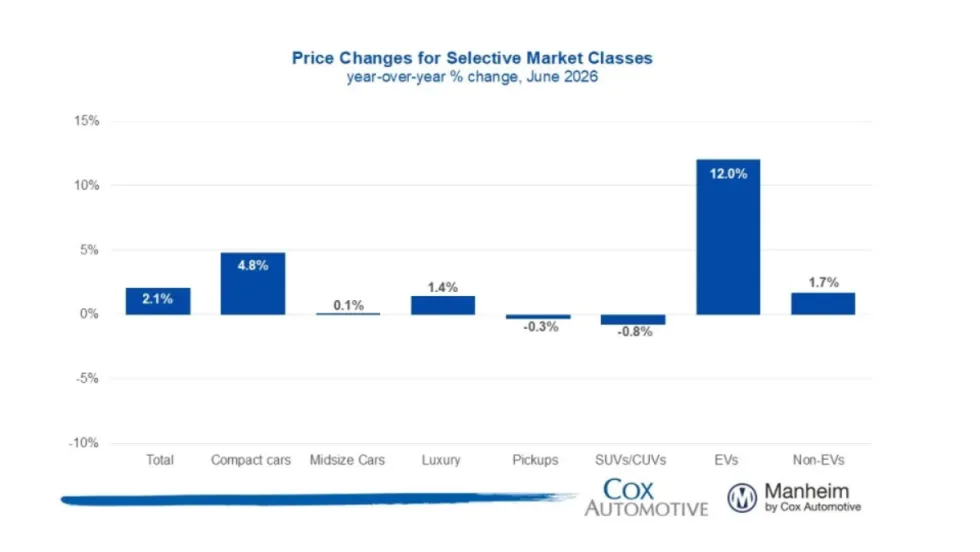
Manheim Index Shows Used-Vehicle Wholesale Prices Up 2.1% in June
The market is seeing stronger appreciation in older used vehicles this year, and the most affordable segments have been among the year’s best performers.
Read More →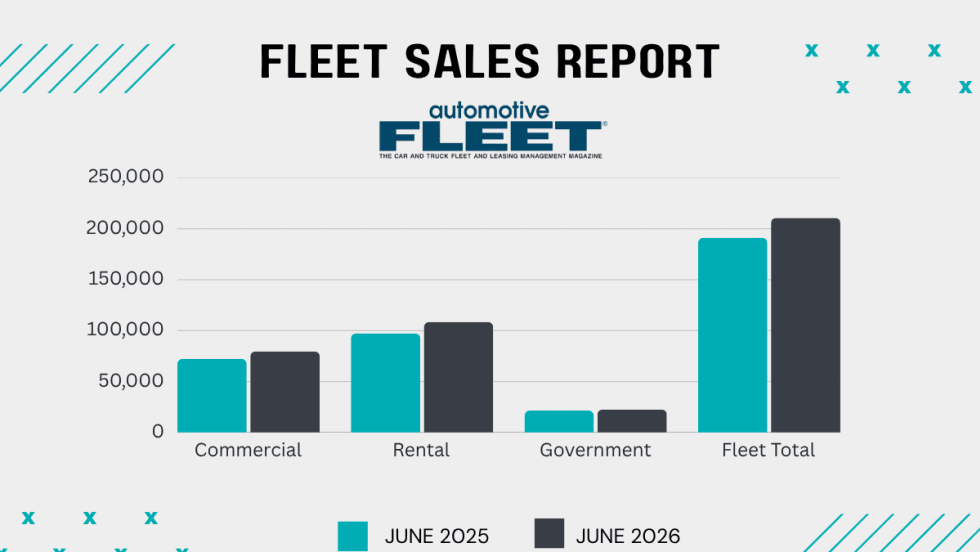
Commercial Fleet Sales Contribute To June, YTD Gains
The fleet sector has boosted its vehicle purchases at a reliable pace in the first half of this year compared with 1H 2025.
Read More →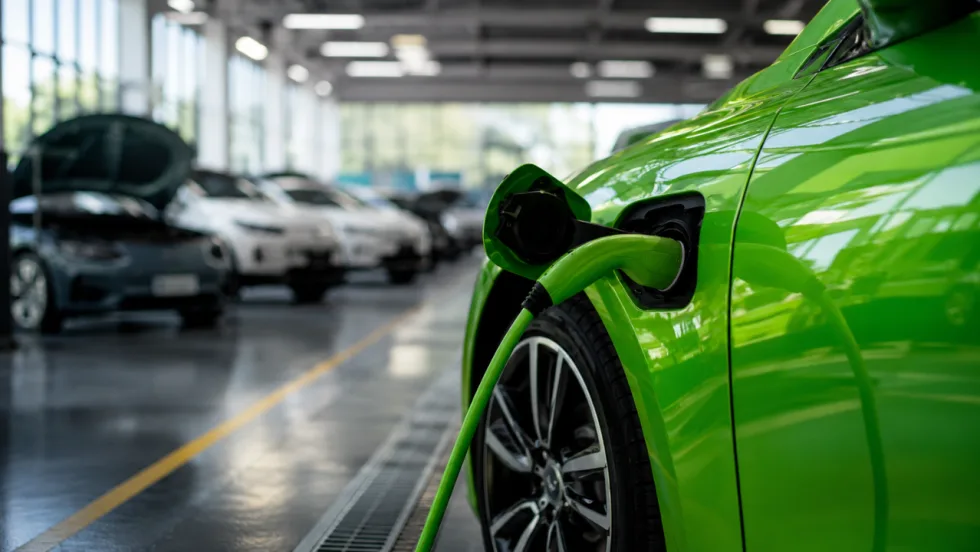
Stop Remarketing Electric Vehicles Like Gas Cars
The advantages and attributes of electric vehicles are upending the traditional remarketing cycle, requiring fleet sellers to rely on new factors and approaches detailed below.
Read More →
AP Fleet Management Expands Remarketing Program for Commercial Work Trucks
AP Fleet Management expanded its commercial vehicle remarketing program with dedicated resale services and an online marketplace for used work trucks.
Read More →
Used EVs Strengthen Overall Electric Vehicle Market
The latest sales data point to several reasons for the divergent trends in new and used EVs that can factor into fleet cycling decisions.
Read More →