



Related news: Ford To Debut Maverick Compact Pickup
What's Ahead For Compact Pickup Truck Market
Analysis: With the Ford Maverick officially rolling out June 8, the wider question is can the rebirth of the compact pickup truck take the industry by storm?
by Cox Automotive
June 3, 2021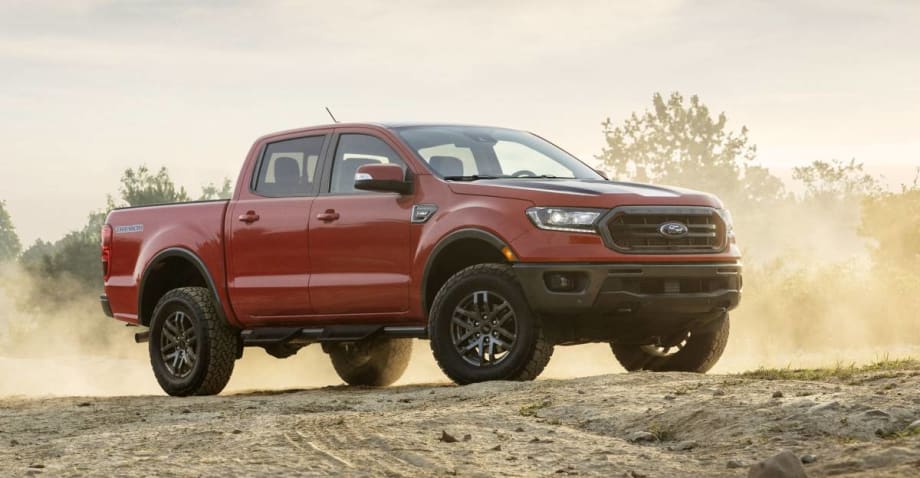
If the compact pickup segment does indeed get traction, it is likely to spur other OEMs to get into the game to compete, such as with this 2021 Ford Ranger.
Photo: Ford
3 min to read
As speculated in the April 14 article on the rebirth of the compact truck segment, Ford confirmed June 3 that it is adding an all-new compact pickup called Maverick to its Built Ford Tough lineup. The company will debut the 2022 Ford Maverick on its new U.S. TikTok channel on Tuesday, June 8.
Prior to the reveal of the Hyundai Santa Cruz and Ford Maverick, Cox Automotive conducted a snapshot study to explore the appeal and awareness of compact pickup trucks. The Maverick garnered the highest appeal rating among the competitive set, followed by the Santa Cruz.
Since its announcement of the 2022 Santa Cruz in April, Hyundai has shared some additional details on its first pickup truck, which is also in the compact category. Though pricing has not been announced, the Santa Cruz will have four trim levels, six exterior colors, and a choice of two engines.
With the Hyundai Santa Cruz compact pickup and a small Ford Maverick confirmed, the obvious question is: Can the rebirth of the compact pickup truck take the industry by storm? The segment’s comeback is far from assured.
Recently, Cox Automotive conducted a snapshot study to explore the appeal and awareness of compact pickup trucks. The study surveyed 270 consumers in mid to late March to gauge perceptions of the compact pickup segment and appeal of specific models, including two scheduled to launch this year in the U.S. – the Ford Maverick and Hyundai Santa Cruz – along with the Ram 700 available now in Latin America and the Volkswagen Tarok concept.
“The key challenge for the industry and dealers will be to heighten awareness of this re-emerging segment,” notes Vanessa Ton, senior industry intelligence manager, at Cox Automotive. Only 31% of consumers are even aware that compact trucks will be launching this year and only about 20% may consider one in the future.
The compact truck segment has its work cut out as it will be competing against top volume segments including SUVs and larger pickups. According to the research, cargo space is the top factor – by a wide margin – for consumers who would consider a compact truck over a more traditional SUV, followed by fuel efficiency and price. Nearly a third of consumers would not consider a compact truck over an SUV for any reason, indicating the compact truck is likely a niche segment with a unique selling proposition.
In terms of competing with larger midsize and full-size pickups, consumers cited fuel efficiency and price as the top factors for choosing a compact truck. One in four respondents said they would not consider a smaller pickup over a larger one for any reason.
Ford’s traditional truck design will likely provide a competitive edge in the market. When respondents were shown only images of the new trucks, with make and model hidden, the Ford Maverick garnered the highest appeal rating among the competitive set, followed by the Hyundai Santa Cruz. The VW Tarok and Ram 700 ranked third and fourth, respectively.
If the compact pickup segment does indeed get traction, it is likely to spur other OEMs to get into the game. When asked, consumers indicated they would like to see the top 3 Japanese brands – Honda, Toyota and Nissan – enter the segment, as well as the other domestic truck leader, Chevy.
The pickup truck market boomed last year with purchase consideration surpassing cars for the first time. Trucks are top of mind with American shoppers, and the Ford Maverick and Hyundai Santa Cruz may find their footing in this market with the right volume projections, pricing and regional allocation. Maverick is rumored to have sales targets of 100,000 in its first full year, while Santa Cruz plans to start slow with less than 15,000 scheduled for production in 2021.
The industry will be watching. Who knows? If everything aligns, maybe a star will be (re)born.
More Fleet

Acertus Acquires Fisher Shipping, CEO to Join Acertus
Fisher Shipping will retain its brand and team, while its customers gain access to Acertus’ transportation, storage, vehicle care, and title and registration services.
Read More →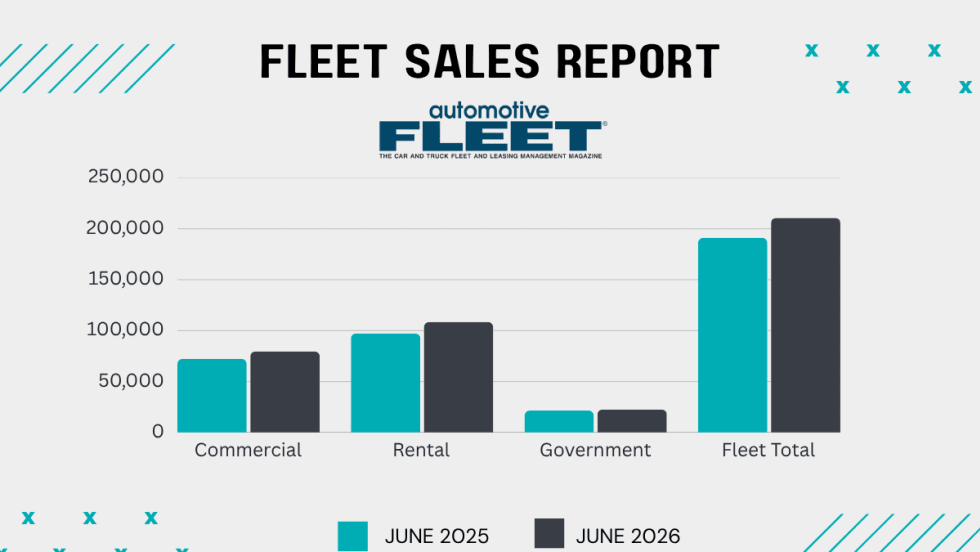
Commercial Fleet Sales Contribute To June, YTD Gains
The fleet sector has boosted its vehicle purchases at a reliable pace in the first half of this year compared with 1H 2025.
Read More →
Registration Opens for 2026 Fleet Forward Conference
Held on the East Coast for the first time, the Washington, D.C.-area event features expert-led education, a new IIHS Crash Test Experience, and collocation with the NAFA’s Fleet Safety Symposium.
Read More →
AP Fleet Management Expands Remarketing Program for Commercial Work Trucks
AP Fleet Management expanded its commercial vehicle remarketing program with dedicated resale services and an online marketplace for used work trucks.
Read More →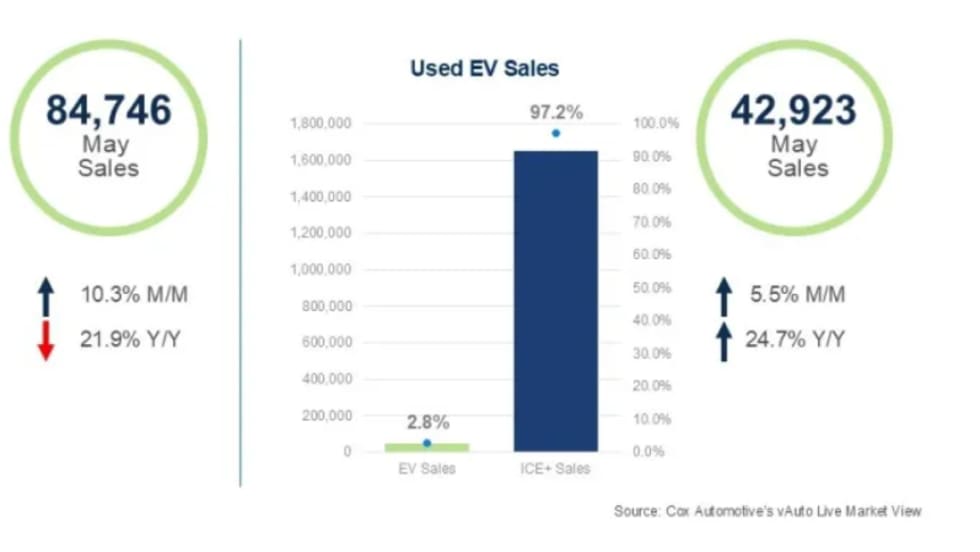
Used EVs Strengthen Overall Electric Vehicle Market
The latest sales data point to several reasons for the divergent trends in new and used EVs that can factor into fleet cycling decisions.
Read More →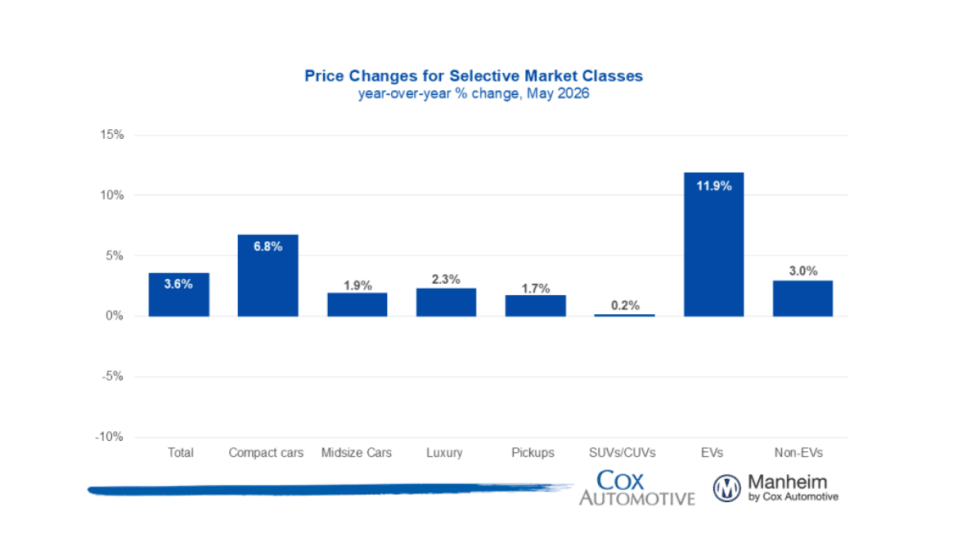
Wholesale Used Vehicle Market Sustains Moderate Rise In Values, Prices
Trends continue to normalize after a strong start to the year, as consumers contend with higher gas prices in the coming summer months.
Read More →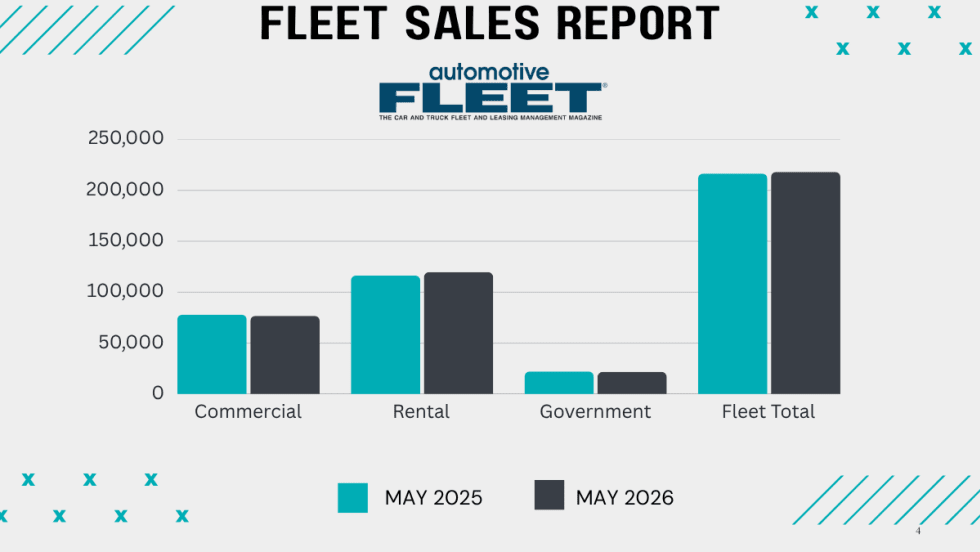
Commercial Fleet Sales Still Lead Sectors Despite May Mini Dip
The U.S. economy's continued growth and positive business investment are creating a favorable environment for fleet vehicle demand.
Read More →
The Data-Driven Haul: 5 Ways AI is Leveling the Playing Field in Auto Transport
Large and small transport fleets are becoming more competitive as predictive analytics and real-time data inform the logistics decision chain.
Read More →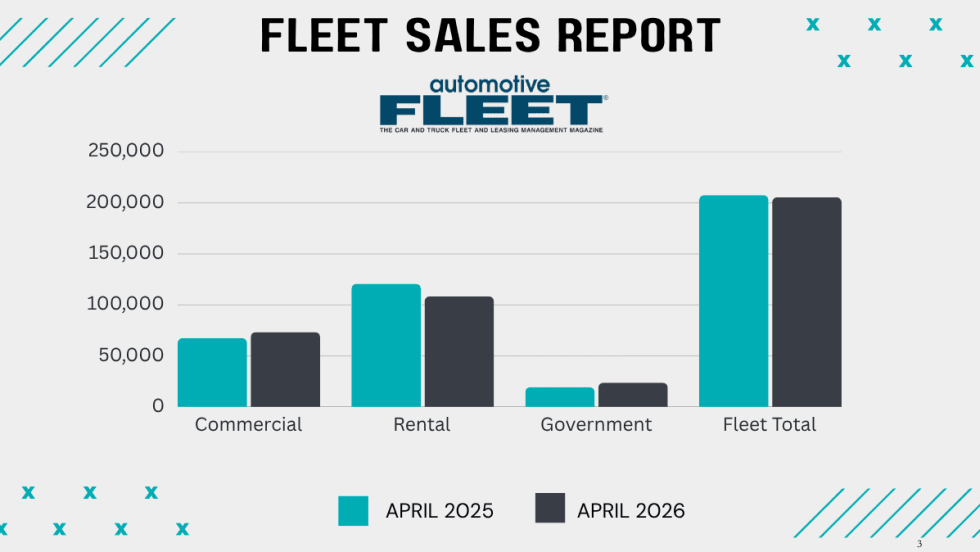
Commercial Fleet Sales Show Healthy Gains
So far, the fleet sector is outshining government and rental fleet sales this year as economic growth spurs more business investment.
Read More →
CAR 2026 Recap Part 2: Closing the Gap Between Data & Remarketing Value
The second half of CAR 2026 examined how fleets can translate lifecycle strategy, vehicle data, and market shifts into higher real-world results.
Read More →