



Used-Vehicle Sales for First-Half of 2013 Reflect Economic Recovery
Manheim reported that the used-vehicle market in the U.S. remained strong in the second quarter of 2013.
Manheim reported that the used-vehicle market in the U.S. remained strong in the second quarter of 2013. Although wholesale prices fell 3 percent year-over-year, the movement was consistent with prior expectations and it brought wholesale values in better alignment with retail new- and used-vehicle prices. The company reported its findings during its quarterly Used Vehicle Value Index presentation call held July 8.
“Wholesale vehicle prices are returning to a more normal level after having been elevated the past several years due to low supply and high demand,” said Tom Webb, chief economist. “Moderating pricing is being driven, in part, by strong sales of new retail vehicles. As sales of new vehicles increase, more used vehicles are coming into the wholesale market through trade-ins and lease returns. Wholesale vehicle pricing should continue to moderate in the second half of 2013, though the overall strength of the market should be unaffected.”
Strength in the retail market is evidenced by the same-store used vehicle unit volumes for the seven publicly-traded vehicle dealership groups, which have seen year-over-year growth for the past 16 consecutive quarters.
Employment growth is a major factor driving sales, as consumers have greater need for personal transportation and have the means to pay for it. Some other emerging trends in the used car market based on the first-half results for 2013 include:
Pickup trucks continued to outperform all other used vehicle segments during the first half of 2013. Wholesale prices increased 3.6 percent year-over-year due to increased demand from the improvement in the housing industry, combined with limited supplies in the wholesale market, especially for units with less than 100,000 miles.
Midsize and compact cars experienced the largest drop in prices year-over-year at 4.0 percent and 5.4 percent respectively, due to the attractive offerings, pricing and financing options available on midsize and compact cars in the new vehicle market. This hurt the overall resale performance of some commercial fleet managers whose primary price range is $11,000 - $13,000, but many makes and models popular with commercial fleets continued to perform very well in the auction market.
Rental risk prices were strong in June. Prices for rental risk units sold at auction, unadjusted for market class and mileage, increased 4.8 percent in June compared to a year ago, though volumes were down for the month. Rental risk prices in June were basically unchanged from both May and a year ago, after adjusting for broad shifts in market classes and mileage.
“Buy Here Pay Here” is showing growth in lower-priced cars. Lower-priced cars also are in demand, boosted by increased employment as more people are earning the income necessary for a vehicle purchase. Dealers are creating additional demand by offering more flexible financing to consumers at the low end of the market due to enhanced credit availability from lenders.
“The subprime and leasing markets performed very well in the first half of 2013,” Webb said. “The strong performance of ‘Buy Here Pay Here’ dealers has attracted competition to the market, among both other used vehicle dealers as well as from established lenders that until recently had avoided this higher risk category. Our outlook for this industry segment is positive for the next 12 to 24 months.”
More Operations

FLD Promotes Three Executives in Leadership Changes
FLD has promoted three longtime executives, naming Gary Mott CEO, Richard Mallek president, and Ron Sanders managing partner.
Read More →
CAS Automotive Launches Remarketing Service for Damaged, Surplus Equipment
Damaged Equipment expands CAS Automotive’s vehicle remarketing model to commercial equipment, targeting fleet operators, insurers, equipment dealers, and rental companies.
Read More →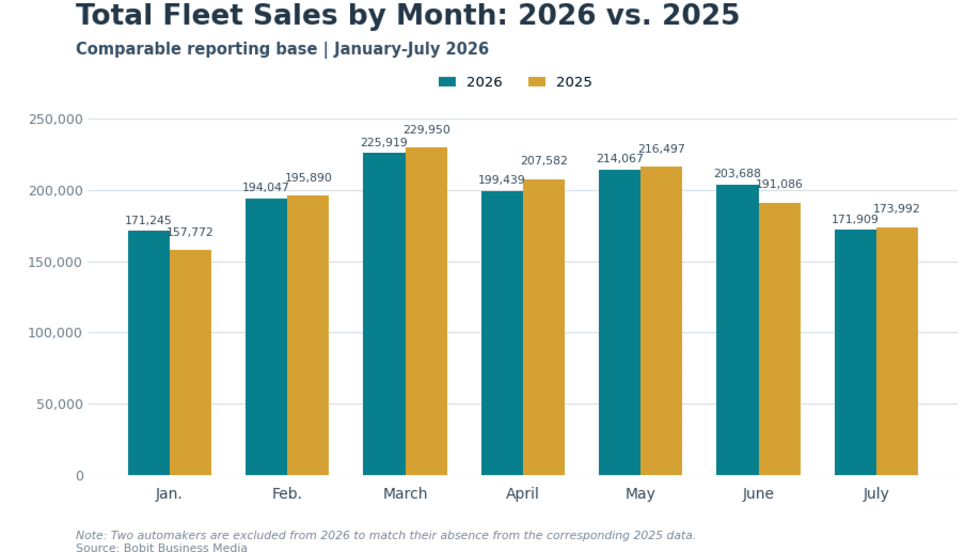
Fleet Sales Hold Steady as Commercial Gains Offset Rental Decline
Commercial and government fleet sales increased through July 2026, offsetting most of the decline in rental volume and leaving combined comparable fleet sales 0.5% above the same period last year.
Read More →
Personnel Update: BrickHouse GPS, PRO-VISION, Auto Driveaway, and Proaction
Check out the latest must-know fleet personnel updates from the last couple of months.
Read More →
What Comes Next for Auto Driveaway?
A new Auto Driveaway feature called Arrive provides recipients with live location updates and ETAs during the final hour of a vehicle move, while fleet customers continue to have end-to-end shipment visibility through the company's customer portal.
Read More →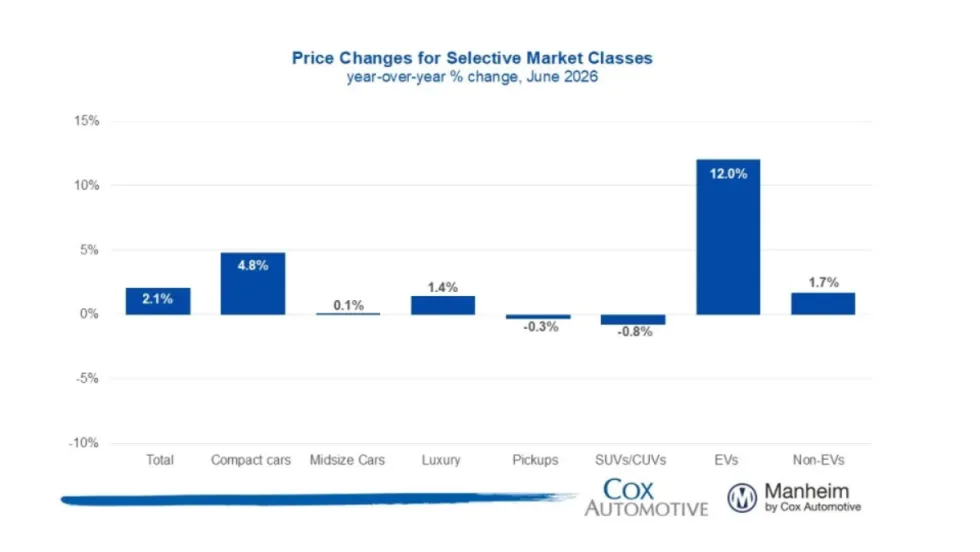
Manheim Index Shows Used-Vehicle Wholesale Prices Up 2.1% in June
The market is seeing stronger appreciation in older used vehicles this year, and the most affordable segments have been among the year’s best performers.
Read More →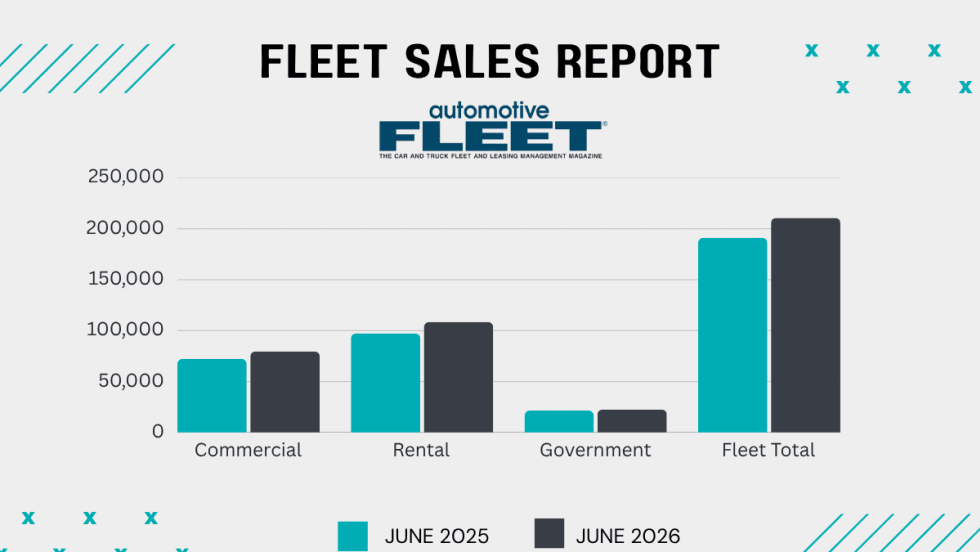
Commercial Fleet Sales Contribute To June, YTD Gains
The fleet sector has boosted its vehicle purchases at a reliable pace in the first half of this year compared with 1H 2025.
Read More →
Stop Remarketing Electric Vehicles Like Gas Cars
The advantages and attributes of electric vehicles are upending the traditional remarketing cycle, requiring fleet sellers to rely on new factors and approaches detailed below.
Read More →
AP Fleet Management Expands Remarketing Program for Commercial Work Trucks
AP Fleet Management expanded its commercial vehicle remarketing program with dedicated resale services and an online marketplace for used work trucks.
Read More →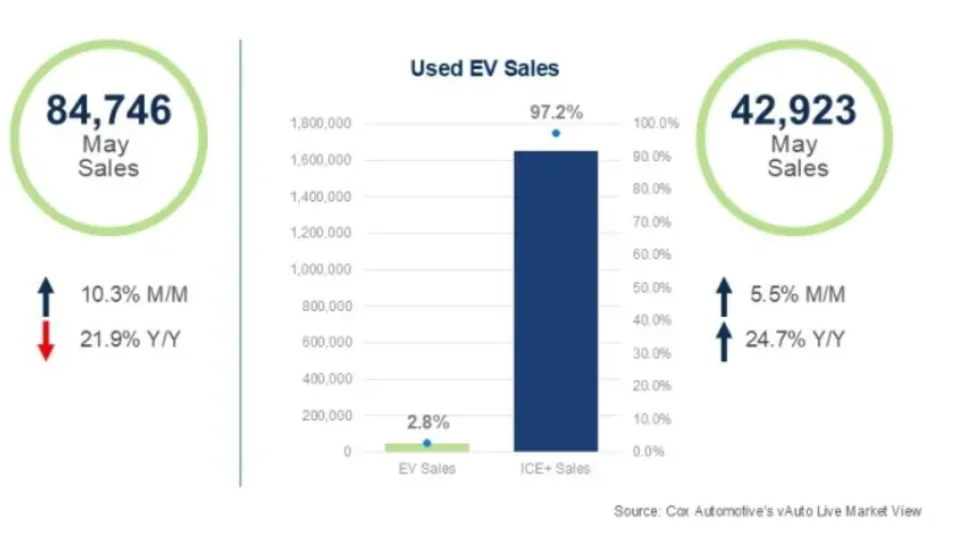
Used EVs Strengthen Overall Electric Vehicle Market
The latest sales data point to several reasons for the divergent trends in new and used EVs that can factor into fleet cycling decisions.
Read More →