



Used-Vehicle Market Pauses in September
CARMEL, IN – The used-vehicle market seemed to take a pause in September from its very robust performance throughout most of 2009.
CARMEL, IN – The used-vehicle market seemed to take a pause in September from its very robust performance throughout most of 2009, according to Tom Kontos, chief economist at ADESA, in the September Kontos Kommentary. Auction prices and conversion rates fell as dealers grew more conservative in their inventory management strategies in light of tight working capital availability. Franchised dealers in particular waited to be repaid by Uncle Sam for the money they had fronted Cash-for-Clunkers customers. At the same time, consumers slowed down their used vehicle purchases considerably, perhaps reflecting a “hangover” from the euphoria of Cash-for-Clunkers.
“We continue to expect used-vehicle demand to strengthen as consumers resume their vehicle shopping with a strengthening economy,” said Kontos. “At the same time, used-vehicle supplies will be tight until trade-in volume picks up with stronger new vehicle sales. Thus, wholesale used-vehicle prices will continue to recover on a year-over-year basis, even as they moderate towards their typical year-end pattern.”
According to ADESA Analytical Services’ monthly analysis of Wholesale Used Vehicle Prices by Vehicle Model Class, wholesale used-vehicle prices in September averaged $9,742 — a 2.1-percent decrease from August but a 2.1-percent increase from September 2008. Generally, prices for the truck segments were harder hit than for the car segments, as corrections following last year’s gasoline price volatility have largely played out, according to ADESA.
All major seller types showed year-over-year price gains, with average prices for vehicles sold in manufacturer sales up 16.8-percent year-over-year, fleet/lease sales prices up 5.4 percent, and dealer consignment sales prices up 3.9 percent. “Late-model, off-rental units remain in short supply and are fetching top dollar, a fact that should not be lost on rental companies seeking to replace units whose service lives have been extended beyond traditional limits,” reported Kontos.
ADESA Analytical Services estimates auction industry inventory levels stood at a relatively low 33 days at the end of September, the same as August but below the 44 days registered September 2008. Conversion rates (units sold as a percentage of units offered) have receded towards the 60-percent norm, as dealers grew more conservative in their inventory-stocking/working-capital-management strategies.
Based on data from CNW Marketing/Research, retail used-vehicle sales in September were down on a year-over-year basis by 20.5 percent for franchised dealers, 6.9 percent for independent dealers, and 14.0 percent overall.
More Operations

CAS Automotive Launches Remarketing Service for Damaged, Surplus Equipment
Damaged Equipment expands CAS Automotive’s vehicle remarketing model to commercial equipment, targeting fleet operators, insurers, equipment dealers, and rental companies.
Read More →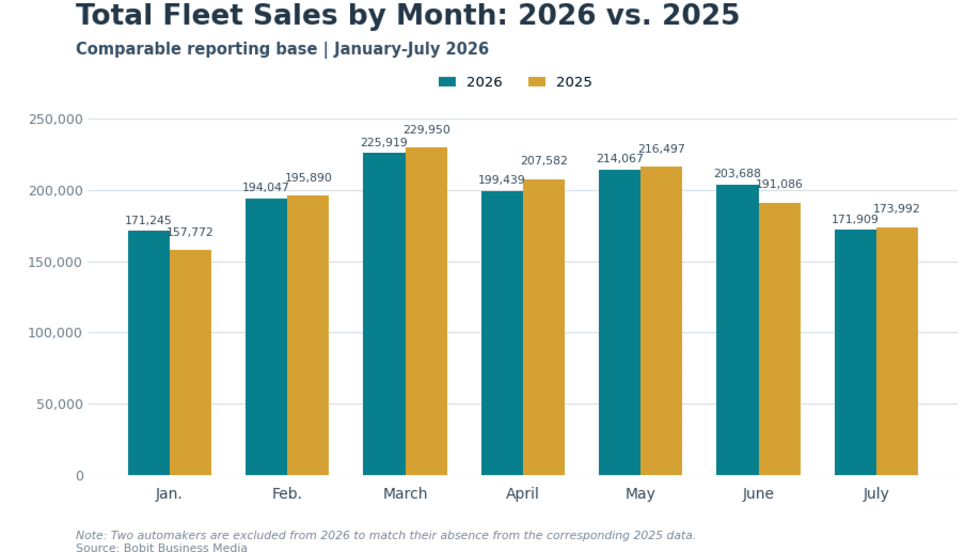
Fleet Sales Hold Steady as Commercial Gains Offset Rental Decline
Commercial and government fleet sales increased through July 2026, offsetting most of the decline in rental volume and leaving combined comparable fleet sales 0.5% above the same period last year.
Read More →
Personnel Update: BrickHouse GPS, PRO-VISION, Auto Driveaway, and Proaction
Check out the latest must-know fleet personnel updates from the last couple of months.
Read More →
What Comes Next for Auto Driveaway?
A new Auto Driveaway feature called Arrive provides recipients with live location updates and ETAs during the final hour of a vehicle move, while fleet customers continue to have end-to-end shipment visibility through the company's customer portal.
Read More →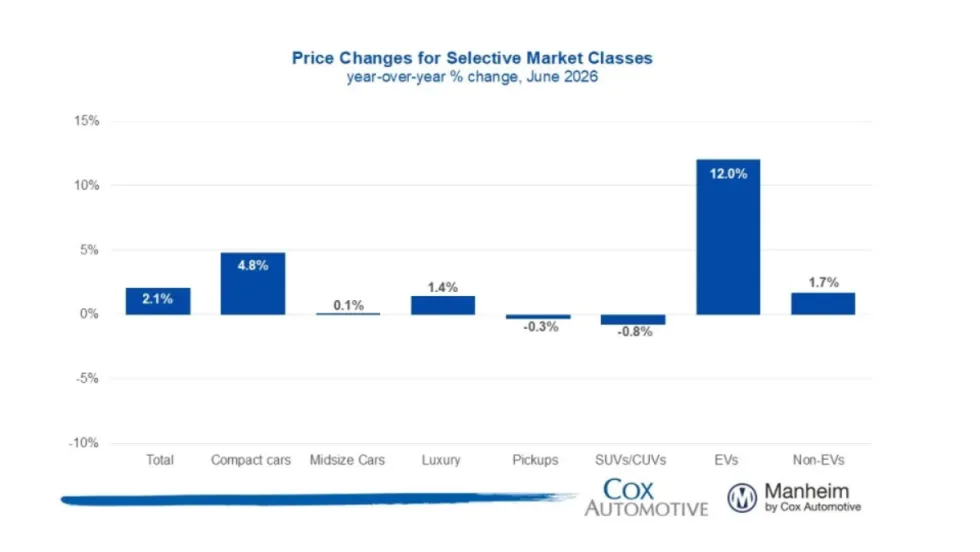
Manheim Index Shows Used-Vehicle Wholesale Prices Up 2.1% in June
The market is seeing stronger appreciation in older used vehicles this year, and the most affordable segments have been among the year’s best performers.
Read More →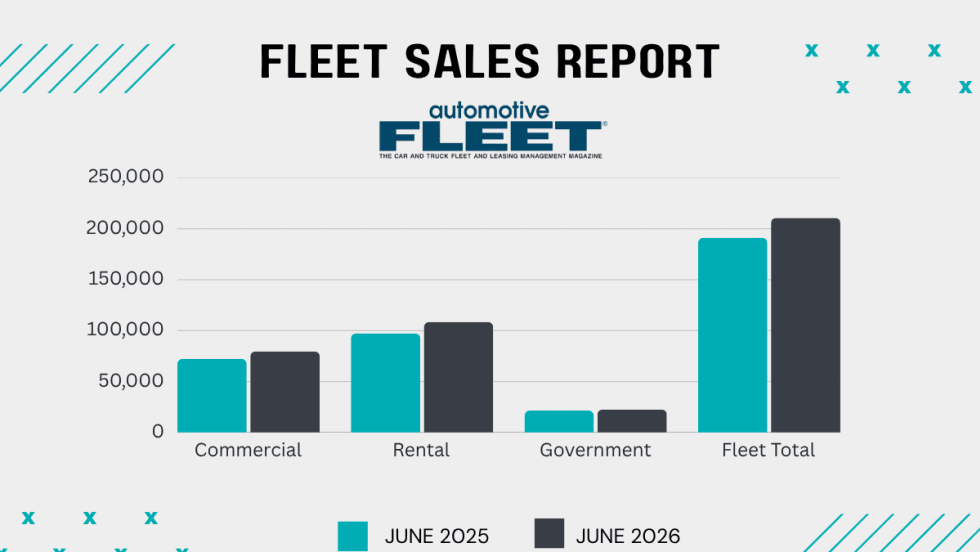
Commercial Fleet Sales Contribute To June, YTD Gains
The fleet sector has boosted its vehicle purchases at a reliable pace in the first half of this year compared with 1H 2025.
Read More →
Stop Remarketing Electric Vehicles Like Gas Cars
The advantages and attributes of electric vehicles are upending the traditional remarketing cycle, requiring fleet sellers to rely on new factors and approaches detailed below.
Read More →
AP Fleet Management Expands Remarketing Program for Commercial Work Trucks
AP Fleet Management expanded its commercial vehicle remarketing program with dedicated resale services and an online marketplace for used work trucks.
Read More →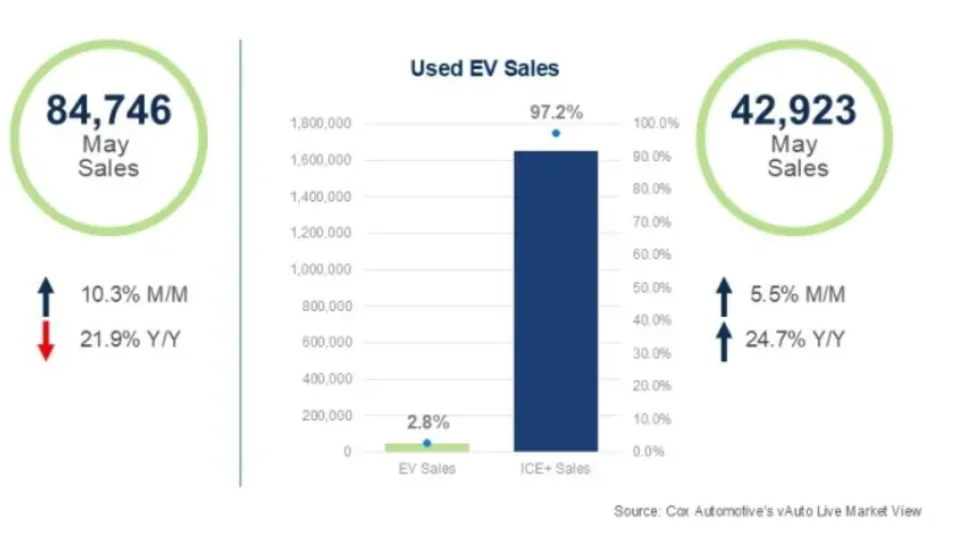
Used EVs Strengthen Overall Electric Vehicle Market
The latest sales data point to several reasons for the divergent trends in new and used EVs that can factor into fleet cycling decisions.
Read More →
The Data-Driven Haul: 5 Ways AI is Leveling the Playing Field in Auto Transport
Large and small transport fleets are becoming more competitive as predictive analytics and real-time data inform the logistics decision chain.
Read More →