



Used Car Demand Remains High
IRVINE, CA/CARMEL, IN - With values rising in all segments through March, many may be wondering how long the current strength in the marketplace will continue.
IRVINE, CA/CARMEL, IN - With values rising in all segments through March, many may be wondering how long the current strength in the marketplace will continue. Through the second quarter, Kelley Blue Book (KBB) is forecasting values for most car segments to continue to climb. KBB also anticipates values for compact cars to increase 1.8 percent, subcompact cars to increase 3.5 percent, and mid-size cars to appreciate 0.8 percent. An expected uptick in gas prices during Summer and continued limited supplies of these vehicles are two contributing factors influencing the uptick in these segments.
Alternatively, KBB expects values for full-size trucks to drop 3 percent through the same period in response to the expected rise in gas prices. So while a limited supply at auction is expected to keep values for many segments strong through the next quarter, rising gas prices could play a role in bringing down the value of vehicles with less-than-ideal fuel economy.
“While we can attribute much of the strength over the past month to limited supply at auction, we also must note that strong consumer demand supports rising values,” said Juan Flores, director of vehicle valuation, Kelley Blue Book, in a recent market report. “Continued weakness in the economy is another factor keeping demand for used vehicles high. With the national unemployment rate still hovering just below 10 percent and bankruptcy filings and loan delinquencies on the rise, many consumers are purchasing a used or certified pre-owned vehicle as an alternative to a new vehicle due to their lower cost of entry.”
Wholesale used-vehicle prices maintained their growth pattern in March, as dealers continue to bid aggressively for available units needed to meet solid retail demand in the midst of tight supplies, according to Tom Kontos, Executive Vice President, Customer Strategies and Analytics, ADESA Auctions.
Stronger new vehicle sales recorded in March - both retail sales to consumers and fleet sales to rental companies and corporations - bode well for near term and longer term used vehicle supply in the form of trade-ins and off-rental/fleet units. In the meantime, institutional and dealer consignors can capitalize on strong selling prices in-lane and online at auction.
Additionally, according to KBB’s Flores, strong incentive support from OEMs, such as Honda and Toyota, increased foot traffic in showrooms, bolstering not only new-vehicle sales, but ultimately, sales of used vehicles. Unlike dealer or customer cash, lease and financing incentives do not generally lower the resale value of used vehicles, since they do not have a significant effect on the transaction price of a new car. In addition, the aggressive lease and financing support available in March gives an indication that credit has become more readily available for consumers looking to finance their purchases. "We would expect to see demand remain strong or even increase as credit markets thaw and it becomes easier for consumers to obtain financing," said Flores.
For these reasons, Kelley Blue Book expects that values will remain strong for many segments in the short term, especially if attractive financing opportunities remain available for consumers.
Values were especially strong through March, according to Flores, supported by a limited supply of high-quality, good condition vehicles at auction. Excellent weather through the month of March also helped boost values, prompting dealers to replenish inventory at auction to keep up with demand through the Spring selling season.
“While we typically expect some appreciation during this time, the strength we are seeing today exceeds seasonal trends. Overall, used-vehicle values were up 2.2 percent, a significant increase relative to the 0.5-percent increase observed during March 2009,” said Flores. “Interestingly, the appreciation in March was limited mainly to 2008 and older model years. One-year-old vehicles (MY 2009) have not fared as well, staying flat or even dropping in some cases, narrowing the spread between one- and two-year-old vehicle values. A significant increase in the supply of 2009 vehicles at auction has prevented these vehicles from strengthening to the same degree as older models.”
According to ADESA Analytical Services’ monthly analysis of Wholesale Used Vehicle Prices by Vehicle Model Class1, wholesale used vehicle prices in March averaged $10,549 - a 4-percent increase from February and a 6.8-percent increase from prior year. The rising tide has been lifting virtually all ships; most model class segments have been moving in tandem with the market regardless of size or configuration.
Prices were up for all seller types. Manufacturers registered a 4.2-percent month-over-month price increase and a 13.5-percent year-over-year rise; fleet/lease consignors experienced a 5.4-percent sequential price increase and an 11.9-percent annual increase. Dealers saw a 7.7-percent average price increase versus February and a 14.2-percent uptick versus March 2009.
ADESA Analytical Services estimates that auction industry inventory levels stood at 31 days at month-end compared to 44 days last March -- an indication of tight supply and high auction throughput.
Based on data from CNW Marketing/Research, retail used vehicle sales in March were up 3.5-percent year-over-year for franchised dealers, 18.7-percent for independent dealers and 10.5-percent overall. The consumer price index for used vehicles rose by 14.1-percent year-over-year in February (latest available) based on data from the Bureau of Labor Statistics.
More Operations

FLD Promotes Three Executives in Leadership Changes
FLD has promoted three longtime executives, naming Gary Mott CEO, Richard Mallek president, and Ron Sanders managing partner.
Read More →
CAS Automotive Launches Remarketing Service for Damaged, Surplus Equipment
Damaged Equipment expands CAS Automotive’s vehicle remarketing model to commercial equipment, targeting fleet operators, insurers, equipment dealers, and rental companies.
Read More →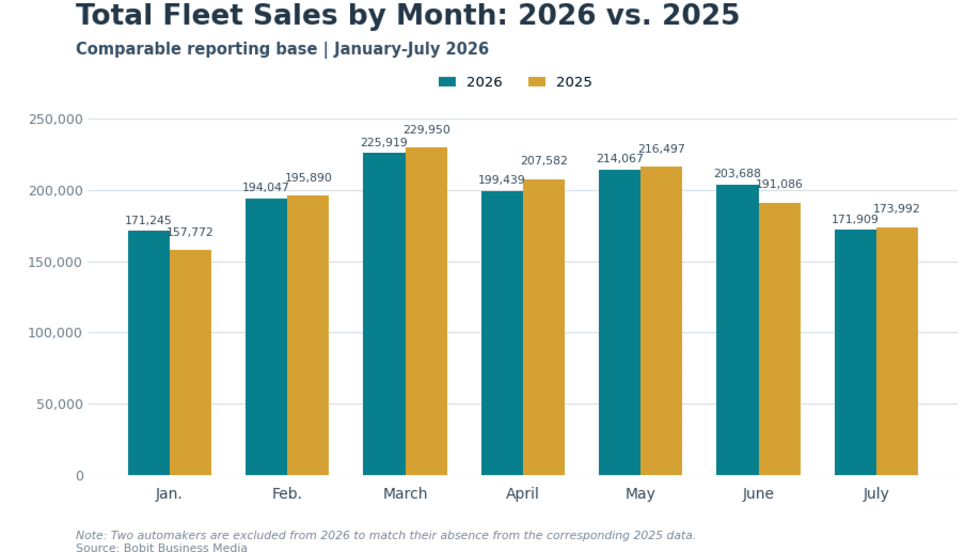
Fleet Sales Hold Steady as Commercial Gains Offset Rental Decline
Commercial and government fleet sales increased through July 2026, offsetting most of the decline in rental volume and leaving combined comparable fleet sales 0.5% above the same period last year.
Read More →
Personnel Update: BrickHouse GPS, PRO-VISION, Auto Driveaway, and Proaction
Check out the latest must-know fleet personnel updates from the last couple of months.
Read More →
What Comes Next for Auto Driveaway?
A new Auto Driveaway feature called Arrive provides recipients with live location updates and ETAs during the final hour of a vehicle move, while fleet customers continue to have end-to-end shipment visibility through the company's customer portal.
Read More →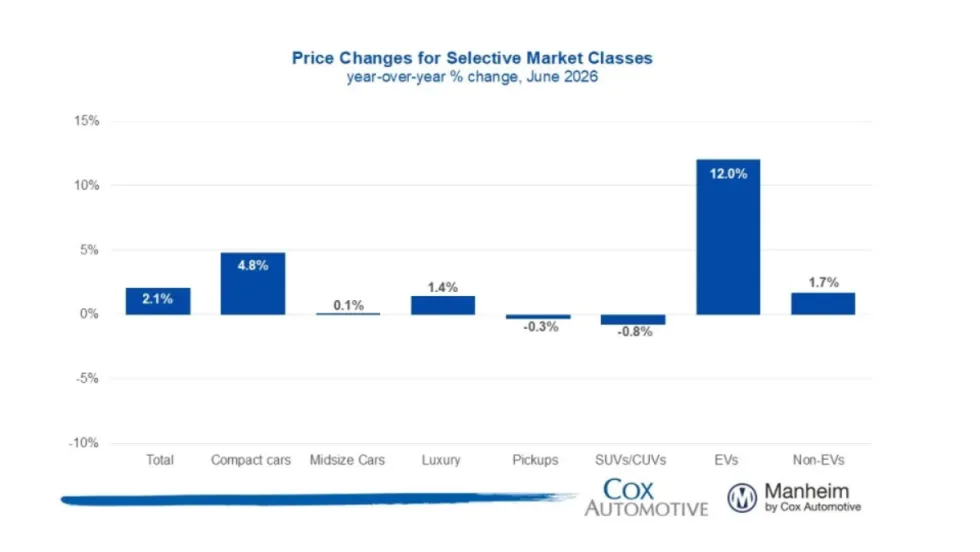
Manheim Index Shows Used-Vehicle Wholesale Prices Up 2.1% in June
The market is seeing stronger appreciation in older used vehicles this year, and the most affordable segments have been among the year’s best performers.
Read More →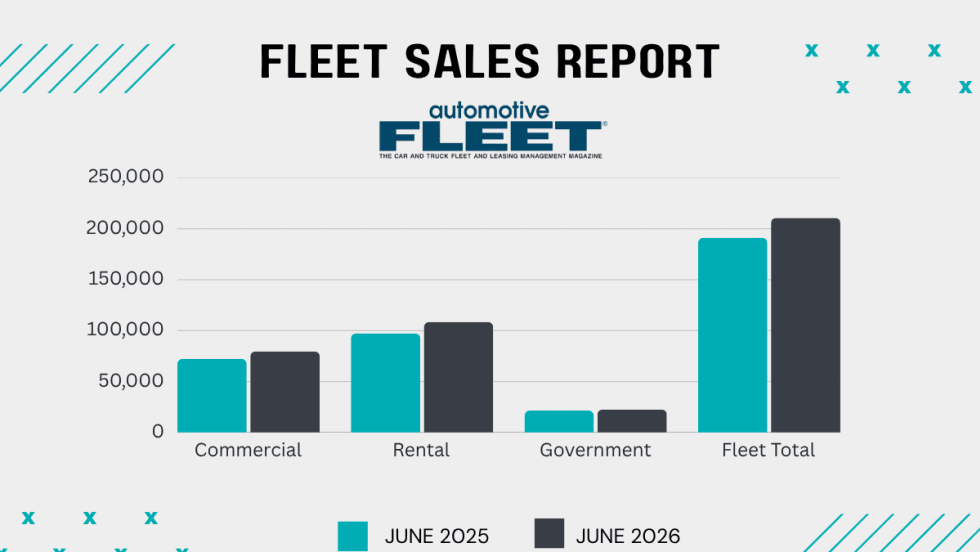
Commercial Fleet Sales Contribute To June, YTD Gains
The fleet sector has boosted its vehicle purchases at a reliable pace in the first half of this year compared with 1H 2025.
Read More →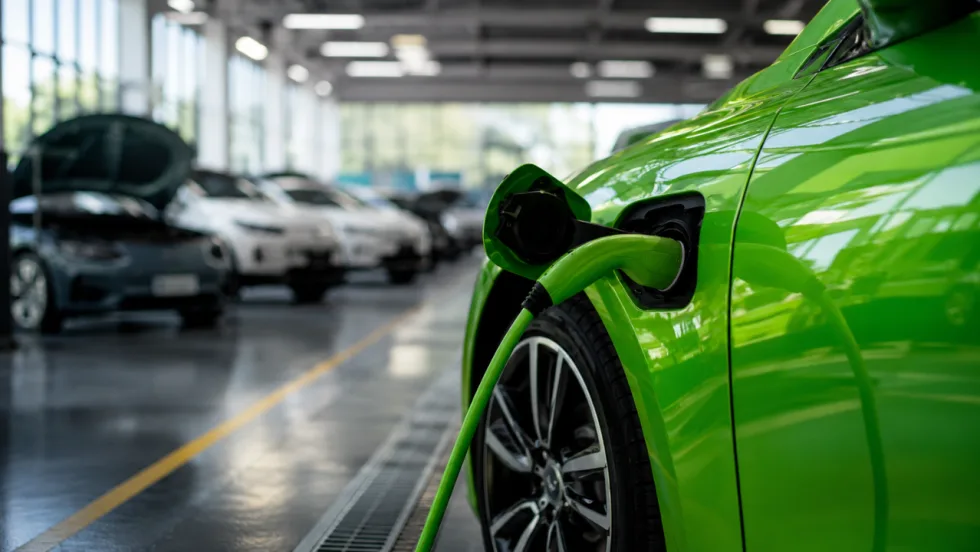
Stop Remarketing Electric Vehicles Like Gas Cars
The advantages and attributes of electric vehicles are upending the traditional remarketing cycle, requiring fleet sellers to rely on new factors and approaches detailed below.
Read More →
AP Fleet Management Expands Remarketing Program for Commercial Work Trucks
AP Fleet Management expanded its commercial vehicle remarketing program with dedicated resale services and an online marketplace for used work trucks.
Read More →
Used EVs Strengthen Overall Electric Vehicle Market
The latest sales data point to several reasons for the divergent trends in new and used EVs that can factor into fleet cycling decisions.
Read More →