




Related News: Which States Are Best for Buying EVs?
The Most Shopped EV and Hybrid Vehicle Brands
Second quarter numbers show emerging competition for buyer choices as more models enter the market.
August 29, 2021
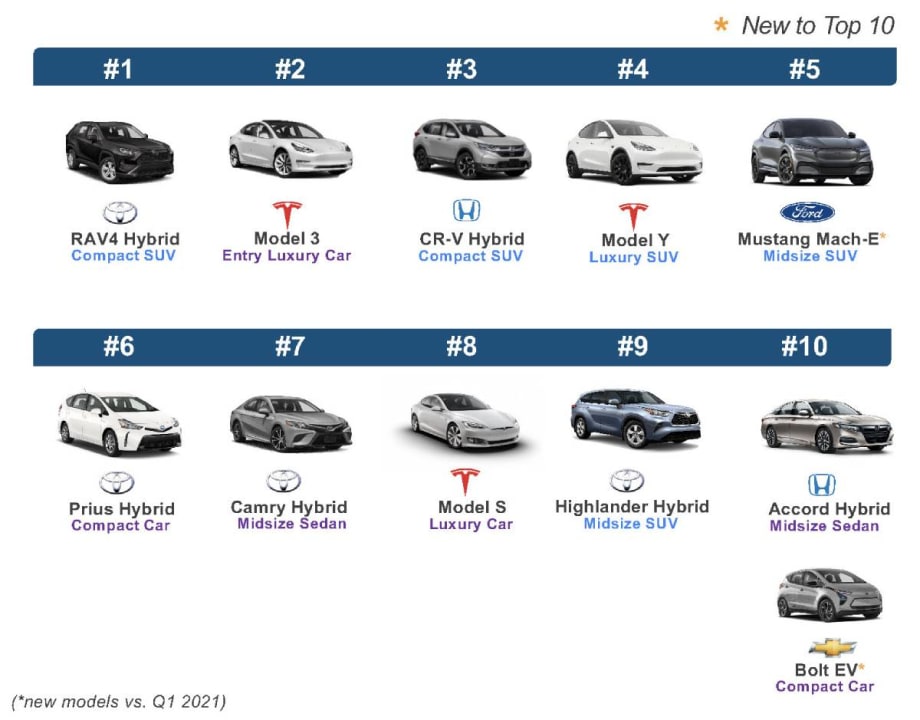
Quarterly Top Considered Electrified Vehicle Models -- 2Q 2021
Graphic: KBB / Cox Automotive
3 min to read
Tesla again dominated for the most-shopped EVs, although it is starting to see some competition from newcomers, while Toyota and Honda led for most-shopped hybrids, according to the Q2 2021 Kelley Blue Book Brand Watch report.
The report, summarized in an Aug. 26 Cox Automotive news release, is a consumer perception survey that also weaves in consumer shopping behavior to determine how a brand or model stacks up with its segment competitors in a dozen factors key to a consumers’ buying decision. Kelley Blue Book produces a separate Brand Watch report for non-luxury and luxury brands each quarter, which now includes a closer look at electrified vehicles: Electric vehicles, hybrids, plug-in hybrids and fuel cell vehicles.
Shopping consideration for electrified vehicles overall increased in the quarter, and so did sales, which set a record of 250,000 units sold in the quarter. Of all vehicle shoppers — luxury and non-luxury — 20% shopped for an electrified vehicle, a percentage that has been rising since the end of 2020.
About 8% of consumers considered a totally electric vehicle, also a percentage rising since the end of last year. Hybrids took the biggest chunk — 15% of shoppers considered a hybrid, on the rise and at a new high.
Shopping and sales of EVs and hybrids are likely to keep rising amid President Biden’s goal of 50% of all new-vehicle sales being EVs or plug-in hybrids by 2030 as well as the flurry of new models rolling out this decade. The challenge, however, is availability. Like all other vehicles, electrified ones have suffered production cuts due to the global computer chip shortage.
Tesla Dominated EVs; Newcomers Gain Ground
The Tesla Model 3 was the most-shopped EV, and the second-most shopped electrified vehicle. The Model Y was the fourth most-shopped electrified vehicle. The Model S was No. 8 most-shopped.
The Top 10 list saw two newcomers. The new Ford Mustang Mach-E, a first-timer among the most-shopped electrified vehicles, squeezed between the Model Y and Model S at No. 5. The Chevrolet Bolt made it on the list for the first time, tying for No. 10.
Meantime, challenges lie ahead for Ford and Chevrolet as well as Tesla.
GM expanded its recall of Chevrolet Bolt EVs to cover all of those made since 2017 as they are at risk of overheating and catching fire due to manufacturing defects. GM idled the Michigan plant that builds the Bolt and issued a stop-sale order for Bolts while owners await replacement battery modules.
Ford notified consumers who ordered the Mustang Mach-E that delivery of their vehicles could be delayed by as much as six weeks due to the chip shortage.
At the same time, some Tesla customers are experiencing waits of weeks or months for their cars, and Tesla’s promised delivery dates keep slipping, suggesting Tesla is having production issues.
Toyota, Honda Lead in Hybrids
The Toyota RAV4 hybrid repeated as the most-shopped electrified vehicle. Toyota has the most models on the Top 10 list of most-shopped electrified vehicles. Making the list beyond RAV4 were Prius at No. 6, Camry at No. 7 and Highlander at No. 9. Toyota may be challenged as well. Its hybrid models have been in extremely short supply. And now Toyota is being forced to cut 40% of its global production plans through September due to the chip shortage.
The Honda CR-V hybrid was the third most-shopped electrified vehicle, and the Honda Accord hybrid tied for 10th place with Chevrolet Bolt.
Topics:New Vehicle SalesPlug-In Electric VehiclesPlug-In Hybrid Electric VehiclesElectric VehiclesFleet
Originally posted on Charged Fleet
More Fleet

Acertus Acquires Fisher Shipping, CEO to Join Acertus
Fisher Shipping will retain its brand and team, while its customers gain access to Acertus’ transportation, storage, vehicle care, and title and registration services.
Read More →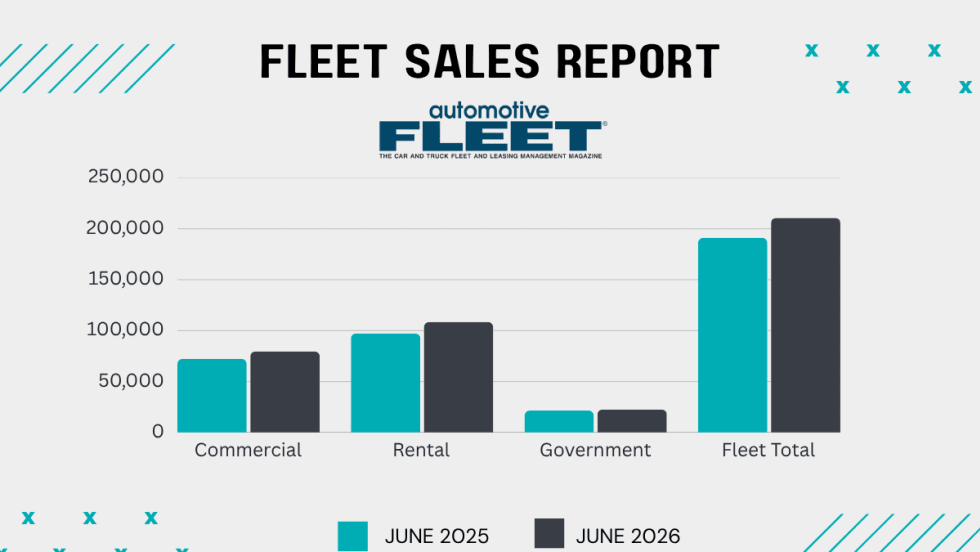
Commercial Fleet Sales Contribute To June, YTD Gains
The fleet sector has boosted its vehicle purchases at a reliable pace in the first half of this year compared with 1H 2025.
Read More →
Registration Opens for 2026 Fleet Forward Conference
Held on the East Coast for the first time, the Washington, D.C.-area event features expert-led education, a new IIHS Crash Test Experience, and collocation with the NAFA’s Fleet Safety Symposium.
Read More →
AP Fleet Management Expands Remarketing Program for Commercial Work Trucks
AP Fleet Management expanded its commercial vehicle remarketing program with dedicated resale services and an online marketplace for used work trucks.
Read More →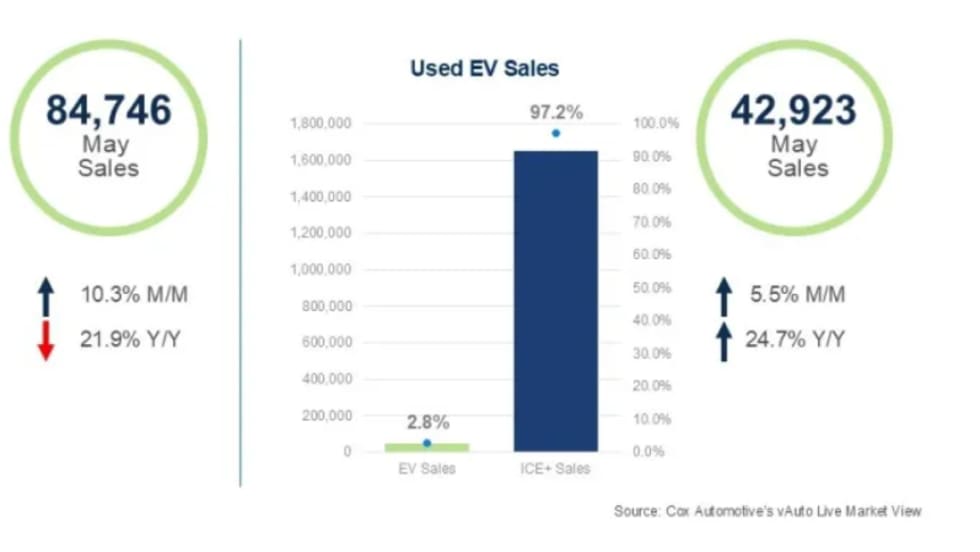
Used EVs Strengthen Overall Electric Vehicle Market
The latest sales data point to several reasons for the divergent trends in new and used EVs that can factor into fleet cycling decisions.
Read More →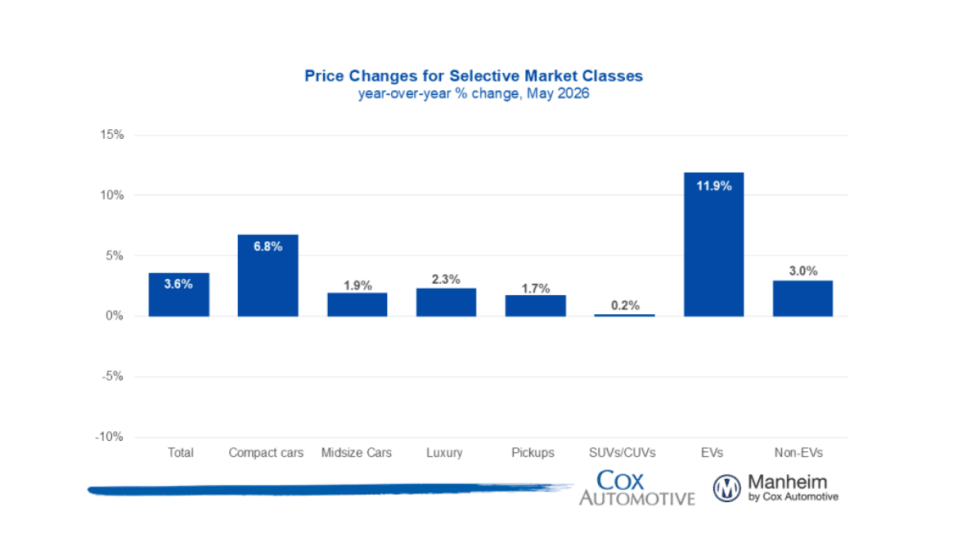
Wholesale Used Vehicle Market Sustains Moderate Rise In Values, Prices
Trends continue to normalize after a strong start to the year, as consumers contend with higher gas prices in the coming summer months.
Read More →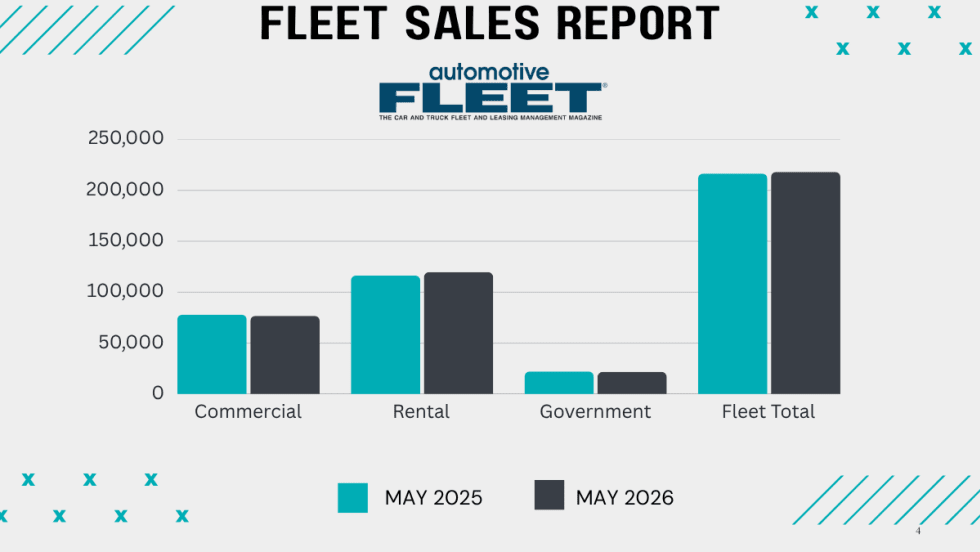
Commercial Fleet Sales Still Lead Sectors Despite May Mini Dip
The U.S. economy's continued growth and positive business investment are creating a favorable environment for fleet vehicle demand.
Read More →
The Data-Driven Haul: 5 Ways AI is Leveling the Playing Field in Auto Transport
Large and small transport fleets are becoming more competitive as predictive analytics and real-time data inform the logistics decision chain.
Read More →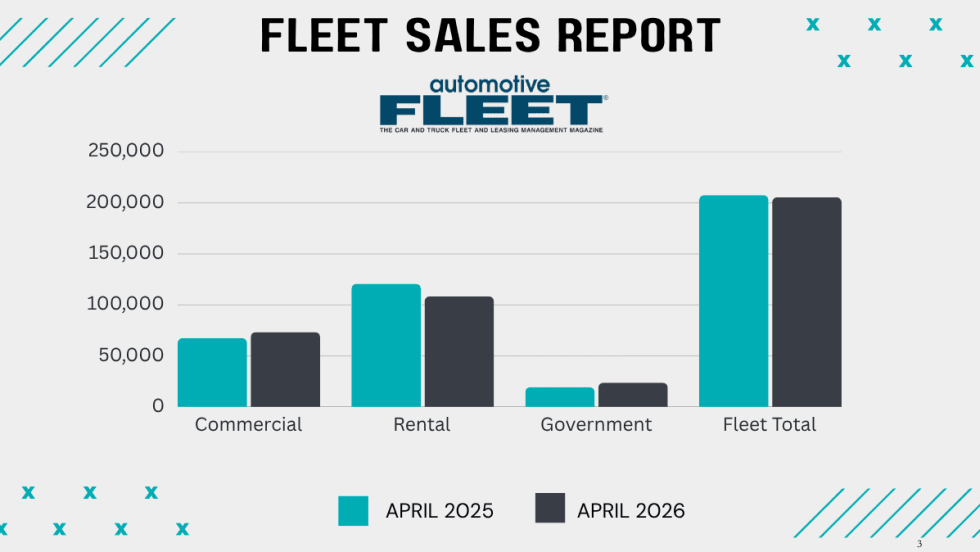
Commercial Fleet Sales Show Healthy Gains
So far, the fleet sector is outshining government and rental fleet sales this year as economic growth spurs more business investment.
Read More →
CAR 2026 Recap Part 2: Closing the Gap Between Data & Remarketing Value
The second half of CAR 2026 examined how fleets can translate lifecycle strategy, vehicle data, and market shifts into higher real-world results.
Read More →