



TFS Sees 17 Percent Rise in Conversion Rates
After a partnership between Toyota Financial Services (TFS) and Manheim, TFS’ conversion rates have risen 17 percent, and have achieved gains in both bids per sale and retention value.
As a result of Toyota Financial Services’ (TFS) need to find a new and more efficient way to sell its vehicle inventory, Manheim and TFS formed a partnership that led to TFS’s implementation of Manheim’s Enhanced Vehicle Imaging (EVI). TFS’ conversion rates have risen 17 percent, and have achieved gains in both bids per sale and retention value, as documented in a recent case study released by both organizations.
“We needed to adopt a new approach to sell our inventory,” said Mike Reid, national remarketing manager for TFS. “Moving from lane sales to online proved to be a disruptive process for our dealers at first. Making buying decisions without actually seeing a vehicle first hand was difficult for many dealers. But with Enhanced Imaging, our dealers are able to view their target vehicle inventory online very similarly to the physical auction lane. We are well on our way to creating a virtual showroom experience that allows our dealers to purchase vehicles with confidence around the world.”
Designed to help consignors increase sales and conversion rates, EVI provides the highest resolution images available, delivering showroom quality that helps sell vehicles online quickly. The improved package, offered with Manheim InSight ECR Condition Reports, provides customers up to 18 vehicle images, ‘heat map’ graphics that help buyers quickly assess vehicle condition and a dedicated photo staff with the goal of ensuring consistent image quality and standards across all Manheim locations.
During a 16-week trial of the product for TFS’ online auction sales from February-April 2014 at Manheim Ohio and Manheim Phoenix, Enhanced Vehicle Imaging (EVI) helped TFS’ achieve a 17-percent gain in conversion rate to 62 percent in a sample size of nearly 2,700 vehicles. During that trial, the results showed a 26-percent rise in the number of bids and a 1.1-percent increase in retention value, or an increase of $132 per vehicle.
TFS fully adopted EVI for all of its vehicles consigned at the 20 Manheim operating locations with the product in May 2014. Projections are for all TFS consigned vehicles at those Manheim auctions -- more than 65,000 vehicles in total -- to go through the EVI process in 2015. Since the completion of the trial, Manheim expanded the number of operating locations offering EVI to 21 with the addition of Manheim Toronto.
TFS and Manheim have been working together for many years. Manheim has delivered a variety of business solutions such as OVE.com and EVI that have led to more efficient and profitable solutions for TFS. Among the first adopters of OVE.com, TFS offers its vehicles first on OVE.com.
Not only did EVI help TFS’ sales results during the trial, but arbitration cases dropped 17 percent and customer satisfaction rose. Based on Manheim’s Buyer Satisfaction Surveys conducted before and after the implementation of EVI during the trial period, the case study reports new images have improved the perception of images in Manheim Condition Reports (CRs) versus the competition by 18%. The overall perception of CRs has risen by 15 percent as well.
The 21 Manheim operating locations currently with the imaging product in place include: Manheim Atlanta, Manheim Baltimore-Washington, Manheim Denver, Manheim Fredericksburg, Manheim Kansas City, Manheim Milwaukee, Manheim Minneapolis, Manheim Nashville, Manheim Nevada, Manheim New Jersey, Manheim Ohio, Manheim Orlando, Manheim Pennsylvania, Manheim Phoenix, Manheim Riverside, Manheim San Diego, Manheim San Francisco Bay, Manheim Seattle, Manheim Statesville, Manheim Texas Hobby and Manheim Toronto.
More Operations

CAS Automotive Launches Remarketing Service for Damaged, Surplus Equipment
Damaged Equipment expands CAS Automotive’s vehicle remarketing model to commercial equipment, targeting fleet operators, insurers, equipment dealers, and rental companies.
Read More →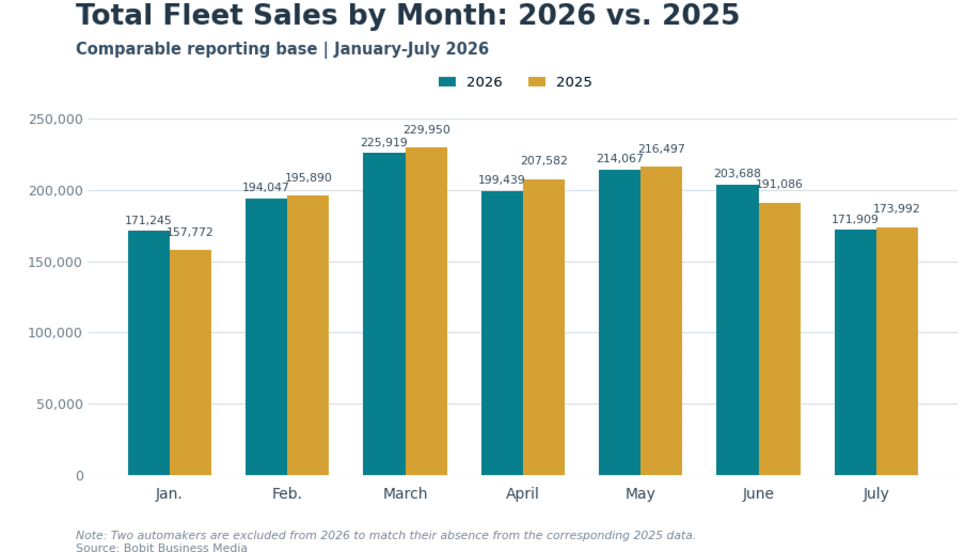
Fleet Sales Hold Steady as Commercial Gains Offset Rental Decline
Commercial and government fleet sales increased through July 2026, offsetting most of the decline in rental volume and leaving combined comparable fleet sales 0.5% above the same period last year.
Read More →
Personnel Update: BrickHouse GPS, PRO-VISION, Auto Driveaway, and Proaction
Check out the latest must-know fleet personnel updates from the last couple of months.
Read More →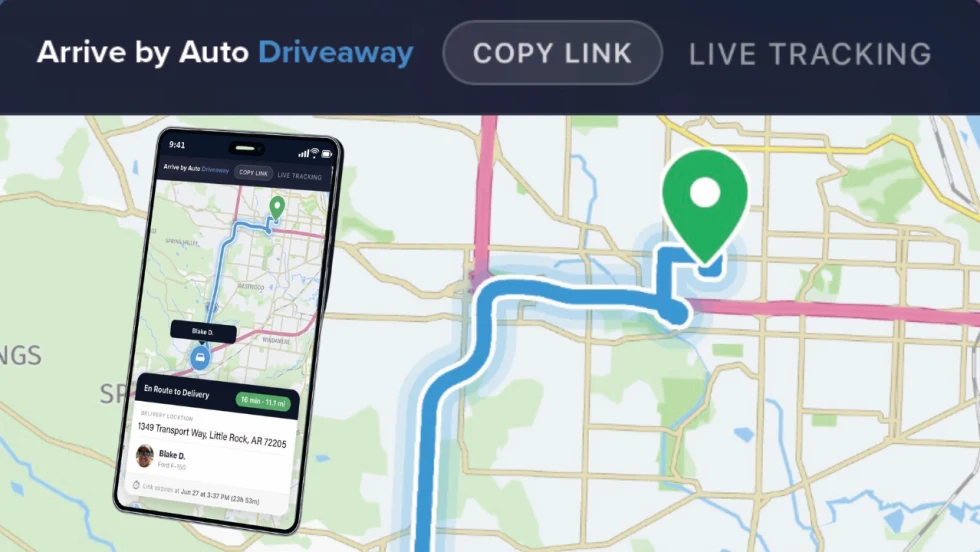
What Comes Next for Auto Driveaway?
A new Auto Driveaway feature called Arrive provides recipients with live location updates and ETAs during the final hour of a vehicle move, while fleet customers continue to have end-to-end shipment visibility through the company's customer portal.
Read More →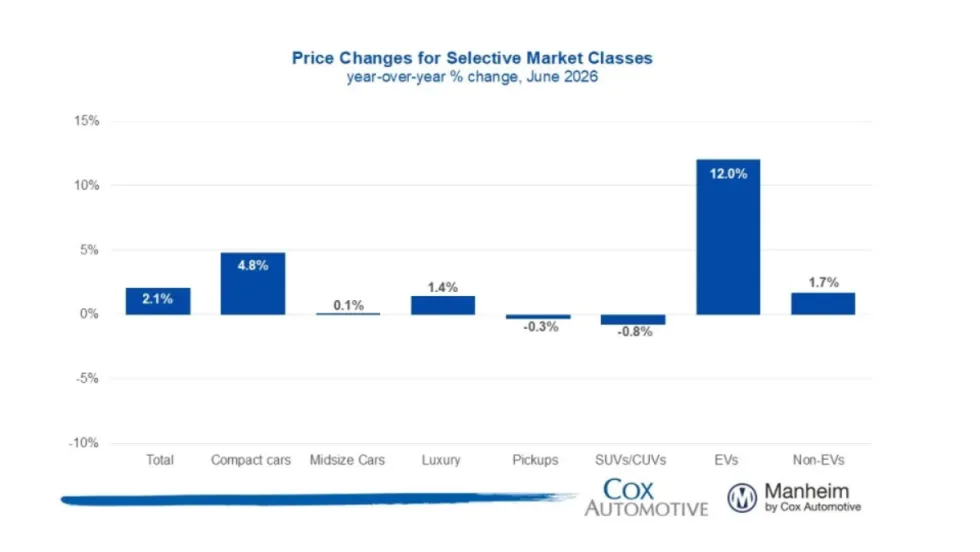
Manheim Index Shows Used-Vehicle Wholesale Prices Up 2.1% in June
The market is seeing stronger appreciation in older used vehicles this year, and the most affordable segments have been among the year’s best performers.
Read More →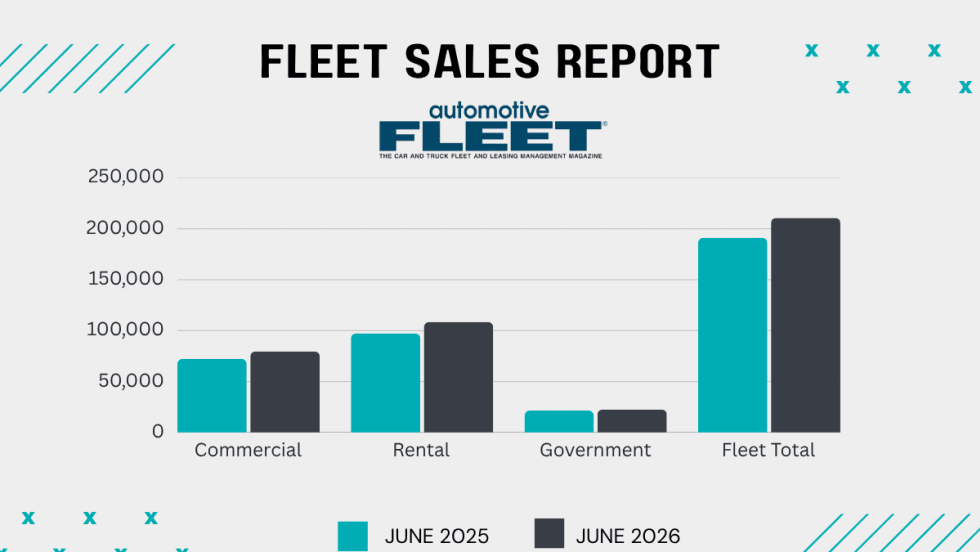
Commercial Fleet Sales Contribute To June, YTD Gains
The fleet sector has boosted its vehicle purchases at a reliable pace in the first half of this year compared with 1H 2025.
Read More →
Stop Remarketing Electric Vehicles Like Gas Cars
The advantages and attributes of electric vehicles are upending the traditional remarketing cycle, requiring fleet sellers to rely on new factors and approaches detailed below.
Read More →
AP Fleet Management Expands Remarketing Program for Commercial Work Trucks
AP Fleet Management expanded its commercial vehicle remarketing program with dedicated resale services and an online marketplace for used work trucks.
Read More →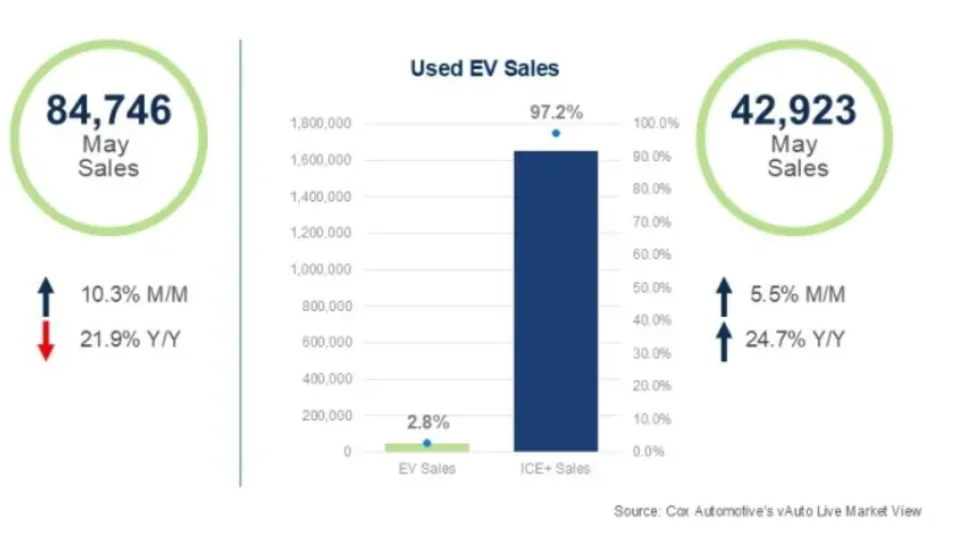
Used EVs Strengthen Overall Electric Vehicle Market
The latest sales data point to several reasons for the divergent trends in new and used EVs that can factor into fleet cycling decisions.
Read More →
The Data-Driven Haul: 5 Ways AI is Leveling the Playing Field in Auto Transport
Large and small transport fleets are becoming more competitive as predictive analytics and real-time data inform the logistics decision chain.
Read More →