



Technology is Changing the Wholesale Vehicle Remarketing Marketplace
SEATTLE – Consignors using the Internet and the latest technology to sell vehicles at the nation's auto auctions are deciding how to present their vehicles to attract the most buyers and get the highest values.
SEATTLE – Consignors using the Internet and the latest technology to sell vehicles at the nation's auto auctions are deciding how to present their vehicles to attract the most buyers and get the highest values.
Eric Overby, a former senior manager with Arthur Andersen and KPMG, is finalizing an intensive study of physical versus online auction environments as part of his doctoral thesis at the Goizueta Business School at Emory University in Atlanta. Sandy Jap, Caldwell research fellow and associate professor of marketing at Emory, also participated in the study.
Overby presented the study during the National Auto Auction Association's (NAAA) annual mid-year meeting.
The study examined 17,536 vehicle records from 103 sales events at auctions around the country between November 2003 and January 2005. These particular sales events all had one thing in common: each had a combination of vehicles physically run down the lane and vehicles presented electronically as photographs, "cinema-style."
Overby's research looks at the shift businesses and consumers are making from purchasing items in the physical world to purchasing them through electronic or other virtual means.
"Analyzing the sales events that we did gave us a lot of control and allowed us to investigate the specific effect of the different physical and online auction environments: physical, Webcast, cinema, etc." Overby said.
The way vehicles are offered at the nation's auctions have changed significantly in recent years. Today, consignors have a choice of how to present their vehicles. They may choose to have the vehicle "run live" by having them physically run past dealers in an auction lane. They may also choose to electronically "post" the vehicle during a sale by providing a digital photograph, often called "Cinema-style," which is shown during the sale to dealers present in the lane and those attending the sale online.
Dealers too have a choice. They can physically attend the auction, or they may choose to log onto a "live" event over the Internet to make their purchases.
Overby and Jap found there were differences in both sales rates and vehicle prices, depending on how the vehicle was presented, the condition of the vehicle, and how the dealer was "attending" the sale, though some of those effects have diminished over time.
The study verified what has become generally accepted in auction industry. A relatively large number of vehicles being offered and the "late" run number of a vehicle decrease the chances that any one vehicle will be sold. Overby said some new information has also come to light.
Vehicles offered for sale with just a digital photo were not only less likely to sell; they also brought less money, especially from dealers who physically attended the auction.
This was especially true of vehicles in "average" or "below average" condition. In-lane dealers who watched average or below condition vehicles run through the lane paid the highest amount for these vehicles. In contrast, those in-lane buyers paid nearly 28-percent less for vehicles in which only a photograph of the vehicle was shown.
Internet buyers, according to the study, paid 3.2-percent less than in-lane dealers for average or below condition vehicles run live through a lane. Those Internet buyers paid 12.7-percent less for such vehicles shown "cinema-style."
"What this suggests is that dealers, especially those who take the time to physically attend a sale, want to physically see the vehicle," Overby said. "The cinema treatment seems to defeat the purpose of physically attending the auction in the first place. Internet buyers will also pay more when they see the vehicle physically run through the lane, even if they are watching a Webcast sale."
Overby noted that there are obvious cost savings to consignors who offer vehicles cinema-style.
"Our study did not determine if the cost savings in transportation and other expenditures associated with offering a vehicle cinema-style offsets the lower price brought during a sale. That is certainly a possibility," he said.
Above average condition vehicles, Overby found, suffered much less fall off in values than average or below average vehicles. In fact, Internet buyers paid the same amount as their in-lane counterparts for an above average vehicle run through the lane. In-lane and Internet dealers paid 2.3-percent and 1.7-percent less respectively for above average vehicles shown cinema-style.
"This is often the case in manufacturer sales, where the vehicles are in good condition and the dealers have an idea of what kind of vehicle they're buying, even if they can't physically inspect it," Overby said. "Contrast that to a dealer consignment sale, where dealer-buyers almost need to see the car before they will bid on it."
Overby said when dealers are made aware a vehicle is average or below average, a consignor many not be able to show enough information to alleviate dealer concerns with purchasing that vehicle, particularly in a "sequential" setting.
"In that sequential, or real-time setting, you have perhaps 45 seconds, often less, to assess a vehicle and make a bid before the next car comes through the lane," Overby said. "Dealers don't seem to be comfortable making that purchase in that timeframe, at least for the vehicles in average or below condition. We might have a different finding if the vehicle were sold in an online auction setting where the buyer has days in which to consider whether to purchase that vehicle, assuming they use that time."
Over time, Overby found, retention values have converged between physical and Webcast sales for vehicles run live through the auction, regardless of their condition.
"The values paid by in-lane and Internet bidders for run-live vehicles converged in late 2004," Overby said. "However, it is notable that values for cinema-style vehicles did not converge, and we're not sure whether that will change any time soon. If a consignor chooses to show cars with still photos rather than run through the lanes, it affects a buyer's willingness to pay, particularly for those average and below average vehicles."
Overby is still compiling data for his dissertation.
"It's clear that technology is changing the marketplace," he said. "Some of the new technologies, such as the Webcast technology, appear to have become accepted. Others, such as presenting vehicles electronically cinema-style, have some catching up to do. Based on this study, if you have average or below average vehicles, or if you are a dealer consignor, it is better to run the vehicles live rather than cinema style."
More Operations
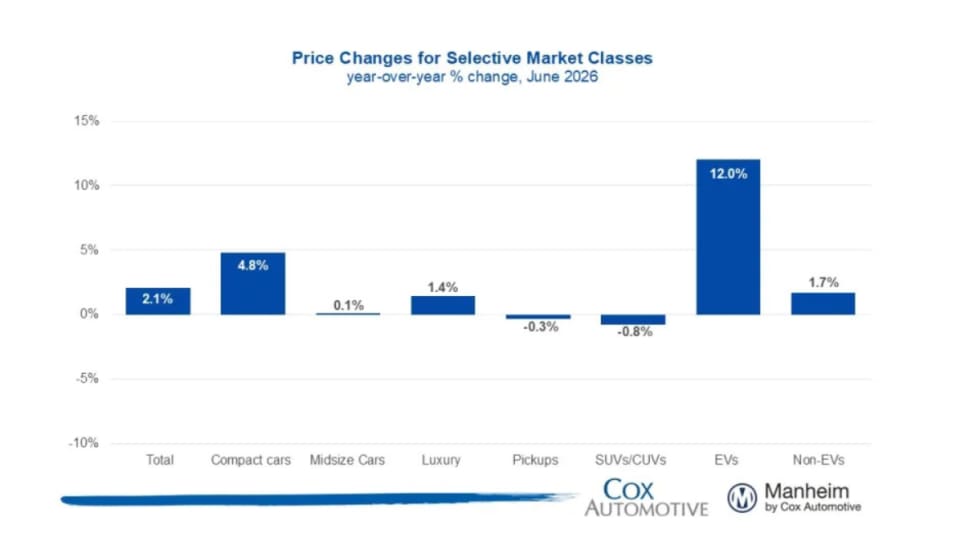
Manheim Index Shows Used-Vehicle Wholesale Prices Up 2.1% in June
The market is seeing stronger appreciation in older used vehicles this year, and the most affordable segments have been among the year’s best performers.
Read More →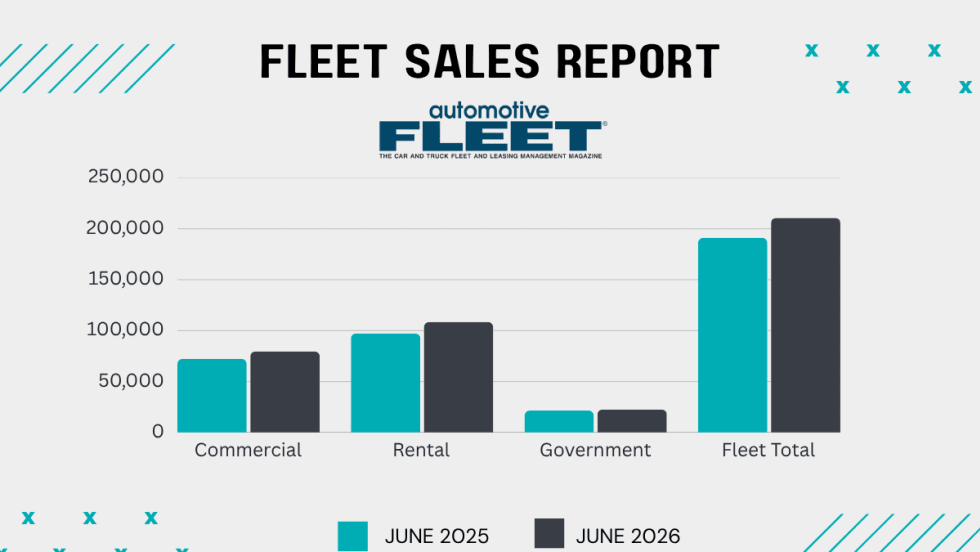
Commercial Fleet Sales Contribute To June, YTD Gains
The fleet sector has boosted its vehicle purchases at a reliable pace in the first half of this year compared with 1H 2025.
Read More →
Stop Remarketing Electric Vehicles Like Gas Cars
The advantages and attributes of electric vehicles are upending the traditional remarketing cycle, requiring fleet sellers to rely on new factors and approaches detailed below.
Read More →
AP Fleet Management Expands Remarketing Program for Commercial Work Trucks
AP Fleet Management expanded its commercial vehicle remarketing program with dedicated resale services and an online marketplace for used work trucks.
Read More →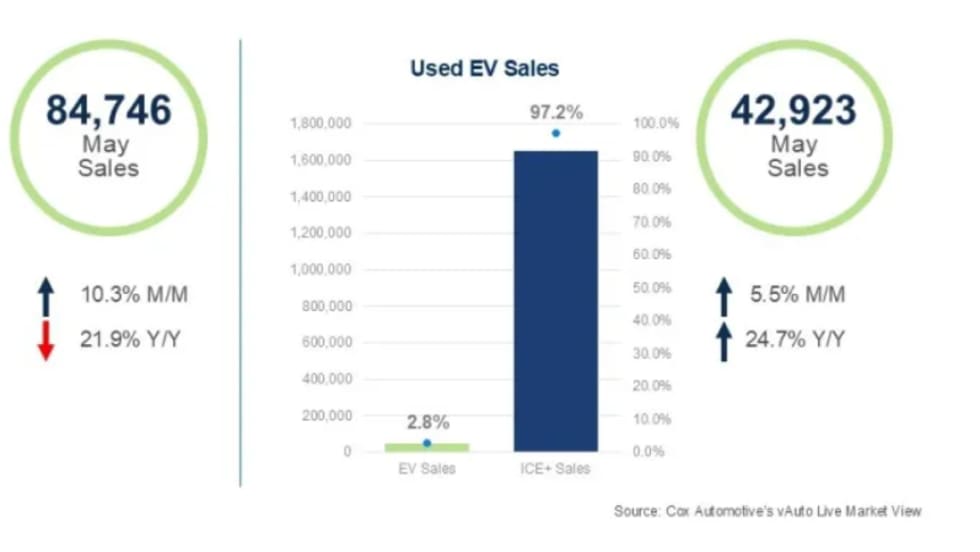
Used EVs Strengthen Overall Electric Vehicle Market
The latest sales data point to several reasons for the divergent trends in new and used EVs that can factor into fleet cycling decisions.
Read More →
The Data-Driven Haul: 5 Ways AI is Leveling the Playing Field in Auto Transport
Large and small transport fleets are becoming more competitive as predictive analytics and real-time data inform the logistics decision chain.
Read More →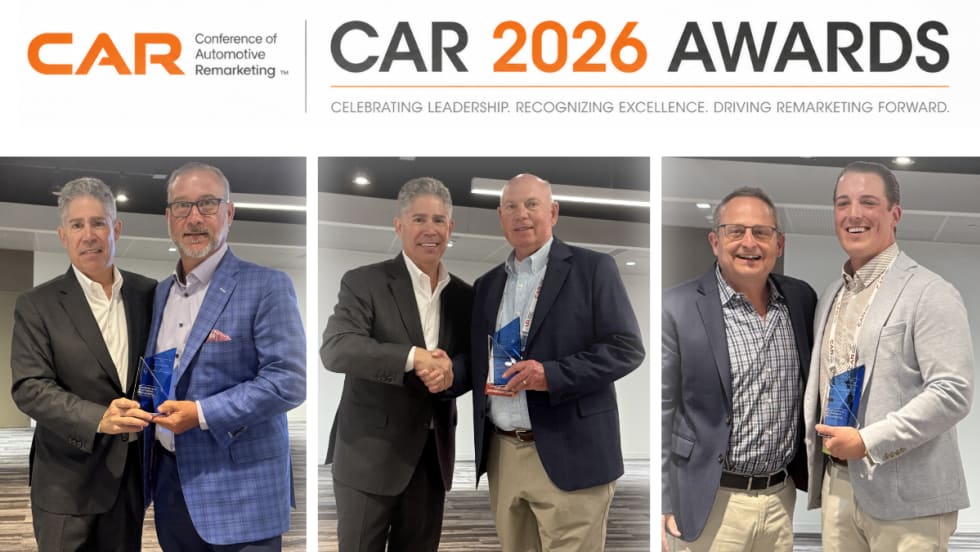
2026 CAR Awards Celebrate Industry Excellence
CAR’s annual Fleet Remarketing Awards opened a reimagined 2026 conference designed to bridge the worlds of fleet management and automotive remarketing.
Read More →
The Predictive Pivot: How AI and Data Are Redefining Auto Logistics in 2026
AI is no longer a luxury but the baseline for profitability in 2026. Auto haulers that adopt these tools now will quickly outpace those using manual workflows and taking a wait-and-see approach.
Read More →
CAR 2026 Recap Part 2: Closing the Gap Between Data & Remarketing Value
The second half of CAR 2026 examined how fleets can translate lifecycle strategy, vehicle data, and market shifts into higher real-world results.
Read More →
CAR2026 in Two Words: Velocity, Value (Part 1)
The 2026 Conference of Automotive Remarketing convened with a mandate to involve a new constituency — fleet managers — and an updated mission to demonstrate unrealized value in de-fleeted vehicles.
Read More →