



Subprime Auto Loans Fall to Lowest Level in Three Years
The percentage of automotive loans that fell within the subprime and deep subprime risk categories have reaching its lowest share since 2012.
Experian Automotive announced that the percentage of automotive loans that fell within the subprime and deep subprime risk categories made up 19.7 percent of the market, reaching its lowest share since 2012. According to the State of the Automotive Finance Market report for Q1 2015, subprime loans made up 16.2 percent of the market, while deep subprime loans captured 3.5 percent.
“Over the last year, there has been a tremendous amount of conversation around the growth in subprime loans, and the concern over the automotive finance industry approaching a potential ‘bubble,’” said Melinda Zabritski, senior director of automotive finance for Experian. “While it’s true that the volume of subprime loans is up, the same can be said for the rest of the risk categories. It’s important to keep in mind that, while we should continue to watch them, the percentage of subprime loans make up a small portion of the market.”
Findings from the report also showed that automotive lenders continued to grow their overall portfolios, as total outstanding balances for automotive loans reached a record-high $905 billion in the first quarter 2015, up 11.3 percent from a year ago.
Additionally, despite an increase in the numbers of loans put into play, both 30- and 60-day delinquencies saw slight decreases in the first-quarter report. Thirty-day delinquencies were down 4.1 percent from a year ago, while 60-day delinquencies dropped 3.2 percent over the same time period.
“The current stability in the automotive loan market is a testament to consumers making timely payments on outstanding loans, which is evident in the improvement in delinquency rates,” continued Zabritski. “While the market is in a positive position right now, dealers and lenders will want to want to keep an eye on these data sets and use them for the good of their business, as the insights enable them to make better decisions in terms of loan terms and interest rates.”
At a state level, the highest delinquency rates were found primarily in the South, while the states with the lowest rates were typically found in the Midwest and Northwest.
30-day delinquencies | 60-day delinquencies | ||||||
|---|---|---|---|---|---|---|---|
Highest delinquencies | Lowest delinquencies | Highest delinquencies | Lowest delinquencies | ||||
Mississippi | 3.10% | North Dakota | 0.90% | Washington, D.C. | 1.00% | South Dakota | 0.20% |
Washington, D.C. | 2.90% | Oregon | 1.00% | Mississippi | 0.90% | Oregon | 0.20% |
Louisiana | 2.70% | South Dakota | 1.00% | Louisiana | 0.80% | Minnesota | 0.30% |
South Carolina | 2.60% | Washington | 1.10% | New Mexico | 0.70% | Arkansas | 0.30% |
Alabama | 2.60% | Minnesota | 1.10% | Alabama | 0.70% | Iowa | 0.30% |
More Operations

CAS Automotive Launches Remarketing Service for Damaged, Surplus Equipment
Damaged Equipment expands CAS Automotive’s vehicle remarketing model to commercial equipment, targeting fleet operators, insurers, equipment dealers, and rental companies.
Read More →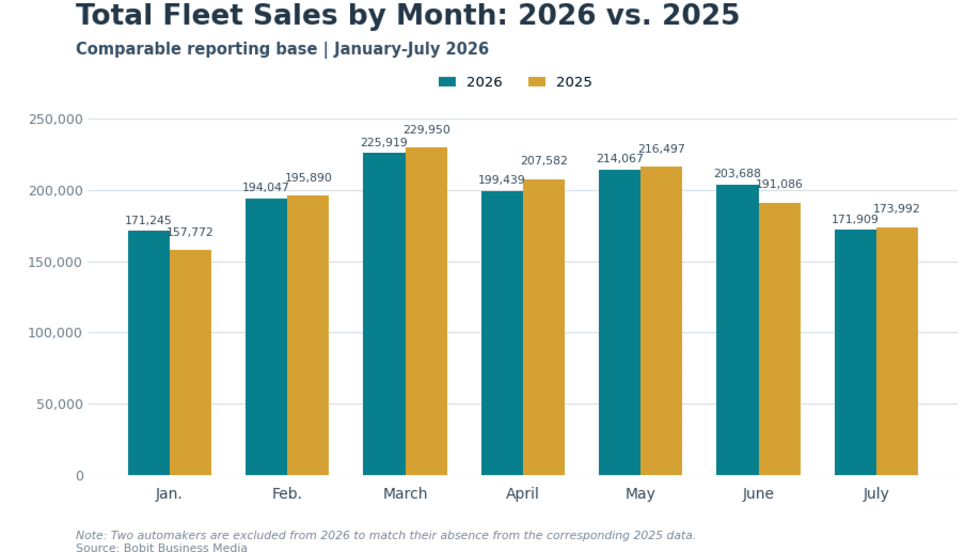
Fleet Sales Hold Steady as Commercial Gains Offset Rental Decline
Commercial and government fleet sales increased through July 2026, offsetting most of the decline in rental volume and leaving combined comparable fleet sales 0.5% above the same period last year.
Read More →
Personnel Update: BrickHouse GPS, PRO-VISION, Auto Driveaway, and Proaction
Check out the latest must-know fleet personnel updates from the last couple of months.
Read More →
What Comes Next for Auto Driveaway?
A new Auto Driveaway feature called Arrive provides recipients with live location updates and ETAs during the final hour of a vehicle move, while fleet customers continue to have end-to-end shipment visibility through the company's customer portal.
Read More →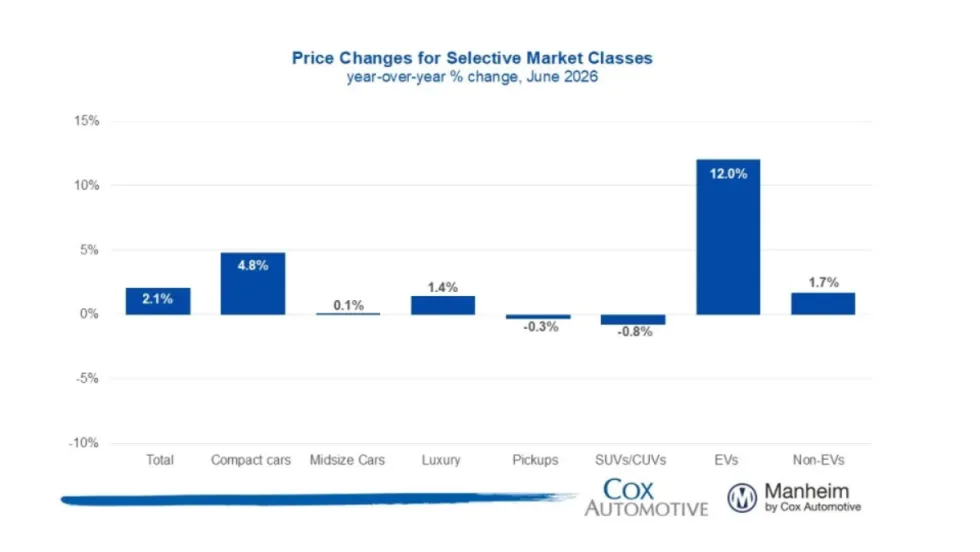
Manheim Index Shows Used-Vehicle Wholesale Prices Up 2.1% in June
The market is seeing stronger appreciation in older used vehicles this year, and the most affordable segments have been among the year’s best performers.
Read More →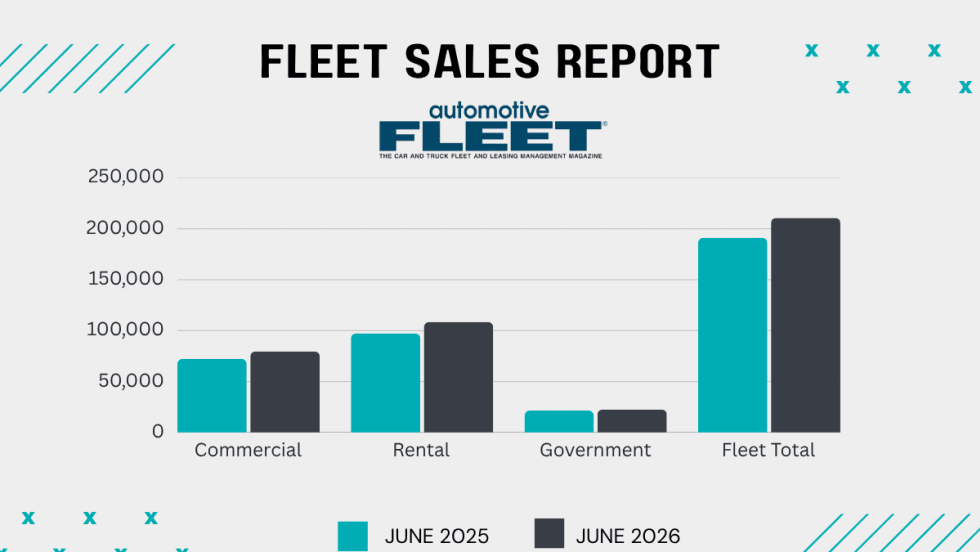
Commercial Fleet Sales Contribute To June, YTD Gains
The fleet sector has boosted its vehicle purchases at a reliable pace in the first half of this year compared with 1H 2025.
Read More →
Stop Remarketing Electric Vehicles Like Gas Cars
The advantages and attributes of electric vehicles are upending the traditional remarketing cycle, requiring fleet sellers to rely on new factors and approaches detailed below.
Read More →
AP Fleet Management Expands Remarketing Program for Commercial Work Trucks
AP Fleet Management expanded its commercial vehicle remarketing program with dedicated resale services and an online marketplace for used work trucks.
Read More →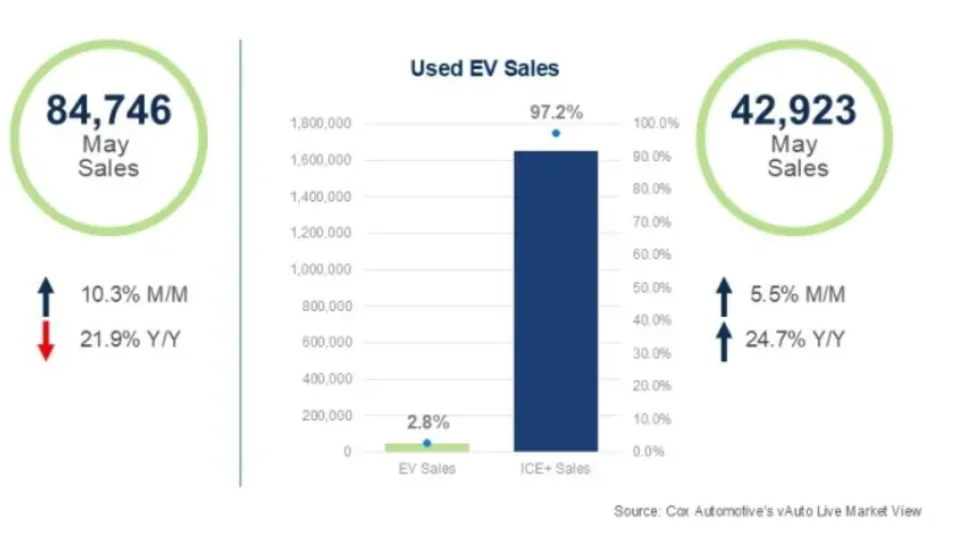
Used EVs Strengthen Overall Electric Vehicle Market
The latest sales data point to several reasons for the divergent trends in new and used EVs that can factor into fleet cycling decisions.
Read More →
The Data-Driven Haul: 5 Ways AI is Leveling the Playing Field in Auto Transport
Large and small transport fleets are becoming more competitive as predictive analytics and real-time data inform the logistics decision chain.
Read More →