



Smaller Used-Vehicle Supply Boosts Wholesale Prices in 2009
WASHINGTON - About 8 million fewer used cars and trucks entered the U.S. market over the past two years, resulting in higher used-vehicle prices every month in 2009.
WASHINGTON - About 8 million fewer used cars and trucks entered the U.S. market over the past two years, resulting in higher used-vehicle prices every month in 2009, according to the latest AuctionNet data of wholesale transaction prices.
AuctionNet is a joint partnership between the N.A.D.A. Official Used Car Guide and the National Auto Auction Association. “There were several reasons for the decline in used-vehicle inventory: Dramatically lower new-car sales in 2008, as well as fewer trade-ins, off-lease vehicles, and rental-fleet vehicles in 2009,” said Paul Taylor, National Automobile Dealers Association’s chief economist.
But Taylor notes the popular Cash for Clunkers incentive was not a reason for the increase in used-car prices month-over-month from January through November 2009. “The Cash for Clunkers program removed only 690,000 used vehicles from the marketplace, and these clunker vehicles were largely undesirable anyway. Even if these vehicles hadn’t been recycled under the program, their worth as trade-ins was modest,” he said.
With new-vehicle sales expected to increase some 15 percent in 2010, Taylor estimates an additional 1.1 million used-cars and trucks will be traded-in at new-car dealerships compared with 2009. “We’ll start to see an ease to the used-car shortage, but it will be several years before the supply returns to the average of the 1998-2007 period of strong new-car sales,” Taylor said.
“As 2010 gets underway, the short supply of used vehicles means a narrow spread between new- and used-car prices, so expect new-car sales to be a greater share of the sales mix, and certified and other used cars to be a relatively smaller share compared to the last decade.”
Before 2008, used cars were profitable every year since 1980. In 2008, dealerships saw on average a net loss of $5 per used vehicle retailed as gasoline prices first surged to $4.11 per gallon nationally, then fell to less than $2 per gallon later that year. “Because of whipsaw gasoline prices, used-car and new-car inventory were mismatched to consumer demand in 2008,” says Taylor. “Gas prices will be flat or inch up modestly as the economy recovers in 2010, suggesting a more stable mix of used-car and new-car demand.”
More Operations

FLD Promotes Three Executives in Leadership Changes
FLD has promoted three longtime executives, naming Gary Mott CEO, Richard Mallek president, and Ron Sanders managing partner.
Read More →
CAS Automotive Launches Remarketing Service for Damaged, Surplus Equipment
Damaged Equipment expands CAS Automotive’s vehicle remarketing model to commercial equipment, targeting fleet operators, insurers, equipment dealers, and rental companies.
Read More →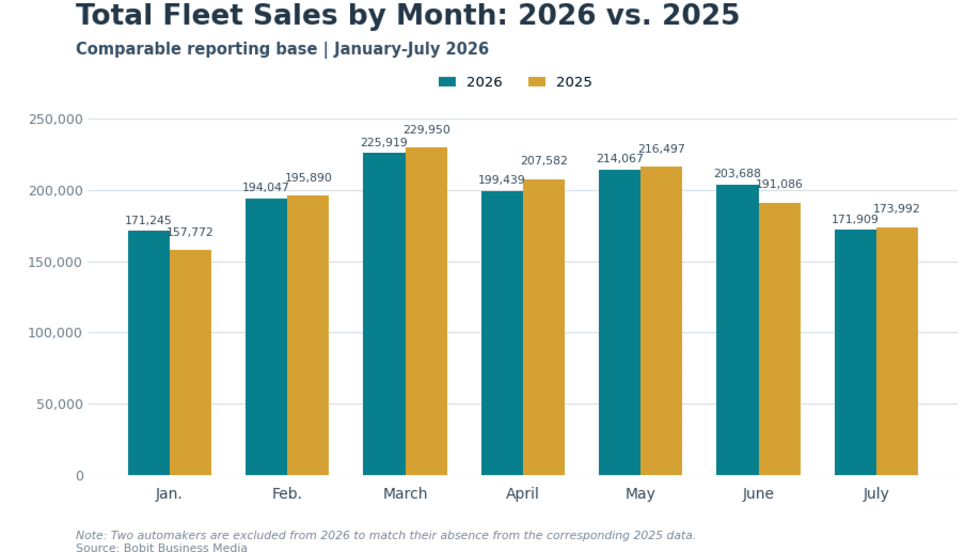
Fleet Sales Hold Steady as Commercial Gains Offset Rental Decline
Commercial and government fleet sales increased through July 2026, offsetting most of the decline in rental volume and leaving combined comparable fleet sales 0.5% above the same period last year.
Read More →
Personnel Update: BrickHouse GPS, PRO-VISION, Auto Driveaway, and Proaction
Check out the latest must-know fleet personnel updates from the last couple of months.
Read More →
What Comes Next for Auto Driveaway?
A new Auto Driveaway feature called Arrive provides recipients with live location updates and ETAs during the final hour of a vehicle move, while fleet customers continue to have end-to-end shipment visibility through the company's customer portal.
Read More →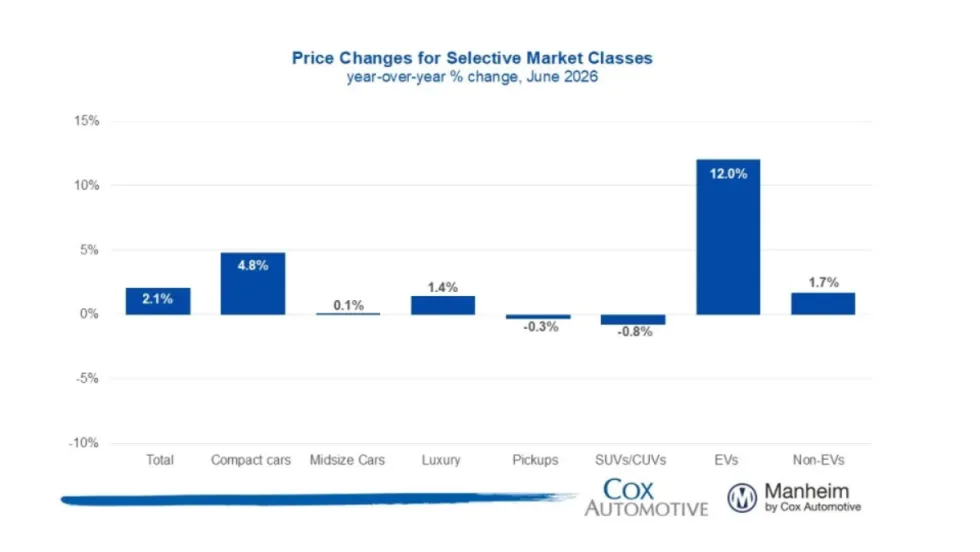
Manheim Index Shows Used-Vehicle Wholesale Prices Up 2.1% in June
The market is seeing stronger appreciation in older used vehicles this year, and the most affordable segments have been among the year’s best performers.
Read More →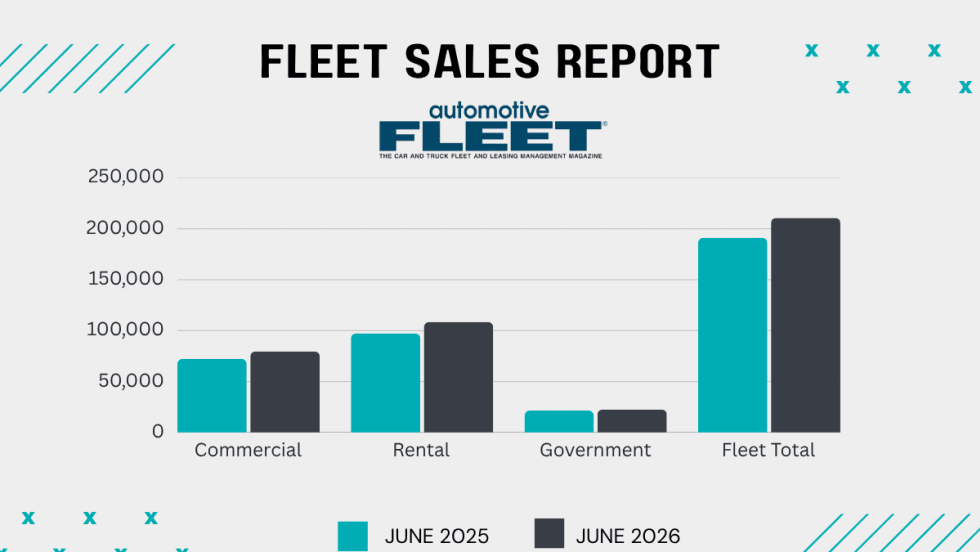
Commercial Fleet Sales Contribute To June, YTD Gains
The fleet sector has boosted its vehicle purchases at a reliable pace in the first half of this year compared with 1H 2025.
Read More →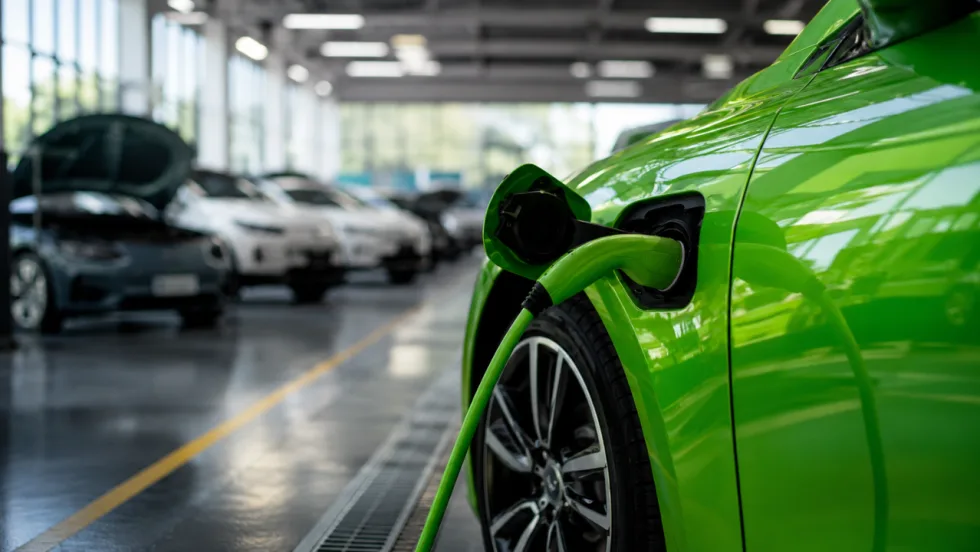
Stop Remarketing Electric Vehicles Like Gas Cars
The advantages and attributes of electric vehicles are upending the traditional remarketing cycle, requiring fleet sellers to rely on new factors and approaches detailed below.
Read More →
AP Fleet Management Expands Remarketing Program for Commercial Work Trucks
AP Fleet Management expanded its commercial vehicle remarketing program with dedicated resale services and an online marketplace for used work trucks.
Read More →
Used EVs Strengthen Overall Electric Vehicle Market
The latest sales data point to several reasons for the divergent trends in new and used EVs that can factor into fleet cycling decisions.
Read More →