



Results of Consumer Bankers Association 2007 Automobile Finance Study
ATLANTA– BenchMark Consulting International, a management consulting firm to the financial services industry, announced the results of the Consumer Bankers Association 2007 Automobile Finance Study. Conducted by BenchMark Consulting International for the Consumer Bankers Association (CBA), the study examines data on a multi-year basis for indirect lending, leasing and floorplan finance.
ATLANTA– BenchMark Consulting International, a management consulting firm to the financial services industry, announced the results of the Consumer Bankers Association 2007 Automobile Finance Study. Conducted by BenchMark Consulting International for the Consumer Bankers Association (CBA), the study examines data on a multi-year basis for indirect lending, leasing and floorplan finance.
The results point to contraction in the market. Overall, indirect lending portfolio dollars were down 7 percent, year-over-year, with large-class respondents reporting a 15-percent decrease in dollars since last year's study. All areas of origination – approval-to-application, booking-to-approval and booking-to-application – have been trending downward since last year's study, with 6-percent, 22-percent and 27-percent declines, respectively, in weighted averages.
The study shows that new-car-loan maturities longer than five years rose to 58 percent in 2006 (up 6 percent from last year) and account for the highest percentage of all term categories for new loans. Average new-loan maturities continue to trend upward for loans of more than 60 months, with the average maximum maturity for new car loans standing at 79 months at year-end.
Elaborating on the findings, BenchMark President Walter Cunningham said, "To a great extent competition on pricing and terms has driven this trend. However, negative-equity situations from prior extended terms, quicker movement to smaller cars and falling 'big' vehicle prices have also contributed to this pattern.”
The increase in longer-term loans poses some specific issues for financial institutions. "Our findings indicate that consumer behaviors such as slower repayment, longer negative equity and 'walking away from the loan' inevitably increase in this environment,” said Cunningham. "On the industry side, business is impacted by slower future vehicle sales, reduced future down payments, greater severity of loss on repossessions and lower overall credit standards.”
The results of the survey also showed a spike in indirect loans in the under-600 FICO score segment, with both new and used loans doubling in percentage by year-end 2006. "With the continued deterioration of subprime credit segments, a careful eye should be kept on this area of auto financing,” cautioned Cunningham.
Indeed, the study found a 16-percent increase in loan delinquency dollars for new vehicles and 18 percent for used vehicles. According to participants who provided such data, gross charge-off rates continued their three-year increase, with a 7-percent increase since the last study. Additionally, the study found 17 percent more applications were dealer-entered over year-end 2005. There was also a 17-percent increase in the number of respondents who allowed dealers to approve loans without initial intervention – which Cunningham noted may be a reflection of increased efficiencies and improved dealer-lender communications.
For more information about the 2007 CBA Automobile study results, contact Beth Riedemann at b-riedemann@benchmarkinternational.com.
More Operations

FLD Promotes Three Executives in Leadership Changes
FLD has promoted three longtime executives, naming Gary Mott CEO, Richard Mallek president, and Ron Sanders managing partner.
Read More →
CAS Automotive Launches Remarketing Service for Damaged, Surplus Equipment
Damaged Equipment expands CAS Automotive’s vehicle remarketing model to commercial equipment, targeting fleet operators, insurers, equipment dealers, and rental companies.
Read More →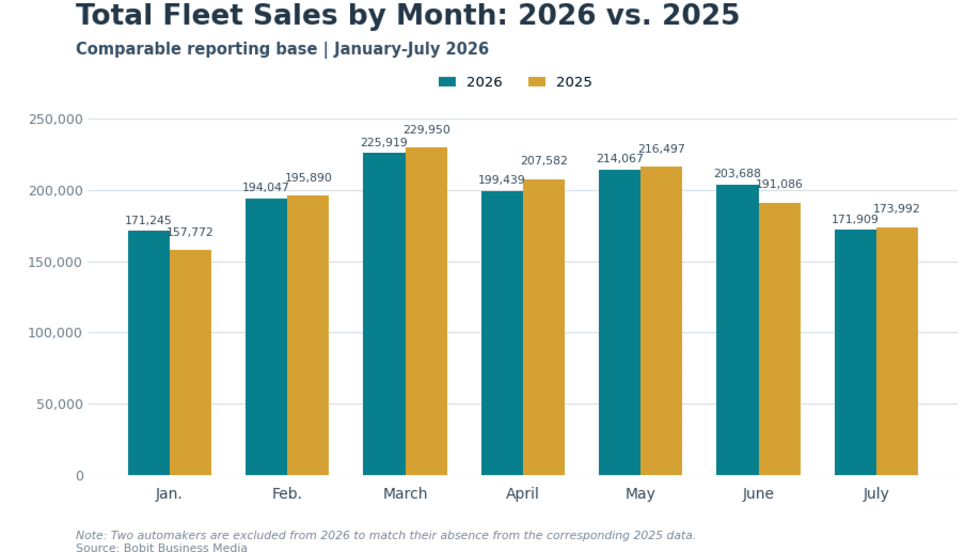
Fleet Sales Hold Steady as Commercial Gains Offset Rental Decline
Commercial and government fleet sales increased through July 2026, offsetting most of the decline in rental volume and leaving combined comparable fleet sales 0.5% above the same period last year.
Read More →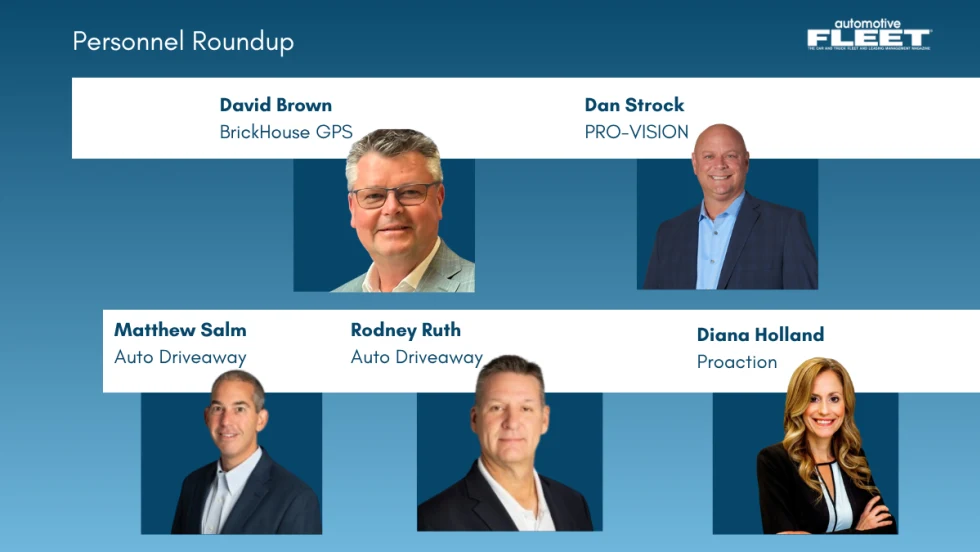
Personnel Update: BrickHouse GPS, PRO-VISION, Auto Driveaway, and Proaction
Check out the latest must-know fleet personnel updates from the last couple of months.
Read More →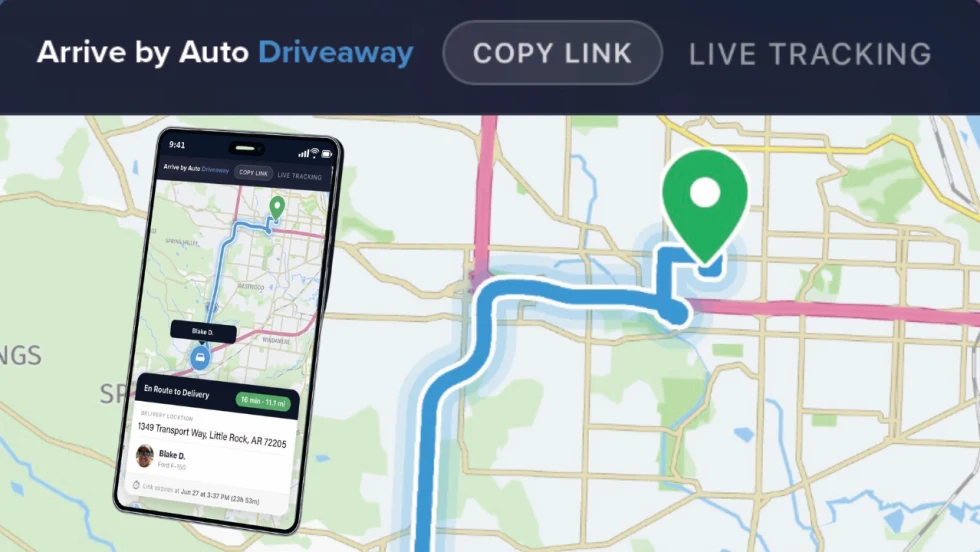
What Comes Next for Auto Driveaway?
A new Auto Driveaway feature called Arrive provides recipients with live location updates and ETAs during the final hour of a vehicle move, while fleet customers continue to have end-to-end shipment visibility through the company's customer portal.
Read More →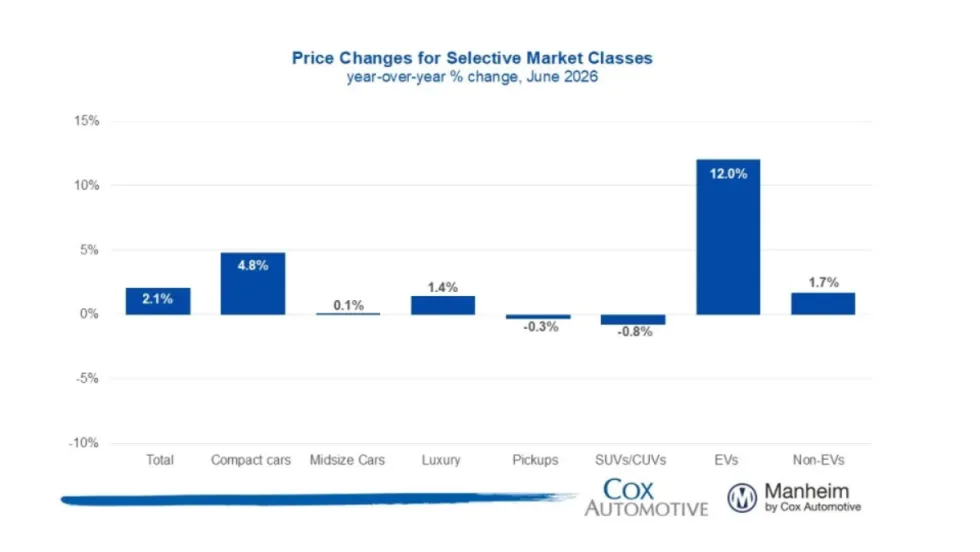
Manheim Index Shows Used-Vehicle Wholesale Prices Up 2.1% in June
The market is seeing stronger appreciation in older used vehicles this year, and the most affordable segments have been among the year’s best performers.
Read More →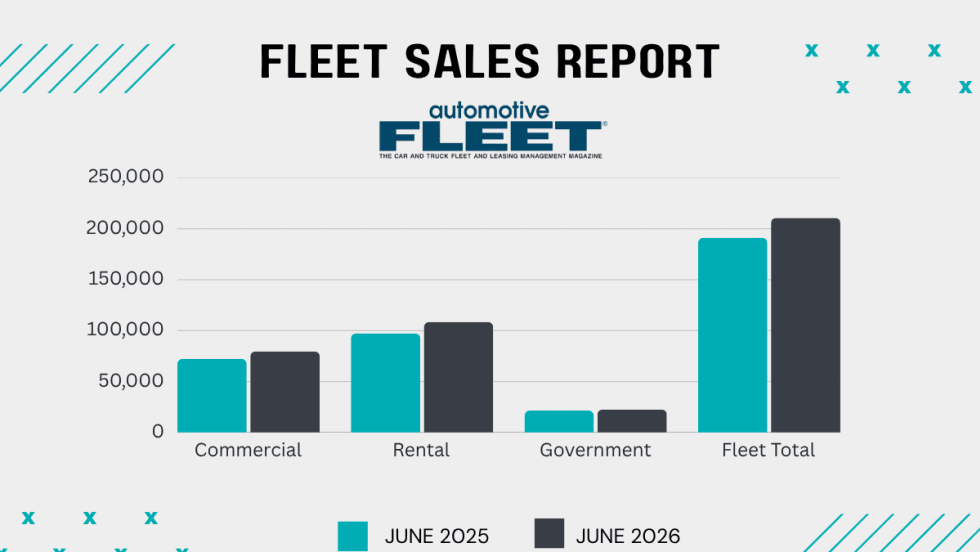
Commercial Fleet Sales Contribute To June, YTD Gains
The fleet sector has boosted its vehicle purchases at a reliable pace in the first half of this year compared with 1H 2025.
Read More →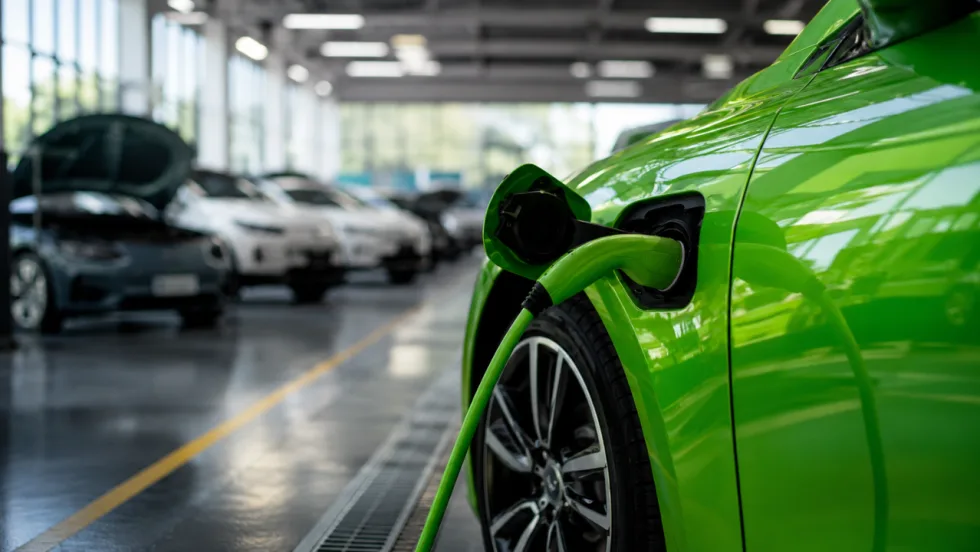
Stop Remarketing Electric Vehicles Like Gas Cars
The advantages and attributes of electric vehicles are upending the traditional remarketing cycle, requiring fleet sellers to rely on new factors and approaches detailed below.
Read More →
AP Fleet Management Expands Remarketing Program for Commercial Work Trucks
AP Fleet Management expanded its commercial vehicle remarketing program with dedicated resale services and an online marketplace for used work trucks.
Read More →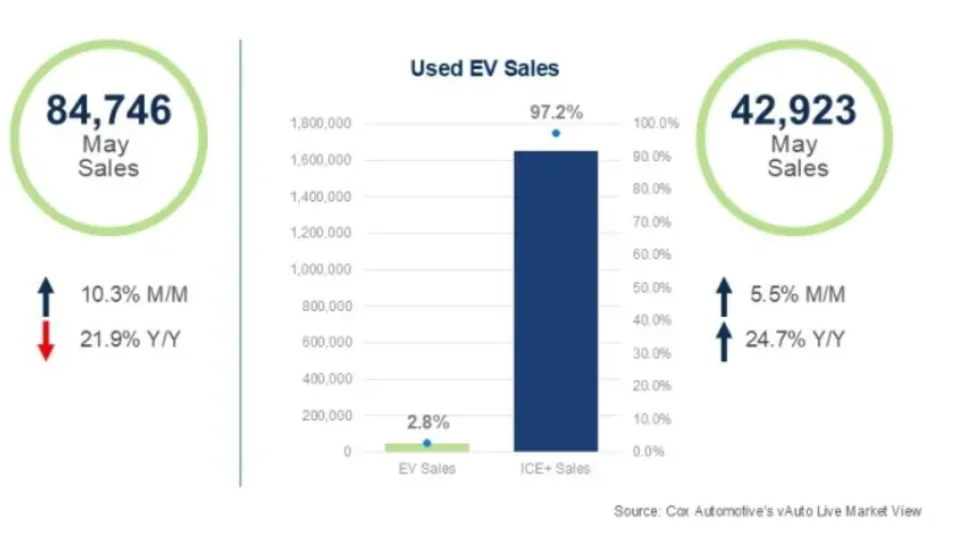
Used EVs Strengthen Overall Electric Vehicle Market
The latest sales data point to several reasons for the divergent trends in new and used EVs that can factor into fleet cycling decisions.
Read More →