



Recession and Gas Prices Impacting Used-Car Value Stability
IRVINE, CA – Used-vehicle values were flat through the month of October, depreciating 0.1 percent on average. While values have been steady for the past two months, most are considerably higher than they were this time last year.
IRVINE, CA – Used-vehicle values were flat through the month of October, depreciating 0.1 percent on average, according to Kelley Blue Book. While values have been steady for the past two months, most are considerably higher than they were this time last year. Values are up 8 percent on average, with some segments showing gains as high as 20 percent year-over-year.
The only exception is fuel-efficient vehicles, which are down between 5 and 10 percent since January. Even though consumer demand in the vehicle market is weak, a low supply of both new vehicles and used vehicles in consumer-ready condition helped to keep values stable. While the market is currently calm, several factors already are in place to shake things up, including the slow but steady rise in gas prices, increasing unemployment rates and the impact of pending lease returns at the end of the year. Gas prices have been steadily increasing so far this year, currently up more than $1 per gallon.
Additionally, the Energy Information Administration projects fuel prices to increase at least an additional 60 cents per gallon in 2010. Kelley Blue Book is predicting a national average close to $3.05 by January 2010. The prospect of these increases driving up fuel-efficient vehicle values corroborates with our own forecast for these segments. We anticipate appreciation in the range of 2 to 4 percent through the first half of 2010. This rise could lead to a shift in demand toward fuel-efficient vehicles, driving values upward and bringing about more instability in the lanes, especially given current supply constraints.
Values of gas-sipping vehicles have stabilized over the past two months due in part to rising gas prices, which have swayed consumers to revisit the idea of purchasing a less expensive, used alternative.
Additionally, when fuel prices dropped mid-year and consumers were flocking back to SUVs and large sedans, an over-correction was made in this segment by the market, forcing values down below realistic levels. Today’s appreciation rates should be seen as another market correction reflecting more accurate levels.
Even though the fuel-efficient segment dropped considerably throughout the year, with subcompact, compact, and hybrid car values down 9.4 percent, 5.9 percent, and 10.7 percent respectively, since January, most cars climbed moderately in the last month, with appreciation rates ranging between 0.1 and 0.8 percent.
Values for trucks are considerably higher than they were at this time last year with the most pronounced gains coming from full-size SUVs (26.8 percent), full-size trucks (21.0 percent) and full-size crossovers (16.1 percent). Appreciation has been so strong for these vehicles that when examining two-year-old vehicles in these segments in terms of retained value, as a percentage of original MSRP, they all outperform the market average of 67 percent. Full-size crossovers (76.3 percent), full-size SUVs (75 percent) and full-size pickup trucks (68 percent) have held their values better than almost all other segments in 2009.
This isn’t wholly unexpected, notes Kelley Blue Book, considering these segments were hit the hardest when gas prices approached $4 per gallon last year. Trucks and SUVs were penalized severely this time last year, with some vehicles losing a majority of their value in just a few short weeks. The gains we are seeing today are a correction bringing these values back in line with the market.
Since these vehicles are typically expensive and deliver less than ideal fuel economy, the strength in these segments may be difficult to maintain moving forward. Through the first half of 2010 our forecast indicates an expected depreciation in the range of 2 to 5 percent for these vehicles. One trend that could help offset future depreciation in these segments is the shift in production by manufacturers from full-size trucks and SUVs to producing more compact crossovers and cars. This could keep the supply of these vehicles relatively low, helping to counteract the implications of rising fuel prices and falling consumer demand.
With people out of work or not working as much as they’d like, families are trying to reduce spending wherever possible, and this slow in spending has hit the auto industry in various ways. One outcome Kelley Blue Book is seeing is that consumers are holding onto vehicles longer, staying away from short-term leases, and if they absolutely must buy a car, they are looking more and more at used cars. In a recent Kelley Blue Book Market Intelligence study, more than half of car shoppers surveyed said they intend to keep their next vehicle for six years or longer. There also have been reports of consumers foregoing auto repairs and pocketing the insurance money resulting from auto insurance claims, just to keep the lights on and dinner on the table.
In addition to lack of demand in the new-car market and unexpected demand in the used market, a lack of trade-ins coupled with reduced sales to fleet companies also has had somewhat of a negative impact on used-vehicle supply. The shortage at auction has even led some dealers to scour eBay and Craigslist in order to supplement their used-vehicle inventory via private party listings.
Values have been relatively stable over the past several months, but the current stability in the marketplace is highly dependent on current supply and demand conditions. Any number of factors could play a significant role in altering this dynamic, which could once again lead to volatility in the marketplace.
More Operations

FLD Promotes Three Executives in Leadership Changes
FLD has promoted three longtime executives, naming Gary Mott CEO, Richard Mallek president, and Ron Sanders managing partner.
Read More →
CAS Automotive Launches Remarketing Service for Damaged, Surplus Equipment
Damaged Equipment expands CAS Automotive’s vehicle remarketing model to commercial equipment, targeting fleet operators, insurers, equipment dealers, and rental companies.
Read More →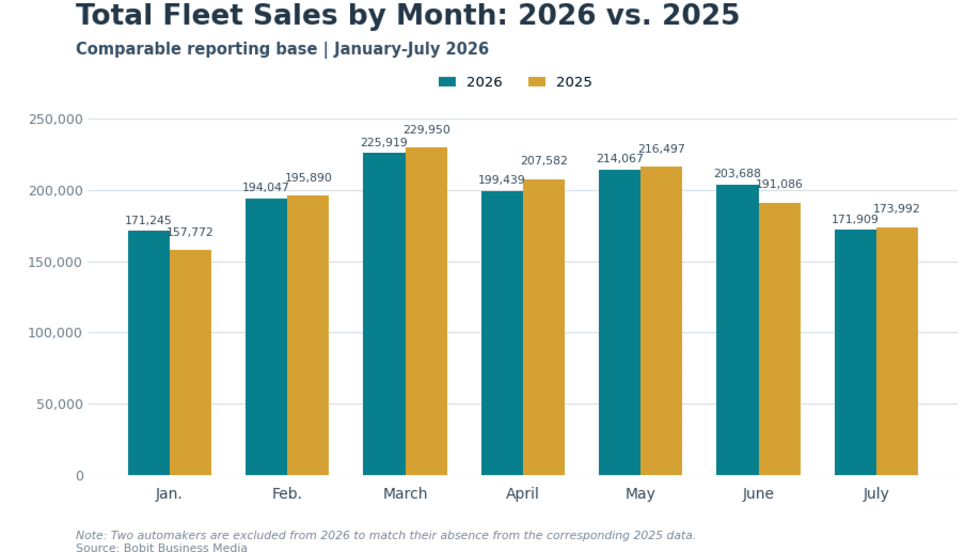
Fleet Sales Hold Steady as Commercial Gains Offset Rental Decline
Commercial and government fleet sales increased through July 2026, offsetting most of the decline in rental volume and leaving combined comparable fleet sales 0.5% above the same period last year.
Read More →
Personnel Update: BrickHouse GPS, PRO-VISION, Auto Driveaway, and Proaction
Check out the latest must-know fleet personnel updates from the last couple of months.
Read More →
What Comes Next for Auto Driveaway?
A new Auto Driveaway feature called Arrive provides recipients with live location updates and ETAs during the final hour of a vehicle move, while fleet customers continue to have end-to-end shipment visibility through the company's customer portal.
Read More →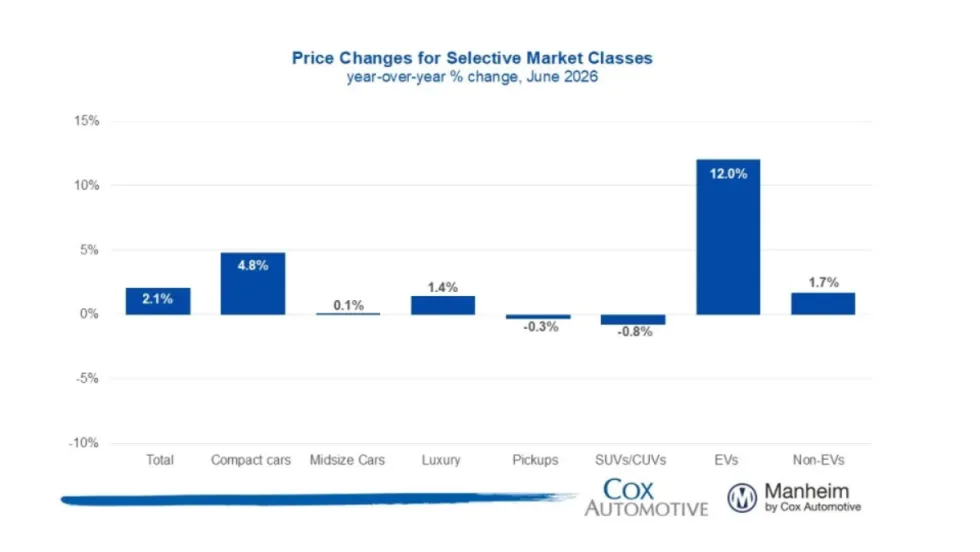
Manheim Index Shows Used-Vehicle Wholesale Prices Up 2.1% in June
The market is seeing stronger appreciation in older used vehicles this year, and the most affordable segments have been among the year’s best performers.
Read More →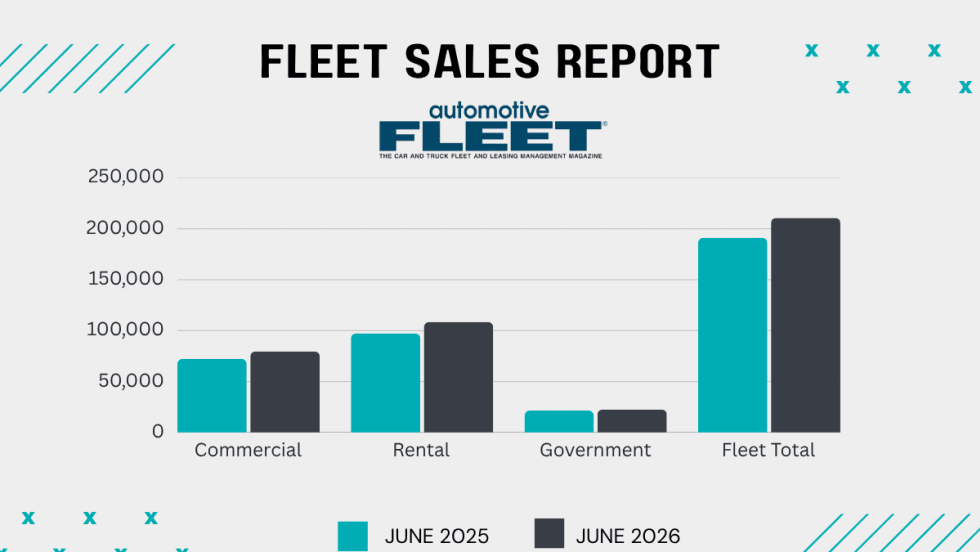
Commercial Fleet Sales Contribute To June, YTD Gains
The fleet sector has boosted its vehicle purchases at a reliable pace in the first half of this year compared with 1H 2025.
Read More →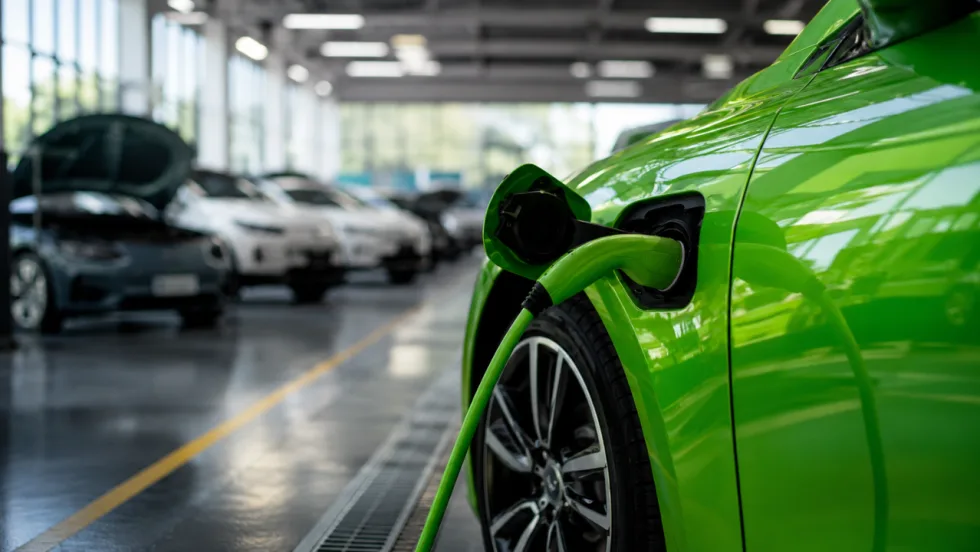
Stop Remarketing Electric Vehicles Like Gas Cars
The advantages and attributes of electric vehicles are upending the traditional remarketing cycle, requiring fleet sellers to rely on new factors and approaches detailed below.
Read More →
AP Fleet Management Expands Remarketing Program for Commercial Work Trucks
AP Fleet Management expanded its commercial vehicle remarketing program with dedicated resale services and an online marketplace for used work trucks.
Read More →
Used EVs Strengthen Overall Electric Vehicle Market
The latest sales data point to several reasons for the divergent trends in new and used EVs that can factor into fleet cycling decisions.
Read More →