



Quarterly Depreciation Increases But Recent Market Shows Improvement
GAINESVILLE, GA - The Black Book Three Month Rolling Average market trend report, which tracks the values of two year old (2006 MY) vehicles, indicates that trucks, vans, and SUVs continue to depreciate at higher-than-normal rates.
GAINESVILLE, GA - The Black Book Three Month Rolling Average market trend report, which tracks the values of two year old (2006 MY) vehicles, indicates that trucks, vans, and SUVs continue to depreciate at higher-than-normal rates.
During the past three-month analysis period, May 1 through July 31, domestic trucks, vans, and SUVs have fallen -14.39 percent, while their imported counterparts dropped -12.41 percent.
Domestic and imported cars continue to fare better, with depreciation rates at a modest -4.18 percent and -4.2 percent respectively. From an absolute dollar perspective, the overall truck market declined almost $2300 per vehicle, while cars depreciated much less, at just over $725 per vehicle.
Ricky Beggs, vice president and managing editor, said, “For the most recent three-month period, these levels of depreciation are slightly greater than the previous three month period that ended on Jun. 30. However, in the last 30 days of the current analysis period, the truck segments depreciated at a much lower rate of -4.86 percent, while the cars fell -1.84 percent. These levels are direct reflections of the market trends that began the first part of the year.”
Beggs added, “Fortunately for the overall market, there are a few full size SUVs and trucks that have had improved auction activity and whose values have increased in the past couple of weeks and are reflected in the most recent published data from Black Book. The recent slight decreases in gas prices, along with correcting some of the extreme over reaction witnessed on the auction lanes since the early spring, are driving the better values.”
Looking at individual vehicle segments for yearly, quarterly and monthly periods, the ones that are continuing to show stronger retention are the smaller, more economical cars. For the past year, the top five best-performing segments include entry-level cars, entry mid-size cars, compact cars, upper mid-size cars, and compact pickups. During the past quarter, four of the five segments that led in the yearly analysis also held the top spots, with the lone exception of sporty cars replacing the compact pickups. For the most recent month, the original leaders for the year achieved top rankings again.
Those segments that are showing the greatest depreciation for yearly, quarterly, and monthly periods include full-size SUVs, full-size pickups, luxury SUVs, mid-size SUVs, and prestige luxury cars, followed closely by full-size vans. Quarterly, the biggest decliners included full-size SUVs, full-size pickups, luxury SUVs, mid-size SUVs, and full-size vans. The most recent monthly results did not include full-size pickups, which were replaced by the minivan segment.
During the past quarter, three vehicle segments, entry level car, compact car, and entry mid-size car, actually went up in value, and one segment, sporty car, depreciated less than $150 per month. On the other extreme, six segments depreciated more than $750 per month during the quarter, including luxury SUVs, full-size pickups, prestige luxury cars, premium sporty cars, and mid-size SUVs.
“Even though some of the segments’ levels of depreciation were greater than ‘normal,’ we have seen pieces of the market showing signs of improvement and stabilization. We feel this is a reflection of the dealers and consumers realizing that prices had dropped to levels of affordability, and that gas prices were not likely to go to $5 or $6 per gallon, at least for the near future,” Beggs said.
More Operations

FLD Promotes Three Executives in Leadership Changes
FLD has promoted three longtime executives, naming Gary Mott CEO, Richard Mallek president, and Ron Sanders managing partner.
Read More →
CAS Automotive Launches Remarketing Service for Damaged, Surplus Equipment
Damaged Equipment expands CAS Automotive’s vehicle remarketing model to commercial equipment, targeting fleet operators, insurers, equipment dealers, and rental companies.
Read More →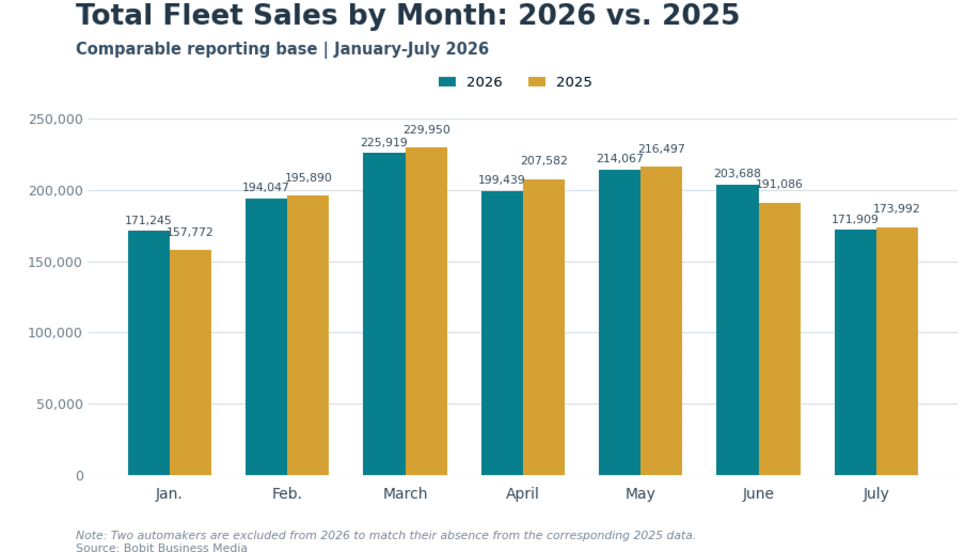
Fleet Sales Hold Steady as Commercial Gains Offset Rental Decline
Commercial and government fleet sales increased through July 2026, offsetting most of the decline in rental volume and leaving combined comparable fleet sales 0.5% above the same period last year.
Read More →
Personnel Update: BrickHouse GPS, PRO-VISION, Auto Driveaway, and Proaction
Check out the latest must-know fleet personnel updates from the last couple of months.
Read More →
What Comes Next for Auto Driveaway?
A new Auto Driveaway feature called Arrive provides recipients with live location updates and ETAs during the final hour of a vehicle move, while fleet customers continue to have end-to-end shipment visibility through the company's customer portal.
Read More →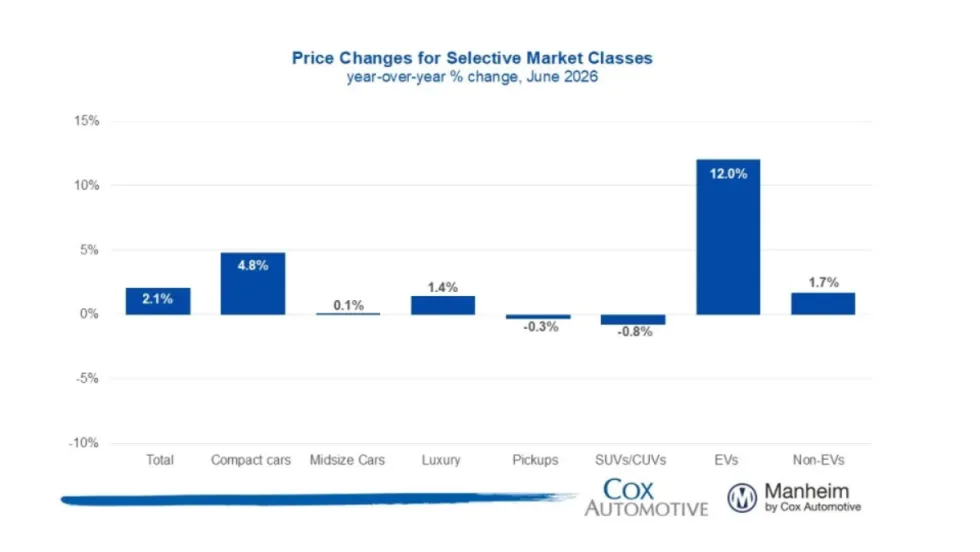
Manheim Index Shows Used-Vehicle Wholesale Prices Up 2.1% in June
The market is seeing stronger appreciation in older used vehicles this year, and the most affordable segments have been among the year’s best performers.
Read More →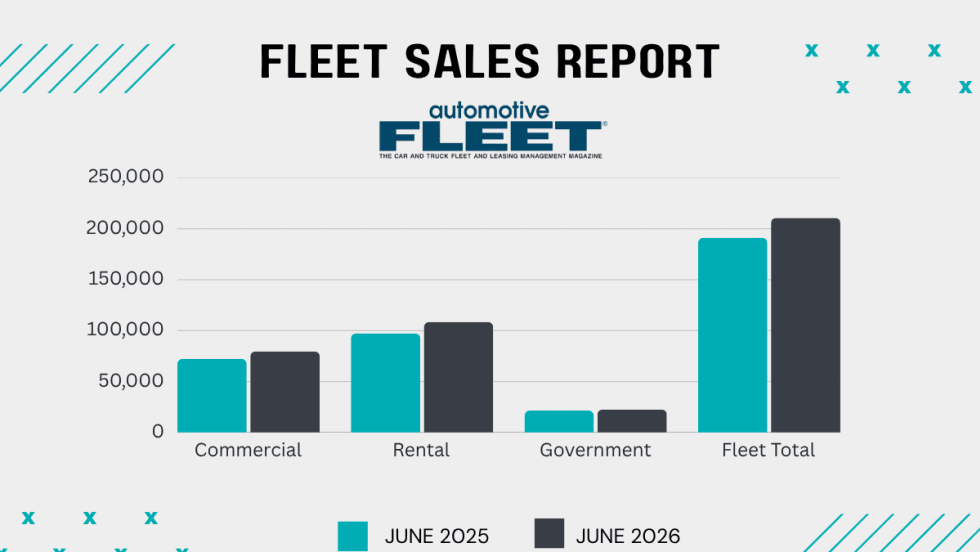
Commercial Fleet Sales Contribute To June, YTD Gains
The fleet sector has boosted its vehicle purchases at a reliable pace in the first half of this year compared with 1H 2025.
Read More →
Stop Remarketing Electric Vehicles Like Gas Cars
The advantages and attributes of electric vehicles are upending the traditional remarketing cycle, requiring fleet sellers to rely on new factors and approaches detailed below.
Read More →
AP Fleet Management Expands Remarketing Program for Commercial Work Trucks
AP Fleet Management expanded its commercial vehicle remarketing program with dedicated resale services and an online marketplace for used work trucks.
Read More →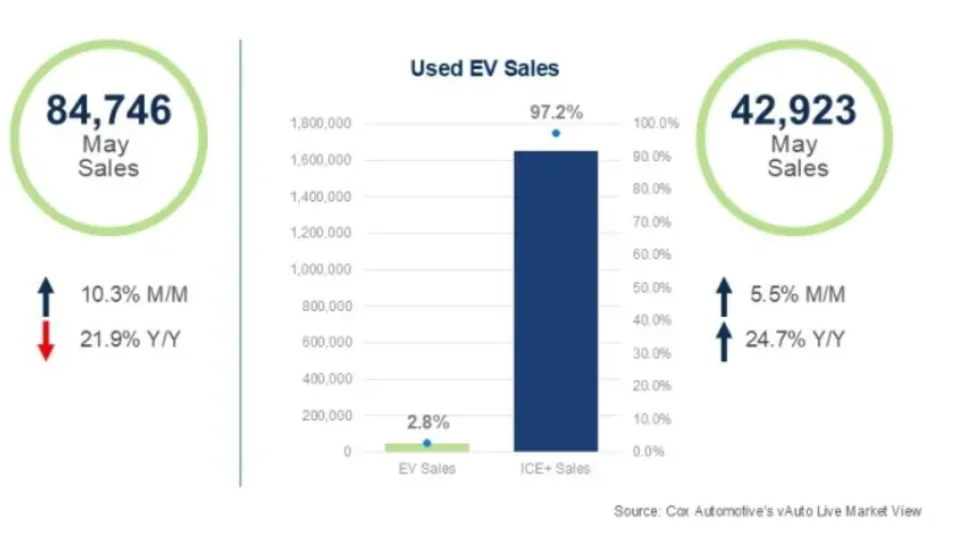
Used EVs Strengthen Overall Electric Vehicle Market
The latest sales data point to several reasons for the divergent trends in new and used EVs that can factor into fleet cycling decisions.
Read More →