



Related article: EV Sales Jump 81% in 1Q
Pipeline Shutdown Spurs Interest In Electric Vehicles
Half of consumers indicated they were suddenly more interested in EVs and 36% were more likely to buy one in the future.
by Cox Automotive
June 3, 2021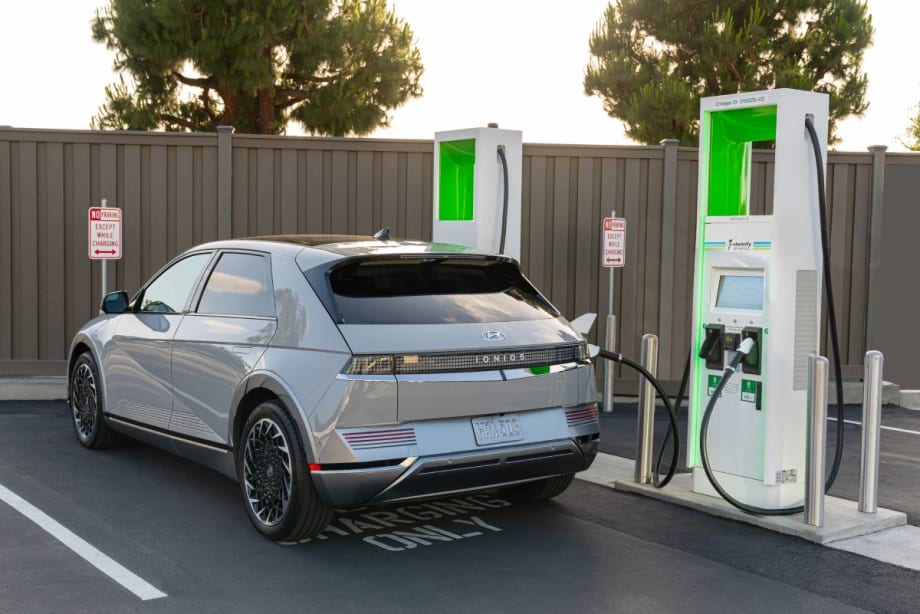
Shifting economic factors and conditions, along with an increase in EV offerings, will make EVs more top of mind for consumers moving forward.
Photo: Hyundai
2 min to read
Early in May the owner and operator of the Colonial Pipeline, among the biggest fuel lines in the U.S., was hit by a ransomware attack. The ensuing trouble, which forced the company to shut down the line for five days in May, was well documented. Gas stations in the Southeast quickly ran out of fuel, lines began to form, and fuel prices nationwide moved upward.
In Cox Automotive’s hometown of Atlanta, the problems were immediate and hard to miss. A snapshot research project by our Market Research & Intelligence team found that 58% of consumers in the Southeast witnessed local gas stations running of fuel and 63% observed unusually long lines at the local station; 92% saw higher prices at the pump.
The fuel shortage and higher prices – if only for a week – was good news for electric vehicles. When considering the gas shortage, 50% of consumers indicated they were suddenly more interested in EVs, and 36% were more likely to purchase an EV in the future.
The Colonial Pipeline shutdown was a short spell, but it provided an important reminder for the auto industry: Consumer interest in automobiles is heavily influence by market conditions. It is also fleeting.
In the late 2008, the national price for a gallon of gas rose above $4.00 and consumer demand for fuel efficient transportation skyrocketed. Ford Motor Company, at the time, was busy balancing its vehicle lineup with fuel efficient new vehicles based on their best from Europe — including the compact Focus and subcompact Fiesta. GM launched the popular and efficient Chevy Cruze in 2011 and the small Dodge Dart came out the following year. By 2019, after years of $2 gas, all four models were on the way out, cancelled due to slow sales.
“Consumer interest in EVs is still relatively low in the U.S., but shifting economic factors and conditions, along with an increase in EV offerings, will make EVs more top of mind for consumers moving forward,” noted Vanessa Ton, senior industry intelligence manager at Kelley Blue Book, a Cox Automotive company.
As the attack on the Colonial Pipeline clearly demonstrates, consumer interest can change quickly, particularly when time and money are involved.
Originally posted on Charged Fleet
More Fleet

Acertus Acquires Fisher Shipping, CEO to Join Acertus
Fisher Shipping will retain its brand and team, while its customers gain access to Acertus’ transportation, storage, vehicle care, and title and registration services.
Read More →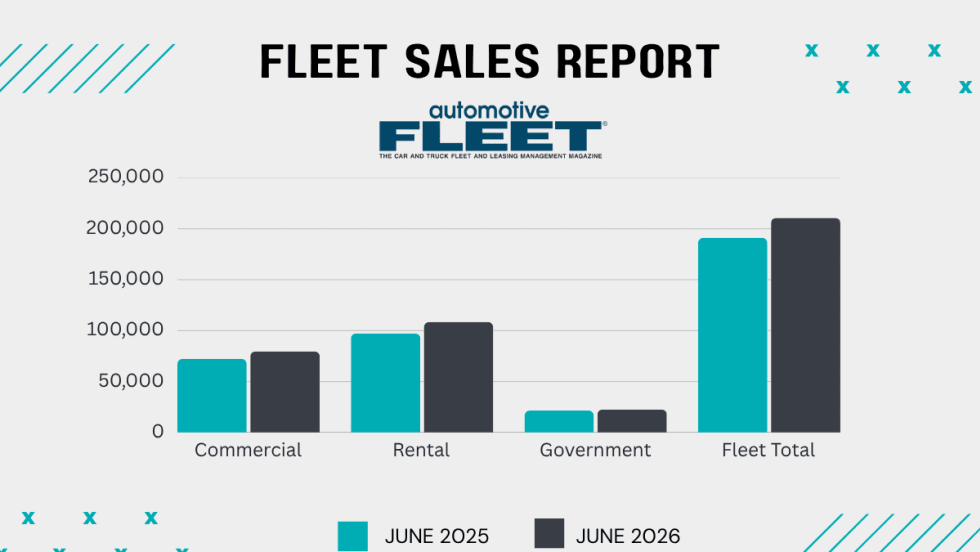
Commercial Fleet Sales Contribute To June, YTD Gains
The fleet sector has boosted its vehicle purchases at a reliable pace in the first half of this year compared with 1H 2025.
Read More →
Registration Opens for 2026 Fleet Forward Conference
Held on the East Coast for the first time, the Washington, D.C.-area event features expert-led education, a new IIHS Crash Test Experience, and collocation with the NAFA’s Fleet Safety Symposium.
Read More →
AP Fleet Management Expands Remarketing Program for Commercial Work Trucks
AP Fleet Management expanded its commercial vehicle remarketing program with dedicated resale services and an online marketplace for used work trucks.
Read More →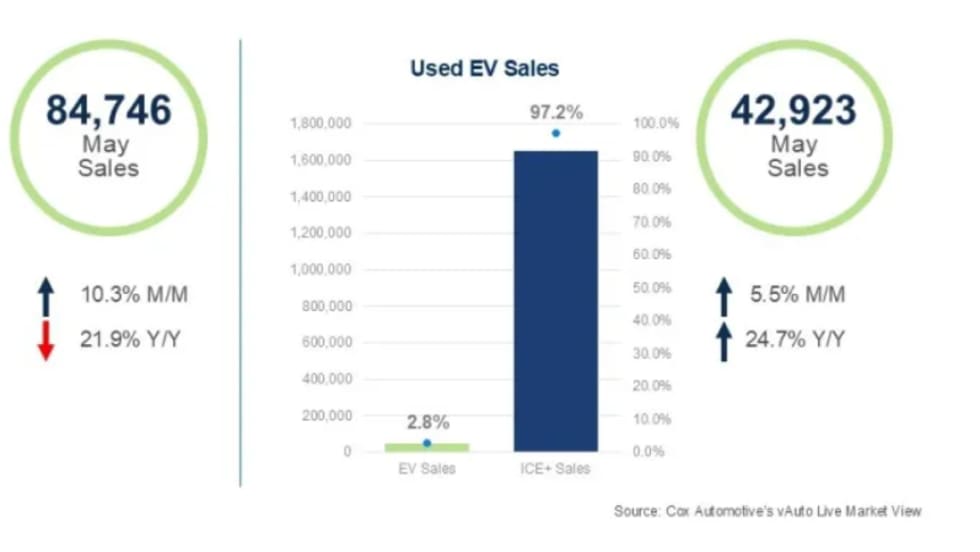
Used EVs Strengthen Overall Electric Vehicle Market
The latest sales data point to several reasons for the divergent trends in new and used EVs that can factor into fleet cycling decisions.
Read More →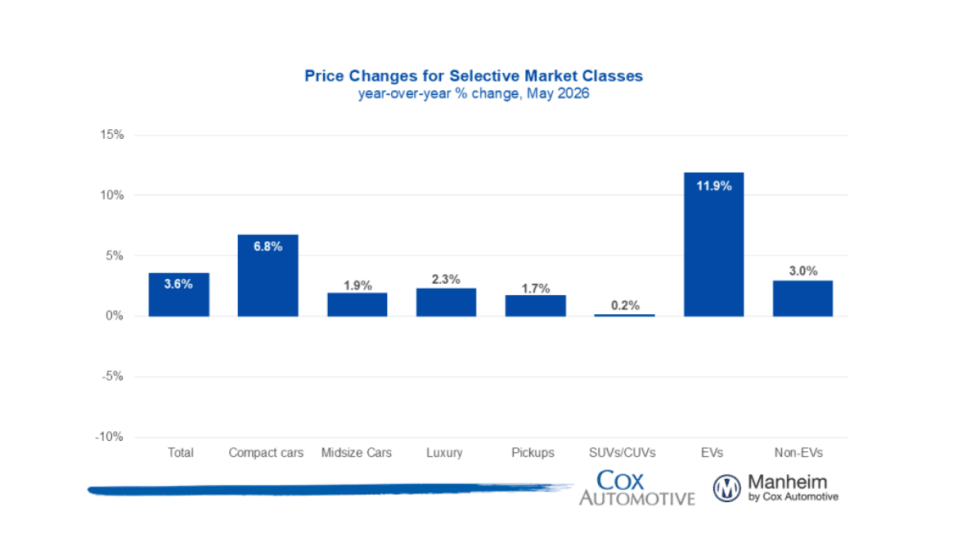
Wholesale Used Vehicle Market Sustains Moderate Rise In Values, Prices
Trends continue to normalize after a strong start to the year, as consumers contend with higher gas prices in the coming summer months.
Read More →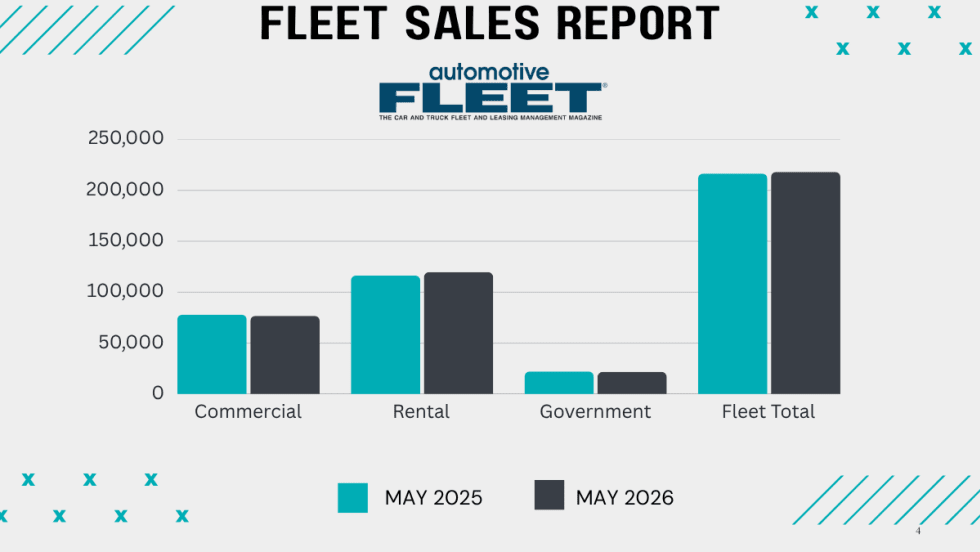
Commercial Fleet Sales Still Lead Sectors Despite May Mini Dip
The U.S. economy's continued growth and positive business investment are creating a favorable environment for fleet vehicle demand.
Read More →
The Data-Driven Haul: 5 Ways AI is Leveling the Playing Field in Auto Transport
Large and small transport fleets are becoming more competitive as predictive analytics and real-time data inform the logistics decision chain.
Read More →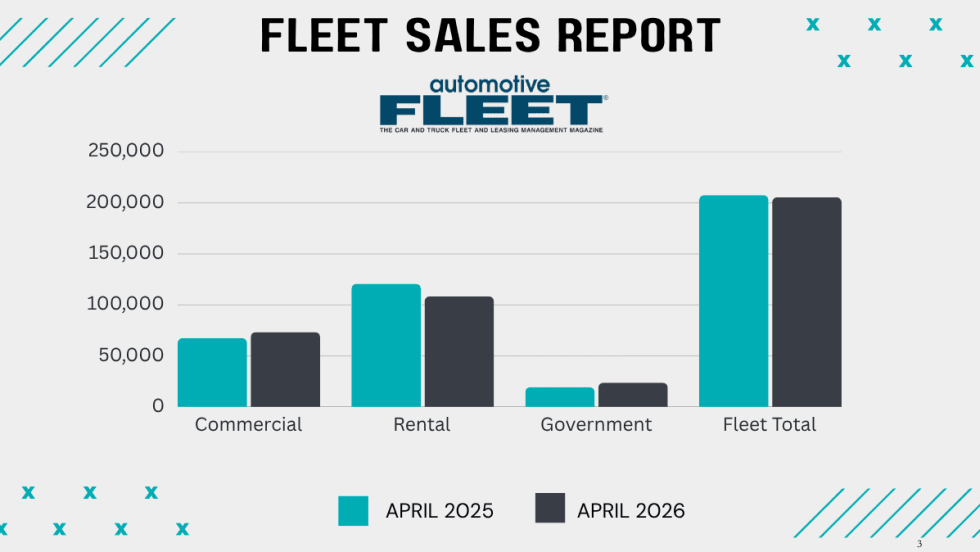
Commercial Fleet Sales Show Healthy Gains
So far, the fleet sector is outshining government and rental fleet sales this year as economic growth spurs more business investment.
Read More →
CAR 2026 Recap Part 2: Closing the Gap Between Data & Remarketing Value
The second half of CAR 2026 examined how fleets can translate lifecycle strategy, vehicle data, and market shifts into higher real-world results.
Read More →