



Pickup Truck Auction Values Finish 2016 Strong
Analysts at Kelley Blue Book reported that average values for one- to three-year-old pickup trucks have remained strong as a result of high demand at auction, despite fuel prices peaking in December 2016.
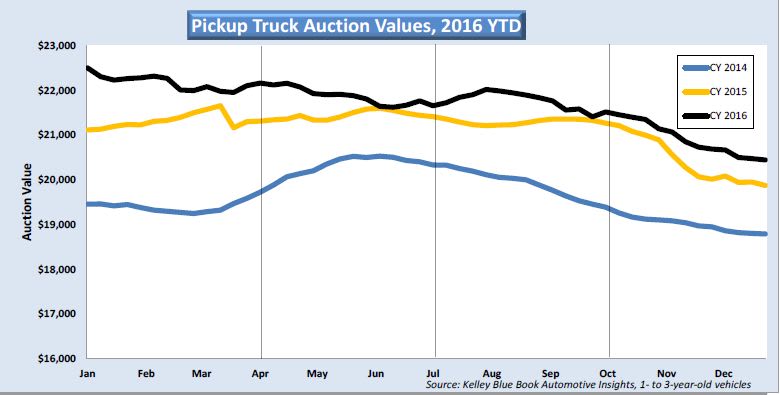
Auction values for one- to three-year-old vehicles fell a substantial 6.8%, or $1,146 per unit, in the fourth quarter of 2016.
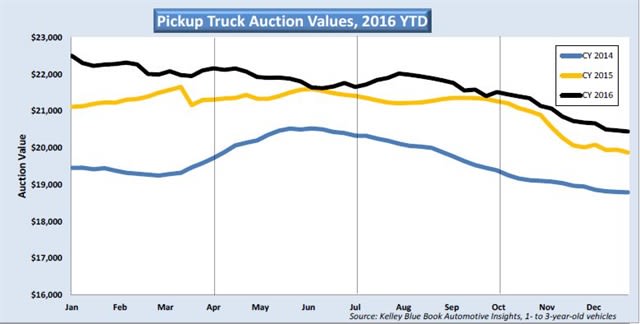
Auction values for one- to three-year-old vehicles fell a substantial 6.8%, or $1,146 per unit, in the fourth quarter of 2016.
Analysts at Kelley Blue Book (KBB) reported that average values for one- to three-year-old pickup trucks have remained strong as a result of high demand at auction, despite fuel prices peaking in December 2016. This information was covered in the company's Blue Book Market Report for the fourth quarter of 2016.

Foyil
"Historically, fuel prices and pickup truck segments have maintained an inverse relationship," said Sean Foyil, analyst for KBB. "As fuel prices increase, demand for trucks tends to decline. While pickups continued to see exceptionally high demand throughout 2016, despite a 10% increase in December in the average cost of fuel, 2017 could turn out to be a tough year for trucks as fuel prices are expected to continue increasing through the first quarter."
In addition to rising fuel costs and previously announced increased oil production cuts from the Organization of the Petroleum Exporting Countries (OPEC), potential interest rate hikes in 2017 may impact housing construction, which could lead to a decrease in orders of full-size pickups used in construction. Furthermore, auction supply from off-lease vehicle returns is expected to continue growing for the foreseeable future. As such, the pickup truck segments may face a more challenging year in 2017, according to KBB.
Overall, auction values for one- to three-year-old vehicles were down more than 15% for 2016. In just the fourth quarter, values fell a substantial 6.8% (or $1,146) per unit.
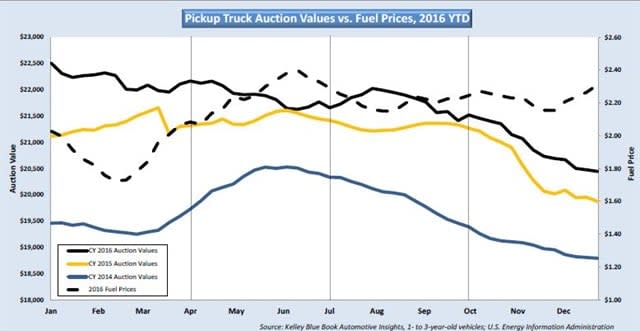
The chart on pickup truck auction values vs. fuel prices shows the impact lower fuel costs have on vehicle values. (Source: KBB)
Demand for pickup trucks has been exceptionally strong this year as fuel prices averaged $2.14 per gallon, according to KBB. Partially responsible for such demand are relatively new entrants into the mid-size pickup truck segment, such as the Chevrolet Colorado and GMC Canyon, which are both all-new for model-year 2015, along with a completely redesigned Toyota Tacoma for model-year 2016.
The full-size segment has also drawn more attention with such upgraded models as a new generation Nissan Titan for model-year 2016 and a new generation Ford F-150 for model-year 2015.
According to Kelley Blue Book, the top five performing full-size pickups in 2016 (one- to three-year-old vehicles) were:
Nissan Titan: -2% (-$498)
Toyota Tundra: -8% (-$1,802)
Chevrolet Silverado 1500: -9% (-$1,881)
Ram 1500: -11% (-$2,032)
Ford F-150: -11% (-$2,083)
According to Kelley Blue Book, the top five performing mid-size pickups in 2016 (one- to three-year-old vehicles) were:
GMC Canyon: 0% ($21)
Chevrolet Colorado: -4% (-$903)
Toyota Tacoma: -7% (-$1,600)
Nissan Frontier: -9% (-$1,390)
Honda Ridgeline: -20% (-$4,745)
Originally posted on Automotive Fleet
More Operations

CAS Automotive Launches Remarketing Service for Damaged, Surplus Equipment
Damaged Equipment expands CAS Automotive’s vehicle remarketing model to commercial equipment, targeting fleet operators, insurers, equipment dealers, and rental companies.
Read More →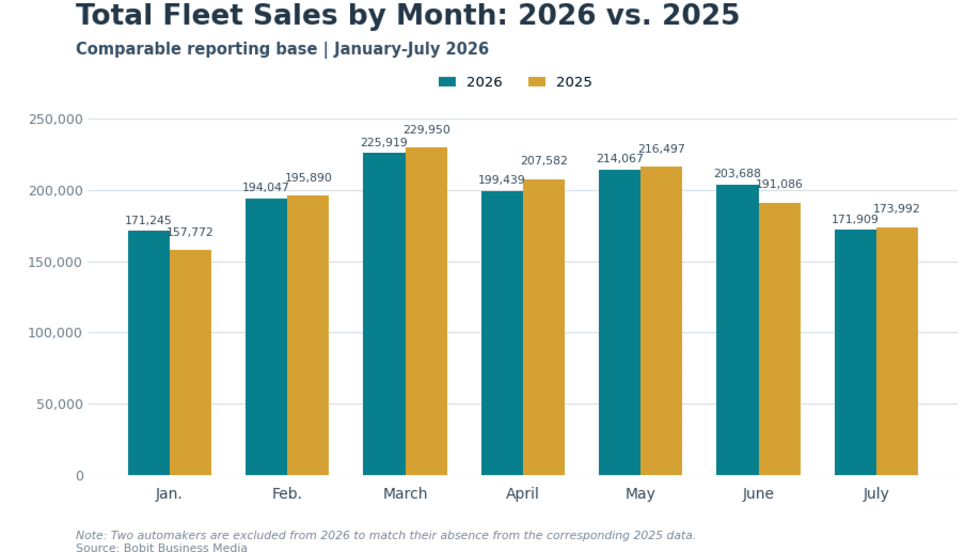
Fleet Sales Hold Steady as Commercial Gains Offset Rental Decline
Commercial and government fleet sales increased through July 2026, offsetting most of the decline in rental volume and leaving combined comparable fleet sales 0.5% above the same period last year.
Read More →
Personnel Update: BrickHouse GPS, PRO-VISION, Auto Driveaway, and Proaction
Check out the latest must-know fleet personnel updates from the last couple of months.
Read More →
What Comes Next for Auto Driveaway?
A new Auto Driveaway feature called Arrive provides recipients with live location updates and ETAs during the final hour of a vehicle move, while fleet customers continue to have end-to-end shipment visibility through the company's customer portal.
Read More →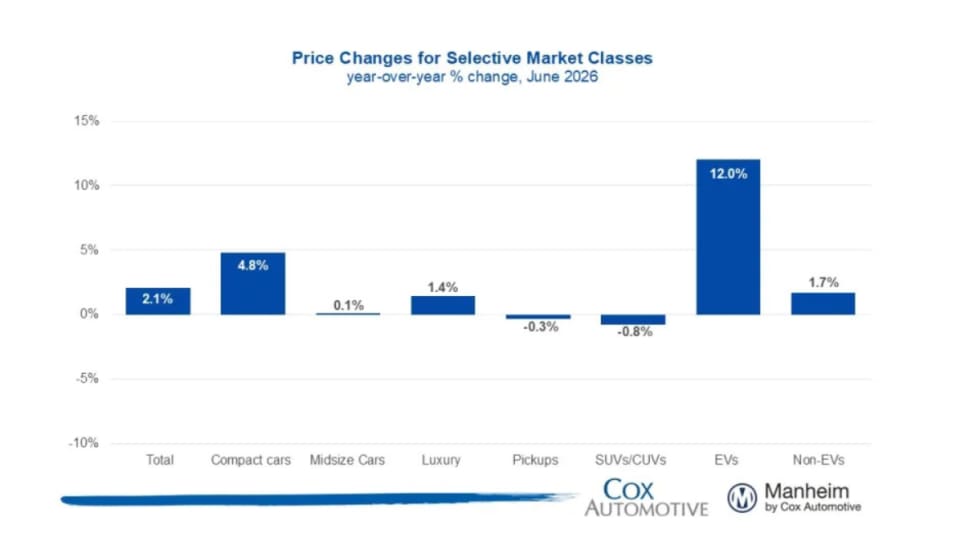
Manheim Index Shows Used-Vehicle Wholesale Prices Up 2.1% in June
The market is seeing stronger appreciation in older used vehicles this year, and the most affordable segments have been among the year’s best performers.
Read More →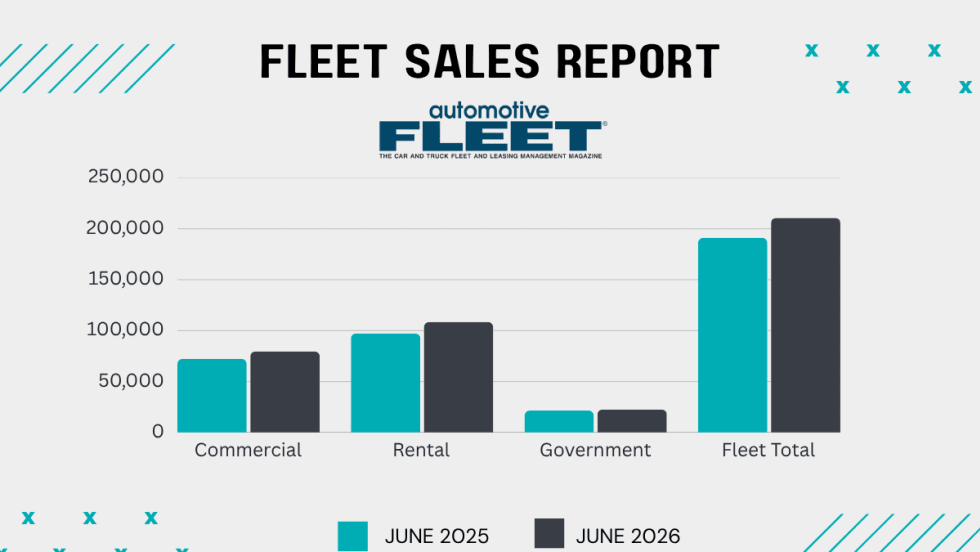
Commercial Fleet Sales Contribute To June, YTD Gains
The fleet sector has boosted its vehicle purchases at a reliable pace in the first half of this year compared with 1H 2025.
Read More →
Stop Remarketing Electric Vehicles Like Gas Cars
The advantages and attributes of electric vehicles are upending the traditional remarketing cycle, requiring fleet sellers to rely on new factors and approaches detailed below.
Read More →
AP Fleet Management Expands Remarketing Program for Commercial Work Trucks
AP Fleet Management expanded its commercial vehicle remarketing program with dedicated resale services and an online marketplace for used work trucks.
Read More →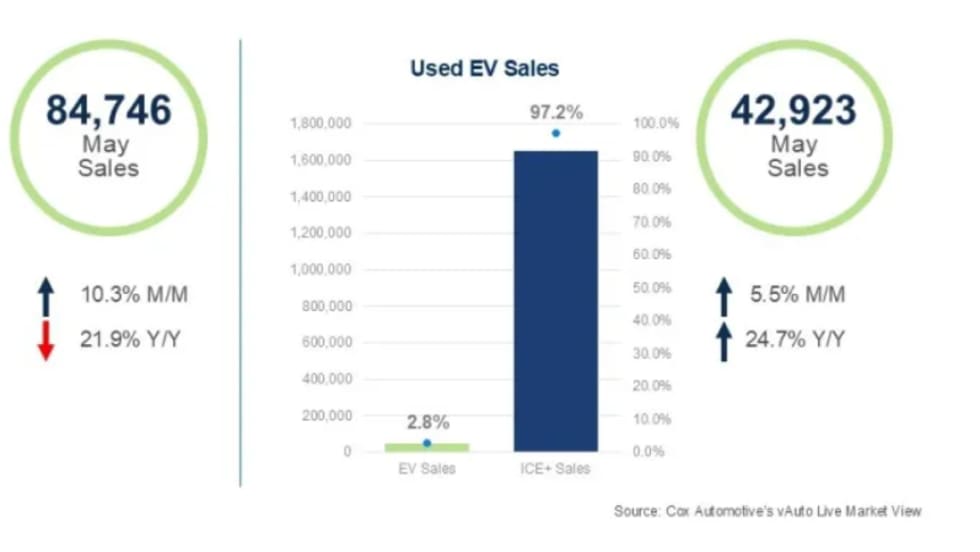
Used EVs Strengthen Overall Electric Vehicle Market
The latest sales data point to several reasons for the divergent trends in new and used EVs that can factor into fleet cycling decisions.
Read More →
The Data-Driven Haul: 5 Ways AI is Leveling the Playing Field in Auto Transport
Large and small transport fleets are becoming more competitive as predictive analytics and real-time data inform the logistics decision chain.
Read More →