



Related: KBB: Auction Volume Declines in Q2
October New-Vehicle Transaction Prices Rise 2.3%
The estimated average transaction price for a light vehicle in the U.S. in October was $34,663, a 2.3% increase over the same time last year, according to Kelley Blue Book.
by Staff
November 1, 20162 min to read
The estimated average transaction price for a light vehicle in the U.S. in October was $34,663, a 2.3% increase over the same time last year, according to Kelley Blue Book.
“Transaction prices continued their upward trajectory in October,” said Tim Fleming, analyst for Kelley Blue Book. “The Detroit automakers posted gains between 4% and 6%, as their strong portfolios of trucks and SUVs align extremely well with current consumer demand.
“Despite the increases in transaction prices, incentive spending across the industry continues to climb as well, offsetting much of the transaction price gains," Fleming added. "With industry sales reaching a potential plateau, automakers should adjust production to better match demand, which should reduce the need for such high incentives.”
Fiat Chrysler registered the biggest gain in transaction price, according to KBB. In October, average transaction prices for the manufacturer were up 5.7%, led primarily by the Chrysler brand, which was up 13% thanks to the new Pacifica.
Both Nissan North America and Ford Motor Company followed closely behind average transaction price gains of 4.7% and 4.6% from a year ago, respectively, according to KBB.
In terms of vehicle segments, sports cars saw the biggest positive change in transaction price, the firm added. Compared to the year before, sports car transaction prices grew by 6.1%. On the other side of the spectrum, high-performance cars realized the biggest negative change in transaction price, falling 4.5% compared to the year prior.
More Operations

CAS Automotive Launches Remarketing Service for Damaged, Surplus Equipment
Damaged Equipment expands CAS Automotive’s vehicle remarketing model to commercial equipment, targeting fleet operators, insurers, equipment dealers, and rental companies.
Read More →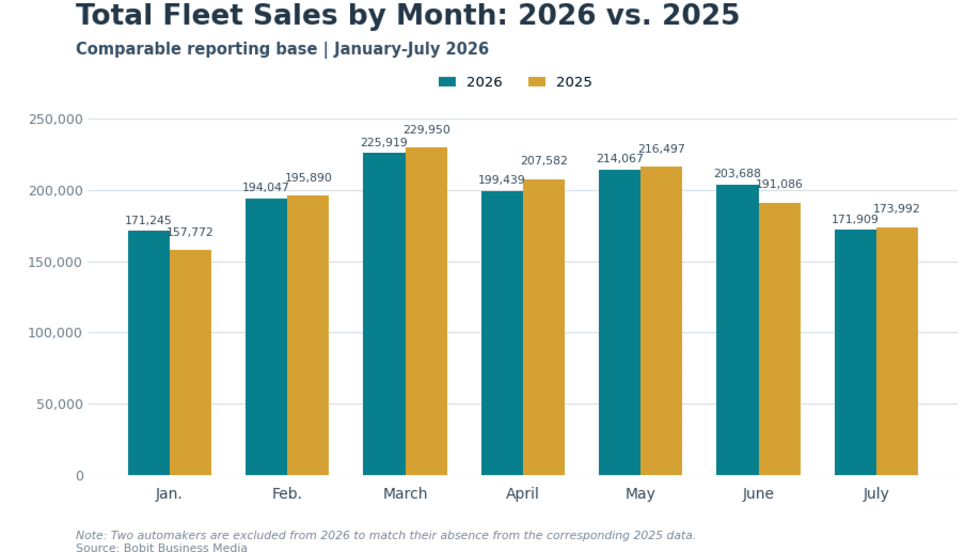
Fleet Sales Hold Steady as Commercial Gains Offset Rental Decline
Commercial and government fleet sales increased through July 2026, offsetting most of the decline in rental volume and leaving combined comparable fleet sales 0.5% above the same period last year.
Read More →
Personnel Update: BrickHouse GPS, PRO-VISION, Auto Driveaway, and Proaction
Check out the latest must-know fleet personnel updates from the last couple of months.
Read More →
What Comes Next for Auto Driveaway?
A new Auto Driveaway feature called Arrive provides recipients with live location updates and ETAs during the final hour of a vehicle move, while fleet customers continue to have end-to-end shipment visibility through the company's customer portal.
Read More →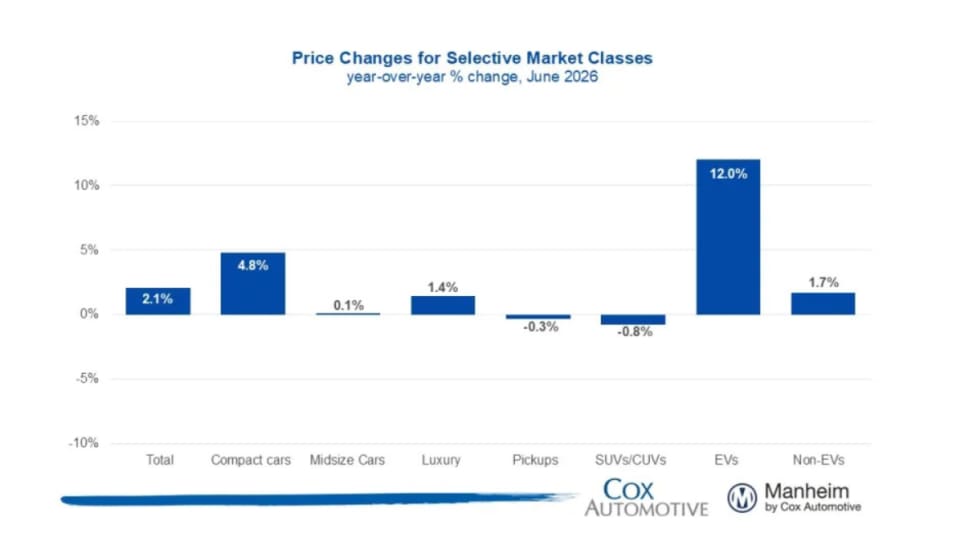
Manheim Index Shows Used-Vehicle Wholesale Prices Up 2.1% in June
The market is seeing stronger appreciation in older used vehicles this year, and the most affordable segments have been among the year’s best performers.
Read More →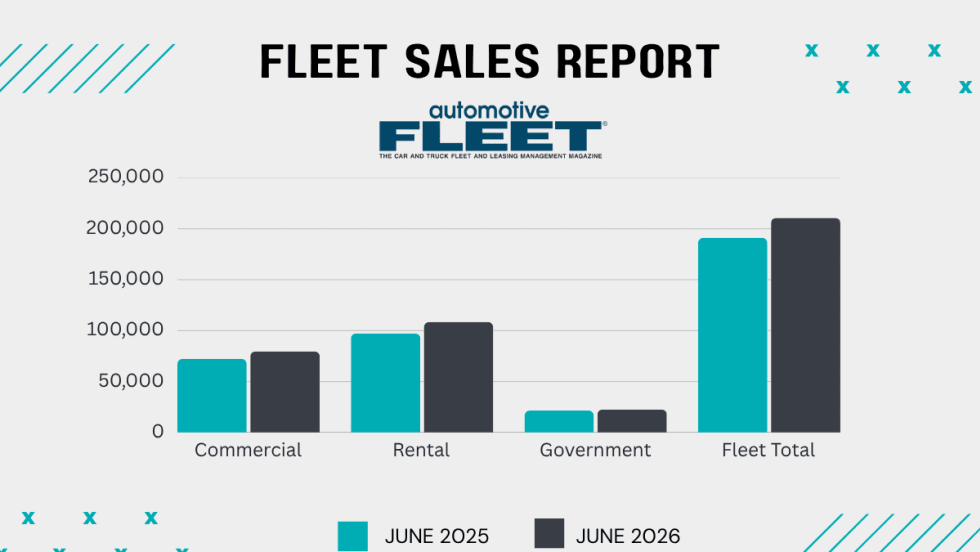
Commercial Fleet Sales Contribute To June, YTD Gains
The fleet sector has boosted its vehicle purchases at a reliable pace in the first half of this year compared with 1H 2025.
Read More →
Stop Remarketing Electric Vehicles Like Gas Cars
The advantages and attributes of electric vehicles are upending the traditional remarketing cycle, requiring fleet sellers to rely on new factors and approaches detailed below.
Read More →
AP Fleet Management Expands Remarketing Program for Commercial Work Trucks
AP Fleet Management expanded its commercial vehicle remarketing program with dedicated resale services and an online marketplace for used work trucks.
Read More →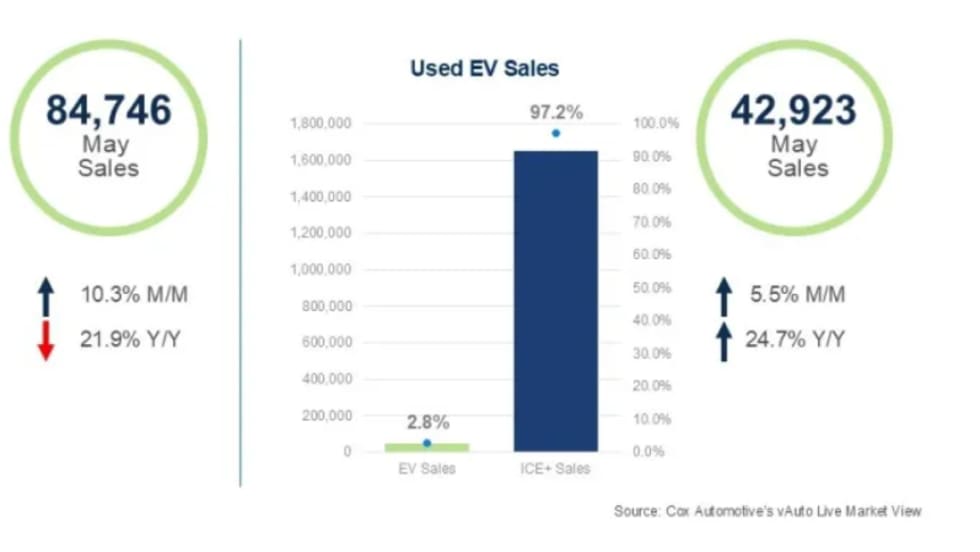
Used EVs Strengthen Overall Electric Vehicle Market
The latest sales data point to several reasons for the divergent trends in new and used EVs that can factor into fleet cycling decisions.
Read More →
The Data-Driven Haul: 5 Ways AI is Leveling the Playing Field in Auto Transport
Large and small transport fleets are becoming more competitive as predictive analytics and real-time data inform the logistics decision chain.
Read More →