




More News: New Vehicle Supply Tops One Million as OEMs Ramp Up
New Vehicle Supply Up Slightly as Prices Retreat from Peaks
Production will increase with an easing of the chip shortage later this year and sales will rise. Prices will stay high but likely off their records.
February 17, 2022
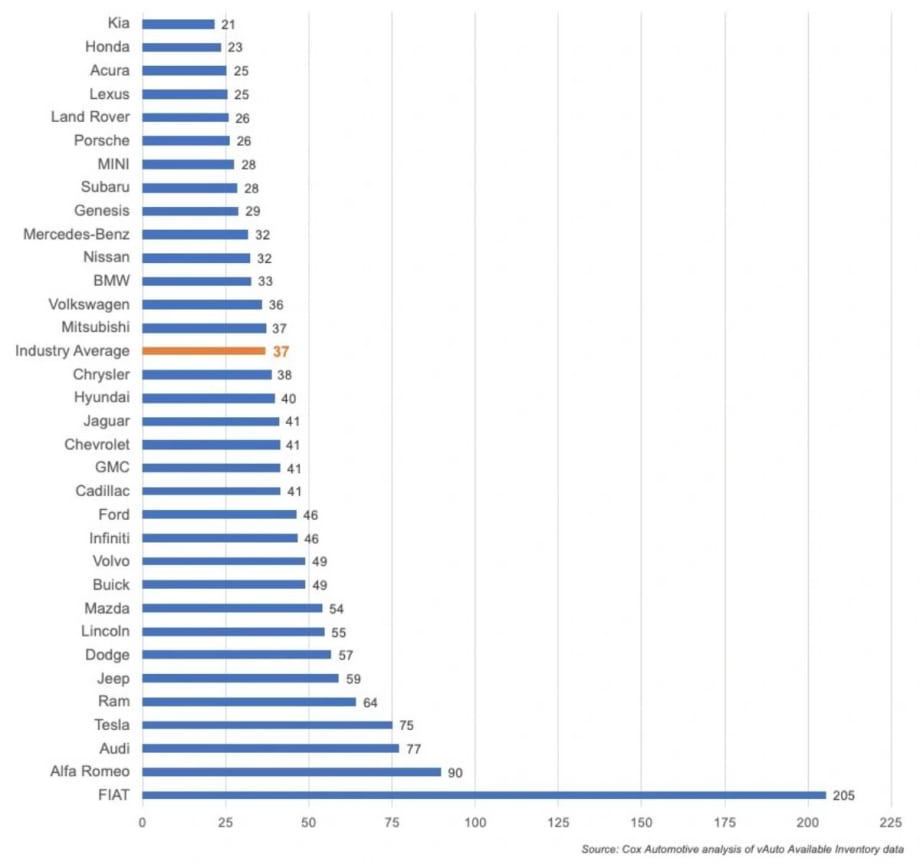
The days’ supply of unsold new vehicles was 37 at the start of February, up from 35 in early January. The total days’ supply bottomed out at 25 at the end of September. Still, the days’ supply at the end of January remained 46% below the level at the end of January 2021.
Source: Cox Automotive
4 min to read
New-vehicle inventory, boosted by growing supply from domestic automakers, edged higher in the last weeks of January, according to a Cox Automotive analysis of vAuto Available Inventory data released Feb. 16. Prices retreated from their December peak, dipping below $45,000.
The total U.S. supply of available unsold new vehicles stood at 1.08 million units at the close of January. That compared with the revised December available supply of 1.09 million vehicles. The supply dipped in the early weeks of January but edged higher in the later weeks of the month.
Still, available supply was down 60% from the same period in 2021. In raw numbers, the supply of unsold new vehicles as February opened was more than 1.6 million vehicles less than the stock of a year ago and 2.2 million less than in 2020.
The days’ supply of unsold new vehicles was 37 at the start of February, up from 35 in early January. The total days’ supply bottomed out at 25 at the end of September. Still, the days’ supply at the end of January remained 46% below the level at the end of January 2021.
The Cox Automotive days’ supply is based on the daily sales rate for the most recent 30-day period, in this case, ended Jan. 31. New-vehicle sales in January dropped 10% from year-earlier levels. The January light vehicle seasonally adjust annual rate (SAAR) was 15 million, down from 16.8 million in January 2021 and 16.9 million in January 2020. January traditionally sees among the lowest sales volumes of any month.
“The new-vehicle supply continues improving just slightly, but sales remain stuck,” said Cox Automotive senior economist Charlie Chesbrough. “Sales should start gradually improving as well in the coming weeks from the inventory gains.” He forecast that production will increase with an easing of the chip shortage in the latter part of the year, and sales will rise. Prices will stay high but likely off their records.
Prices Dip Below Peak
After setting records month after month, the average listing price – or the asking price – dropped by the end of January to below $45,000 – $44,892, specifically. Still, that price was 12% above the average listing price in January 2021. The average transaction price – the price consumers paid – also decreased in January to $46,404, according to data from Kelley Blue Book, after reaching a record high in December 2021.
The lower overall average list price in January was driven mostly by a change in the mix of available vehicles. The good news for price-conscious shopper: The available inventory of vehicles priced below $30,000 increased in January compared to the end of December. At the same time, there were significantly fewer vehicles priced above $60,000. This inventory mix – more bargains, less luxury – helped push the national average down from the December record. Still, new-vehicle prices in the U.S. remain elevated and consumers are routinely paying above sticker for a new vehicle.
Import Brands Have Lowest Supply
Brands with inventory levels below the industry average at the end of January were all imports. At the bottom were, starting with the lowest, Toyota, Kia, Honda, Acura, Land Rover, Porsche and Subaru. All domestic brands had above average inventory. Brands with the most, starting with the highest, were Buick, Volvo, Infiniti, Cadillac and GMC.
Minivans returned to the bottom for inventory, due to Stellantis’ downtime at its Windsor, Ontario, minivan plant again, and Toyota and Honda shortages. Also in short supply are large luxury crossovers, subcompact to midsize cars and hybrids along with most other SUV segments, particularly luxury ones.
Cars topped of the list for most inventory. Of the six segments with the most inventory, five were car categories. Full-size truck inventory also was building.
Specific models with the lowest inventories were all imports mostly from Honda, Toyota, Nissan and Subaru. An exception was the Chevrolet Tahoe. At the high end was Ram 1500 pickup, Mazda CX-5 and other domestic pickup trucks and SUVs.
In terms of price categories, the highest days’ supply was for vehicles priced between $50,000 and $60,000 and above $80,000. The cheapest vehicles – under $20,000 – had the lowest days’ supply at 28. All other segments had inventory between 32- and 37-days’ supply.
More Fleet

Acertus Acquires Fisher Shipping, CEO to Join Acertus
Fisher Shipping will retain its brand and team, while its customers gain access to Acertus’ transportation, storage, vehicle care, and title and registration services.
Read More →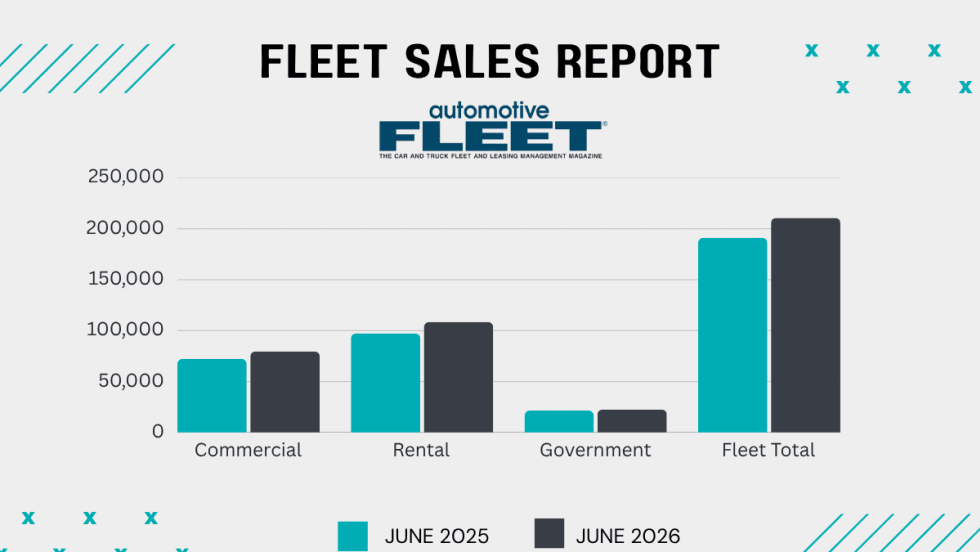
Commercial Fleet Sales Contribute To June, YTD Gains
The fleet sector has boosted its vehicle purchases at a reliable pace in the first half of this year compared with 1H 2025.
Read More →
Registration Opens for 2026 Fleet Forward Conference
Held on the East Coast for the first time, the Washington, D.C.-area event features expert-led education, a new IIHS Crash Test Experience, and collocation with the NAFA’s Fleet Safety Symposium.
Read More →
AP Fleet Management Expands Remarketing Program for Commercial Work Trucks
AP Fleet Management expanded its commercial vehicle remarketing program with dedicated resale services and an online marketplace for used work trucks.
Read More →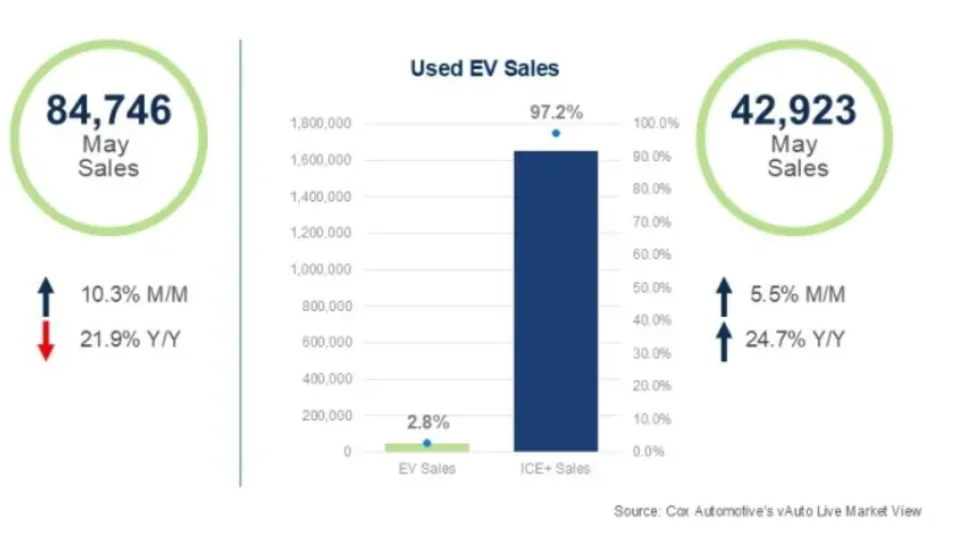
Used EVs Strengthen Overall Electric Vehicle Market
The latest sales data point to several reasons for the divergent trends in new and used EVs that can factor into fleet cycling decisions.
Read More →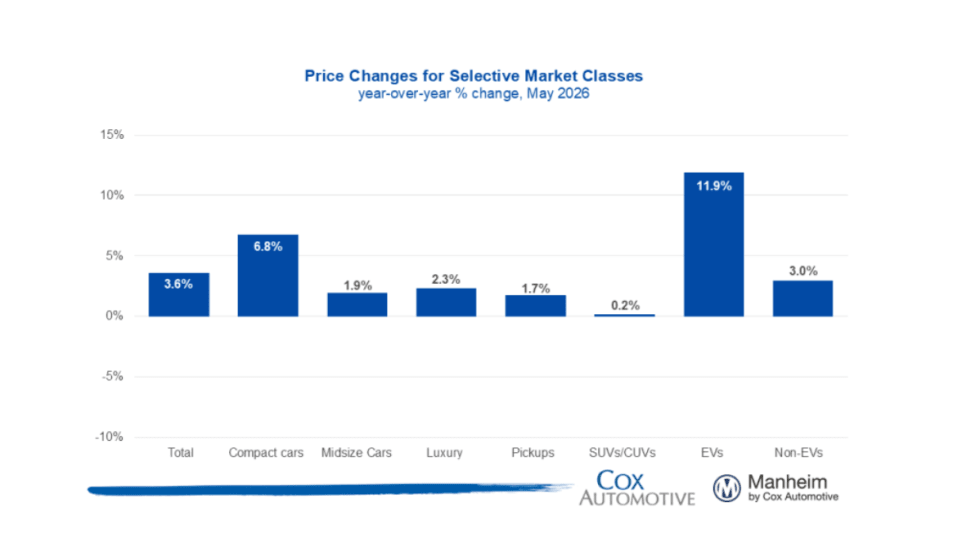
Wholesale Used Vehicle Market Sustains Moderate Rise In Values, Prices
Trends continue to normalize after a strong start to the year, as consumers contend with higher gas prices in the coming summer months.
Read More →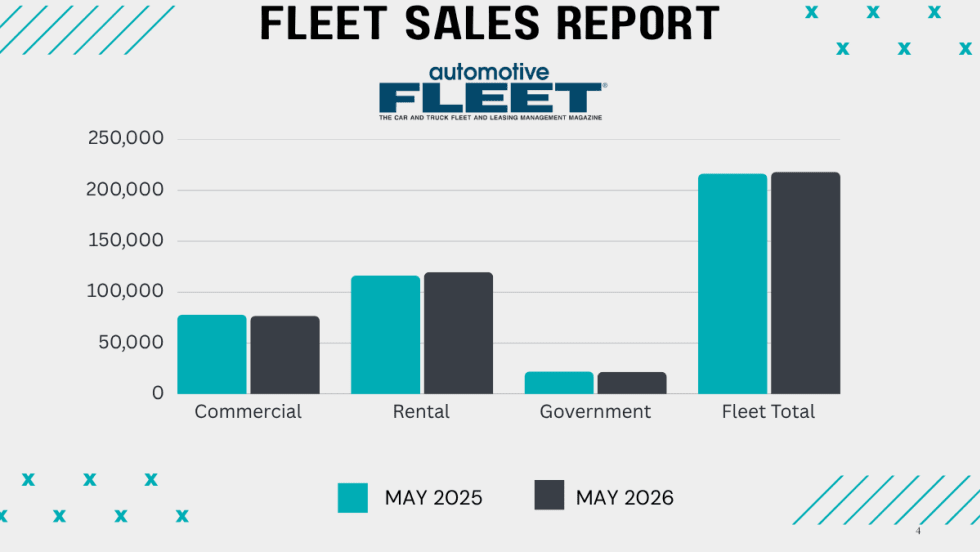
Commercial Fleet Sales Still Lead Sectors Despite May Mini Dip
The U.S. economy's continued growth and positive business investment are creating a favorable environment for fleet vehicle demand.
Read More →
The Data-Driven Haul: 5 Ways AI is Leveling the Playing Field in Auto Transport
Large and small transport fleets are becoming more competitive as predictive analytics and real-time data inform the logistics decision chain.
Read More →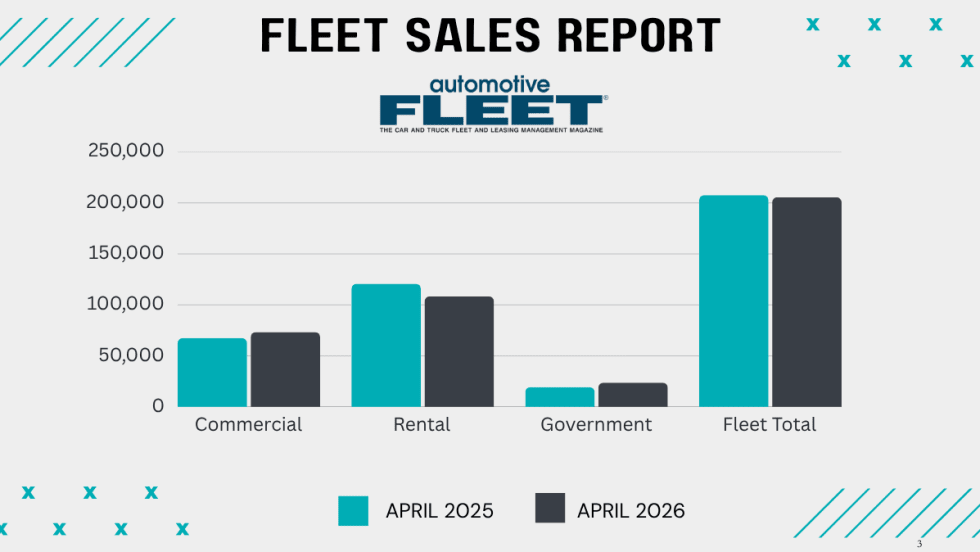
Commercial Fleet Sales Show Healthy Gains
So far, the fleet sector is outshining government and rental fleet sales this year as economic growth spurs more business investment.
Read More →
CAR 2026 Recap Part 2: Closing the Gap Between Data & Remarketing Value
The second half of CAR 2026 examined how fleets can translate lifecycle strategy, vehicle data, and market shifts into higher real-world results.
Read More →