



New-Vehicle Sales Expected to See Small Gains in March
New-vehicle sales are expected to total 1.63 million units in March, a 3% year-over-year increase, resulting in an estimated 17.4 million seasonally adjusted annual rate, according to Kelley Blue Book.
New-vehicle sales are expected to total 1.63 million units in March, a 3% year-over-year increase, resulting in an estimated 17.4 million seasonally adjusted annual rate, according to Kelley Blue Book.
Adding the projected 1.63 million units in March to the January and February’s totals would bring the first quarter’s total units sold to 4.1 million units, according to the firm. Although this would only be a 0.3% year-over-year increase, it would still mark the second-best first quarter on record, in terms of sales, the firm added.
"Kelley Blue Book expects manufacturers to report mostly positive sales numbers this month, capping a steady first quarter with an average SAAR of 17.4 million," said Tim Fleming, analyst for Kelley Blue Book. "Despite considerably higher discounts and incentives, first quarter sales totals will likely only finish flat versus last year, a signal of weakening consumer demand for new vehicles. As sales cool after years of robust growth, adjusting production accordingly and managing supply, especially in car segments, should be top priorities for automakers."
Retail sales are expected to account for 77.9% of new-vehicle volume in March, a 1.1% increase over last year, according to KBB data. This potential retail increase leaves a slightly smaller chunk of the pie available for fleet during the month.
According to KBB, General Motors is expected to gain the most market share in March. The OEM’s SUV lineup, in particular could grow sales by 25%, KBB added. GM trucks are also expected to perform better in March compared to the same time last year. GM Trucks could potentially increase sales by 10% in March, thanks in large part to incentives, according to KBB.
On the other side of the spectrum, Ford is poised to see the biggest sales decline, driven primarily by a decline in fleet sales, according to KBB. Ford Fusion and Ford Focus models could potentially see declines of more than 20%. Sales of other popular fleet vehicles like the Ford Transit could also fall by 20%.
Looking at the industry as a whole, the consumer shift from cars to SUVs is expected to continue. Double-digit growth for popular compact and mid-size SUV/crossover segments is expected, according to KBB.
"Mid-size cars continue to suffer as a result of shifting consumer preference toward utility vehicles, and Kelley Blue Book anticipates the segment will lose nearly 3 percentage points of market share," said Fleming. "This segment, which was the top-selling category in the industry as recently as 2013, is in a rapid decline, which does not bode well for the upcoming redesigns for the Toyota Camry and Honda Accord, due later this year."
More Operations
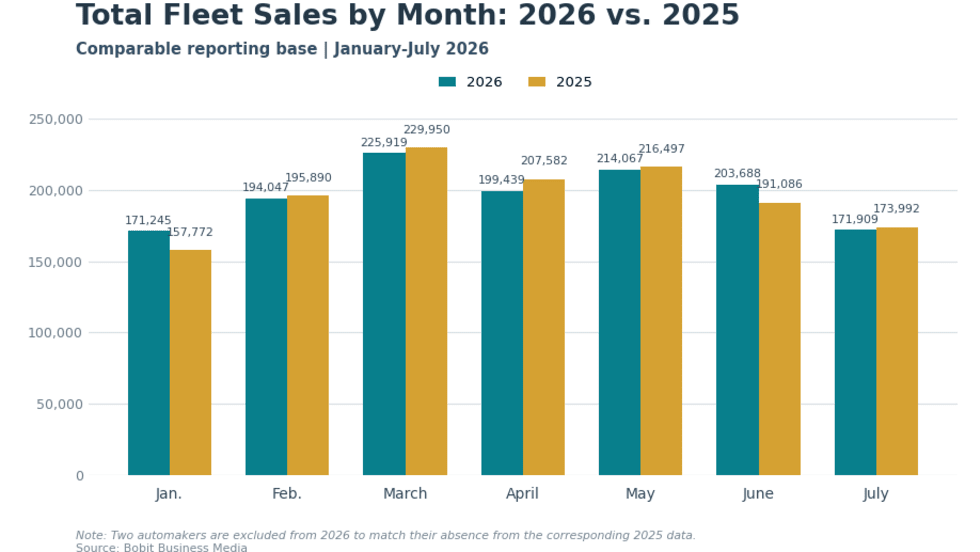
Fleet Sales Hold Steady as Commercial Gains Offset Rental Decline
Commercial and government fleet sales increased through July 2026, offsetting most of the decline in rental volume and leaving combined comparable fleet sales 0.5% above the same period last year.
Read More →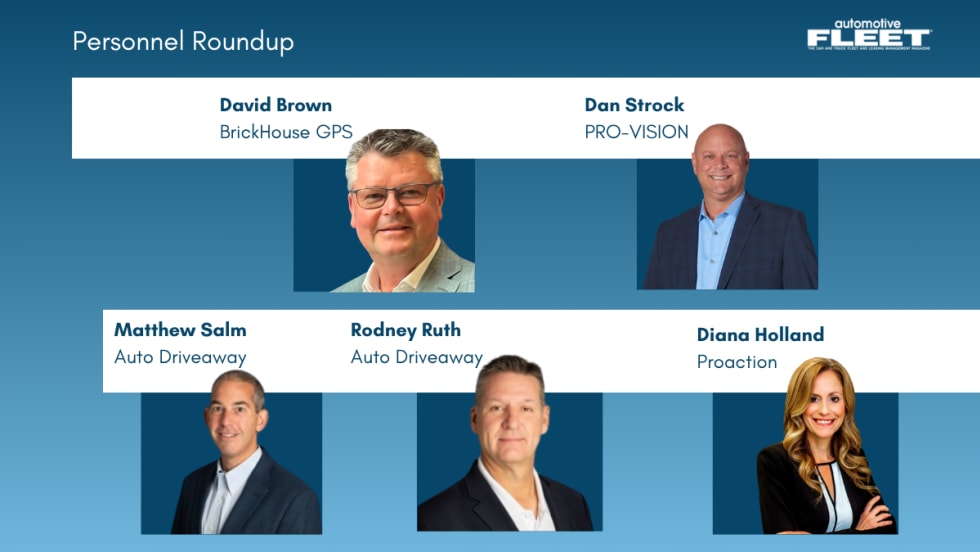
Personnel Update: BrickHouse GPS, PRO-VISION, Auto Driveaway, and Proaction
Check out the latest must-know fleet personnel updates from the last couple of months.
Read More →
What Comes Next for Auto Driveaway?
A new Auto Driveaway feature called Arrive provides recipients with live location updates and ETAs during the final hour of a vehicle move, while fleet customers continue to have end-to-end shipment visibility through the company's customer portal.
Read More →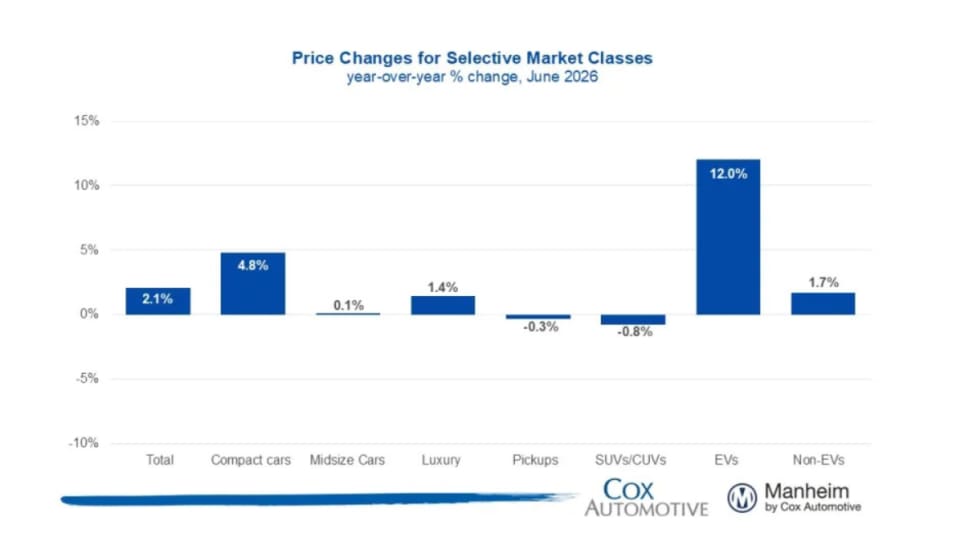
Manheim Index Shows Used-Vehicle Wholesale Prices Up 2.1% in June
The market is seeing stronger appreciation in older used vehicles this year, and the most affordable segments have been among the year’s best performers.
Read More →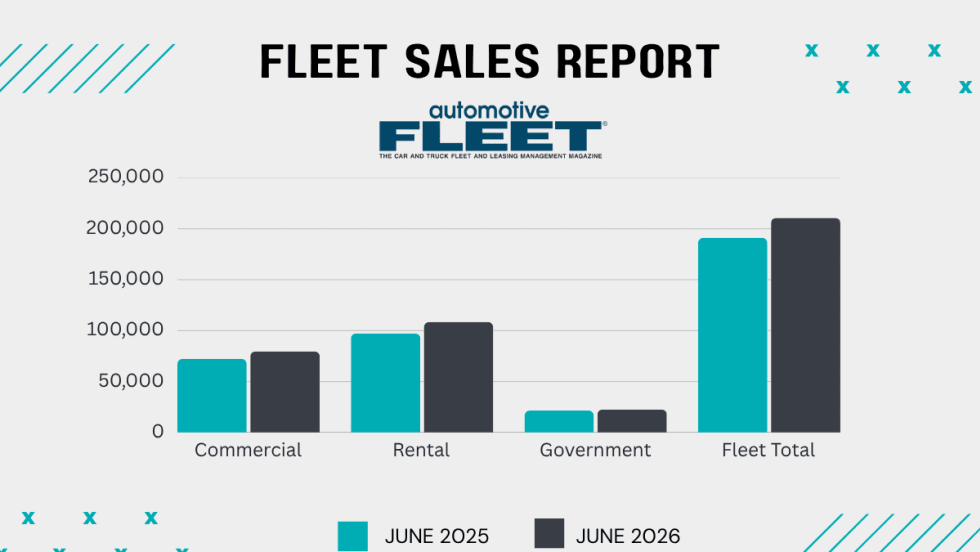
Commercial Fleet Sales Contribute To June, YTD Gains
The fleet sector has boosted its vehicle purchases at a reliable pace in the first half of this year compared with 1H 2025.
Read More →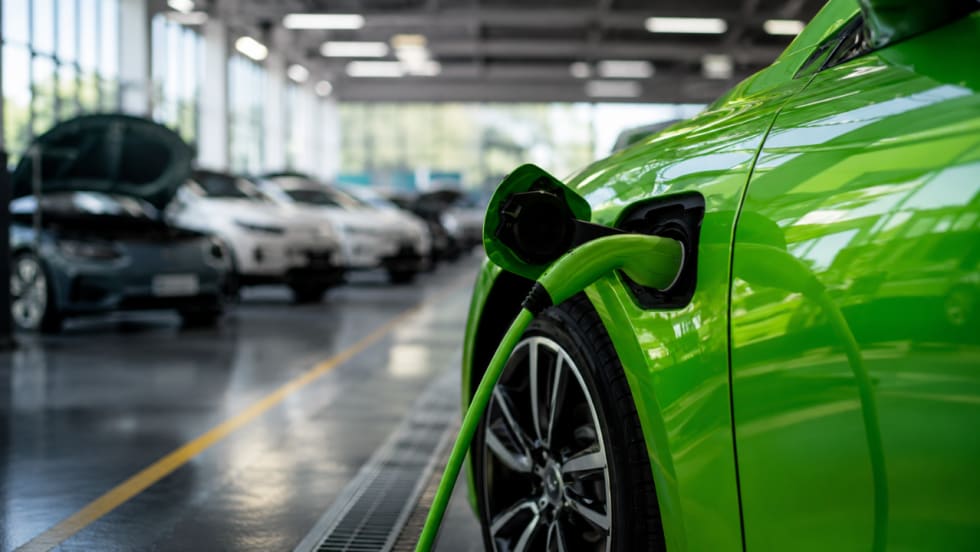
Stop Remarketing Electric Vehicles Like Gas Cars
The advantages and attributes of electric vehicles are upending the traditional remarketing cycle, requiring fleet sellers to rely on new factors and approaches detailed below.
Read More →
AP Fleet Management Expands Remarketing Program for Commercial Work Trucks
AP Fleet Management expanded its commercial vehicle remarketing program with dedicated resale services and an online marketplace for used work trucks.
Read More →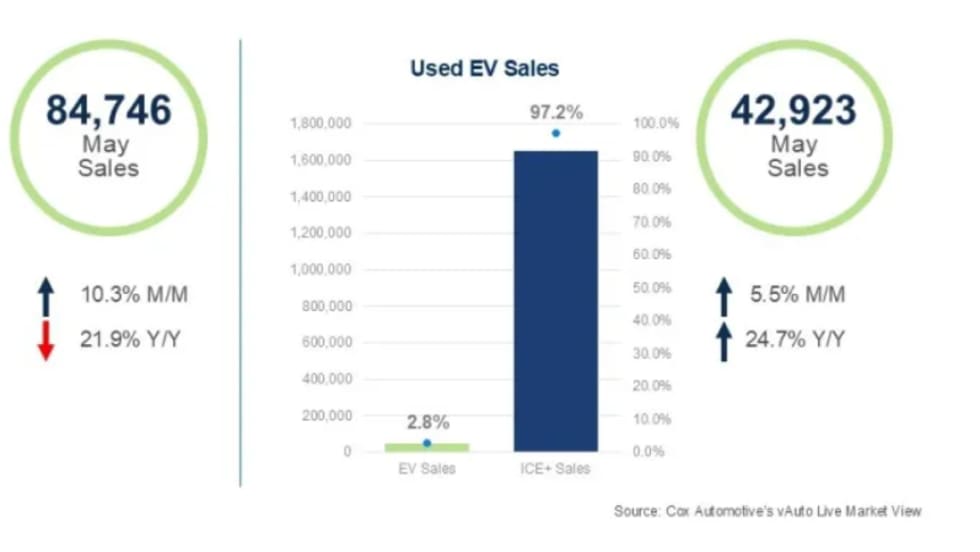
Used EVs Strengthen Overall Electric Vehicle Market
The latest sales data point to several reasons for the divergent trends in new and used EVs that can factor into fleet cycling decisions.
Read More →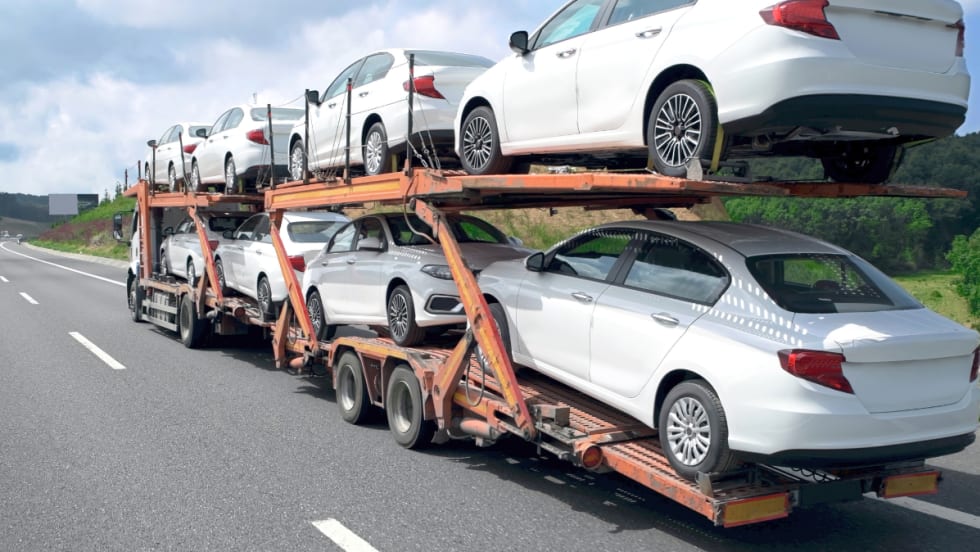
The Data-Driven Haul: 5 Ways AI is Leveling the Playing Field in Auto Transport
Large and small transport fleets are becoming more competitive as predictive analytics and real-time data inform the logistics decision chain.
Read More →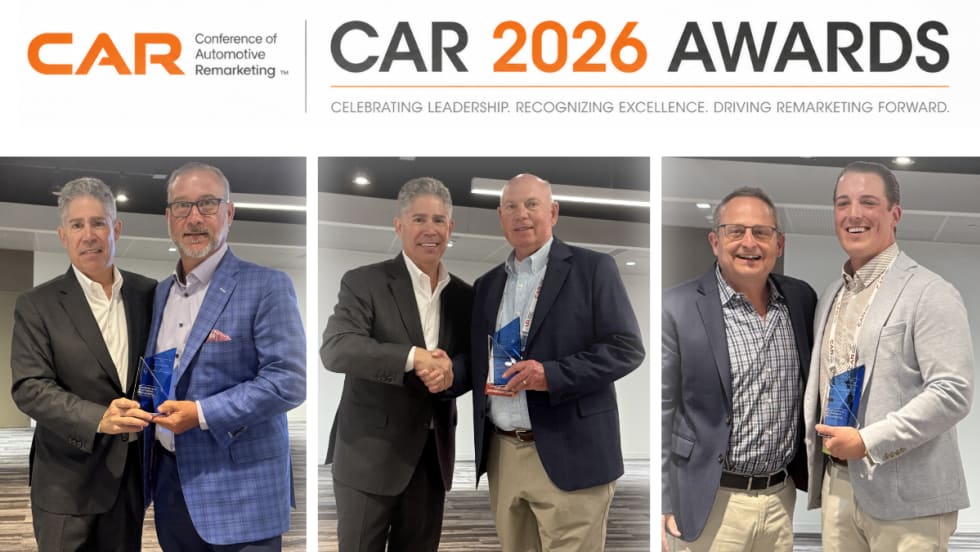
2026 CAR Awards Celebrate Industry Excellence
CAR’s annual Fleet Remarketing Awards opened a reimagined 2026 conference designed to bridge the worlds of fleet management and automotive remarketing.
Read More →