




More News: Used Vehicle Inventory Sets Record for 2025
New Vehicle Sales Expected To Drop
As more tariffed products replace non-tariffed inventory, prices are tracking higher, which should lead to slower sales
October 27, 2025
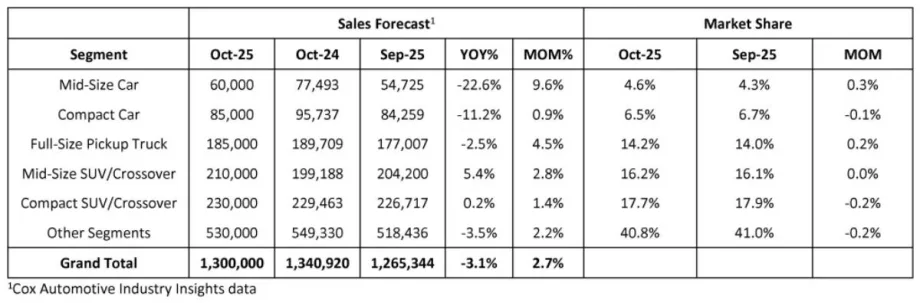
With the expiration of EV tax credits and a decline in alternative powertrain sales, the sales pace is anticipated to decrease.
Graphic: Cox Automotive
2 min to read
October new-vehicle sales, when announced next week, are expected to take a step back from the strong pace seen in the third quarter, according to Cox Automotive estimates released Oct. 27.
The October sales pace, or seasonally adjusted annual rate (SAAR), is forecast to reach 15.7 million, down from last year’s 16.1 million level and down from September’s pace of 16.4 million. The October slowdown is expected to be driven in part by a decline in electric vehicle (EV) and plug-in hybrid vehicle (PHEV) sales.
Sales volume is projected to reach 1.3 million, a decrease of more than 3% from the previous year but an increase of 2.7% from last month. October has 27 selling days, the same as last year but three more than last month.
“The new-vehicle sales pace was surprisingly strong this summer despite ongoing tariff uncertainty,” said Charlie Chesbrough, senior economist at Cox Automotive, in a news release. “However, as more tariffed products replace non-tariffed inventory, prices are tracking higher, which should lead to slower sales through the remainder of the year. With the expiration of EV tax credits and a decline in alternative powertrain sales, the sales pace is anticipated to decrease as we move into a new season.”
Fourth Quarter and a New Era of Electric Vehicle Sales
Sales of EVs accelerated after passage of the Big Beautiful Bill in early July as buyers rushed to buy before the $7,500 tax credits expired at the end of September. As expected, EV sales volume in the U.S. hit an all-time high in Q3 2025, reaching 438,487 units sold, according to Kelley Blue Book estimates.
EV sales volume in Q3 was up 40.7% from the previous quarter and higher by 29.6% year over year. Moving forward, the EV segment will be charting a new path without government-backed sales incentives.
“The EV sales story will really change going forward from here,” noted Chesbrough. “Sales of EVs and PHEVs are expected to collapse in October as tax credits expire. In addition, market conditions for other vehicles are expected to become more challenging in future months as prices increase.”
Cox Automotive Full-Year Forecast and Outlook
Cox Automotive’s full-year sales forecast range is 15.8-16.4 million, with a baseline of 16.1 million, the likely outcome for the year. Based on robust Q3 sales, forecasts for both fleet and new retail sales were raised during the last quarterly call.
With an expected decline in EV leasing in Q4, the lease penetration forecast was lowered from 25% to 24%. Used retail sales and sales of certified pre-owned (CPO) vehicles were adjusted higher.
Originally posted on Automotive Fleet
More Fleet

Acertus Acquires Fisher Shipping, CEO to Join Acertus
Fisher Shipping will retain its brand and team, while its customers gain access to Acertus’ transportation, storage, vehicle care, and title and registration services.
Read More →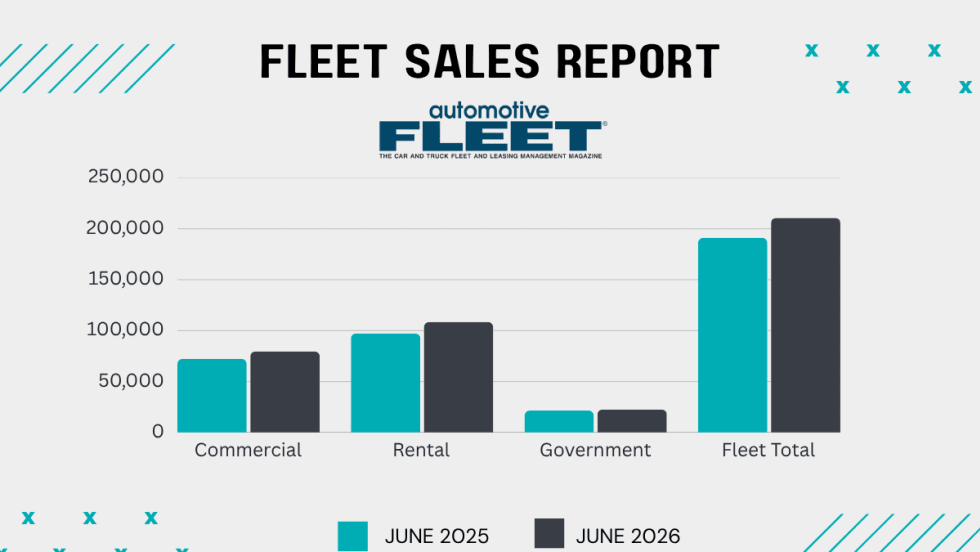
Commercial Fleet Sales Contribute To June, YTD Gains
The fleet sector has boosted its vehicle purchases at a reliable pace in the first half of this year compared with 1H 2025.
Read More →
Registration Opens for 2026 Fleet Forward Conference
Held on the East Coast for the first time, the Washington, D.C.-area event features expert-led education, a new IIHS Crash Test Experience, and collocation with the NAFA’s Fleet Safety Symposium.
Read More →
AP Fleet Management Expands Remarketing Program for Commercial Work Trucks
AP Fleet Management expanded its commercial vehicle remarketing program with dedicated resale services and an online marketplace for used work trucks.
Read More →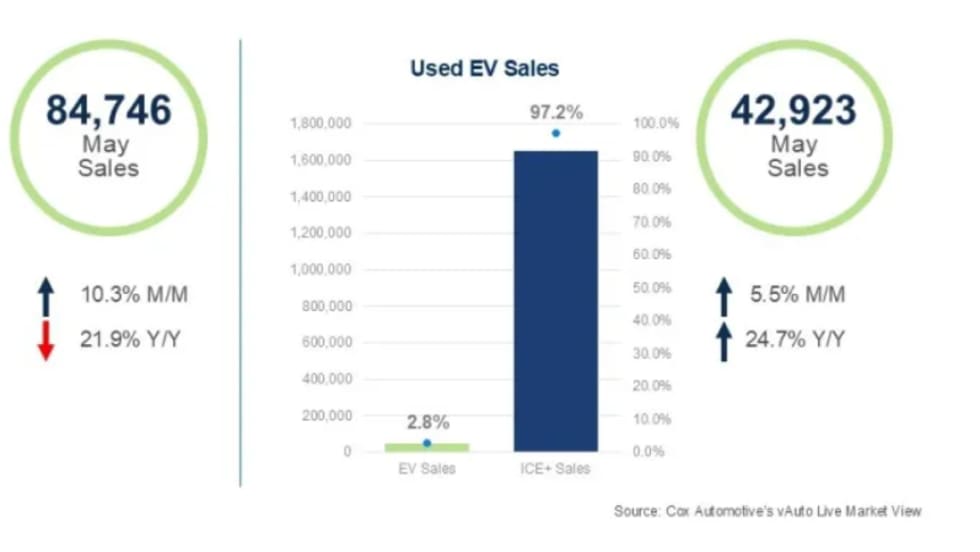
Used EVs Strengthen Overall Electric Vehicle Market
The latest sales data point to several reasons for the divergent trends in new and used EVs that can factor into fleet cycling decisions.
Read More →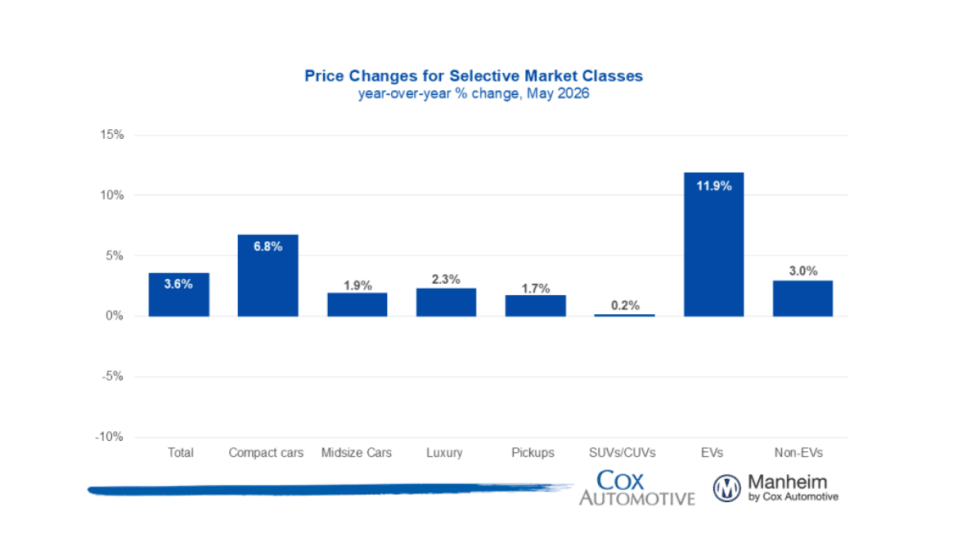
Wholesale Used Vehicle Market Sustains Moderate Rise In Values, Prices
Trends continue to normalize after a strong start to the year, as consumers contend with higher gas prices in the coming summer months.
Read More →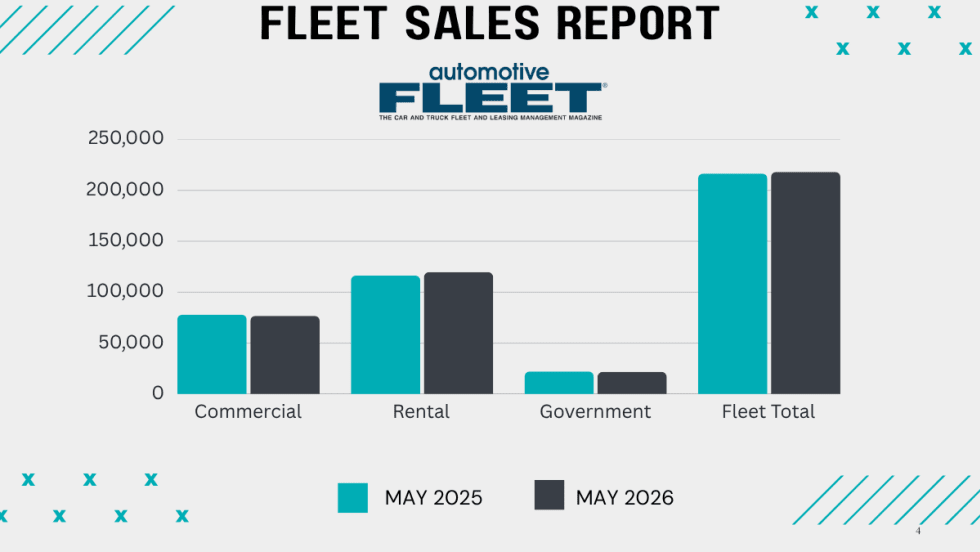
Commercial Fleet Sales Still Lead Sectors Despite May Mini Dip
The U.S. economy's continued growth and positive business investment are creating a favorable environment for fleet vehicle demand.
Read More →
The Data-Driven Haul: 5 Ways AI is Leveling the Playing Field in Auto Transport
Large and small transport fleets are becoming more competitive as predictive analytics and real-time data inform the logistics decision chain.
Read More →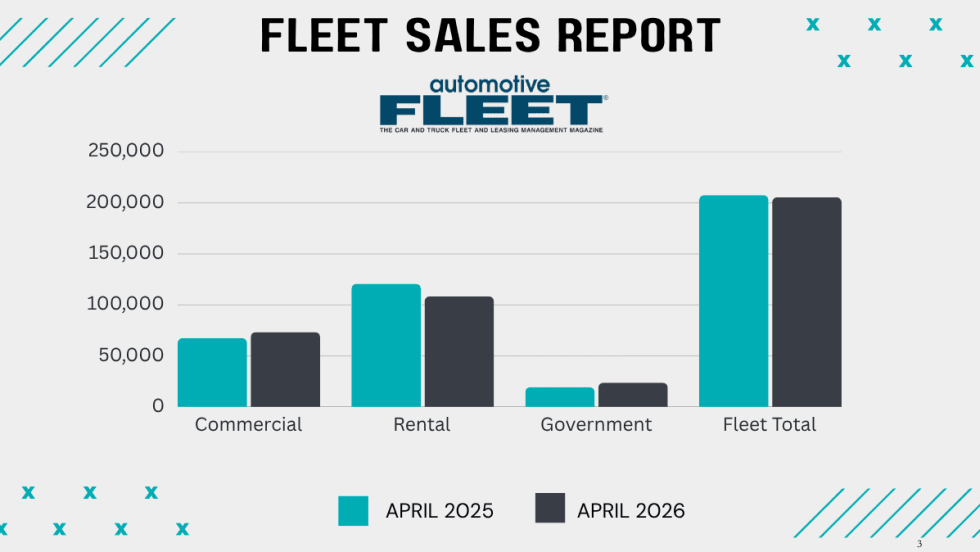
Commercial Fleet Sales Show Healthy Gains
So far, the fleet sector is outshining government and rental fleet sales this year as economic growth spurs more business investment.
Read More →
CAR 2026 Recap Part 2: Closing the Gap Between Data & Remarketing Value
The second half of CAR 2026 examined how fleets can translate lifecycle strategy, vehicle data, and market shifts into higher real-world results.
Read More →