Vehicle Remarketing Logo

New Vehicle Prices Linger at Record Highs

The average price paid for a new vehicle in the U.S. last month was the second-highest on record, behind only December 2021, when average transaction prices reached $47,202.

New Vehicle Prices Linger at Record Highs

The average price paid for a new non-luxury vehicle last month was $43,338, up $709 from April. Car shoppers in the non-luxury segment paid on average $1,030 above sticker price.

Source: Cox Automotive

3 min to read


New-vehicle average transaction prices (ATPs) increased to $47,148 in May 2022, according to new data released June 9 by Kelley Blue Book, a Cox Automotive company. Prices rose 1% ($472) month over month and remain elevated compared to one year ago, up 13.5% ($5,613) from May 2021.

The average price paid for a new vehicle in the U.S. last month was the second-highest on record, behind only December 2021, when ATPs reached $47,202.

Ad Loading...

New-vehicle inventory days’ supply stayed in the mid-30s in May – holding steady since mid-January – while customer demand remained stable. These conditions enabled most dealers to continue selling inventory at or above the manufacturer’s suggested retail price (MSRP). The average price paid for a new vehicle has been “over sticker” throughout 2022. In May, new vehicles from Honda, Land Rover and Mercedes-Benz were transacting on average between 6.1% and 9.3% over MSRP. On the other side of the spectrum, Buick and Lincoln were selling at nearly 1% below MSRP.

“Prices for both new and used vehicles are showing signs of stabilizing, and price growth will likely decline over the course of the summer as the anniversary of the ‘big squeeze’ in inventory passes,” said Rebecca Rydzewski, research manager of economic and industry insights for Cox Automotive, in a news release. “However, no one should expect price drops, as tight supplies in the new market will hold prices at an elevated level into 2023.”

The average price paid for a new non-luxury vehicle last month was $43,338, up $709 from April. Car shoppers in the non-luxury segment paid on average $1,030 above sticker price. Consumers have paid more than MSRP in each month of 2022, whereas one year ago, non-luxury vehicles were selling for more than $400 under MSRP.

In May 2022, the average luxury buyer paid $65,379 for a new vehicle, down $511 month over month but still $1,071 above sticker price. For comparison, luxury vehicles were selling for nearly $1,300 under MSRP one year ago. Luxury vehicle share remains historically high, but decreased to 17.3% of total sales in May, down slightly from 17.4% in April. For comparison, luxury share in May 2021 was 15.9% and, pre-pandemic, luxury share in May 2019 was 13.1% of the total market.   

Electric Vehicle Prices

The average price paid for a new electric vehicle (EV) dropped again in May compared to April, as more lower-priced models enter the market and offset the many luxury EVs already available. The Chevrolet Bolt, with average transaction prices below $40,000, is available on dealer lots after an extensive recall, and the new Kia EV6 is selling well. Even Tesla had slightly lower ATPs month over month in May. Still, the average price for a new electric vehicle – over $64,000 according to Kelley Blue Book estimates – is well above the industry average and more aligned with luxury prices than mainstream prices.

New-vehicle average transaction price changes month over month by segment saw all segments increasing except cars, mirroring April. With an ATP of $56,216, trucks saw the largest increase of $888. With an ATP of $48,671, vans saw an increase of $726 in May, while SUVs increased by $526 to an ATP of $46,073. Cars had an average transaction price of $41,902 in May, a $179 decrease month over month. Meanwhile, vans still had the lowest incentives (expressed as a percent of ATP) at 1.4%, and trucks had the highest at 2.9%. Incentives dropped to a record low level in May, averaging only 2.5% of the average transaction price.



More Fleet

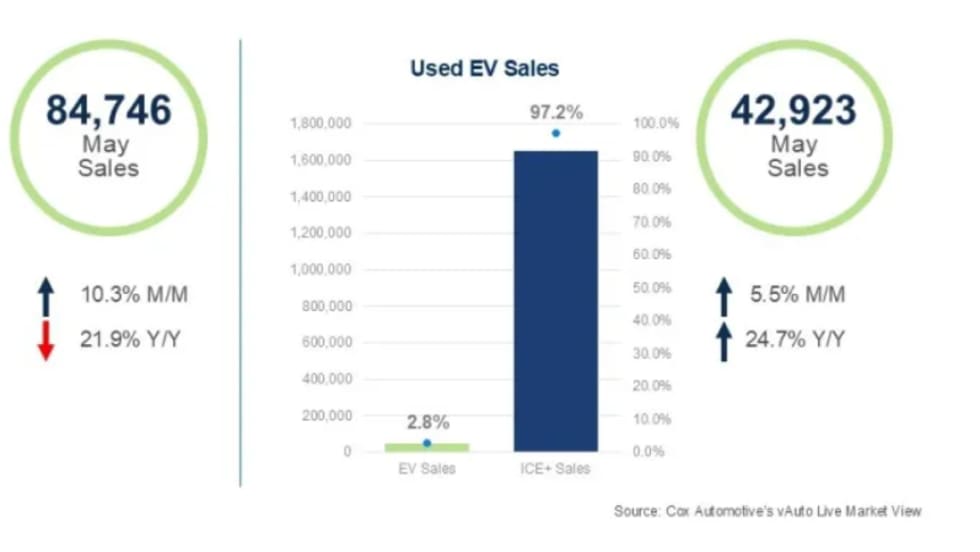
Vertical dark blue graphs showing new and used EV sales
Fleetby News/Media ReleaseJune 16, 2026

Used EVs Strengthen Overall Electric Vehicle Market

The latest sales data point to several reasons for the divergent trends in new and used EVs that can factor into fleet cycling decisions.

Read More →
Dark blue bar graphs showing percentage gains in average wholesale used vehicle prices

Wholesale Used Vehicle Market Sustains Moderate Rise In Values, Prices

Trends continue to normalize after a strong start to the year, as consumers contend with higher gas prices in the coming summer months.

Read More →
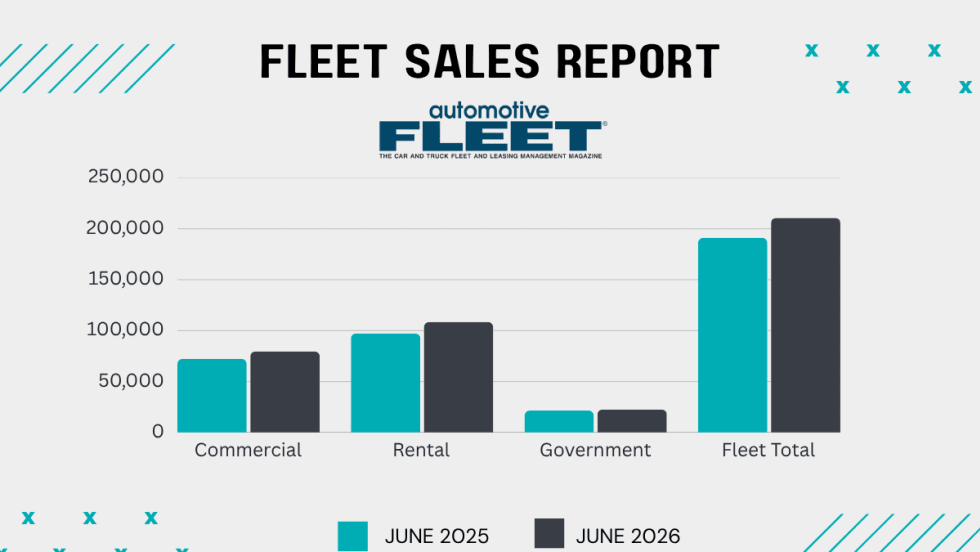
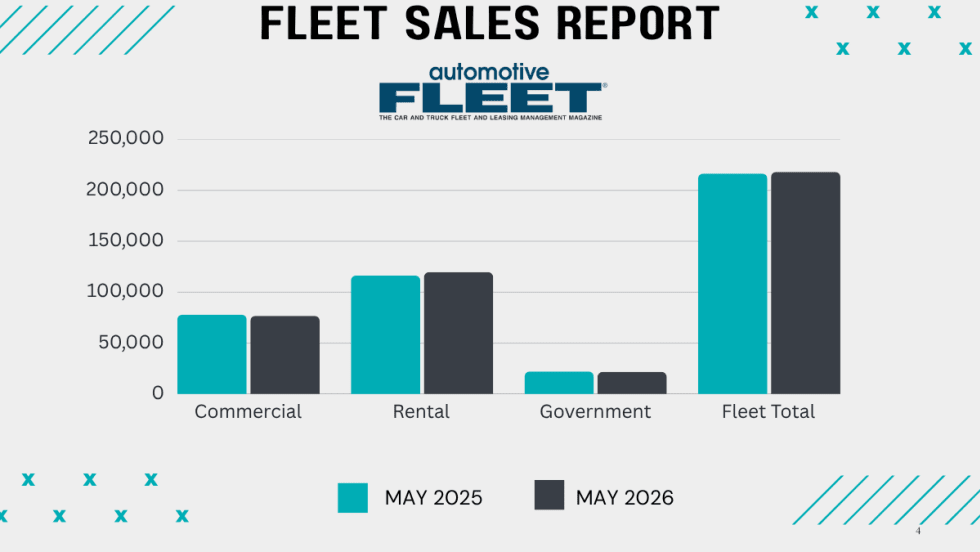
Green and black bar graphs show May 2025 v. 2026 fleet vehicle sales into commercial, rental, and government fleet sectors.
Fleetby Martin RomjueJune 3, 2026

Commercial Fleet Sales Still Lead Sectors Despite May Mini Dip

The U.S. economy's continued growth and positive business investment are creating a favorable environment for fleet vehicle demand.

Read More →
Ad Loading...
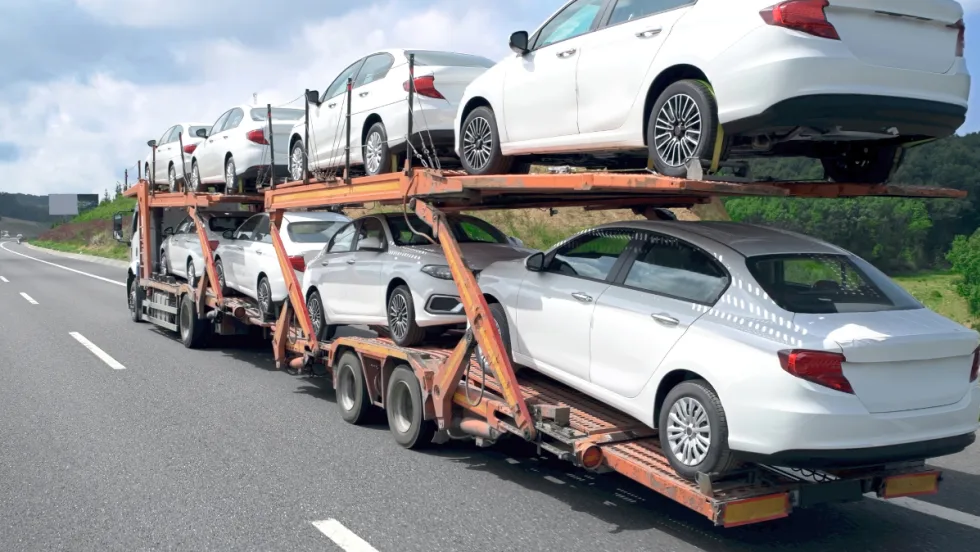
A double-decker stinger car hauler carries a full load of new white vehicles along an interstate highway.
FleetJune 1, 2026

The Data-Driven Haul: 5 Ways AI is Leveling the Playing Field in Auto Transport

Large and small transport fleets are becoming more competitive as predictive analytics and real-time data inform the logistics decision chain.

Read More →
Two trucking industry workers talk in front of semi-trucks beside text reading, “The issue isn’t lack of safety technology — it’s lack of alignment.”
FleetMay 12, 2026

How to Speak the Same Language on Fleet Safety

Drivers, supervisors, and data often speak different safety “languages.” Getting on the same page will drive better results.

Read More →
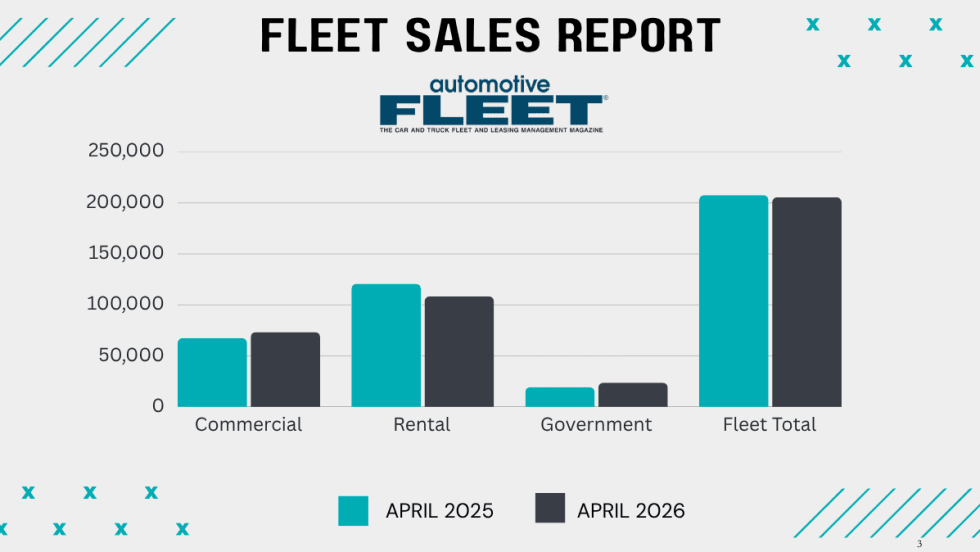
Green and black bar graphs show April 2025 v. 2026 fleet vehicle sales into commercial, rental, and government fleet sectors.
Fleetby Martin RomjueMay 5, 2026

Commercial Fleet Sales Show Healthy Gains

So far, the fleet sector is outshining government and rental fleet sales this year as economic growth spurs more business investment.

Read More →
Ad Loading...
A manual, traditional logistics dispatch center versus a futuristic AI-driven illustrative diagram of a future logistics operation.
OperationsMay 1, 2026

The Predictive Pivot: How AI and Data Are Redefining Auto Logistics in 2026

AI is no longer a luxury but the baseline for profitability in 2026. Auto haulers that adopt these tools now will quickly outpace those using manual workflows and taking a wait-and-see approach.

Read More →
A man standing in front of transparent tech screen with a the outline of a delivery truck.
TechnologyMay 1, 2026

The Predictive Pivot: How AI and Data Are Redefining Auto Logistics in 2026

AI is no longer a luxury but the baseline for profitability in 2026. Auto haulers that adopt these tools now will quickly outpace those that use manual workflows or take a wait-and-see approach.

Read More →
collage of conference speakers
Operationsby Chris BrownApril 30, 2026

CAR 2026 Recap Part 2: Closing the Gap Between Data & Remarketing Value

The second half of CAR 2026 examined how fleets can translate lifecycle strategy, vehicle data, and market shifts into higher real-world results.

Read More →
Ad Loading...
Collage of CAR speakers
Used Vehicle Valuesby Chris BrownApril 27, 2026

CAR2026 in Two Words: Velocity, Value (Part 1)

The 2026 Conference of Automotive Remarketing convened with a mandate to involve a new constituency — fleet managers — and an updated mission to demonstrate unrealized value in de-fleeted vehicles.

Read More →