




KBB data tables available for download
New Vehicle Prices Hit Record High for Nov. 2022
The luxury vehicle share sold increased to above 18% of total sales, lifting overall industry ATP, while non-luxury vehicle buyers on average paid more than $500 above sticker price.
December 12, 2022
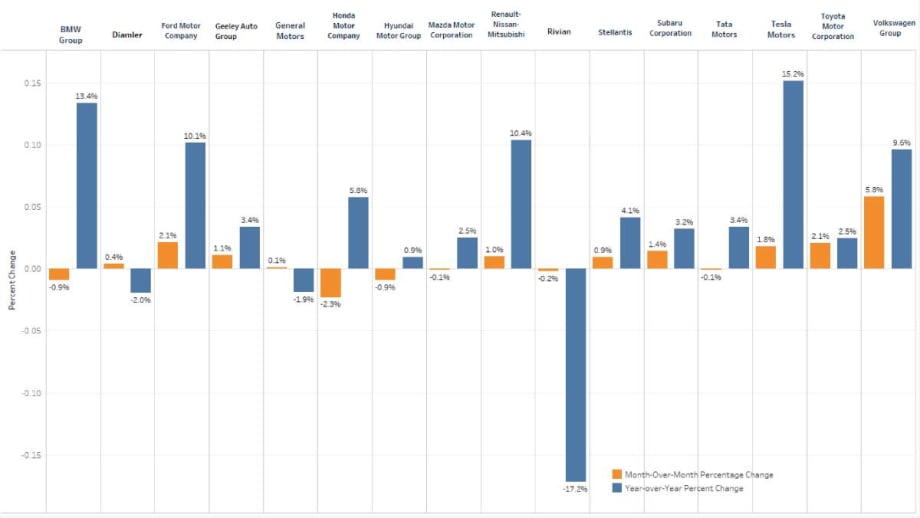
Most automakers reported price increases last month. Porsche and Land Rover showed the most price strength in the luxury market, transacting between 2% to 6.4% over sticker price.
Graphic: Cox Automotive
3 min to read
New-vehicle inventory levels are improving, but prices remain elevated, according to data released Dec. 12 by Kelley Blue Book.
The average transaction price (ATP) for a new vehicle in the U.S. in November hit a new record high of $48,681. November prices rose 0.9% ($422) month over month from October 2022 and were up 4.4% ($2,250) from year-earlier levels.
New-vehicle ATPs have been higher than the average manufacturer’s suggested retail price (MSRP), also known as the sticker price, since July 2021, according to Kelley Blue Book calculations. Sales volumes in November were up year over year by more than 11%, but down from October. The elevated prices and high loan rates are likely putting downward pressure on sales.
“The transaction data from November clearly indicates that prices are showing no signs of coming down as we head into the holiday season,” said Rebecca Rydzewski, research manager of economic and industry insights for Cox Automotive, in a news release. “The mix of available vehicles still favors more expensive models and higher trim levels. In fact, average MSRP has increased more than average ATP year over year, indicating automakers are still building a richer mix of expensive models and fewer value vehicles.”
New-vehicle inventory is steadily improving, although some brands have a noticeably larger supply than others, according to Cox Automotive estimates. “Incentives overall are still very low, but consumers who are flexible on make and model may be able to find a good deal at year-end sales events,” Rydzewski added.
Average Prices for Luxury Cars Hit Record
Strong luxury vehicle sales have been a primary reason for overall elevated new-vehicle prices. Luxury vehicle share remains historically high, increasing to 18.2% of total sales in November from 17.8% in October. The high share of luxury sales helps to push the overall industry ATP higher. In November 2019, the luxury share of the U.S. market was 16.1%.
In November 2022, the average luxury buyer paid $67,050 for a new vehicle — a record high and up $405 from October. Buyers continue to pay more than MSRP for new luxury vehicles, although prices are trending closer to or below sticker prices in some luxury segments.
Porsche and Land Rover showed the most price strength in the luxury market, transacting between 2% to 6.4% over sticker price last month. Luxury brands Alfa Romeo, Audi, BMW, Infiniti, Lincoln, and Volvo showed the least price strength, selling 1% or more below MSRP in November.
Average Non-Luxury Car Prices Increase to Record High
The average price paid for a new non-luxury vehicle in November was $44,584 — also a record and higher by $330 month over month. The previous record high was recorded in August. On average, car shoppers in the non-luxury segment paid $410 above sticker price, a slight increase from October.
Most non-luxury brands had stable pricing or declines in November. Honda and Kia showed the most price strength in the non-luxury market, transacting between 6% to 8% over sticker price in November. Meanwhile, Buick showed the least price strength, selling 2% or more below MSRP in November.
Electric Vehicle Prices Still Up Compared to Last Year
The average price paid for a new EV increased in November by $1,172 (up 2%) compared to October and was up by 9% compared to a year ago in November 2021. The average new EV price was $65,041, according to Kelley Blue Book estimates, well above the industry average and aligning more with luxury prices versus mainstream prices.
Auto Incentives Offered by Manufacturers Remain at Historically Low Level
Incentives remained stable in November 2022 at 2.2% of the average transaction price. In November 2021, incentives averaged 4.1% of ATP. In November 2019, before the pandemic and when inventory was plentiful, the average incentive package was 10.6% of ATP, according to Kelley Blue Book estimates. Luxury cars had the highest incentives in November at 4.8% of ATP. Meanwhile, vans, minivans and luxury full-size SUVs had the lowest incentives, all less than 1% of ATP.
More Fleet

Acertus Acquires Fisher Shipping, CEO to Join Acertus
Fisher Shipping will retain its brand and team, while its customers gain access to Acertus’ transportation, storage, vehicle care, and title and registration services.
Read More →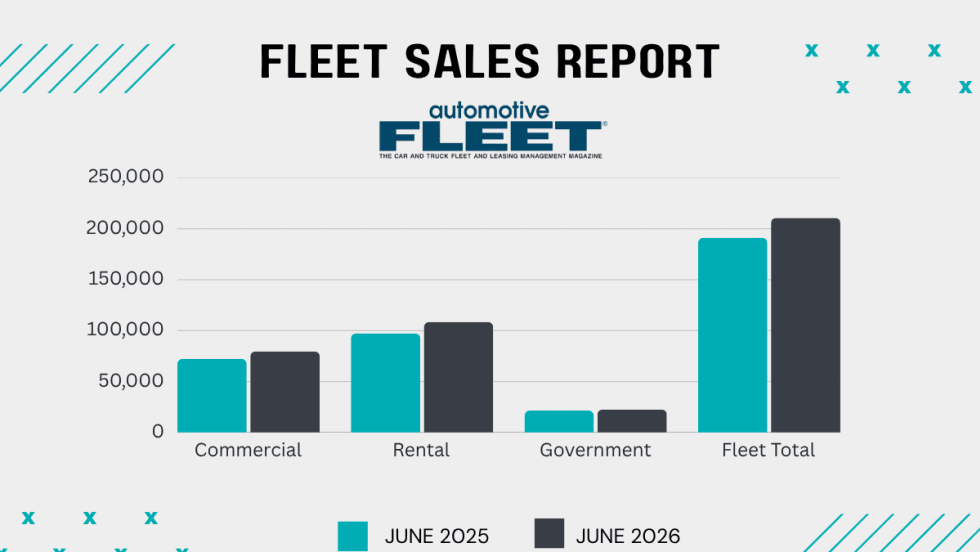
Commercial Fleet Sales Contribute To June, YTD Gains
The fleet sector has boosted its vehicle purchases at a reliable pace in the first half of this year compared with 1H 2025.
Read More →
Registration Opens for 2026 Fleet Forward Conference
Held on the East Coast for the first time, the Washington, D.C.-area event features expert-led education, a new IIHS Crash Test Experience, and collocation with the NAFA’s Fleet Safety Symposium.
Read More →
AP Fleet Management Expands Remarketing Program for Commercial Work Trucks
AP Fleet Management expanded its commercial vehicle remarketing program with dedicated resale services and an online marketplace for used work trucks.
Read More →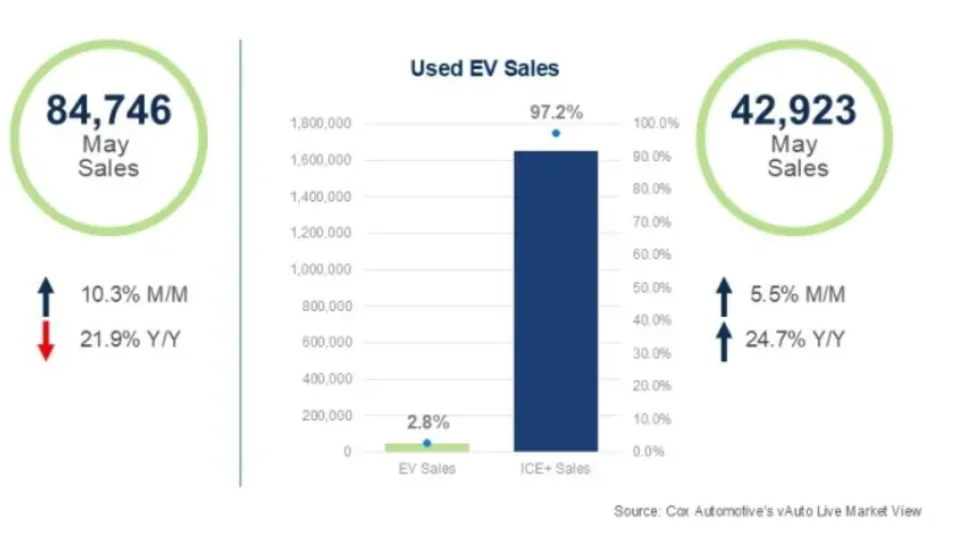
Used EVs Strengthen Overall Electric Vehicle Market
The latest sales data point to several reasons for the divergent trends in new and used EVs that can factor into fleet cycling decisions.
Read More →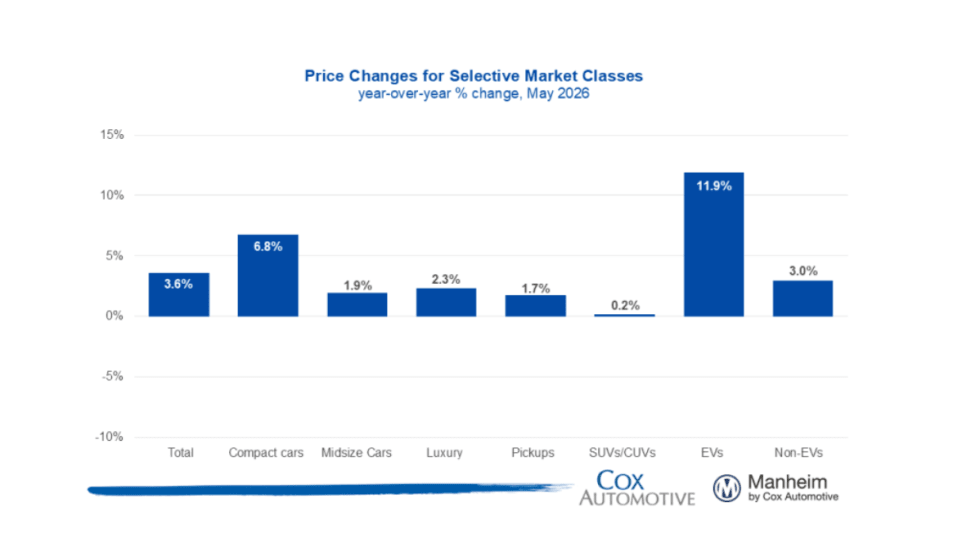
Wholesale Used Vehicle Market Sustains Moderate Rise In Values, Prices
Trends continue to normalize after a strong start to the year, as consumers contend with higher gas prices in the coming summer months.
Read More →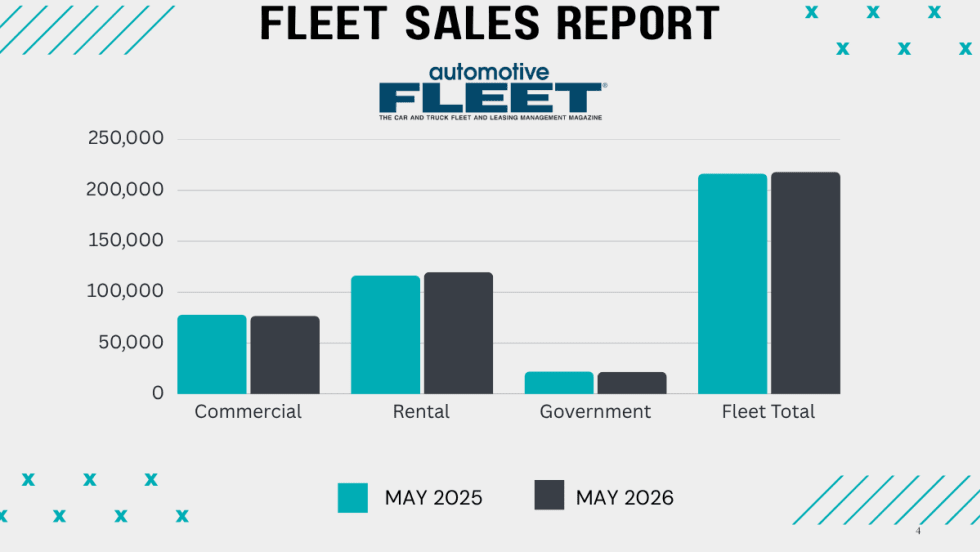
Commercial Fleet Sales Still Lead Sectors Despite May Mini Dip
The U.S. economy's continued growth and positive business investment are creating a favorable environment for fleet vehicle demand.
Read More →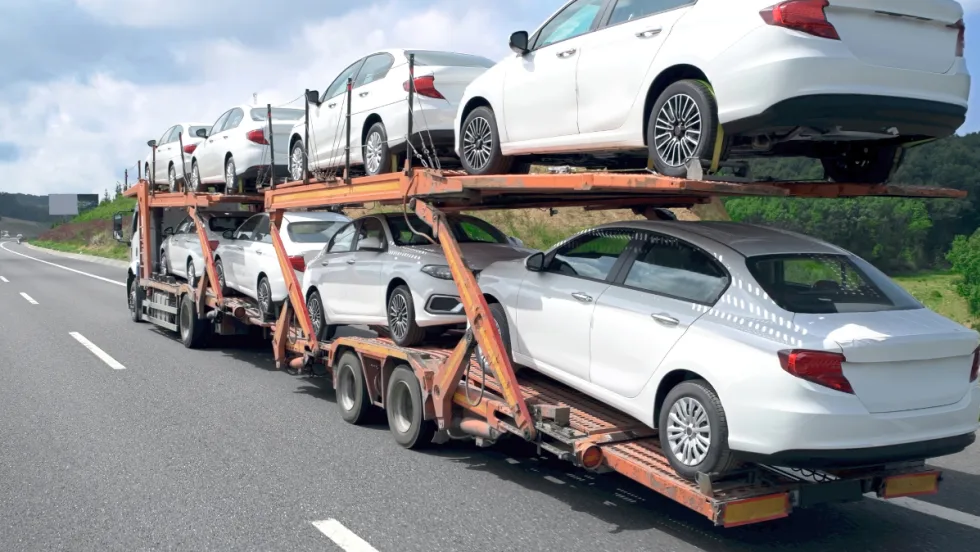
The Data-Driven Haul: 5 Ways AI is Leveling the Playing Field in Auto Transport
Large and small transport fleets are becoming more competitive as predictive analytics and real-time data inform the logistics decision chain.
Read More →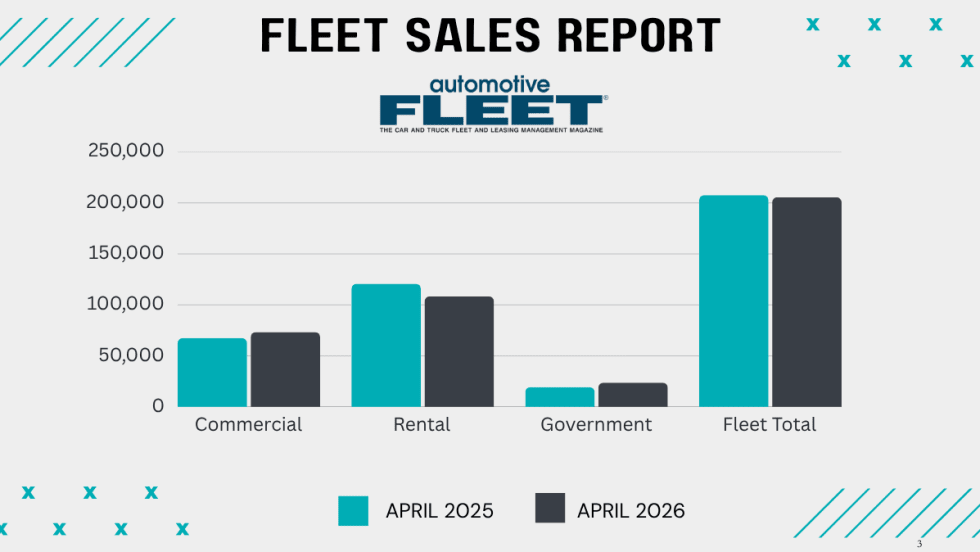
Commercial Fleet Sales Show Healthy Gains
So far, the fleet sector is outshining government and rental fleet sales this year as economic growth spurs more business investment.
Read More →
CAR 2026 Recap Part 2: Closing the Gap Between Data & Remarketing Value
The second half of CAR 2026 examined how fleets can translate lifecycle strategy, vehicle data, and market shifts into higher real-world results.
Read More →