



New Survey Shows Automotive Remarketers Shifting to Online Auctions, Other Upstream Remarketing Strategies
Online auctions and other upstream remarketing activities are quickly becoming key components of automotive remarketers’ sales strategies, according to a new industry survey conducted by Emercent Solutions and the International Automotive Remarketers Alliance (IARA).
Online auctions and other upstream remarketing activities are quickly becoming key components of automotive remarketers’ sales strategies, according to a new industry survey conducted by Emercent Solutions and the International Automotive Remarketers Alliance (IARA). The findings are derived from a survey of 25 automotive industry executives representing 42% of the vehicles remarketed annually by captive lenders, banks, and fleet and lease companies.
But to what extent will online auctions capture buyers from the decades-old tradition of physical used-car auctions? This is one of the key questions auto industry executives are exploring as Emercent and the IARA reveal the findings from their survey today at the IARA’s Remarketing Roundtable Series in Las Vegas.
“We are seeing a shift in the way vehicles are remarketed,” said Bob Gear, vice president of business development for Emercent. “This is significant, because the physical auction process has not changed dramatically for the last 60 years. The survey underscores what most of the industry has been seeing in the last two years.”
“Online auctions are definitely having an impact on the way vehicles are being remarketed,” said Matt Marks, executive director of the IARA. “While physical auctions are certainly not going away, channels like online auctions are becoming increasingly important.”
The survey of captive lenders, banks, and fleet and lease companies examines current trends and future intentions regarding the use of upstream remarketing processes and procedures. Upstream remarketing is defined as any selling of a vehicle prior to a physical auction.
The survey findings include:
Among captive lenders, upstream remarketing activities now account for more than 40 percent of sales. As part of this, online auctions account for about a quarter of sales. Sales to grounding dealers and lessees represent 17 percent of the transactions.
Banks now use upstream remarketing channels to complete nearly 50% of their wholesale transactions. Of this activity, sales to lessees make up approximately 30%, and sales to grounding dealers account for another 7 perecent.
Fleet and lease companies are using upstream remarketing activities to dispose of about 50% of their inventories. Almost 25% of this is for sales to employees who have driven the vehicles. Fleet and lease companies use the wholesaler market to dispose of nearly 13 percent of vehicles.
Most survey respondents believe that upstream remarketing activities have helped their bottom line. Captive lenders report that upstream channels have reduced the turn time on their vehicles by an average of more than 20 days, resulting in millions of dollars in savings.
The survey results also show that more than half of the captive lenders are now spending less than they were in the past on their remarketing activities. The survey respondents from banks and fleet and lease companies say they are spending more, but are still increasing profits.
Both banks and captive lenders intend to increase their use of sales to grounding dealers, as well as online auctions. The newest channels, as expected, have the largest increase potential.
More Operations
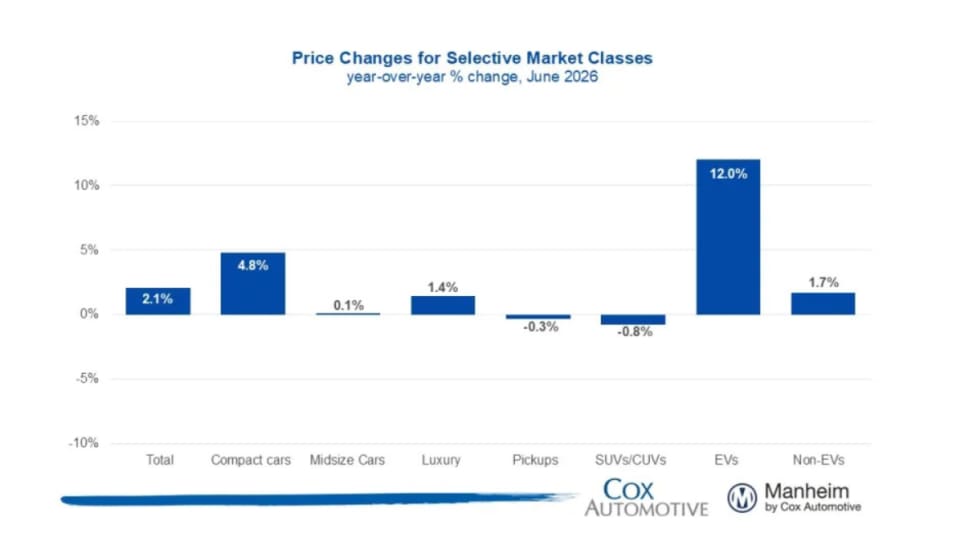
Manheim Index Shows Used-Vehicle Wholesale Prices Up 2.1% in June
The market is seeing stronger appreciation in older used vehicles this year, and the most affordable segments have been among the year’s best performers.
Read More →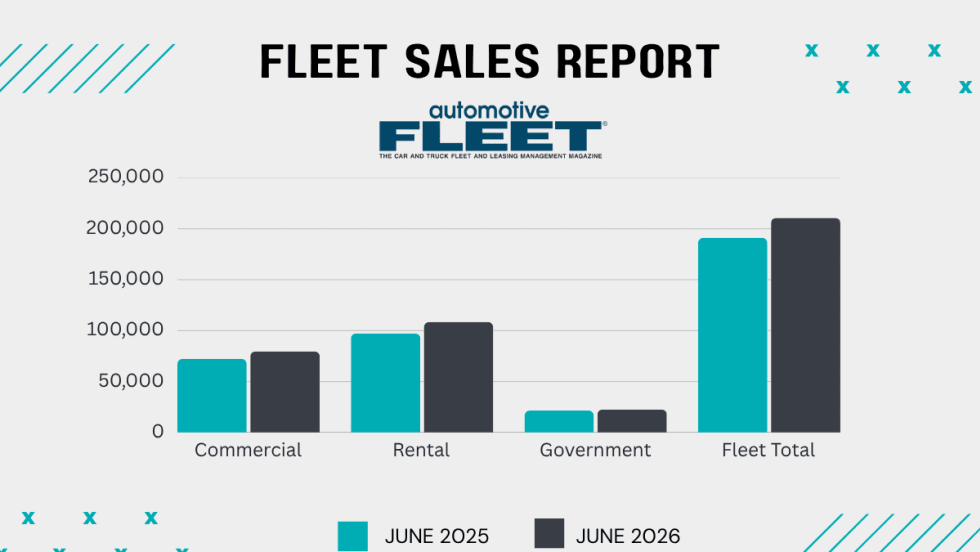
Commercial Fleet Sales Contribute To June, YTD Gains
The fleet sector has boosted its vehicle purchases at a reliable pace in the first half of this year compared with 1H 2025.
Read More →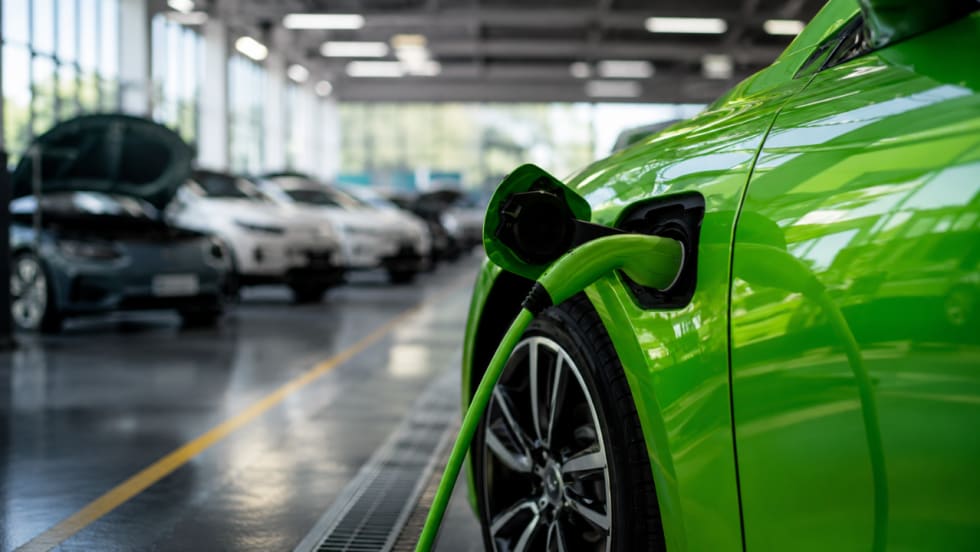
Stop Remarketing Electric Vehicles Like Gas Cars
The advantages and attributes of electric vehicles are upending the traditional remarketing cycle, requiring fleet sellers to rely on new factors and approaches detailed below.
Read More →
AP Fleet Management Expands Remarketing Program for Commercial Work Trucks
AP Fleet Management expanded its commercial vehicle remarketing program with dedicated resale services and an online marketplace for used work trucks.
Read More →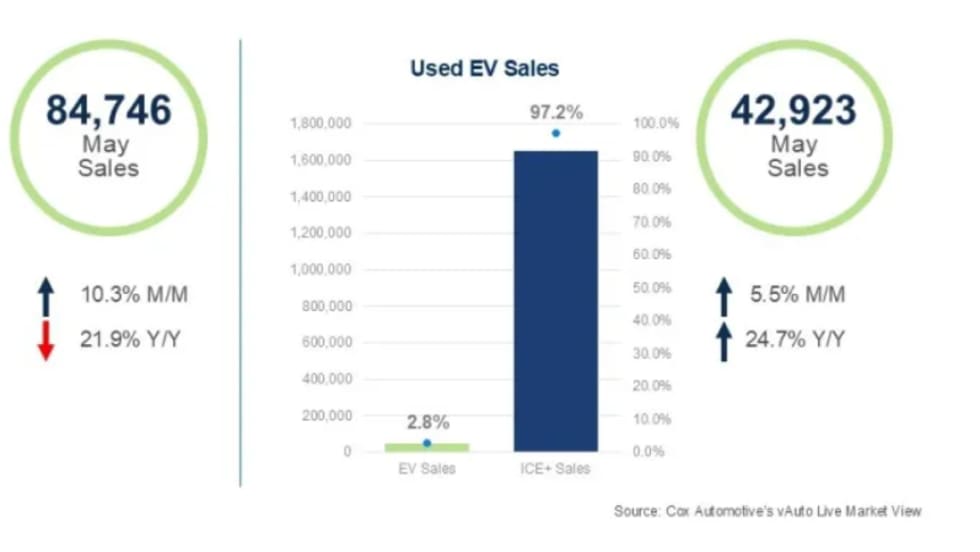
Used EVs Strengthen Overall Electric Vehicle Market
The latest sales data point to several reasons for the divergent trends in new and used EVs that can factor into fleet cycling decisions.
Read More →
The Data-Driven Haul: 5 Ways AI is Leveling the Playing Field in Auto Transport
Large and small transport fleets are becoming more competitive as predictive analytics and real-time data inform the logistics decision chain.
Read More →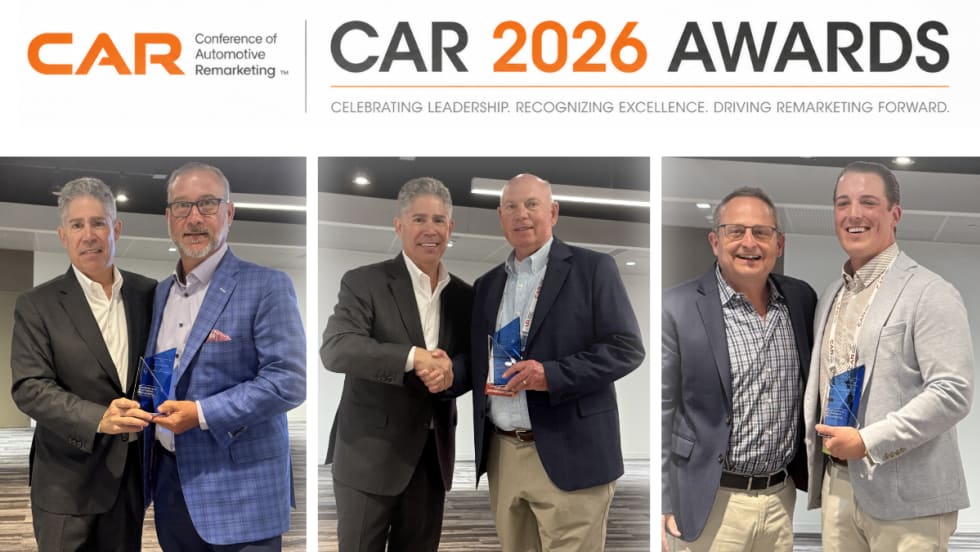
2026 CAR Awards Celebrate Industry Excellence
CAR’s annual Fleet Remarketing Awards opened a reimagined 2026 conference designed to bridge the worlds of fleet management and automotive remarketing.
Read More →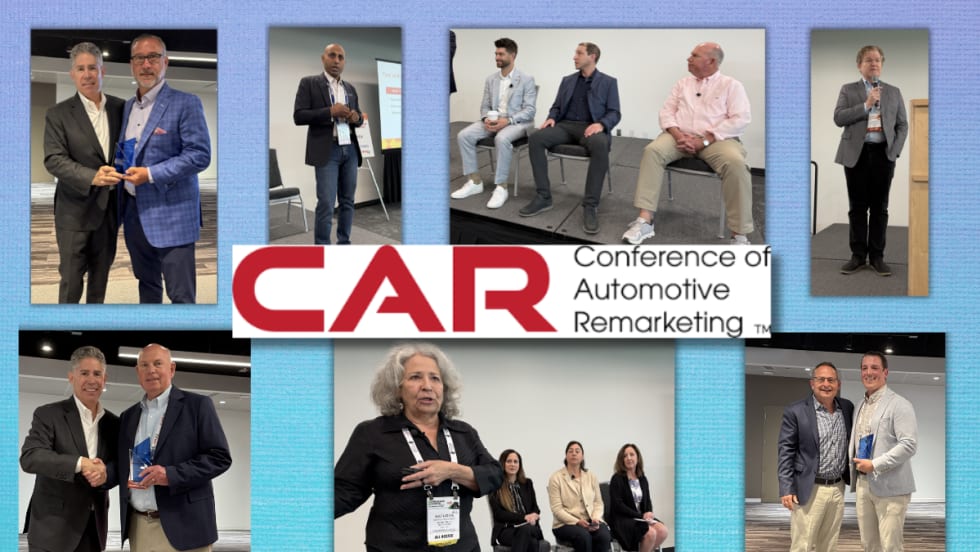
CAR 2026 Recap Part 2: Closing the Gap Between Data & Remarketing Value
The second half of CAR 2026 examined how fleets can translate lifecycle strategy, vehicle data, and market shifts into higher real-world results.
Read More →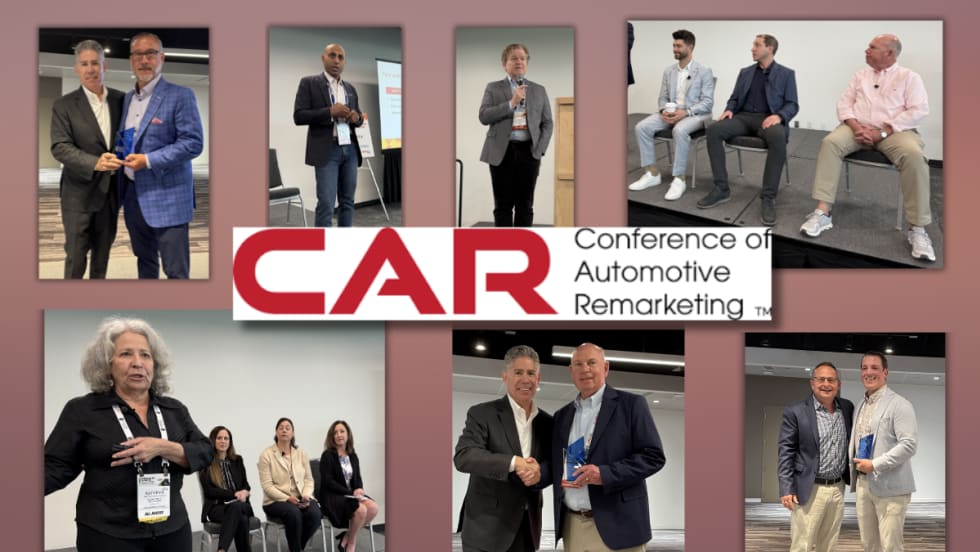
CAR2026 in Two Words: Velocity, Value (Part 1)
The 2026 Conference of Automotive Remarketing convened with a mandate to involve a new constituency — fleet managers — and an updated mission to demonstrate unrealized value in de-fleeted vehicles.
Read More →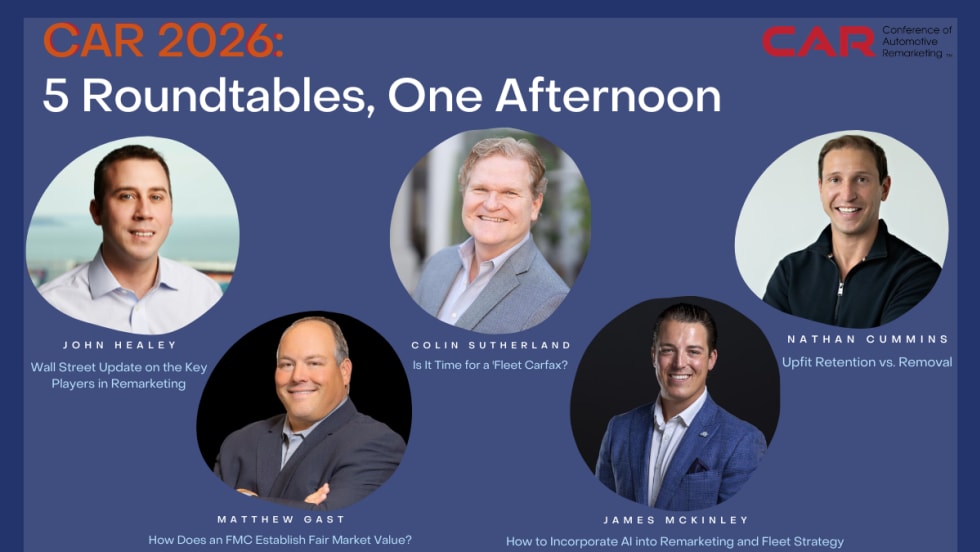
CAR 2026: Get the Wall Street Update on the Key Players in Remarketing
From a Wall Street analyst's take on remarketing's key players to whether fleets need their own version of Carfax, CAR 2026's afternoon roundtables will answer key operational and industry questions.
Read More →