



Manheim's January Used-Vehicle Index Declines to 113.3
ATLANTA - Wholesale used-vehicle prices (on a mix, mileage, and seasonally-adjusted basis) dropped lower in January, according to Manheim. Before the seasonal adjustment, average wholesale used-vehicle prices rose between December and January, but the increase was less than historical patterns would indicate; therefore, the Manheim Index declined by 0.2 percent to a 113.3 reading for the month.
ATLANTA - Wholesale used-vehicle prices (on a mix, mileage, and seasonally-adjusted basis) dropped lower in January, according to Manheim.
Before the seasonal adjustment, average wholesale used-vehicle prices rose between December and January, but the increase was less than historical patterns would indicate; therefore, the Manheim Index declined by 0.2 percent to a 113.3 reading for the month.
Wholesale prices were off 2.6 percent on a year-over-year basis, as the comparison was being made against the cyclical peak in pricing that occurred in January 2006.
A stable labor market and favorable credit conditions pushed non-seasonally adjusted prices higher in January. However, there is no guarantee that the spring market will accelerate as quickly as it has in recent years, according to Manheim.
Factors impacting used-vehicle sales include:
Tax refunds might already be committed to past purchases.
Tax refunds are a major driver of the used-vehicle spring market. Forecasting the level of tax refunds and, more important, the distribution between specific demographic and regional segments of the population is a difficult proposition. Early estimates suggest, however, that tax refunds in early 2007 will grow less rapidly than in recent years. And, with the recent rise in credit card debit it is reasonable to assume that a smaller slice of the refunds will end up directly supporting used-vehicle purchases, according to Manheim.
Revisions to employment growth show a strong base to the economy.
January's job growth came in slightly below expectations, but the benchmark revisions added more than 400,000 people to the 2006 total and pushed aggregate payroll growth last year to more than 2.2 million. Wage and salary growth is estimated to have risen by more than 6.5 percent last year.
Drag from housing will dampen the economy for an extended period.
A recent Census Bureau report shows that vacant homes for sale hit their highest level in the measurement's 40-year history. Many analysts believe that vacant home inventory is a better market indicator than the total inventory of homes for sale (which declined in recent months) since owner-occupied houses are often taken off the market when pricing is weak.
Benefit from falling gas prices likely over.
In the fourth quarter of 2006, the boost in discretionary income provided by falling gasoline prices offset much of the drag in housing. Since crude prices seem to have found their bottom, and the normal seasonal upturn in pump prices is only months away, consumers are unlikely to experience additional relief.
New-vehicle inventory levels continue to fall.
Despite modest new-vehicle sales in January, current and past production cuts continued to reduce dealer inventory levels. Preliminary numbers put the reduction in domestic new vehicle inventories during January at approximately 250,000 units.All vehicle market classes experienced year-over-year price declines in January, as the comparison was against last year's cyclical peak in wholesale pricing. January saw a further improvement in the pricing for many SUVs and full-size pickups, helped in part, by lower gasoline prices. Indeed, for some SUV models the wholesale market was quite active showing both an increase in the number of vehicles offered and a higher sale-through percentage. Luxury model SUVs, however, suffered a further easing in wholesale pricing in January, according to Manheim.
In a trend that, according to Manheim, will continue for some time, the volume of risk vehicles sold at auction moved higher in January. The pricing for the units remained unchanged from their strong year-ago performance. Likewise, commercial fleet volumes continued to rise, as did pricing for these units, in spite of the already strong gains achieved over the past two years.
More Operations
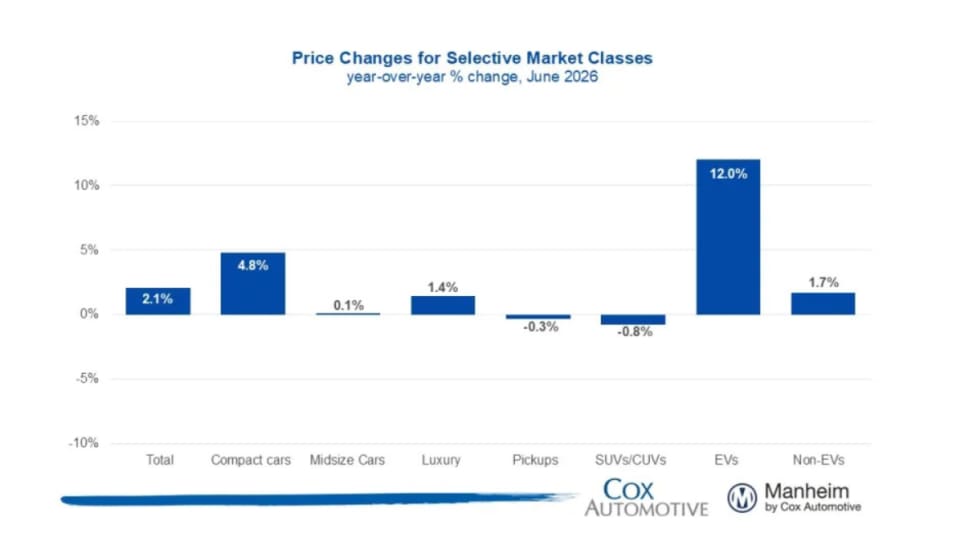
Manheim Index Shows Used-Vehicle Wholesale Prices Up 2.1% in June
The market is seeing stronger appreciation in older used vehicles this year, and the most affordable segments have been among the year’s best performers.
Read More →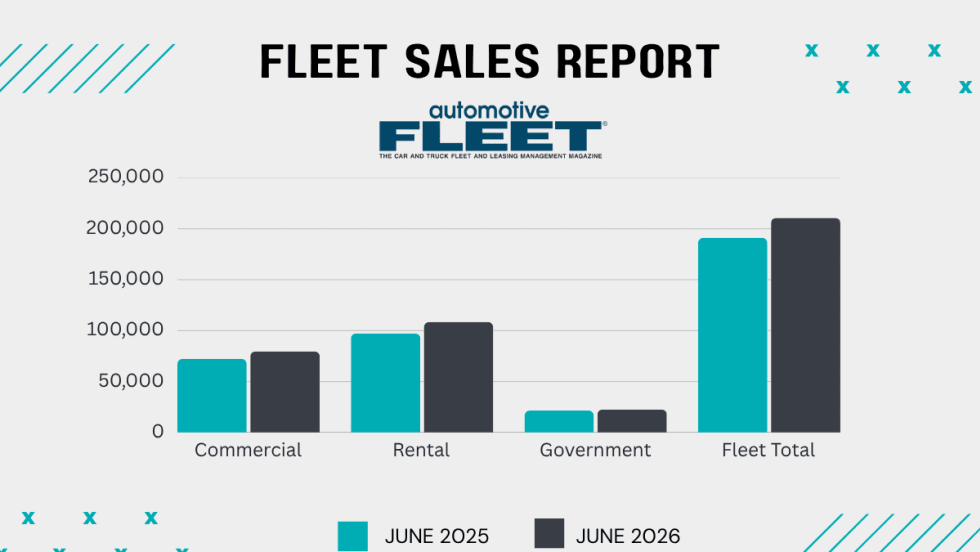
Commercial Fleet Sales Contribute To June, YTD Gains
The fleet sector has boosted its vehicle purchases at a reliable pace in the first half of this year compared with 1H 2025.
Read More →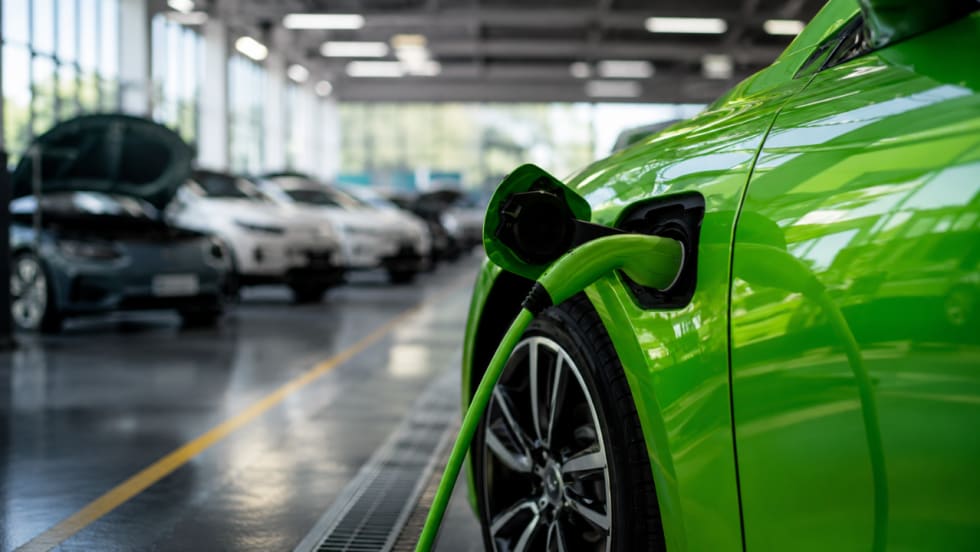
Stop Remarketing Electric Vehicles Like Gas Cars
The advantages and attributes of electric vehicles are upending the traditional remarketing cycle, requiring fleet sellers to rely on new factors and approaches detailed below.
Read More →
AP Fleet Management Expands Remarketing Program for Commercial Work Trucks
AP Fleet Management expanded its commercial vehicle remarketing program with dedicated resale services and an online marketplace for used work trucks.
Read More →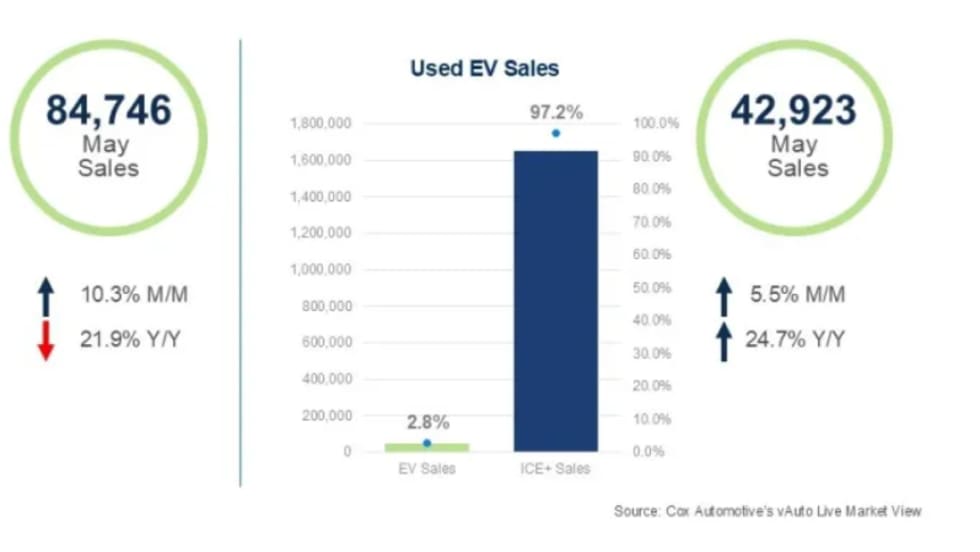
Used EVs Strengthen Overall Electric Vehicle Market
The latest sales data point to several reasons for the divergent trends in new and used EVs that can factor into fleet cycling decisions.
Read More →
The Data-Driven Haul: 5 Ways AI is Leveling the Playing Field in Auto Transport
Large and small transport fleets are becoming more competitive as predictive analytics and real-time data inform the logistics decision chain.
Read More →
2026 CAR Awards Celebrate Industry Excellence
CAR’s annual Fleet Remarketing Awards opened a reimagined 2026 conference designed to bridge the worlds of fleet management and automotive remarketing.
Read More →
The Predictive Pivot: How AI and Data Are Redefining Auto Logistics in 2026
AI is no longer a luxury but the baseline for profitability in 2026. Auto haulers that adopt these tools now will quickly outpace those using manual workflows and taking a wait-and-see approach.
Read More →
CAR 2026 Recap Part 2: Closing the Gap Between Data & Remarketing Value
The second half of CAR 2026 examined how fleets can translate lifecycle strategy, vehicle data, and market shifts into higher real-world results.
Read More →
CAR2026 in Two Words: Velocity, Value (Part 1)
The 2026 Conference of Automotive Remarketing convened with a mandate to involve a new constituency — fleet managers — and an updated mission to demonstrate unrealized value in de-fleeted vehicles.
Read More →