



Manheim Releases Mid-Year Used Car Market Report
ATLANTA – In what remained a volatile marketplace in the first half of 2010, new and used vehicle retail sales volumes increased, wholesale used vehicle volumes declined, and wholesale vehicle values reached record highs, according to the Manheim report.
ATLANTA – In what remained a volatile marketplace in the first half of 2010, new and used vehicle retail sales volumes increased, wholesale used vehicle volumes declined, and wholesale vehicle values reached record highs, according to Manheim.
These and a host of other industry trends are analyzed in-depth in the Mid-Year edition of Manheim’s Used Car Market Report, available online at www.manheim.com/consulting.
“Everyone with a stake in the used vehicle market needs as much information as possible to make smarter decisions,” said Manheim president and CEO Dean Eisner. “Readers from all segments of the industry will find this report useful as they develop a deeper understanding of the state of the used vehicle business.”
Highlights of the report include:
SALES VOLUMES
Total new vehicle sales in the first half of 2010 came in at a seasonally adjusted annual rate of 11.1 million; fleet sales were up 41 percent over last year, while retail sales were up 12 percent.
Total used vehicle retail sales increased by 3.6 percent in the first half of 2010; sales by dealers were up 4.4 percent and private-party transactions rose by 1.8 percent.
THE WHOLESALE MARKET
Auction volumes declined in the first half of the year, with units sold down 8.2 percent from last year, according to the National Auto Auction Association.
Wholesale prices, meanwhile, reached a record high in May’s Manheim Used Vehicle Value Index. On an annual average basis, wholesale used vehicle prices as of June were 5.3 percent above their year-ago level.
ONLINE ACTIVITY
Manheim.com is receiving a record 900,000 visits per week, and more than 21 percent of all Manheim transactions took place online via Manheim Simulcast or OVE.com.
RENTAL MARKET
In 2010, the rental industry is expected to purchase between 1.5 million and 1.6 million vehicles, up from 1.1 million units in 2009. In the first half of 2010, Detroit 3 manufacturer vehicles accounted for 69.6 percent of total rental car purchases, compared to 80 percent in 2006.
Risk vehicles account for more than 65 percent of units in service in 2010, and an even higher percentage of vehicles purchased. Average auction prices for both rental risk and repurchase vehicles remain above prior-year levels, with repurchase vehicle values remaining at record-high levels since the second half of 2009.
LEASING AND REPOSSESSIONS
In the first half of 2010, auto ABS issuance totaled $34 billion, up 35 percent from its year-ago level.
After reaching a peak of 1.9 million units in 2009, total repossession volumes are expected to decline 11 percent to 1.7 million vehicles in 2010.
After falling to 1.1 million units in 2009, new lease originations are estimated to increase 33 percent in 2010. Still, due to low lease originations in recent years, off-lease volumes will continue to decline dramatically through 2012.
COMMERCIAL AND GOVERNMENT FLEETS
In the first half of 2010, commercial fleets bought 227,200 vehicles, up 34 percent from the same period in 2009, but still one-third less than the 2008 level. By year’s end, total commercial fleet vehicles are expected to reach close to 475,000, which would represent a 37 percent increase.
Government fleets purchased 9 percent fewer vehicles in the first half of 2010.
The shortage of used vehicles in the auction lanes has brought strong demand and prices for end-of-service fleet vehicles.
SALVAGE
In the first half of 2010, the number of vehicles remarketed through salvage auctions declined approximately 5 percent, and it is unlikely that salvage volume will rebound until the economic recovery gains enough momentum that vehicle owners are encouraged to scrap rather than repair damaged vehicles.
More Operations

FLD Promotes Three Executives in Leadership Changes
FLD has promoted three longtime executives, naming Gary Mott CEO, Richard Mallek president, and Ron Sanders managing partner.
Read More →
CAS Automotive Launches Remarketing Service for Damaged, Surplus Equipment
Damaged Equipment expands CAS Automotive’s vehicle remarketing model to commercial equipment, targeting fleet operators, insurers, equipment dealers, and rental companies.
Read More →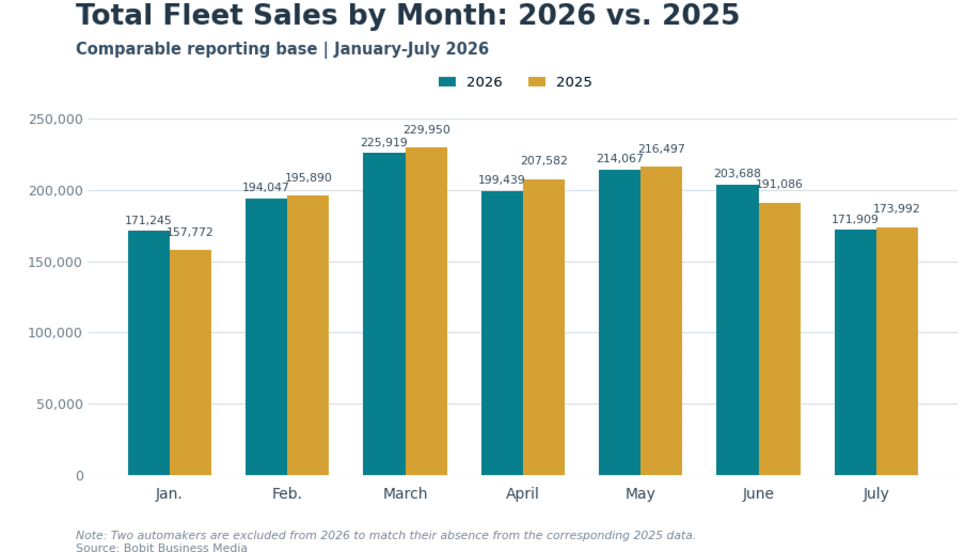
Fleet Sales Hold Steady as Commercial Gains Offset Rental Decline
Commercial and government fleet sales increased through July 2026, offsetting most of the decline in rental volume and leaving combined comparable fleet sales 0.5% above the same period last year.
Read More →
Personnel Update: BrickHouse GPS, PRO-VISION, Auto Driveaway, and Proaction
Check out the latest must-know fleet personnel updates from the last couple of months.
Read More →
What Comes Next for Auto Driveaway?
A new Auto Driveaway feature called Arrive provides recipients with live location updates and ETAs during the final hour of a vehicle move, while fleet customers continue to have end-to-end shipment visibility through the company's customer portal.
Read More →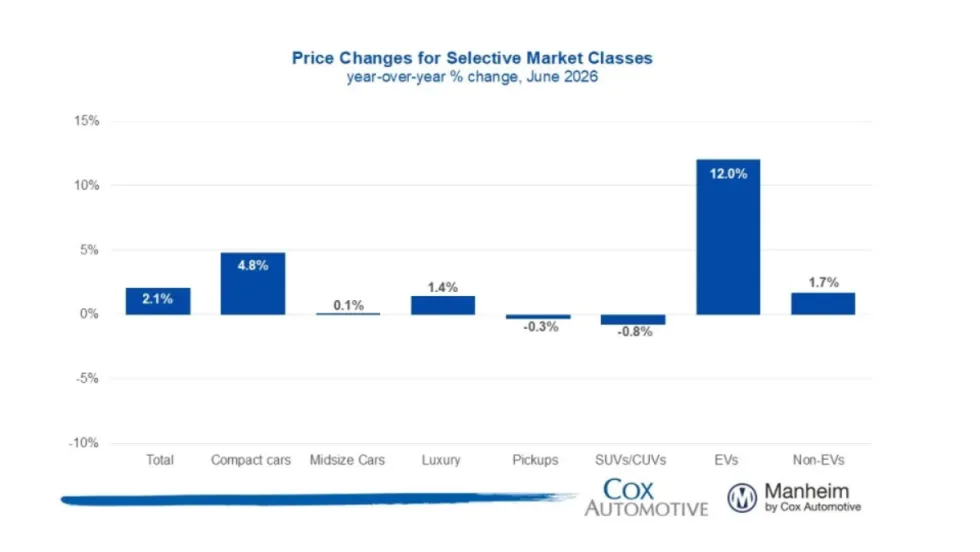
Manheim Index Shows Used-Vehicle Wholesale Prices Up 2.1% in June
The market is seeing stronger appreciation in older used vehicles this year, and the most affordable segments have been among the year’s best performers.
Read More →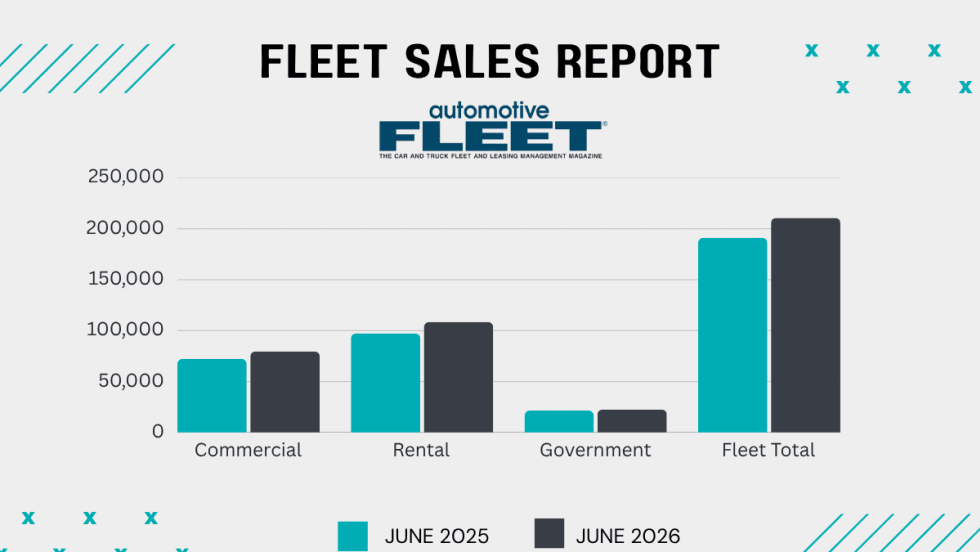
Commercial Fleet Sales Contribute To June, YTD Gains
The fleet sector has boosted its vehicle purchases at a reliable pace in the first half of this year compared with 1H 2025.
Read More →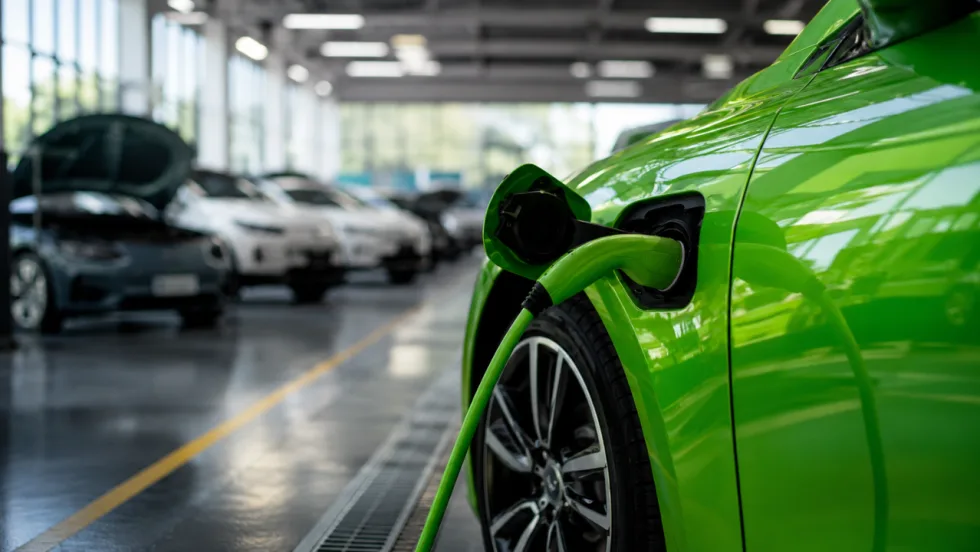
Stop Remarketing Electric Vehicles Like Gas Cars
The advantages and attributes of electric vehicles are upending the traditional remarketing cycle, requiring fleet sellers to rely on new factors and approaches detailed below.
Read More →
AP Fleet Management Expands Remarketing Program for Commercial Work Trucks
AP Fleet Management expanded its commercial vehicle remarketing program with dedicated resale services and an online marketplace for used work trucks.
Read More →
Used EVs Strengthen Overall Electric Vehicle Market
The latest sales data point to several reasons for the divergent trends in new and used EVs that can factor into fleet cycling decisions.
Read More →